small language models
5 stories filed under small language models on Beyond Market Intelligence. The newest of them: “Local-First AI: Why Your Next Spreadsheet Runs On-Device”, “Explore How Verifiable Rewards Empower Small Language Models”, and “Unlock Faster AI by Running Small Language Models on Your Own Hardware”. Your spreadsheet shouldn't need to phone home to the cloud just to help you sort a column. Training a small language model to reason well comes down to more than architecture. Acme AI is the next-generation, AI-powered spreadsheet platform built to replace Excel and redefine how analysts, data scientists, and enterprise teams work… The list below is every small language models story on Beyond Market Intelligence, newest first.

Local-First AI: Why Your Next Spreadsheet Runs On-Device
Your spreadsheet shouldn't need to phone home to the cloud just to help you sort a column. Rachel Lee Nabors, former React core team member, makes a compelling case for local-first AI, explaining how small language models running directly on your device deliver privacy, speed, and cost savings without sacrificing capability. It's a pragmatic reframing of what AI-powered data work can be. For more on how AI reshapes real workflows, see our piece "AI Agents in the Wild."

Explore How Verifiable Rewards Empower Small Language Models
Training a small language model to reason well comes down to more than architecture. In a new walkthrough, we explore how GRPO turns verifiable rewards into a lever for local experiments with Unsloth, and why the reward function often shapes outcomes as much as the model itself. It is a practical look at mechanics that are easy to overlook. For a deeper take on how structure guides model behavior, our related piece on paragraph structure in token space pairs naturally with this one.
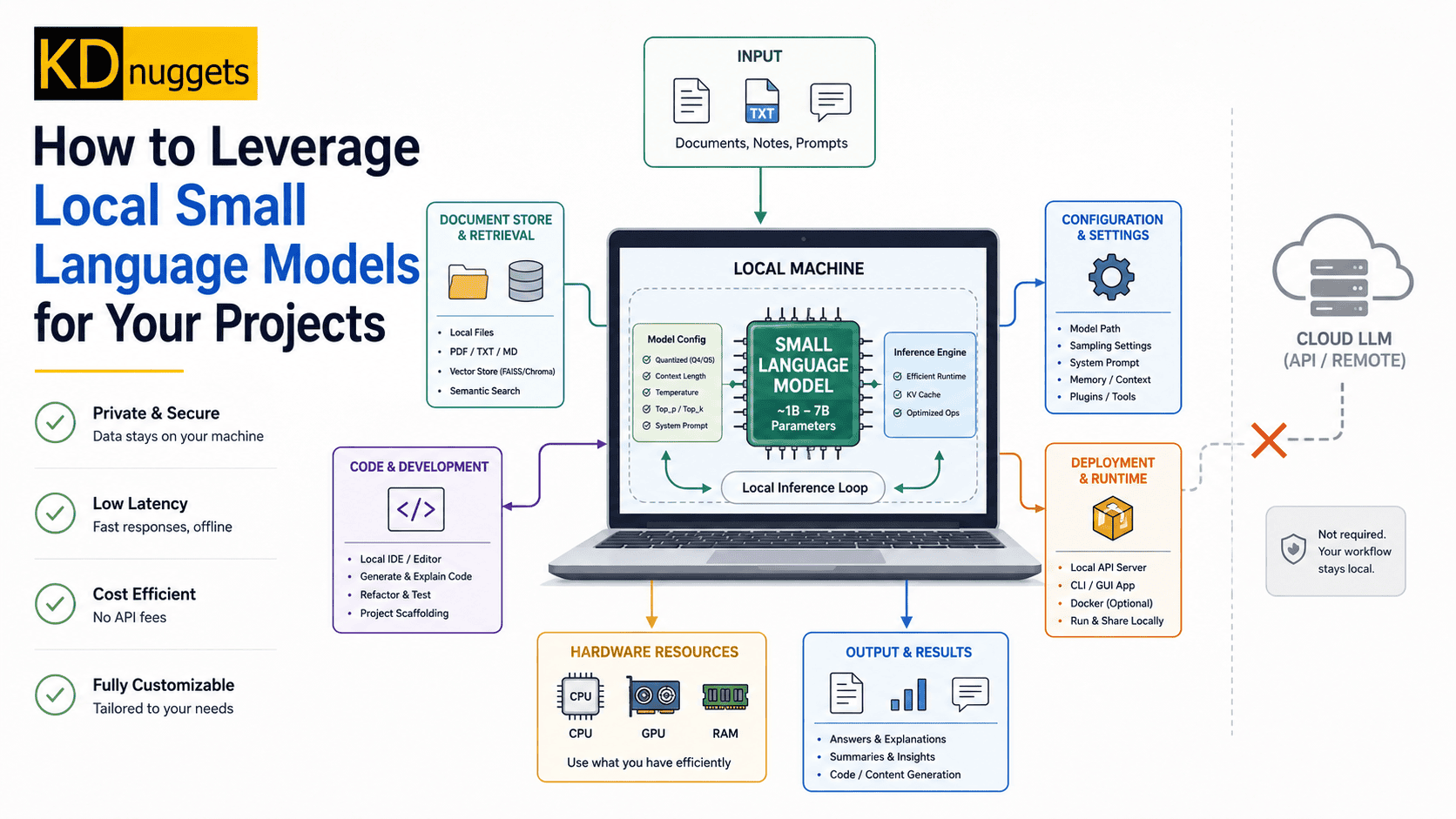
Unlock Faster AI by Running Small Language Models on Your Own Hardware
Local small language models let you run capable AI without sending your data anywhere. That is the practical appeal: privacy, lower cost, and direct control over your own hardware. This guide walks through the real steps to get them working, and we think the payoff is worth exploring. If you are curious about the broader challenges of distributed systems, our piece on unlocking LLM training offers a useful companion. For now, start compact, stay efficient, and see what you can build.

Smaller models, bigger returns: why 3B outperforms 70B for your task.
A 3B model can outperform a 70B one on your specific task. That isn't a compromise; it's a strategic choice. For focused pipelines, massive models are often overkill, and their cost is hard to justify. The Hugging Face transformers library and smolLM3 make this accessible, letting you deploy a lean, capable model without the overhead. If you're tired of paying for compute you don't need, this approach is worth exploring.
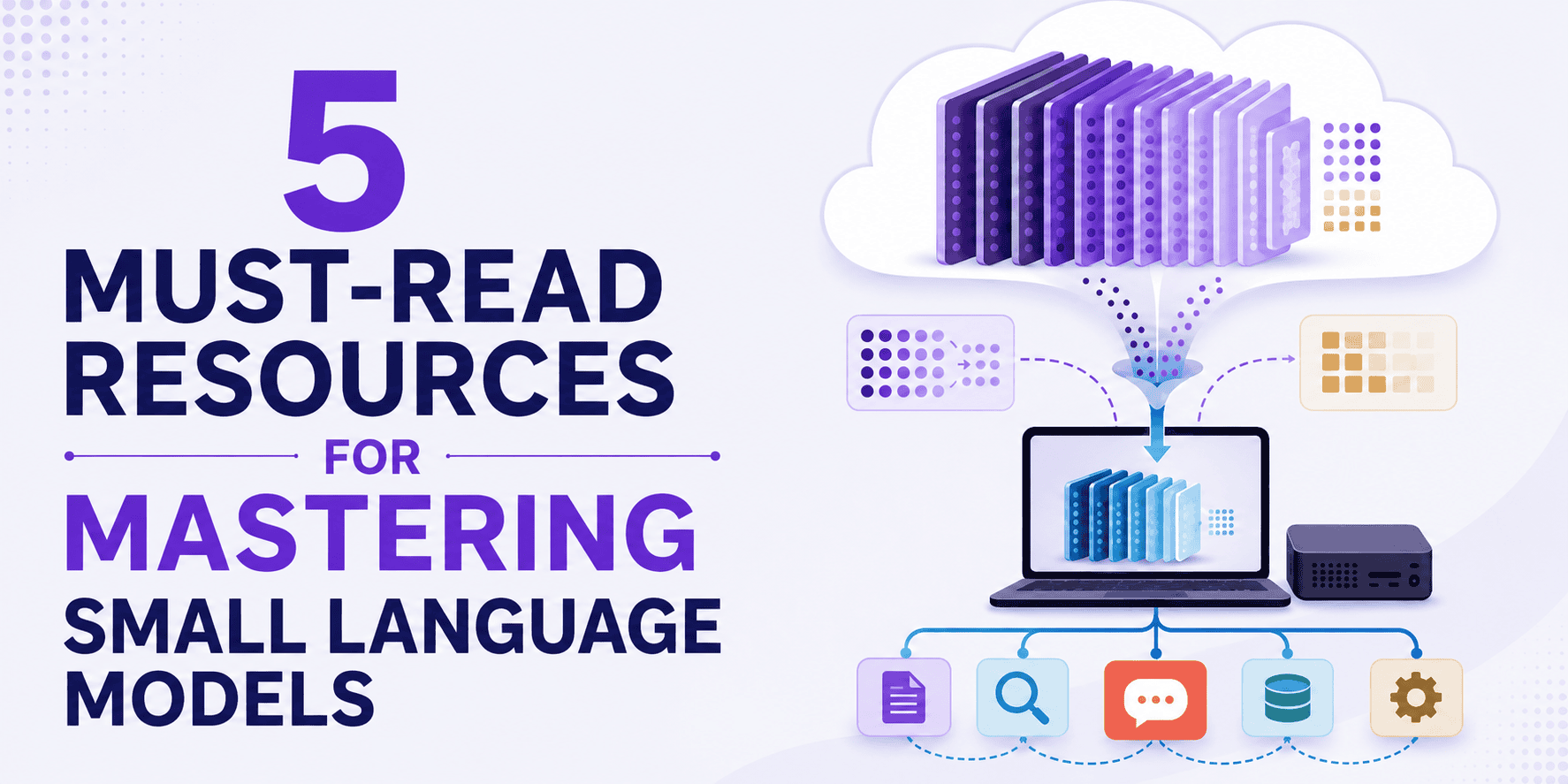
Explore practical resources to master small language models
Small language models are quietly reshaping what's possible for data professionals, and this guide cuts straight to the resources that matter. We've curated five essential reads that cover architecture, fine-tuning, agentic workflows, and local deployment, giving you a practical path forward without the fluff. If you're ready to move beyond theory, these picks will help you build real skills. For a deeper look at how AI systems truly behave, our piece on talking to an AI clone offers a thought-provoking companion.