stack
Beyond Market Intelligence keeps stack in one place: 3 stories so far. The section currently leads with “Sync Your Frontend to the Server with Declarative Data Bindings”, “Single runtime outperforms multi-system stacks for live data workloads”, and “From Agent Logic to Scale: Five Essential Tools for Production AI”. Fetching data on demand is starting to feel like the past. Harper is pushing back on the multi-system stack, and the argument is hard to ignore. Acme AI is the next-generation, AI-powered spreadsheet platform built to replace Excel and redefine how analysts, data scientists, and enterprise teams work… The list below is every stack story on Beyond Market Intelligence, newest first.

Sync Your Frontend to the Server with Declarative Data Bindings
Fetching data on demand is starting to feel like the past. James Arthur makes a compelling case for sync as the next frontier in frontend architecture, and his reasoning is hard to ignore. By extending reactivity to the server with Electric and TanStack DB, he replaces imperative fetching with declarative bindings that just work. The result? Insanely fast, collaborative apps built on your existing stack. It's a practical shift toward local-first development that empowers teams to move with confidence.
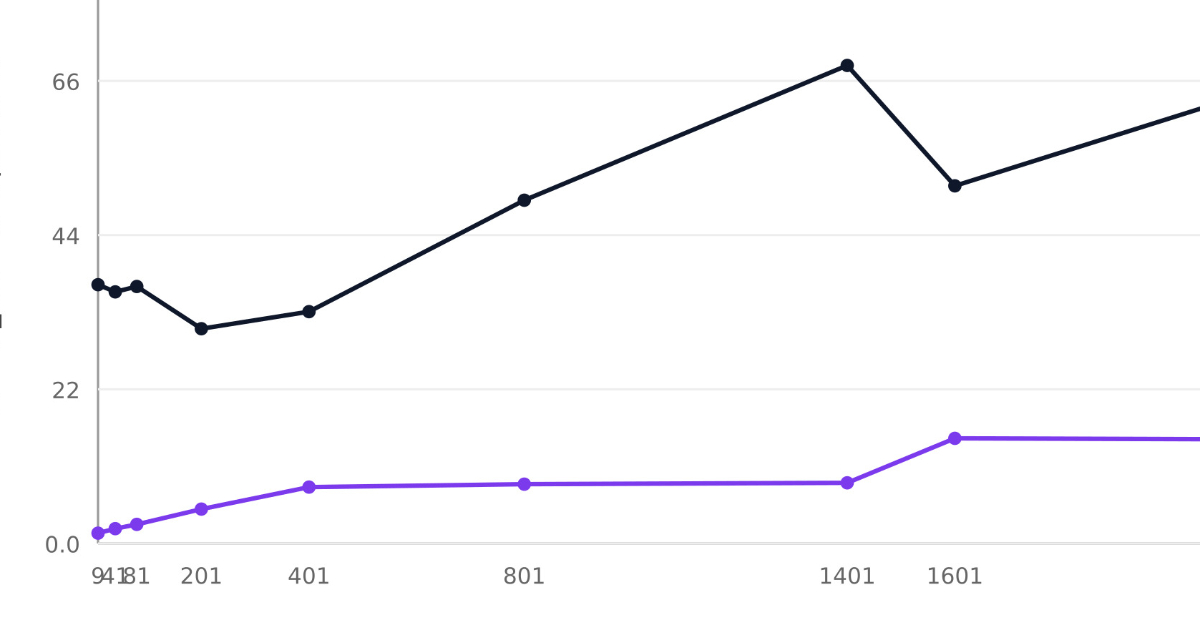
Single runtime outperforms multi-system stacks for live data workloads
Harper is pushing back on the multi-system stack, and the argument is hard to ignore. By keeping application code and data together in a single runtime, the database platform reports notably better performance on live, personalized workloads compared to a Vercel-based setup. Version 5.2 adds a record cache and greater throughput per node. That is a practical step toward less complexity. For readers tracking how modern architectures evolve, our related piece on Cloudflare's CMS migration offers another angle worth exploring.
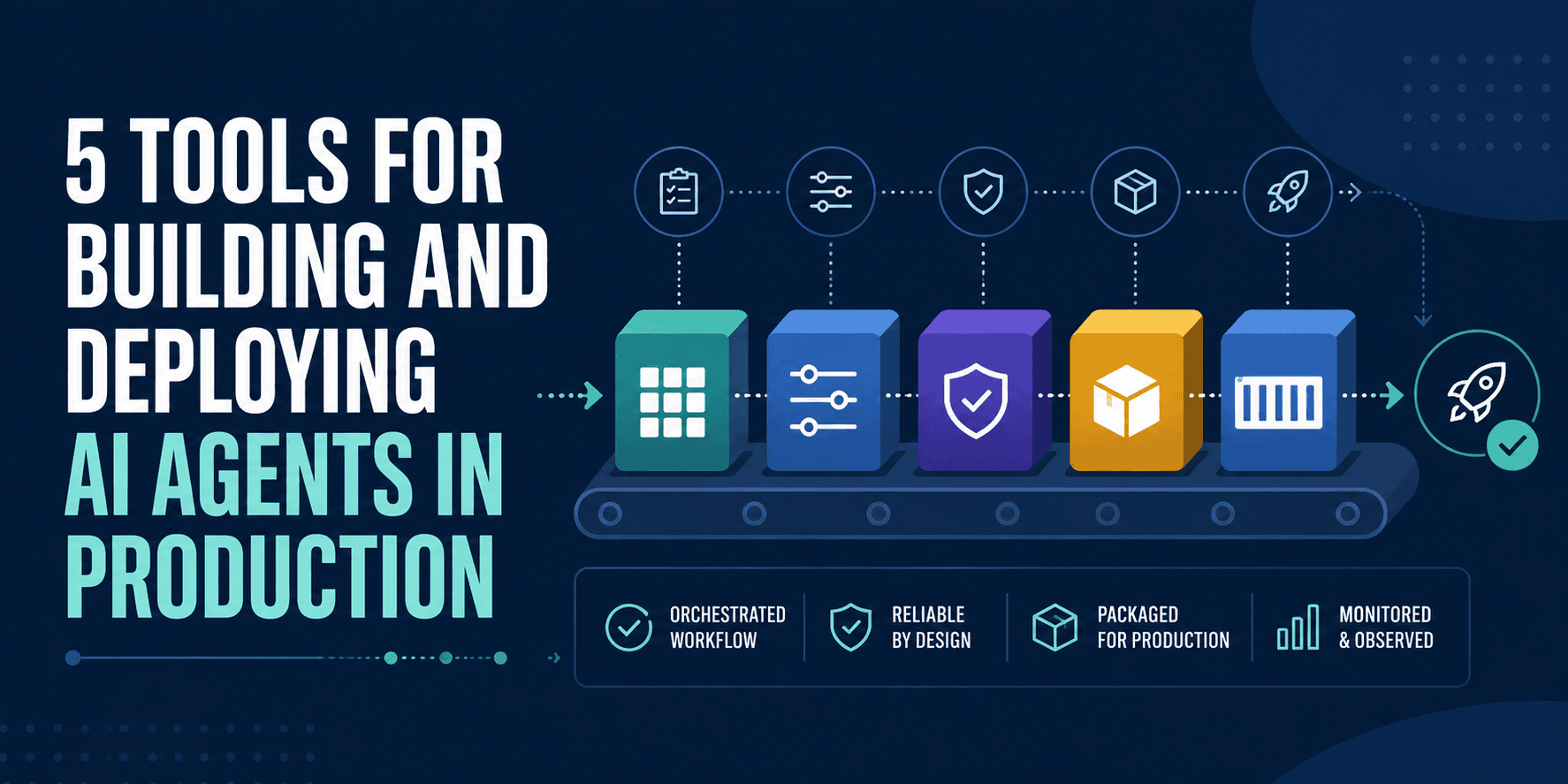
From Agent Logic to Scale: Five Essential Tools for Production AI
Building an AI agent is one thing; running it reliably in production is another. This guide breaks down five tools, each tackling a specific layer of the stack, from shaping the agent's core logic to scaling it under real-world pressure. It's a practical, no-nonsense walkthrough for teams ready to move beyond experimentation. If you're still questioning how much trust to place in these systems, our piece on talking to an AI clone offers a timely counterpoint worth exploring.