Tool Use
Tool Use at Beyond Market Intelligence is a file of 5 stories. The newest of them: “Your AI Agent Is Ready Now Build the Scaffolding Around It”, “How OpenAI Built Continuous Voice Without Compromising Speed”, and “Give your AI agents new skills without retraining the model”. Agents got good. OpenAI's engineering deep dive into GPT-Live reveals a thoughtful separation of concerns: the live path handles media and inference, while application logic runs behind an asynchronous RPC boundary. Acme AI is the next-generation, AI-powered spreadsheet platform built to replace Excel and redefine how analysts, data scientists, and enterprise teams work… The list below is every Tool Use story on Beyond Market Intelligence, newest first.
Your AI Agent Is Ready Now Build the Scaffolding Around It
Agents got good. Now the hard part is building the scaffolding around them. Gubi reissued the Lotus lamp. That's the message from a new piece that argues your agent doesn't need more freedom, it needs structure. The most capable AI is pointless without the right architecture to support it. For a deeper look at that architecture, explore "From Cognitive Loops to Multi-Agent Swarms: Your 2026 AI Roadmap" on our site.
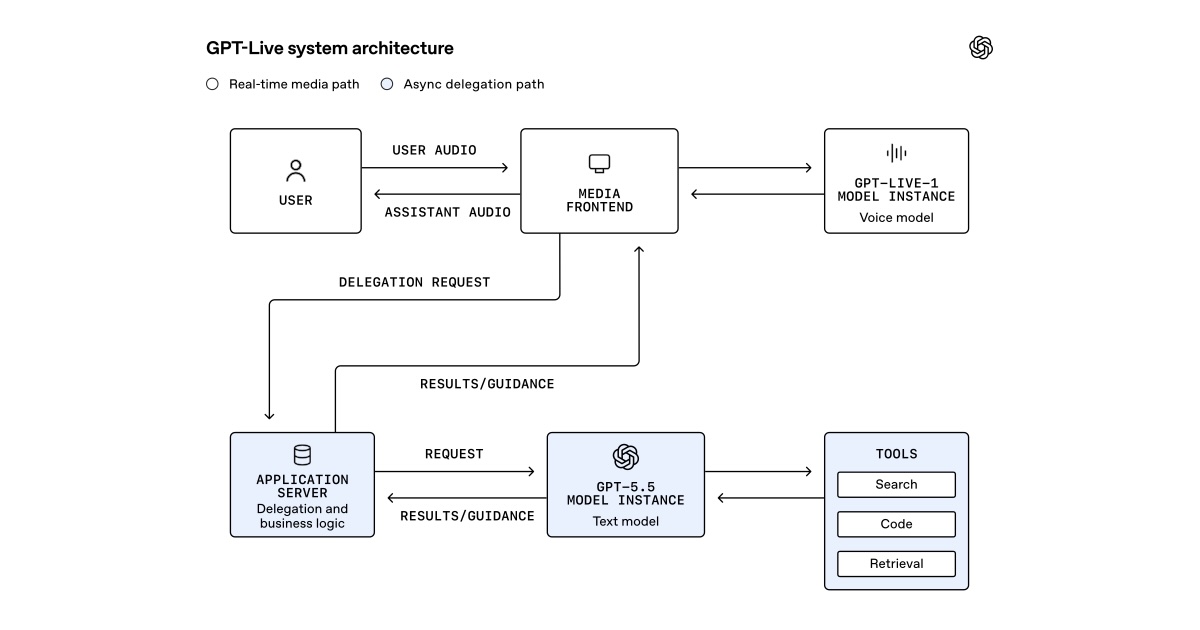
How OpenAI Built Continuous Voice Without Compromising Speed
OpenAI's engineering deep dive into GPT-Live reveals a thoughtful separation of concerns: the live path handles media and inference, while application logic runs behind an asynchronous RPC boundary. That's a pragmatic architecture for continuous voice interaction, one that prioritizes responsiveness without tangling latency-sensitive work in heavier tasks. It's the kind of clarity that makes complex systems feel inevitable. For broader context on AI behavior in practice, our earlier piece on AI agents sharing user images offers a cautionary counterpoint worth revisiting.
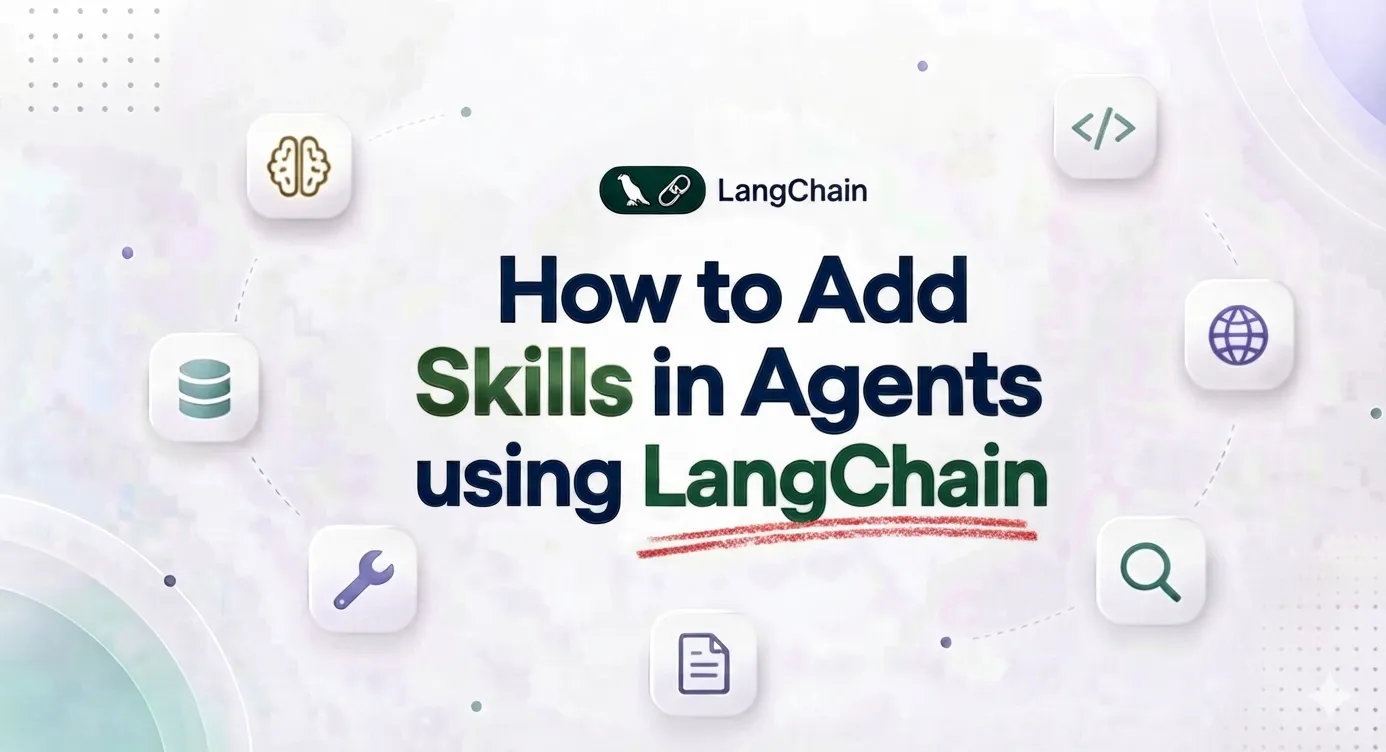
Give your AI agents new skills without retraining the model
Ever wondered how ChatGPT and Gemini pull off PDFs and PowerPoints when an LLM is all they have? The trick isn't a smarter model; it's skills, instructions an agent loads only when needed. That's a clever, accessible idea, and seeing it applied through LangChain makes it feel actionable. We like how this reframes capability as context, not complexity. For a deeper take on how agents learn by editing context rather than weights, check out our piece on Agentic Context Learning. It's a natural next step.
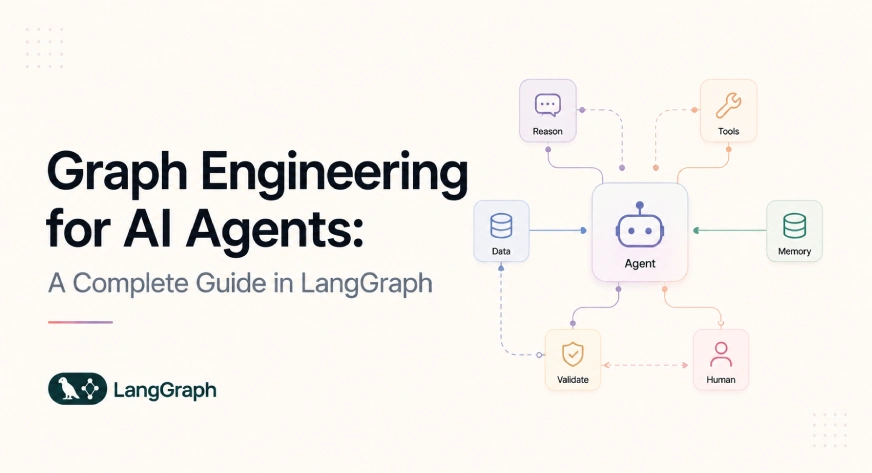
Design Your AI Workflows with Graph Engineering, Not Just Agent Loops
Single-agent loops are only part of the story. Graph engineering treats AI applications as explicitly designed workflows, where agents, tools, validators, and humans coordinate with intention. It's a shift from autonomous tinkering to deliberate architecture. That distinction matters. Moving beyond isolated prompts and toward systems that feel engineered, not improvised is a strong case. If you're curious how such coordination plays out in practice, our piece on talking to an AI clone offers a grounded counterpoint.
Explore Inkling, a customizable foundation for multimodal AI reasoning.
Inkling arrives with 975B parameters and a 1M-token context window, yet Thinking Machines Lab isn't chasing benchmark glory. That restraint is what makes this feel different. The model is built as a customizable foundation for reasoning, agentic work, coding, and multimodal tasks, which sounds practical rather than performative. We appreciate the focus on adaptability over hype. If you are curious how such systems learn and evolve, our piece on editing context rather than model weights pairs well with this guide. Explore both.