train
Beyond Market Intelligence keeps train in one place: 3 stories so far. The section currently leads with “Train your own data to unlock what your decision models can do”, “Calibrate classifier probabilities in Python with Platt scaling and isotonic regression”, and “Explore smarter AI models to shrink your data carbon footprint”. Sqwish Labs is asking a smart question: why settle for a generic decision model when you can train it on your own data? A classifier that outputs confident probabilities isn't always telling the truth. Acme AI is the next-generation, AI-powered spreadsheet platform built to replace Excel and redefine how analysts, data scientists, and enterprise teams work… The list below is every train story on Beyond Market Intelligence, newest first.

Train your own data to unlock what your decision models can do
Sqwish Labs is asking a smart question: why settle for a generic decision model when you can train it on your own data? Their new approach lets users feed proprietary information directly into the model, unlocking capabilities that off-the-shelf tools simply can't match. It's a practical step toward making AI work on your terms. For a deeper look at how specialized AI agents are transforming professional workflows, see our coverage of how these tools are reshaping investment banking.
Calibrate classifier probabilities in Python with Platt scaling and isotonic regression
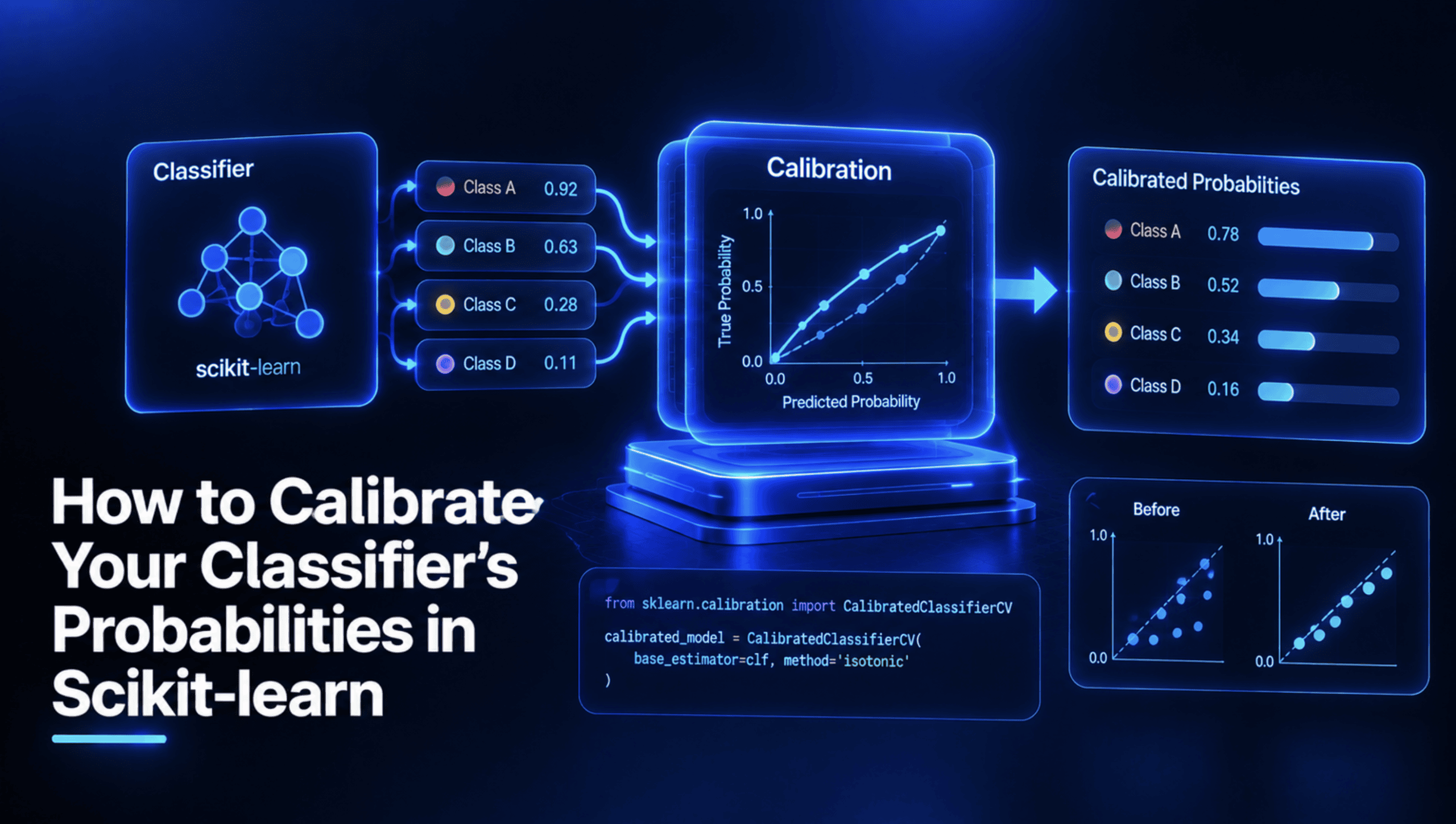
A classifier that outputs confident probabilities isn't always telling the truth. Miscalibration is a quiet problem that undermines trust in your model's predictions. This tutorial walks through training two scikit-learn classifiers on real data, exposing their miscalibration with a reliability diagram and Brier score, then fixing it with Platt scaling and isotonic regression. It's a practical fix for a common gap. For more on building reliable tools, see our piece on turning product updates into videos your audience will actually watch.
Explore smarter AI models to shrink your data carbon footprint
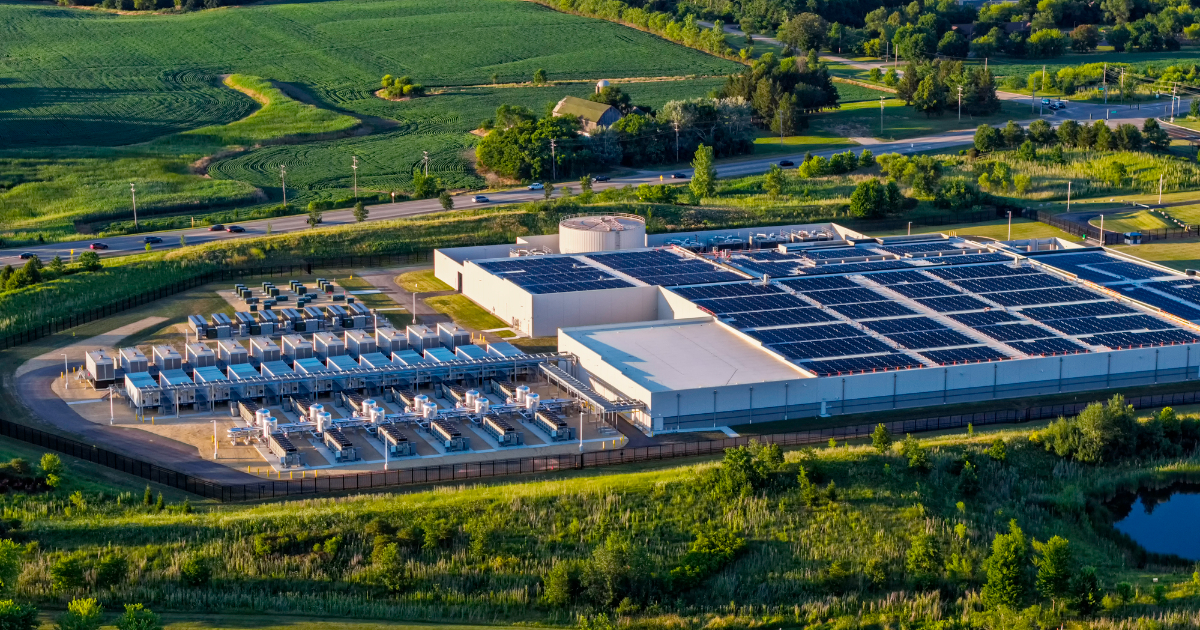
IT's electricity use is climbing fast, Microsoft and Google both report rising power consumption from AI, and the sector now accounts for 2-4% of global emissions. That makes sustainability a top-level architectural concern, not an afterthought. Ben Linders recommends using pre-built, smaller models, running compute where low-carbon electricity is abundant, and training on renewable energy. For more on how Microsoft is navigating this growth, see our related piece on Microsoft's consistent growth signaling a new era for data management.