transportation
Beyond Market Intelligence keeps transportation in one place: 61 stories so far. The section currently leads with “Also begins e-bike deliveries with a broader vehicle vision ahead”, “Legacy automakers shift focus as EV mentions drop to pre-pandemic levels”, and “Florida rethinks EV funds to explore air taxi infrastructure”. After months of delays, Rivian's spinoff, Also, is finally set to start delivering e-bikes. GM and Ford are mentioning EVs on investor calls at pre-pandemic rates, a clear signal that the electric vehicle hype cycle is cooling. Acme AI is the next-generation, AI-powered spreadsheet platform built to replace Excel and redefine how analysts, data scientists, and enterprise teams work… The list below is every transportation story on Beyond Market Intelligence, newest first.

Also begins e-bike deliveries with a broader vehicle vision ahead
After months of delays, Rivian's spinoff, Also, is finally set to start delivering e-bikes. It's about time. The startup isn't stopping at two wheels, though. They call themselves a "vehicle" company, with plans to build four-wheel pedal-assist cargo vehicles for Amazon. That's a smart pivot. While the e-bike launch is the immediate focus, the real potential lies in that broader logistics partnership. It's a practical move. For more on scaling ambitious ventures, check out "Accelerate Your Startup's Growth: Final Hours to Save on Disrupt 2026."
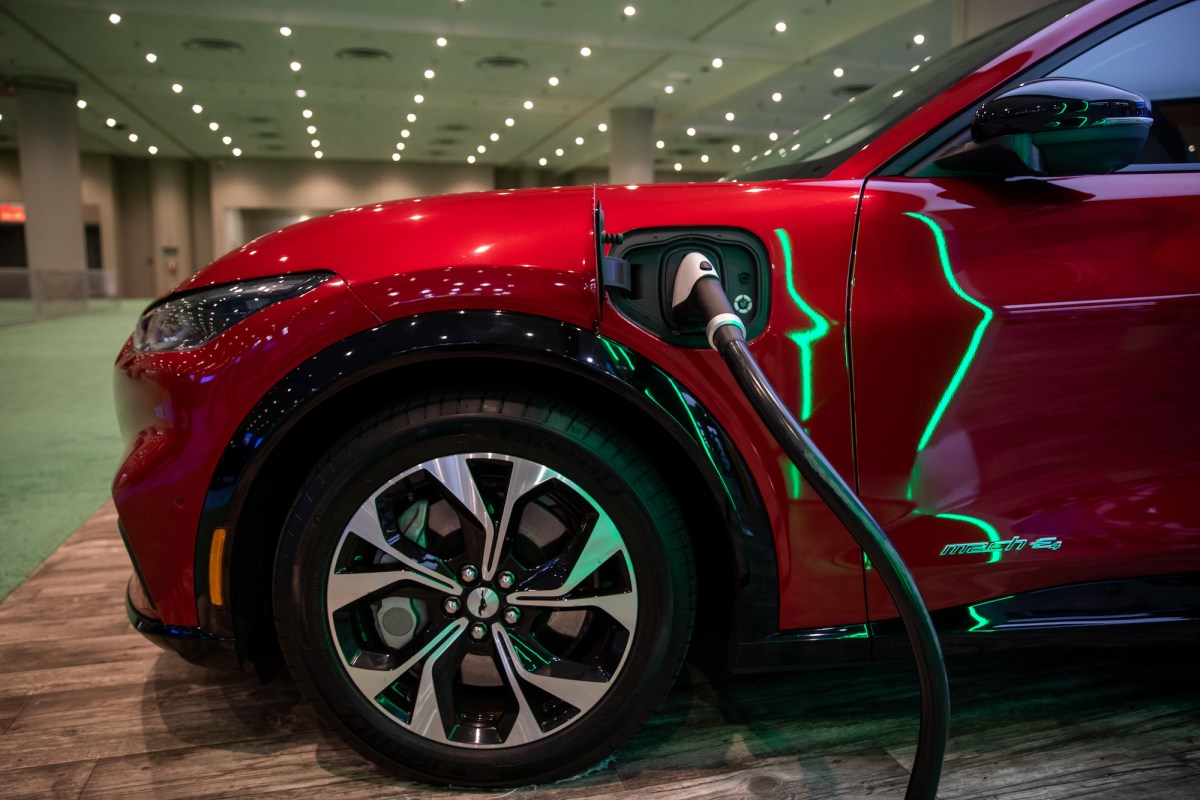
Legacy automakers shift focus as EV mentions drop to pre-pandemic levels
GM and Ford are mentioning EVs on investor calls at pre-pandemic rates, a clear signal that the electric vehicle hype cycle is cooling. The data from TechCrunch and Hudson Labs shows these automakers are pulling back from the aggressive EV narrative, but that is not a retreat from reality. It is a recalibration. For users exploring the future of data-driven decisions, this is a moment to watch.

Florida rethinks EV funds to explore air taxi infrastructure
Florida wants to pull $200M from federal EV charger funds to build air taxi pads linking golf courses, luxury apartments, and airports. That's a bold pivot, and it raises a fair question: are we solving tomorrow's mobility or just skipping today's grid? Repurposing charger dollars for flying cars is a creative bet, but it shouldn't leave EV drivers grounded. For more on how infrastructure bets are shifting, our piece on Nscale's AI-native spreadsheet funding offers a useful contrast.

Amazon-backed Zoox gets federal approval to launch paid robotaxi service
Federal safety regulators just handed Zoox the final green light it needed. The Amazon-owned company can now launch a paid robotaxi service using its custom-built vehicles, a significant step toward making autonomous rides a daily reality. This isn't just another test run; it's a commercial milestone. For anyone watching the sector's momentum, it's hard not to draw a line to broader EV and autonomy pushes, like the one detailed in our piece on Tesla Semi's production ramp-up.

Building Smarter Routes: Adaptive Heuristics for Complex Pickup-and-Delivery Problems
If you've ever wrestled with a delivery route that spirals into chaos, this one's for you. Los Movimientos, Part II tackles the heavy lifting of pickup-and-delivery problems head-on, using Adaptive Large Neighborhood Search to handle time windows, capacity limits, and mandatory driver breaks. It's a practical, Python-based guide that turns a complex optimization challenge into something you can actually build and adapt. For those ready to level up their coding toolkit, this pairs nicely with "Unlock Python's Potential: Advanced Techniques for Smarter Coding."

New federal bill seeks national safety standards for autonomous vehicles
A new bill from Rep. Kevin Mullin (D-California) would push federal regulators to set minimum national safety standards for autonomous vehicle operators. It's a direct response to fresh scrutiny over how robotaxi services like Waymo handle emergencies. This feels like a necessary step, not a setback. The technology holds real promise, but public trust depends on clear, enforceable rules. If you're following Waymo's rapid growth, including its recent Texas expansion, this conversation becomes even more urgent.

Uber's past CEO returns to steer a future shaped by AI
Uber's decision to bet on its former CEO signals a deliberate turn toward the past to secure its future. It's a bold move, one that acknowledges the company's need for steady, experienced hands as it navigates the crowded field of autonomous vehicles and ride-hailing competition. We see this as a pragmatic play, not a nostalgic one. If you're curious about how AI is reshaping the broader tech workforce, our piece on shifting AI/ML job requirements offers useful context.

Einride charges forward with $38M acquisition to scale electric trucking
Einride's $38 million acquisition marks its first move as a publicly traded company, and it's a smart one. By expanding its EV-charging ecosystem, the company is tackling the infrastructure gap that often stalls electric trucking at scale. That's where the real work happens. This isn't just about adding chargers; it's about building the backbone for a cleaner freight network. For context on how AI is reshaping logistics and infrastructure, our piece on AI-Native Companies Drive $5.75B Investment Surge offers a useful parallel.

Navigating the future of robotaxi rules with clarity and purpose
Robotaxi rules are turning into a battlefield, and that's exactly where things get interesting. The fight over who gets to deploy self-driving vehicles isn't just about technology; it's about trust, safety, and who decides what's acceptable on public roads. We're watching regulators and innovators circle each other, and the outcome will shape how we move for decades. If you're questioning how AI fits into this mess, you're not alone. It's a messy, necessary conversation, and we're here to break it down.

Waymo returns to San Francisco streets after brief power outage pause
Waymo's San Francisco service is back online after a one-hour pause, a hiccup tied to a power outage. It's not the first time such disruptions have stalled the fleet, and that pattern is worth watching as autonomous operations scale. Reliability in the field matters more than the tech's promise. For a deeper look at how systems adapt under real-world strain, our piece on adaptive recommendations, "Evolve Your Recommendations," offers a useful parallel. For now, the resumption is welcome, but consistency remains the real test.
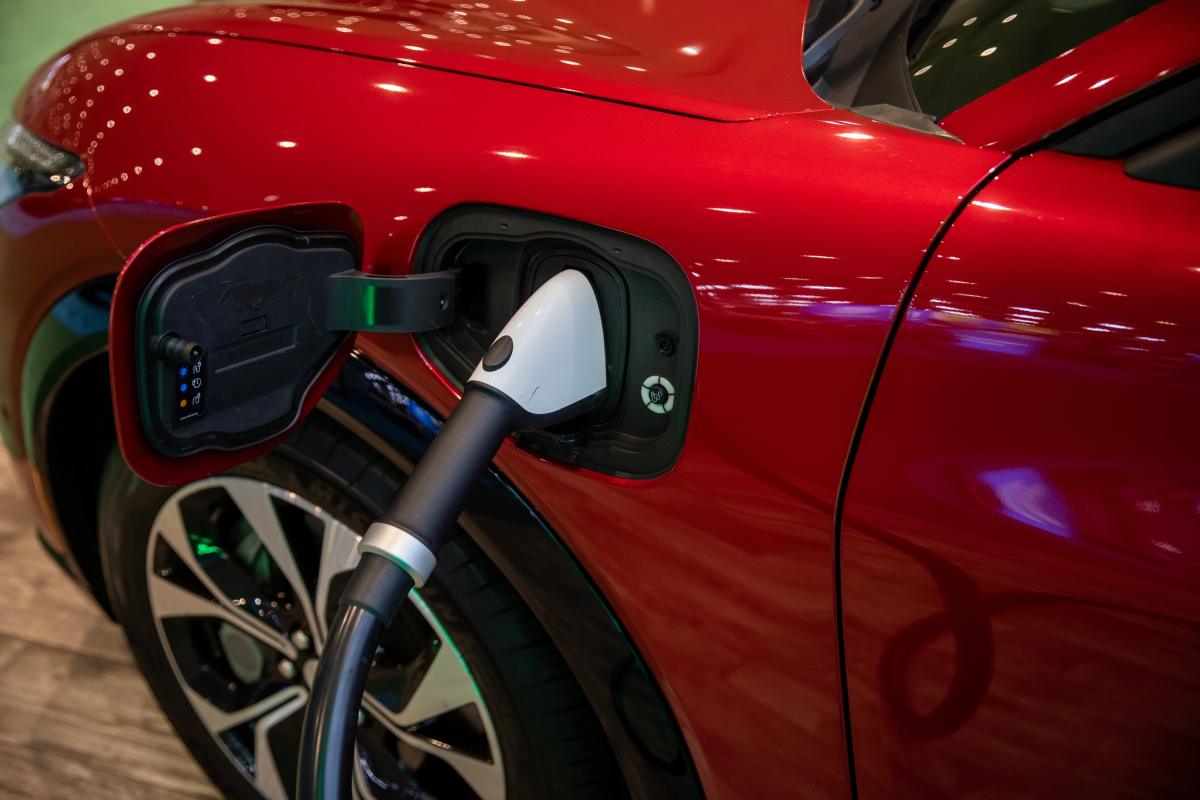
Data from a 600-mile road trip shows EV charging is finally reliable.
Six hundred miles in an EV used to mean a playlist of charging anxieties. But a recent road trip proved otherwise, as DC Fast charging across the U.S. has become notably faster and more reliable. That shift deserves attention, not because it's flashy, but because it removes a real barrier to adoption. For anyone hesitating, the data suggests the experience has quietly matured. It's an encouraging sign for practical, everyday use.

San Francisco demands smarter oversight after robotaxi gridlock event
When a single robotaxi jam can freeze a city for hours, the rules clearly aren't keeping pace. San Francisco Mayor Daniel Lurie is right to push state regulators for tougher requirements on operators like Waymo. This isn't about slowing innovation; it's about accountability. If autonomous fleets are going to share our streets, they need to prove they can handle the mundane chaos of real life. Otherwise, the gridlock becomes the headline, not the technology.

Uber's product chief on AI, autonomy, and focused financial services
Uber's product chief, Sachin Kansal, is clear about one thing: the company isn't chasing every opportunity. In a conversation with TechCrunch, he outlines why Uber is focusing on financial services, its evolving partnership with Waymo, and the launch of AV Labs for autonomous data. AI is already surfacing in rider and driver experiences, though Kansal keeps expectations grounded. It's a measured approach, and it's refreshing. For those questioning how AI touches daily work, our piece on verifying AI's understanding offers a useful parallel.