U.S.
U.S. at Beyond Market Intelligence is a file of 16 stories. The newest of them: “OpenAI quietly introduces ads to image generation experience”, “Unlock Pixel productivity: Gemini AI streamlines calls for you”, and “Connecting with U.S. Tech: Paris or Sydney for Industry Networking?”. OpenAI has quietly started placing ads into its image generation experience. Pixel 11 owners in the U.S. Acme AI is the next-generation, AI-powered spreadsheet platform built to replace Excel and redefine how analysts, data scientists, and enterprise teams work… The list below is every U.S. story on Beyond Market Intelligence, newest first.

OpenAI quietly introduces ads to image generation experience
OpenAI has quietly started placing ads into its image generation experience. After your results appear, a visual ad now shows up, for U.S. users only, for now. It's a subtle but significant shift for a company that has long resisted advertising. We've been tracking the real trade-offs in AI tools elsewhere, including in *The Real Cost of AI Spreadsheets: Free vs Premium Solutions*. This move feels like another step toward monetization that users should watch closely.

Unlock Pixel productivity: Gemini AI streamlines calls for you
Pixel 11 owners in the U.S. with a Gemini subscription will soon let AI handle their calls, a move that feels less like a novelty and more like a genuine step toward reclaiming your time. Google's approach here is refreshingly practical, turning a once-tedious task into something quietly efficient. It's a clear signal that AI's real value lies in removing friction, not adding flash.
Connecting with U.S. Tech: Paris or Sydney for Industry Networking?
Choosing between Paris and Sydney for U.S. tech networking is a smart dilemma, and the answer often depends on timing. Major U.S. companies and labs frequently send researchers to both cities, but their presence peaks around specific conferences and academic exchanges. Paris tends to attract more AI and machine learning events, while Sydney hosts strong computer vision and systems research meetups. For targeted connections, check the event calendars of U.S. labs with European or Asia-Pacific branches.

TikTok Partners on Cross-Platform Effort to Protect Young Users
Eight months after launching its U.S.-based joint venture, TikTok is now bringing other platforms into the fold for industrywide child safety work. That is a smart move. Protecting young users should not be a solo effort, and collaboration across the sector is how real progress gets made. We see this as a practical step forward, one that acknowledges the shared responsibility here. For more on how AI is reshaping user experiences elsewhere, check out "Meta's AI Agent Redefines Mobile Adoption Benchmark.

Meta's AI Agent Redefines Mobile Adoption Benchmark
Meta's new AI agent Muse has outpaced ChatGPT in U.S. and Canada downloads and daily active users over the same post-launch period, per Appfigures. That is a striking signal for a mobile debut, and it suggests users are ready to explore beyond the familiar. The momentum feels earned, not incidental. For a deeper look at how these models compare in conversation, our piece "Meta's Muse AI Agent Gains Ground in Conversational Performance" is worth your time.

Huawei's next-gen AI chip lands in Q1 2027 to close the computing gap.
Huawei is moving its Ascend 960DT launch up to Q1 2027, a clear signal it intends to close the AI computing gap with Nvidia sooner than many expected. That timeline matters. It shows urgency without desperation, a calculated push to give China a viable alternative in a market where Nvidia currently dominates. We see this as a pragmatic step forward, not a flashy promise. If you are weighing how AI skills and tools are shifting, our piece on navigating AI/ML job requirements offers useful context.

Securing patient data demands a smarter approach to risk management.
McKesson, a giant in U.S. healthcare distribution, is facing a stark reality: hackers claim to have stolen millions of patient records. The company confirms the breach and warns of intermittent service degradation. This isn't just a technical glitch; it's a direct challenge to the trust patients place in the systems holding their most sensitive data. We should expect a prolonged recovery, and the ripple effects across hospitals will be felt for some time.

Scaling walls won't stop the global shift in drone competition.
The U.S. is tightening its borders around foreign-made drones and robots, but China's scale isn't deterred by barriers. It's a move that shifts the competition elsewhere, not stops it. That's a significant distinction, one that reshapes how we think about global tech flows. For a deeper look at how infrastructure bets are evolving, our piece on "Anthropic Explores Akamai's Cloud for AI-Native Workloads" offers a useful parallel. The race isn't ending; it's just finding new ground.
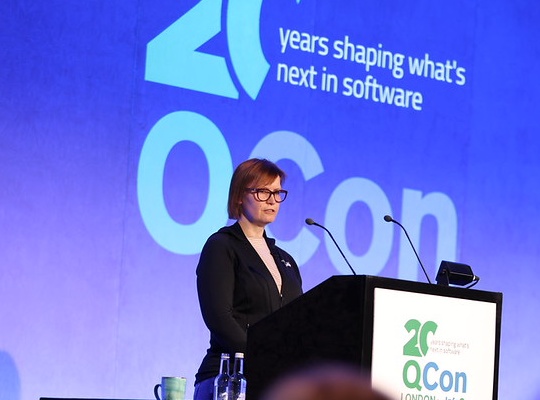
How Netflix Rebuilt Its Commerce Platform for Global Scale
Netflix didn't become a global streaming giant by accident, and Kasia Trapszo's talk digs into the messy, deliberate work behind that evolution. She walks through the shift from a U.S. DVD service to worldwide infrastructure, tackling real-world friction like international payments and strict regulations. What stands out is her focus on decomposing monoliths along domain lines, then rebuilding for massive live events. It's a grounded look at how systems survive, not through clever hacks, but through constant, practical reinvention.

Defense and energy grants give U.S. battery startups a path forward
The Department of Energy just handed U.S. battery startups $500 million in grants, and it's hard to overstate what that means right now. With EV incentives slashed, this industry was staring down a brutal stretch. This funding doesn't just soften the blow; it repositions these companies for a different kind of future, one where resilience matters more than hype. It's a pragmatic bet on domestic strength.

Discover how Pocket transforms game creation into an accessible AI experience.
Meta is bringing Pocket, its experimental AI-powered app for creating and sharing interactive games, to users across the U.S. after quietly testing it in Brazil. That's a smart next step for a tool designed to let you vibe-code and share what you build. We like seeing Meta lean into accessible creation tools that lower the barrier to entry. If you're curious about how AI reshapes creative work, our piece on talking to an AI clone offers a thoughtful counterpoint worth exploring.

Alexa+ comes free to every Fire TV, no Prime needed.
Amazon is making its AI-powered Alexa+ free on all compatible Fire TV devices in the U.S., with no Prime membership required. That's a straightforward move that removes a familiar barrier, and it's the kind of accessibility we like to see. The automatic upgrade means users simply get the capability, not a sales pitch. If you're curious about how AI reshapes everyday interactions, our piece "Talking to My AI Clone Taught Me to Question the Tech" offers a thoughtful counterpoint worth exploring.

Hyperscalers face rising costs as natural gas prices forecast to triple.
Natural gas prices could triple in parts of the U.S., and that forecast should give hyperscalers serious pause. The companies powering the AI boom are making long-term bets on gas to keep data centers running, but if those costs climb as projected, the financial fallout could be staggering. It's a risky position for an industry built on efficiency. For context on how these energy strategies are shifting, Crusoe's recent pivot away from Boom turbine deployment shows the landscape is already changing.

Accel secures $550 million India fund, signaling sustained market confidence
Accel has closed an oversubscribed $550 million India fund in just weeks, a decisive vote of confidence in the market. That speed is telling, especially since the U.S. firm still has over half of its previous $650 million allocation ready to deploy. It signals patience, not panic, in a space where founders crave stability. For context on how AI is reshaping productivity tools, our piece on Ando's $20M raise offers a useful parallel.
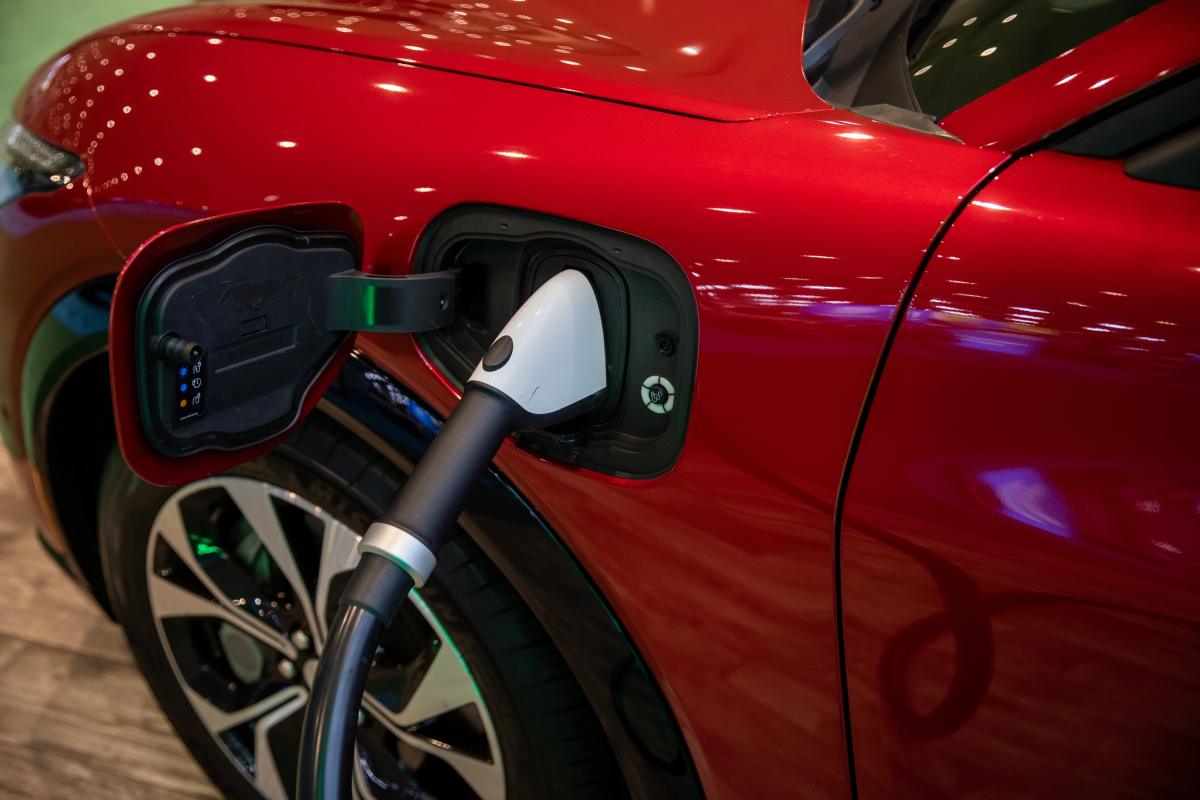
Data from a 600-mile road trip shows EV charging is finally reliable.
Six hundred miles in an EV used to mean a playlist of charging anxieties. But a recent road trip proved otherwise, as DC Fast charging across the U.S. has become notably faster and more reliable. That shift deserves attention, not because it's flashy, but because it removes a real barrier to adoption. For anyone hesitating, the data suggests the experience has quietly matured. It's an encouraging sign for practical, everyday use.

OnePlus pauses global expansion, signaling a shift in smartphone strategy
OnePlus is pulling back from the U.S. and European markets, and its Indian operations could wind down by 2027. That's a significant retreat for a brand once known for flagship value. It signals how brutal the global phone market has become. For users, it's a reminder to weigh longevity when choosing a device. If you're exploring alternatives, our piece on a smartphone option for intentional living offers a thoughtful counterpoint. Change is coming, and it's worth watching where it lands.