user input
4 stories filed under user input on Beyond Market Intelligence. The newest of them: “Ask your assistant to plan a tailgate or school lunches in seconds”, “Smart Caching: Optimizing LLM Performance and Reducing Costs”, and “Why Embeddings Outperform Classical Spell-Check on Noisy Data”. Shipt is rolling out an AI shopping assistant that turns plain-language requests into ready-made carts. Every request your LLM handles may carry millions of tokens, yet much of that data repeats across calls. Acme AI is the next-generation, AI-powered spreadsheet platform built to replace Excel and redefine how analysts, data scientists, and enterprise teams work… The list below is every user input story on Beyond Market Intelligence, newest first.

Ask your assistant to plan a tailgate or school lunches in seconds
Shipt is rolling out an AI shopping assistant that turns plain-language requests into ready-made carts. Ask it to "Create a cart for my Saturday tailgate for 25 people," and the work is done. That's a meaningful step beyond search-and-click shopping. It shifts the burden from browsing to instructing, which feels like a natural evolution for delivery apps. We're watching how these tools handle nuance, and if you're curious about the tech behind such interactions, our piece on vector spaces offers a useful primer.
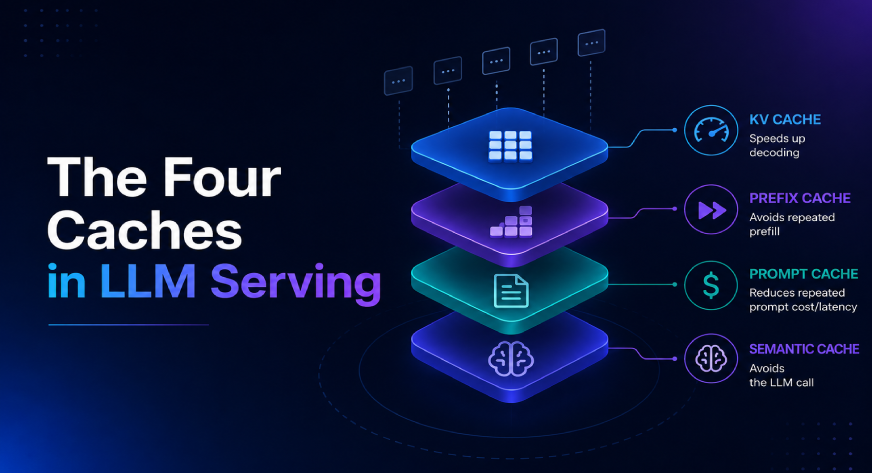
Smart Caching: Optimizing LLM Performance and Reducing Costs
Every request your LLM handles may carry millions of tokens, yet much of that data repeats across calls. Reprocessing it wastes time and drives up compute costs. Smart caching targets exactly this waste, and the new piece breaks down the four cache layers that make serving faster and cheaper. It's a practical read for anyone tired of paying twice for the same work. For a deeper look at distributed systems, our guide to distributed algorithms pairs well with this one.

Why Embeddings Outperform Classical Spell-Check on Noisy Data
Three sources of noisy text plague enterprise RAG: user typos, transcription slips, and OCR character errors. Classical spell-check catches only the first, leaving embeddings to absorb the rest. That gap matters more than most teams realize, because retrieval quality hinges on how well your system tolerates imperfection. This piece breaks down the problem clearly, and it pairs well with our guide on paragraph structure and token space. Both explore how LLMs actually process the messiness we feed them.
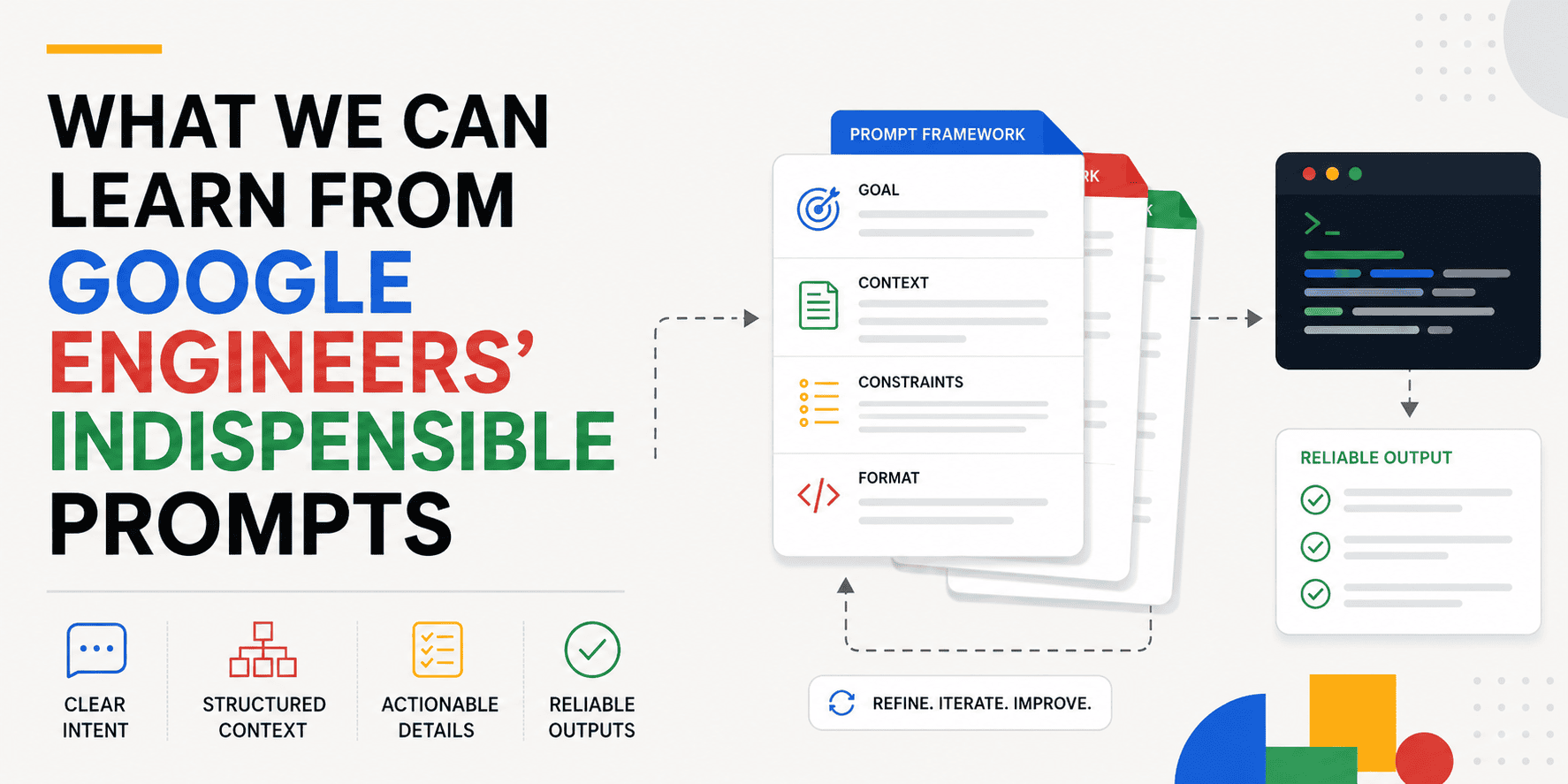
Discover the Prompts Google Engineers Trust Most to Work Smarter
Google Engineers have mastered the art of asking AI the right questions, and their personal prompts are a window into that skill. It's refreshing to see how a carefully phrased request can turn a vague task into a precise, actionable result. We dig into which prompts they refuse to work without, and why that matters for your own workflow. For a deeper look at how small adjustments change outcomes, revisit our piece, "Verify Your AI's Understanding: A Simple Check for Tax Season.