There is a quiet power in asking a professional to share their most trusted shortcut. When Google engineers were asked which prompt they refuse to work without, the answers likely reflect something deeper than preference. These are people who spend their days wrestling with complex systems, and their go-to prompts reveal a shared instinct: the need for clarity. It is not about finding a magic phrase. It is about understanding that a well-structured prompt is a form of thinking, a way to translate messy intent into precise action. This resonates with our own exploration of how we interact with AI, whether we are Verifying Your AI's Understanding: A Simple Check for Tax Season or navigating the shifting expectations in technical roles, as discussed in Navigating AI/ML Job Requirements: A Shift in Expected Skills.
What makes this question compelling is not the specific prompts themselves, but what they signal about the evolving relationship between humans and tools. The engineers are not looking for a way to automate their jobs. They are looking for a way to communicate more effectively with a system that takes them literally. This is a lesson that extends far beyond the keyboard. It speaks to a broader principle: the quality of what you get out is directly tied to the thought you put into what you say. For our readers, this is a reminder that the bottleneck is often not the technology, but the articulation of the problem. We have seen this theme before in our piece on Exploring Paragraph Structure: How LLMs Navigate Token Space, where the structure of a query can be as important as its content.
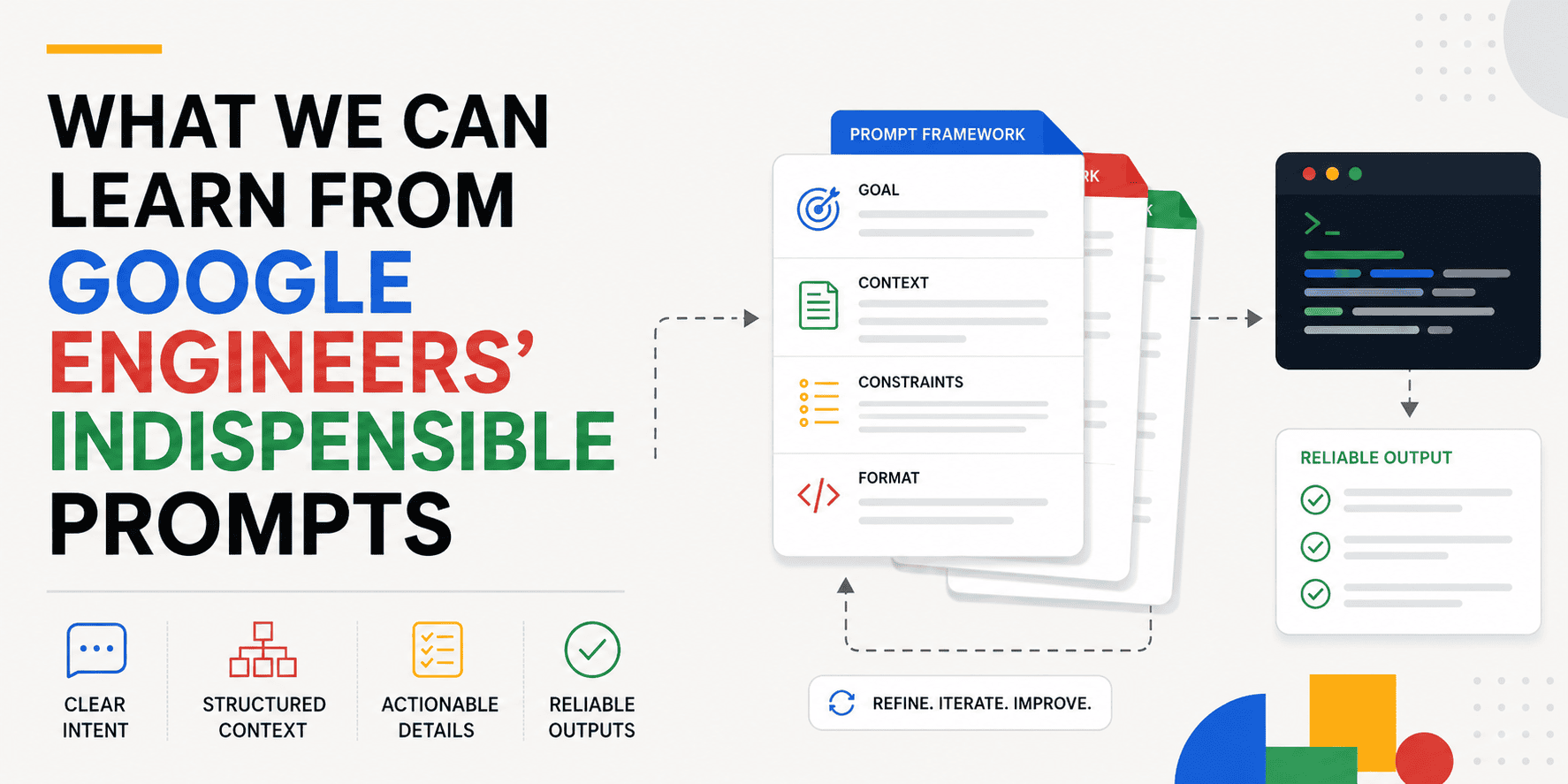
Our take is that this is not a call to memorize a list of superior prompts. It is an invitation to slow down and be intentional about what you ask for. The engineers' habits are less about a secret code and more about a disciplined approach to problem-solving. They force themselves to define the context, specify the constraints, and state the desired outcome. This is a transferable skill, and it is one that will only become more critical as AI becomes more embedded in our daily workflows. If you are feeling frustrated with the results you are getting from an AI tool, do not blame the model. Instead, ask yourself if you have been as clear about your needs as you could be. The prompt is not a barrier; it is the bridge. The most practical takeaway here is simple: before you type another question, pause and ask, "What am I really trying to solve?" The answer might surprise you, and it will almost certainly make your next interaction with AI more productive.