workforce
Beyond Market Intelligence keeps workforce in one place: 6 stories so far. The section currently leads with “How human-led teams can thrive with AI agents as collaborators”, “AI copilots put real-time guidance into construction workers' hands”, and “AI agents expand your workflow, not replace your role”. The next teammate on your startup's roster might not be human. When Eric Wu built Opendoor, he saw a broken system and rebuilt it. Acme AI is the next-generation, AI-powered spreadsheet platform built to replace Excel and redefine how analysts, data scientists, and enterprise teams work… The list below is every workforce story on Beyond Market Intelligence, newest first.

How human-led teams can thrive with AI agents as collaborators
The next teammate on your startup's roster might not be human. At TechCrunch Disrupt 2026, Gusto, Insight Partners, and Leland will break down how early-stage companies are building teams where humans and AI agents work side by side. The focus is practical: how do you do it without losing speed, accountability, or culture? That's the right question to ask. For more context on who else is shaping the conversation, check out our piece on Mark Wahlberg joining Disrupt to talk investing.

AI copilots put real-time guidance into construction workers' hands
When Eric Wu built Opendoor, he saw a broken system and rebuilt it. Now he's pointing that same instinct at construction's labor crunch. His new company, NavigateAI, emerged from stealth in May with AI copilots that give workers real-time, hands-free guidance through smartphones and Meta's AI glasses. Backed by $25 million from Elad Gil, Khosla Ventures, and Lennar, it's a practical bet on a workforce stretched thin. Data centers alone need 4,000 to 5,000 workers each. That's not a problem to admire.
AI agents expand your workflow, not replace your role
The narrative that AI agents are quietly absorbing our jobs misses what's actually happening. We're seeing more work, not less, as these tools take over the tedious parts and leave us with richer, more complex problems to solve. It's a shift in effort, not a reduction of it. If you're exploring how this infrastructure is being built, our piece on Anthropic's bet with Akamai's cloud offers useful context.
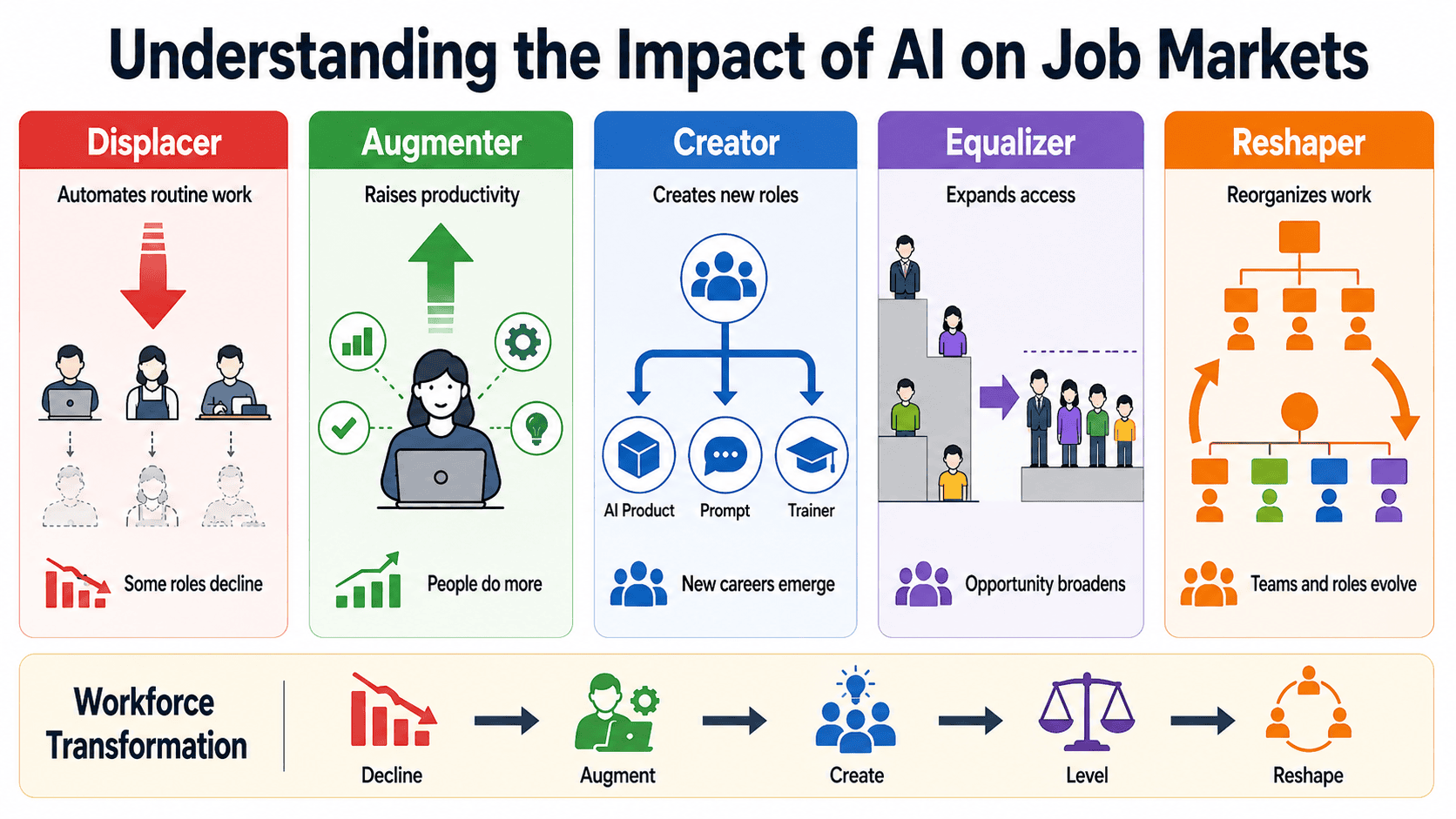
Five Ways AI Is Reshaping Work and Redefining Entry-Level Roles
The job market is shifting under our feet, and AI is the force nudging it along. From automating routine tasks to thinning out entry-level hiring, the change is tangible and, at times, uncomfortable. This isn't about doom-scrolling through predictions; it's about understanding five concrete ways work is being redefined. We explore what this means for your career, not just the economy. For a personal angle on this technology, our piece on talking to an AI clone offers a thought-provoking companion to the data.
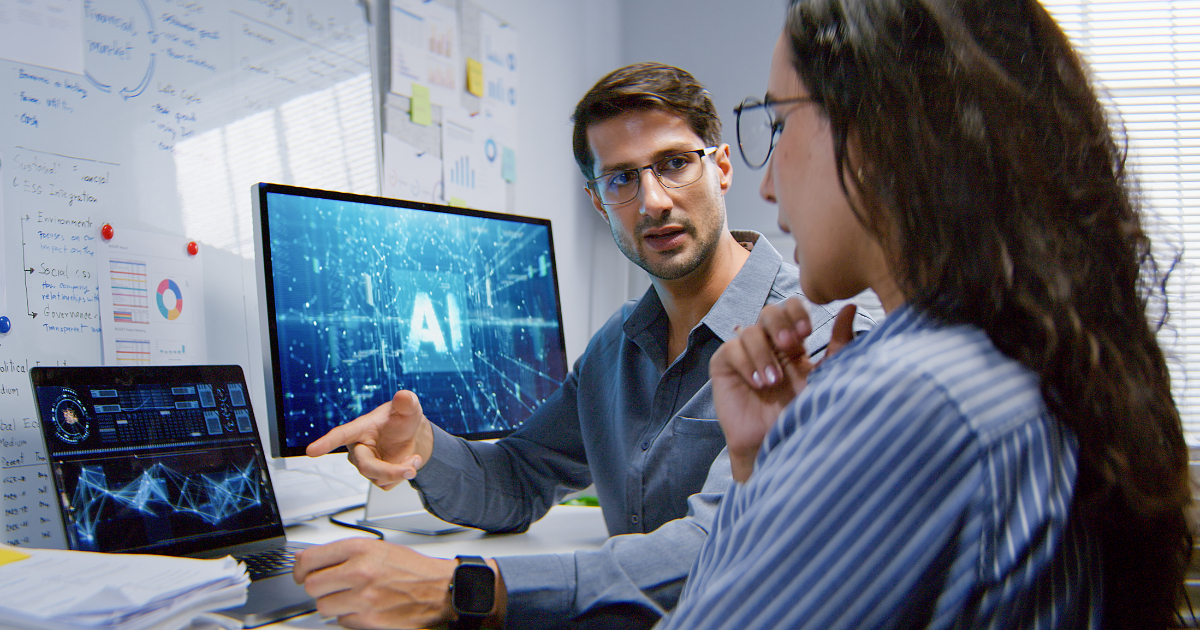
When AI flattens the learning curve, career growth demands a new map.
Alasdair Allan argues that AI is quietly reshaping career progression, not by replacing jobs outright, but by eating the middle. He points out that fewer junior developers are entering the industry, while AI tools let people perform above their experience level, skipping the learning that each rung once provided. That is a trade-off worth questioning. If you are curious about the stranger side of these tools, our piece "Talking to My AI Clone Taught Me to Question the Tech" offers a fitting companion.
Explore how career growth can thrive beyond the four-year job mark
Four years in, the work still fits, the PTO lands, and the industry feels stable. That should be enough, yet the urge to leave isn't about dissatisfaction, it's about the quiet fear of narrowing options. The callback rate proves competence, but it also hints at a trap: depth in one field can start to feel like a cage. The real question isn't whether to stay, but whether comfort is closing doors worth opening. Sometimes, exploring means questioning why you're looking in the first place.