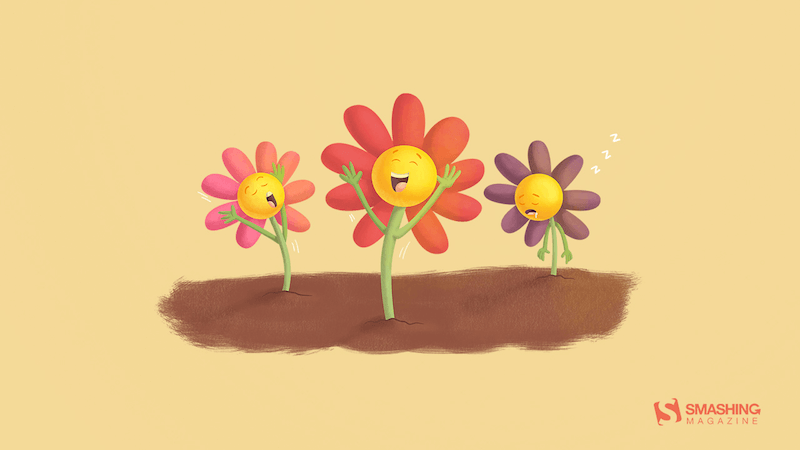
Spring wallpapers won't make you a better data analyst. But the thinking behind them, that your environment shapes your work, is exactly what we champion. Smashing Magazine's latest collection, designed by the community for the community, is a small but deliberate signal: the tools and spaces you use matter. We see this as a quiet challenge to the default passivity of most productivity advice. Instead of telling you to "work harder," these wallpapers invite you to make your workspace a place that actively supports your thinking.
What does this mean in practical terms? It means you can stop waiting for inspiration to strike and start shaping the conditions that let ideas surface. The wallpapers are not a gimmick. They are a practical acknowledgment that March is a natural point to turn plans into action, longer days, fresh energy, the momentum of a new season. For anyone who spends hours staring at a screen, a desktop image that feels intentional rather than random can serve as a subtle anchor. It reminds you that you have agency over your digital environment, just as you do over your physical one. This is not about aesthetics for their own sake. It is about reducing friction: fewer distractions, more cues that point toward the work you actually want to do.
We also appreciate that these wallpapers come from the community. That matters. It means the designs are not dictated by a marketing team's idea of "spring." They reflect real preferences, real creativity, and a shared sense of what feels energizing. In a world where software often treats users as passive consumers, this small gesture flips the script. It says: your taste, your workflow, your sense of what helps you focus is worth designing for. That is an attitude we wish more tool makers would adopt.
So here is our concrete suggestion: pick one of these wallpapers, install it today, and treat it as a test. Notice if your desktop feels less like a static background and more like a starting point. If it works, you have just learned something about how your environment influences your output. If it does not, you have learned that too. Either way, you are no longer just reacting to your tools, you are choosing them.