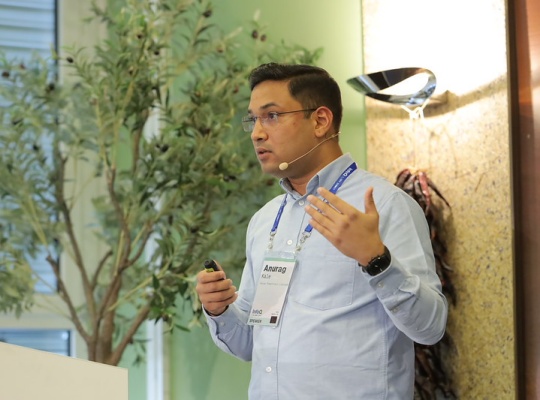
Anurag Kale's presentation on scaling analytics with Data Mesh at Horse Powertrain is a practical blueprint, not just another architecture pitch. It directly addresses the frustration many teams feel when central data teams become bottlenecks, slowing down the very analytics they are meant to accelerate. For organizations wrestling with data chaos, the four pillars he outlines, domain ownership, data as a product, self-serve platforms, and federated governance, offer a concrete path toward giving domain experts real control over their data.
The shift from a centralized model to a decentralized Data Mesh is not about discarding governance; it is about distributing it intelligently. Kale's emphasis on domain ownership means that the teams closest to the business problems, those who understand the data's context and quality, are the ones responsible for it. This is a human-centered move: it empowers engineers and analysts to treat their data as a product, complete with clear SLAs and discoverability, rather than as a byproduct of operations. The self-serve platform component is critical here, because without solid infrastructure, decentralization just creates new silos. Kale's approach pairs autonomy with platform engineering, ensuring that teams have the tools to publish and consume data without reinventing the wheel.
What stands out is the integration of Domain-Driven Design (DDD) into the analytics layer. This is not a theoretical exercise. By aligning data boundaries with business domains, Horse Powertrain is making data strategy a direct reflection of business goals. The federated governance pillar keeps things from descending into chaos: standards are set globally, but execution is local. This balance is what makes the architecture scalable. It avoids the trap of either rigid central control or total anarchy. For readers who have tried and failed with top-down data initiatives, Kale's story demonstrates that the answer lies in giving teams ownership while providing the platform and rules to make that ownership effective.
The concrete takeaway is this: start with one domain. Pick a team that has a clear business problem and give them the tools to own their data end-to-end. Build the self-serve platform incrementally, and let the federated governance emerge from those early successes. Data Mesh is not a product you buy; it is an organizational discipline you practice. Kale's experience at Horse Powertrain shows that when you align architecture with domain expertise, you move from data chaos to domain ownership, one domain at a time.