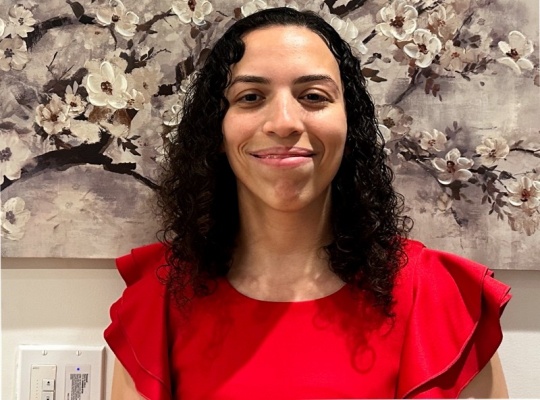
Lesley Cordero is right: the goal of platform engineering is not to build faster pipelines, but to make organizational sustainability possible. She frames the shift from reactive heroism to proactive stewardship as a leadership challenge, not just a technical one. That distinction matters, because it changes what we ask of the people building the platform.
The "pendulum of tension" she describes, between developer experience and reliability, is a tension every platform team lives with. Too much focus on developer velocity and reliability suffers; too much focus on reliability and developers feel blocked. Cordero's insight is that architectural patterns must solve for organizational complexity, not just technical complexity. This means the platform team's job is to absorb the messy, human-side friction that slows down delivery: unclear ownership, handoff delays, conflicting priorities. A platform that only optimizes code paths but ignores decision paths is still a source of friction. For readers building or leading platform teams, the practical takeaway is clear: measure what your platform removes from the human workflow, not just what it automates in the toolchain.
Cordero's leadership framework, moving from reactive heroism to proactive stewardship, is the most actionable part of her argument. Reactive heroism feels good. It's the engineer who stays up all night to fix a production incident, the team that scrambles to unblock a release. But it burns people out and creates knowledge silos. Proactive stewardship means designing systems and processes that prevent those heroics from being necessary. It means documenting decisions, building self-service capabilities, and investing in observability before the crisis. For organizations, this shift requires a cultural change: rewarding prevention over firefighting. For individual leaders, it means asking, "What would it take for my team to be bored most of the time?" Boredom, in this context, is a sign that the platform is doing its job.
The real challenge is that proactive stewardship is invisible. No one celebrates the outage that didn't happen. No one thanks the platform team for the dependency update that prevented a security vulnerability from being exploited. Cordero's framework gives leaders a vocabulary to make that invisible work visible and valued. If you are leading a platform initiative, start by auditing where your team's energy goes. If most of it goes to reactive firefighting, you are not building a platform, you are running a support desk. The goal is to shift that energy upstream, into design and automation, so that the organization can scale without scaling its heroics. That is the stewardship Cordero is talking about, and it is the only path to sustainable platform engineering.