India moves to give its instant payments network a business model
Our take
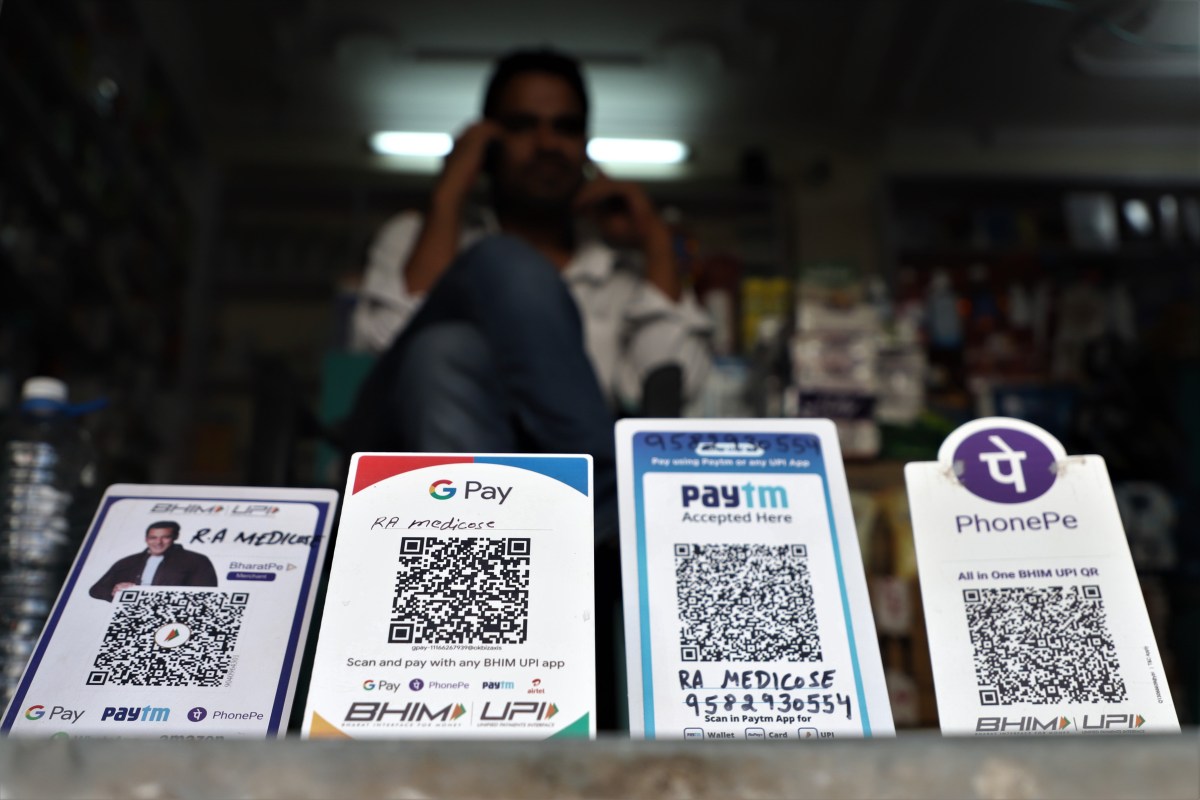
India’s move to potentially introduce a merchant discount rate (MDR) on its Unified Payments Interface (UPI) marks a significant inflection point in the evolution of digital payments, and one with implications far beyond the subcontinent. For years, UPI has operated under a zero-MDR regime, a key factor in its explosive adoption and the democratization of digital transactions across India. This success, however, has also created a simmering debate about the long-term sustainability of the system and the incentives for innovation within the payments ecosystem. The current legislation aims to address this, paving the way for a model where businesses might pay a fee for accepting UPI payments—a shift that echoes debates happening globally around the cost of digital commerce. It's worth noting this development alongside the broader trend of India’s app market maturing beyond just downloads, as seen in India is starting to pay for apps, not just download them, and the ongoing struggles of autonomous vehicle systems to meet safety standards, exemplified by the scrutiny faced by Waymo, detailed in Waymo, robotaxi operators face fresh scrutiny over emergency response failures.
The initial absence of MDRs was instrumental in UPI’s rapid growth, fostering widespread merchant adoption and encouraging consumers to embrace digital payments. It effectively bypassed the traditional banking fees that often hindered the adoption of card-based payments, particularly for smaller merchants. Now, the question is whether this model remains viable as UPI transaction volumes continue to soar. Introducing an MDR, even a small one, could generate substantial revenue that could be reinvested in the UPI infrastructure, fund innovation within the payments space, and incentivize competition among payment service providers. It's a balancing act, however. Too high an MDR could stifle growth and push merchants back towards cash transactions, undermining the very benefits UPI was designed to deliver. The success of this transition will depend on careful calibration and a transparent framework that ensures fairness for all stakeholders – merchants, banks, and payment processors. The experience is also relevant given the recent improvements in voice assistant technology, but the lingering questions about their real-world utility, as highlighted in Apple finally fixed Siri. So why does it feel anticlimactic?, suggests that even well-engineered systems need compelling incentives to truly thrive.
The broader significance of this development extends beyond India’s borders. UPI’s success has served as a model for other countries seeking to build their own real-time payment systems. India’s experience with MDRs – whether it leads to increased innovation or unintended consequences – will be closely watched by policymakers and businesses worldwide. Many nations are grappling with similar questions about how to balance the benefits of low-cost digital payments with the need to create a sustainable and competitive payments ecosystem. The Indian experiment offers valuable lessons about the trade-offs involved and the importance of considering the long-term implications of policy decisions. It also highlights the challenge of managing a system that has become deeply embedded in the daily lives of hundreds of millions of people, where any change, even a seemingly minor one, can have a significant impact.
Ultimately, the success of this legislative shift hinges on its execution. The Indian government will need to establish a clear and predictable regulatory framework that fosters competition and protects consumers while ensuring the financial viability of the UPI ecosystem. It’s a delicate balancing act, requiring careful consideration of the potential impact on merchants, consumers, and the broader payments landscape. A key question to watch will be how the MDR structure evolves—will it be a fixed rate, or will it be tiered based on transaction volume or merchant size? And perhaps most importantly, how will the generated revenue be utilized to further enhance the UPI platform and drive innovation in the digital payments space? The coming months will provide crucial insights into the future of India's digital payments revolution and its implications for the global financial landscape.
Read on the original site
Open the publisher's page for the full experience