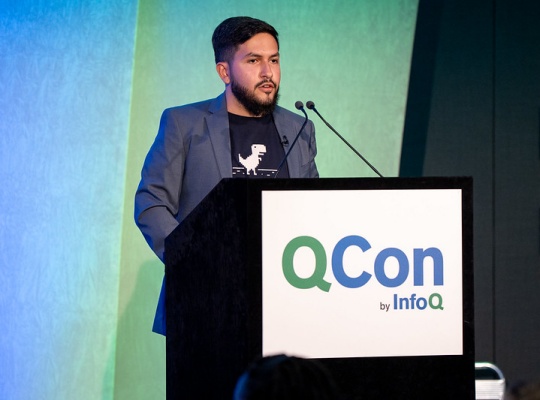
The most practical takeaway from Matheus Albuquerque's work is that modernizing a massive CX platform is not about a single dramatic rewrite. It is about engineering a sequence of deliberate, reversible steps that respect the reality of legacy constraints. He moved from React 15 and Webpack 1 to modern standards, and the real insight is not the destination but the method: using AST-based codemods to handle large-scale migrations without freezing development or asking teams to manually touch thousands of files. That is the kind of pragmatic leadership that actually ships.
For teams staring down a similar path, the lesson is direct. You do not need to convince every stakeholder that the old stack is broken. You need to show that incremental, automated change is possible. Codemods let you transform code mechanically, which means you can modernize at scale while keeping the system stable. Differential serving with module/nomodule adds another layer of intelligence, letting you ship modern JavaScript to capable browsers while still serving legacy bundles where required. That is not a compromise. It is a strategy that acknowledges the real world, where your users do not all live on the same browser version.
The decision to leverage Preact to shrink the footprint is equally telling. It is not about chasing the smallest possible bundle for bragging rights. It is about reducing the amount of code the browser has to parse and execute, which directly translates to faster load times and a better experience for users on lower-end devices. Albuquerque is not pretending that cutting-edge performance means ignoring the past. He is showing that you can balance both, but only if you treat performance as a set of engineering trade-offs, not a marketing slogan.
The takeaway for anyone managing a large platform is that modernization is a discipline, not an event. It requires tooling that automates the boring parts, a clear-eyed view of your browser support matrix, and the willingness to swap out heavy dependencies for lighter alternatives when the payoff is real. You do not have to wait for a greenfield project to adopt these ideas. Start with one codemod, measure the result, and build from there. That is how you move a giant system forward without pretending the old constraints do not exist.