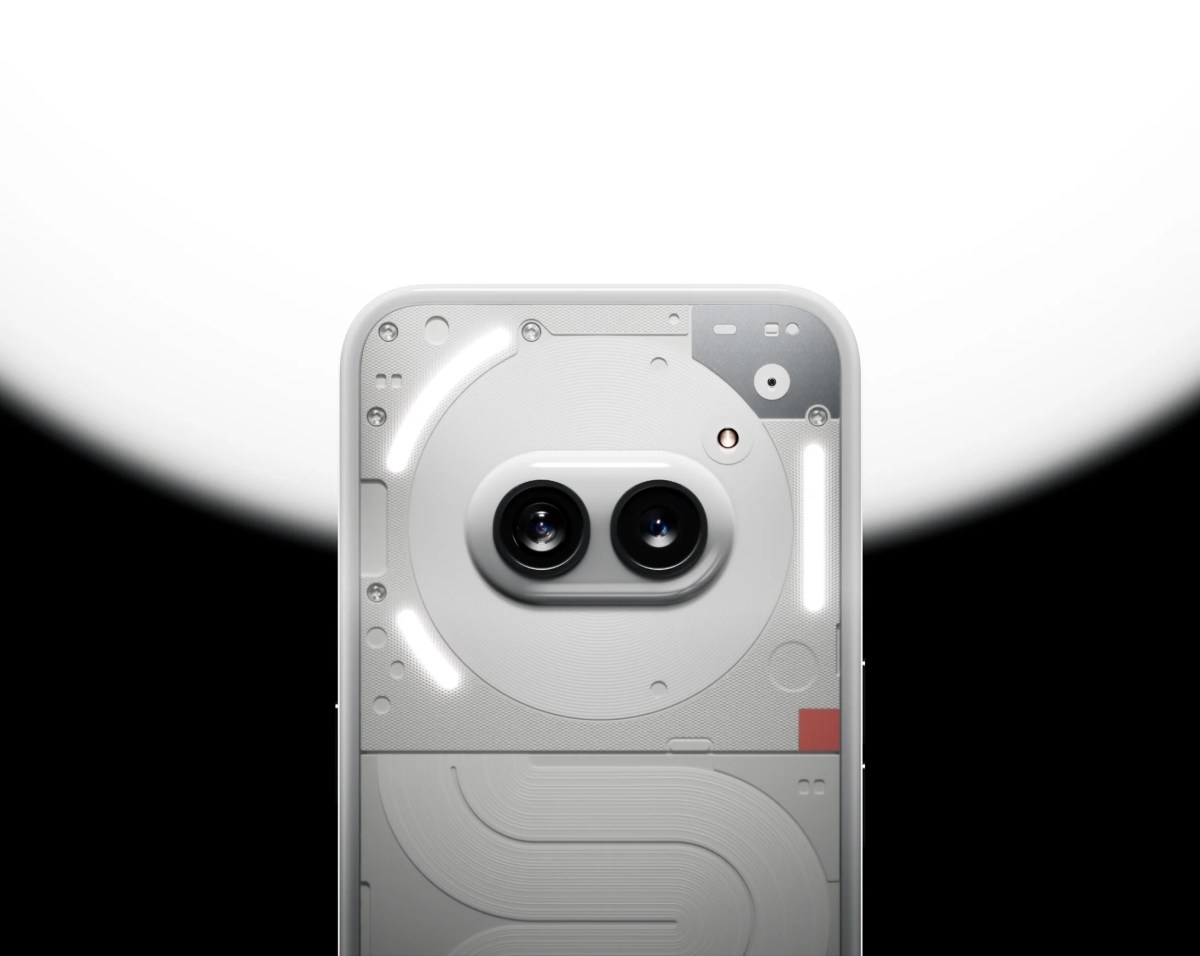
Nothing is preparing to turn AI into a practical productivity tool, and we think that's exactly the kind of focused ambition the industry needs right now. While the smartphone startup's CEO has kept the specific product under wraps, the stated goal, leveraging AI for genuine productivity gains, signals a welcome departure from the hype cycle that has defined much of the technology's recent rollout. This matters because too many AI features today feel like solutions in search of a problem, bolted onto existing products without clear user benefits. The company's approach, by contrast, suggests a deliberate focus on outcomes rather than capabilities.
The timing is telling. As AI political spending shaped the midterms with uneven results, the technology's practical value for everyday users remains an open question. Political campaigns poured millions into AI tools with mixed returns, demonstrating that even well-funded applications can struggle to deliver on their promise. Nothing's bet on productivity represents a more grounded path, one that prioritizes individual workflow improvements over sweeping institutional transformations. Similarly, Netflix's new AI tab turns your mood into a recommendation, offering a glimpse of how AI can simplify personal decisions. These examples share a common thread: they succeed when they reduce friction for the user, not when they dazzle with technical novelty.
For users who have grown skeptical of AI's grand promises, Nothing's strategy offers a refreshing alternative. The company is not claiming to reinvent productivity from scratch. Instead, it is aiming to make an existing tool, likely something familiar, like a spreadsheet or task manager, genuinely smarter. That distinction is critical. The most effective AI applications are often invisible, quietly handling repetitive work so users can focus on higher-level thinking. If Nothing can deliver on that premise, it will have accomplished something many larger companies have failed to achieve: making AI feel less like a feature and more like a natural extension of how people already work.
The specific question to watch is whether Nothing can avoid the trap of overcomplicating its product. The company's design ethos has always favored minimalism, and that restraint will be essential here. A productivity tool that requires users to learn new workflows or adapt to unconventional interfaces will undermine its own purpose. The bar is not innovation for its own sake; it is removing obstacles. If Nothing's device can make a common task, say, organizing data or scheduling work, feel effortless, it will have earned its place in a crowded market. If it cannot, it will join the growing list of AI experiments that looked good on paper but failed to change how people actually spend their time.