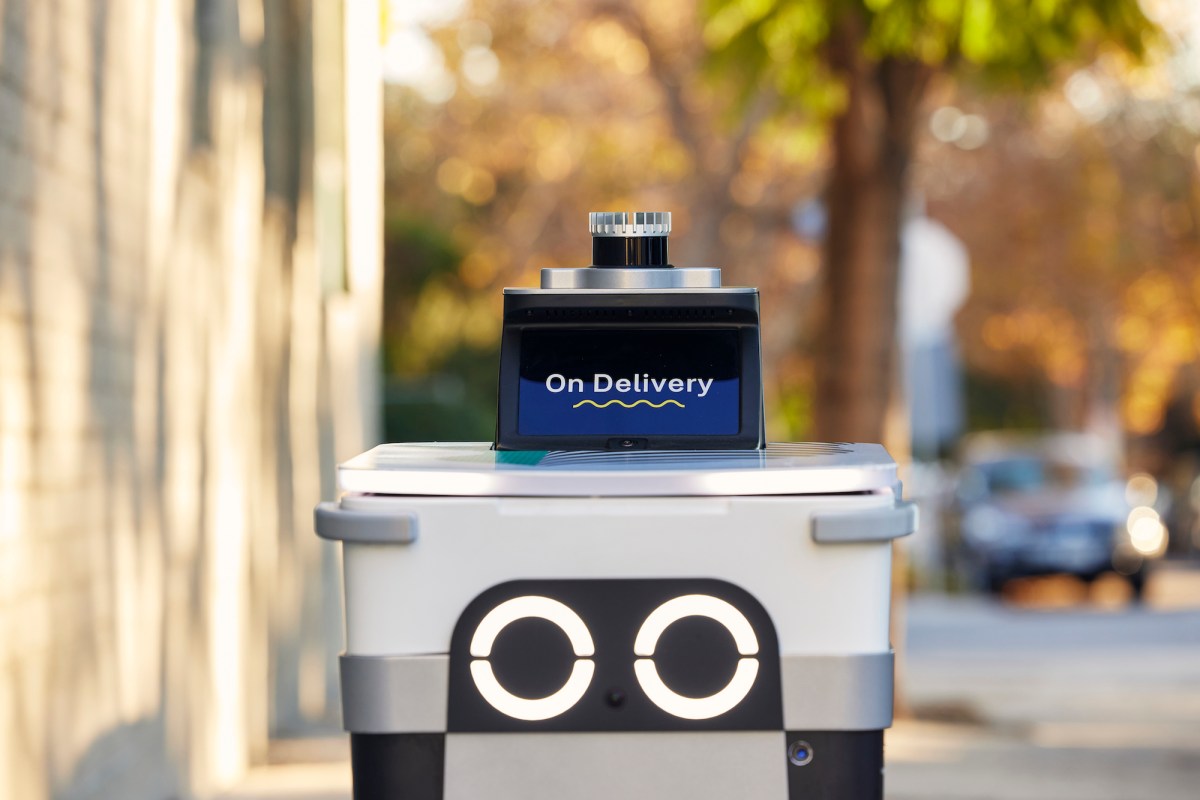
Serve Robotics is betting that the intelligence it built to run delivery robots is worth more than the delivery itself. The company announced alongside its third-quarter earnings that it will launch a new business line called Physical AI Services, offering customers access to its connectivity and data tools. This is a smart strategic pivot, and it signals something important for anyone watching how AI moves from screens into the physical world: the real value isn't in the robot, it's in the system that makes the robot useful.
For years, the narrative around autonomous delivery has focused on the hardware. How many packages can a robot carry? How fast can it navigate a sidewalk? Serve is effectively saying that question is becoming secondary. The harder problem, and the one with more applications, is building the reliable, real-time data pipeline that connects a fleet of machines to the cloud, to each other, and to the people who need them. By unbundling that infrastructure as a standalone service, Serve is positioning itself less as a delivery company and more as an operating system for physical automation. This is a move that reminds us of how an AI travel agent will reshape trip planning by 2027. In both cases, the platform behind the experience becomes the enduring asset, not the specific task it performs.
What makes this announcement worth paying attention to is what it implies about the maturity of the market. Serve is essentially admitting that the delivery business alone may not be the fastest path to scale. By opening its tools to other companies, presumably ones that want to deploy their own autonomous fleets or connect existing equipment without building the backend from scratch, Serve can grow its revenue without needing to put more robots on the street itself. It is a capital-light expansion strategy that prioritizes software margins over hardware volume. Meanwhile, TikTok Shop expanded beyond video with a dedicated shopping app, and Edits is now directly competing with CapCut through a desktop expansion. Each of these companies is extracting a core capability, commerce, editing, or connectivity, and turning it into a standalone product. Serve is doing the same with physical AI infrastructure.
The practical takeaway for anyone building or buying automation tools is straightforward: the next competitive advantage will not come from the machine you deploy, but from the data and connectivity layer that coordinates it. Serve is betting that other companies will pay for that layer rather than build it themselves. The open question is whether the market is ready to treat physical AI services as a utility, bought off the shelf, not custom-built. Watch how many non-delivery customers Serve signs in the next two quarters. That number will tell us if the infrastructure behind the robot is finally becoming the product.