When Pinterest Engineering reports a 96% reduction in Apache Spark out-of-memory failures, the instinct is to focus on the numbers. We think the real story is quieter and more instructive: the fix was not a single clever hack but a deliberate rethinking of how we treat memory as an operational concern rather than a configuration afterthought. This is the kind of work that rarely makes headlines, yet it is exactly what separates a stable data platform from a fire drill that runs every single day.
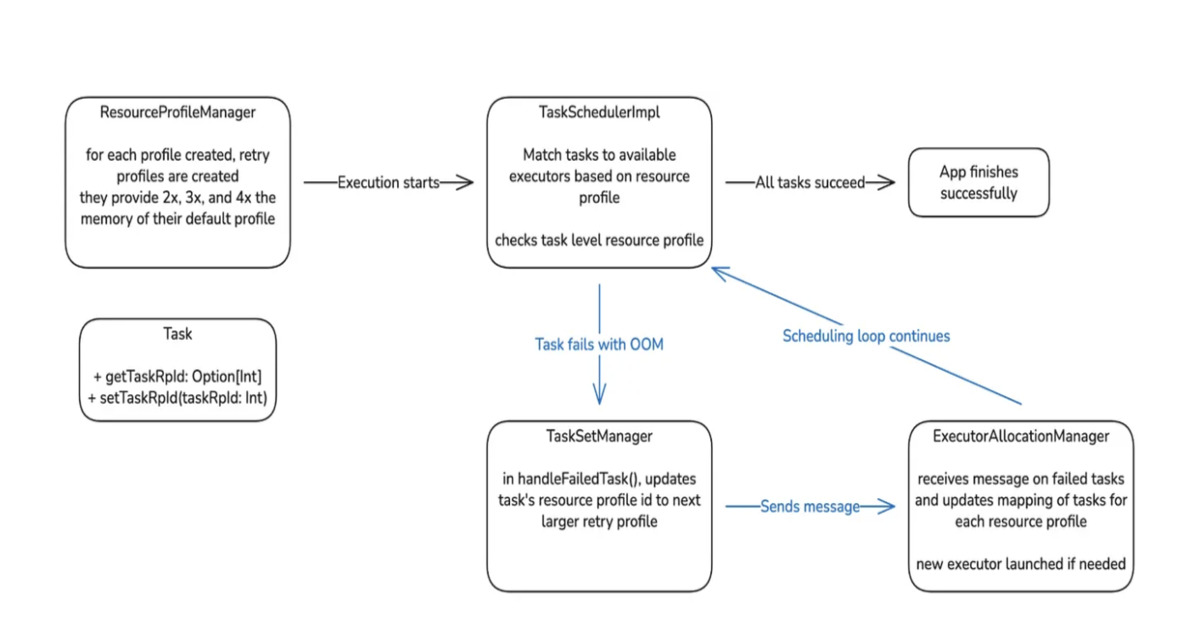
The practical lesson here is that observability is not a passive dashboard you glance at during an incident. Pinterest's team used improved visibility to see where memory was actually being consumed, then paired that insight with automatic retries and configuration tuning. The result was not just fewer crashes but a meaningful reduction in manual intervention across tens of thousands of daily jobs. For anyone running large-scale pipelines, this is the difference between babysitting workloads and letting them run. You cannot fix what you cannot see, and you certainly cannot automate a response to a problem you did not know existed until it took down a downstream table.
What stands out is the staged rollout and the willingness to make proactive memory adjustments part of the standard workflow. This is not about waiting for a job to fail and then bumping up the executor memory in a panic. It is about building a system that learns from patterns, anticipates pressure points, and retries intelligently when something does go sideways. The 96% figure is impressive, but the operational stability that comes from fewer interruptions is the real win. Teams stop waking up to alert pages and start trusting that the platform can absorb variability without human heroics.
The takeaway for engineers and platform leads is straightforward: stop treating memory as a static resource you allocate once and forget. Treat it as a dynamic variable that deserves continuous measurement, feedback loops, and a retry mechanism that assumes failure is possible but not fatal. Pinterest's approach is not flashy, and that is precisely why it works. It is repeatable, observable, and grounded in the daily reality of running data pipelines at scale. If you are still manually tuning Spark configs and hoping for the best, the path forward is not a bigger cluster. It is better visibility, smarter retries, and a willingness to let the system do the remembering for you.