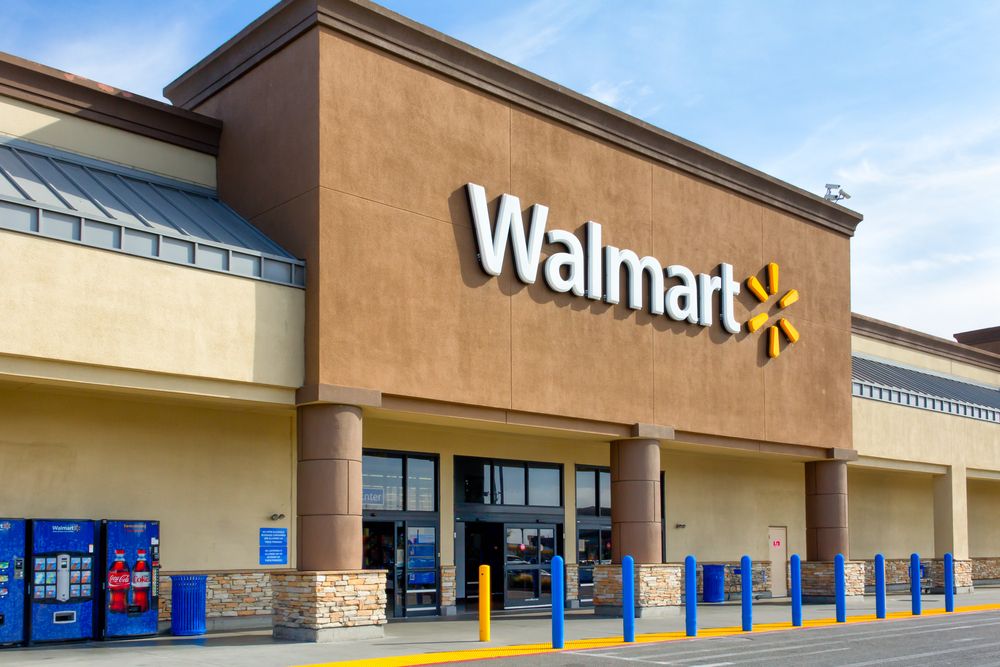
For years, watching Walmart hold the line on mobile payments felt less like strategy and more like stubbornness. The company had the scale, the traffic, and the shopper data to push its own wallet app, and it did, with mixed results. So when the news broke that Walmart will finally start accepting Apple Pay and Google Pay, the reaction is not shock so much as a quiet, knowing nod. This is not a surrender to the fintech elite; it is an acknowledgment that customer behavior has shifted faster than corporate policy. The checkout line is no longer a place where shoppers want to prove a point about loyalty. They want to move, and they want to move on their terms.
The practical impact for our readers is immediate and tangible. If you have been juggling a physical card, a rewards app, and a store-specific QR code, that friction is about to disappear. You will tap your phone, glance at your watch, and be done. For the millions of people who abandoned their wallets at home during the pandemic, this is not a convenience; it is a restoration of normalcy. And for those who never understood why Walmart resisted in the first place, the answer was always about control. The company wanted to own the transaction, the data, and the habit. What it failed to appreciate is that ownership feels different when it comes at the cost of a long line behind you. The market has spoken, and Walmart has listened, not because it wanted to, but because it had to. That distinction matters.
Our take is simple: this is a win for pragmatism over pride, and we should celebrate it without pretending it is a revolution. The real story here is not the technology; the technology has been ready for years. The story is about what happens when a retail giant realizes that its most valuable asset is not its app, but its relationship with the customer. By embracing Apple Pay and Google Pay, Walmart is effectively admitting that the future of checkout is not a single ecosystem, but an open door. For our readers, this means less time fumbling in your bag and more time getting on with your day. It also signals that other holdouts, from small chains to regional grocers, should take note. If Walmart can bend, no one is immune to the logic of the tap.
What we would tell a reader who asks for our honest take is this: do not expect this to change your shopping habits overnight, but do expect it to change your patience level. Once you start paying with a flick of your wrist, the idea of fishing for a card feels archaic. The open question is whether Walmart will now invest in making its own app more useful, or whether it will quietly let that project fade into the background. Watch that space, because the next battleground is not the terminal; it is the data that flows through it. For now, enjoy the convenience. You have earned it, and frankly, so has Walmart.