APIs
Beyond Market Intelligence keeps APIs in one place: 10 stories so far. The section currently leads with “Cloudflare's new CLI opens the door for AI agents to command its services”, “Explore Open-Source Tools That Give AI Agents Lasting Memory”, and “Exploring Real-World Computer Vision: Deployments, Edge Models, and Current Challenges”. Cloudflare's new open-beta CLI, called cf, is built for a future where AI agents work alongside developers. AI agents handle enormous context windows, yet they still forget everything once a session ends. Acme AI is the next-generation, AI-powered spreadsheet platform built to replace Excel and redefine how analysts, data scientists, and enterprise teams work… The list below is every APIs story on Beyond Market Intelligence, newest first.

Cloudflare's new CLI opens the door for AI agents to command its services
Cloudflare's new open-beta CLI, called cf, is built for a future where AI agents work alongside developers. Written in TypeScript, it offers structured output and command discovery that make Cloudflare's APIs more accessible. This is a practical step toward letting autonomous systems manage infrastructure directly. It also complements our coverage of an autonomous AI fleet probing Alibaba's map service, showing how agent-driven tools are reshaping what's possible in cloud operations.
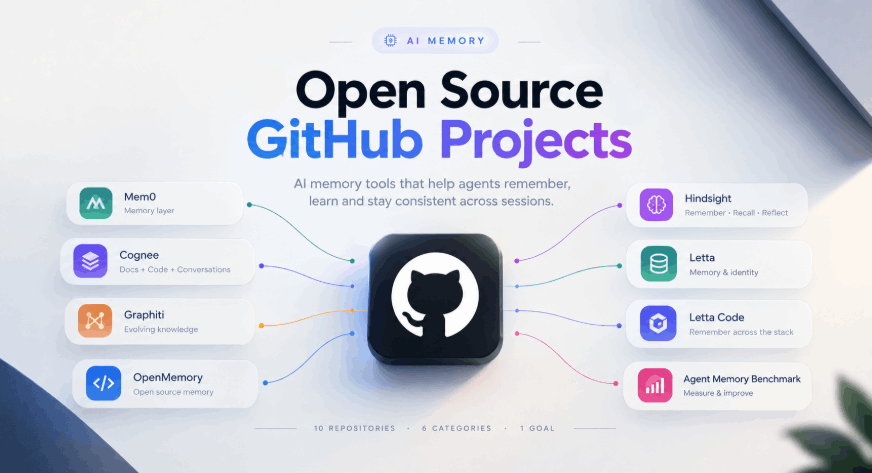
Explore Open-Source Tools That Give AI Agents Lasting Memory
AI agents handle enormous context windows, yet they still forget everything once a session ends. That gap is where memory systems step in, preserving facts, preferences, and task state so agents carry continuity across interactions. Open-source projects now tackle this through APIs, graphs, and portable state. We explore seven GitHub repositories that give AI lasting memory. For deeper context on how agents are evolving, our coverage of *Claude Sonnet 5.5* examines faster coding and smarter workflows.
Exploring Real-World Computer Vision: Deployments, Edge Models, and Current Challenges
A developer who built the food recognition model for MyFitnessPal is now asking a grounded question: what are people actually deploying in industry today? Edge models, self-hosted systems, or API calls? He wants to know what still hurts, the problems that cost time, blocked delivery, or demanded awkward workarounds. This isn't guesswork; it's a direct invitation to shape real tooling. For deeper context on how models like these evolve, our article "Explore the Forrester Function" examines the mathematical thinking behind machine learning optimization.
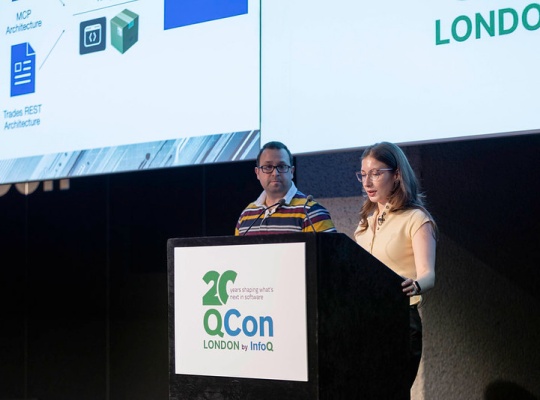
Scale AI Workflows: Modernizing APIs with Architecture as Code
Morgan Stanley is using Architecture as Code with CALM to modernize its API program, and the approach is worth your attention. Jim Gough and Andreea Niculcea show how integrating Model Context Protocol and Agent-to-Agent communications, paired with automated governance through deployment gates, makes scaling enterprise AI feel deliberate rather than chaotic. The zero-downtime upgrades are a practical win. If you are exploring how AI reshapes infrastructure, this pairs well with our piece on real-world computer vision deployments.

Dropbox's Riviera Platform Expands to Power AI Workflows at Scale
Dropbox has quietly turned Riviera into something far more useful than a file preview tool. The platform now processes over 300 formats and 100 transformation capabilities, handling hundreds of thousands of operations per second. That scale matters for teams feeding AI workflows that need reliable, asynchronous content extraction. Riviera's expansion into Search, Sign, and Dash shows a clear understanding of what modern data work demands. If you're navigating similar infrastructure decisions, our piece on real-world computer vision deployments offers practical context worth exploring.
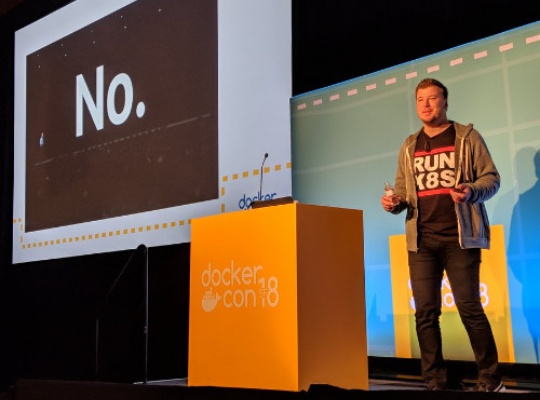
Secure Your AI Agents with Kernel-Level API Control
Your AI agents are generating code that no one owns, and that's a risk you can't ignore. Dan Finneran shows how eBPF can step in, intercepting API traffic at the kernel level to filter prompts, swap models, and enforce limits without touching your application code. It's a practical, transparent way to secure production systems. For more on questioning AI's output, our piece on verifying your AI's understanding offers a timely follow-up.

Meta opens AI access but keeps its most powerful model locked
Meta's new open-weight Glimmer model is a deliberate counterpunch to the idea that AI's future belongs behind closed doors. Zuckerberg's letter makes the case for accessibility, yet the contrast is stark: Glimmer is free to download, while the more capable Spark stays locked in Meta's APIs. That split raises a fair question about whether "for everyone" truly means what it sounds like.
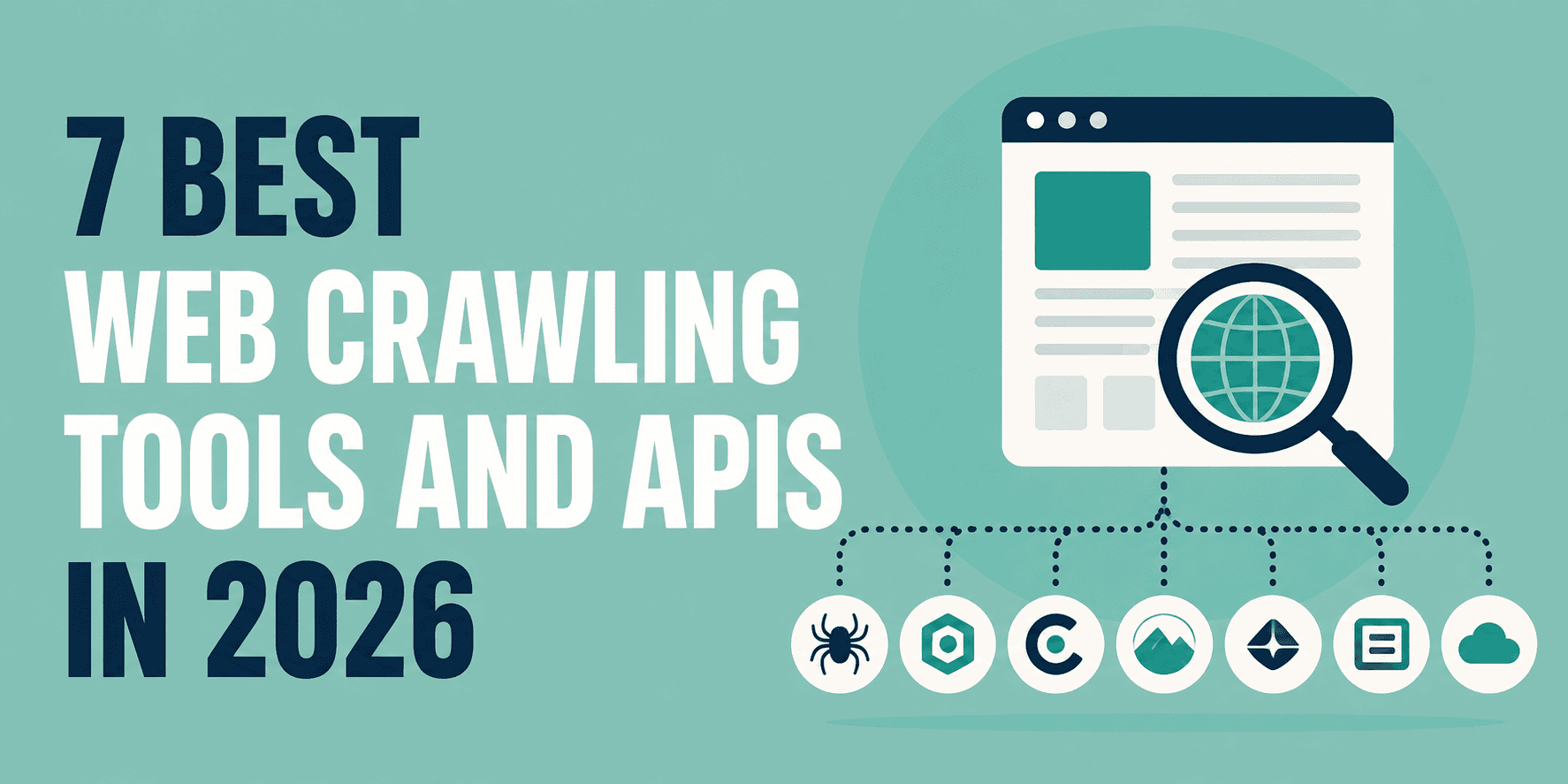
Explore smarter web crawling tools to empower your data workflows
Web crawling keeps getting smarter, and this roundup of the best tools and APIs for 2026 proves how far the field has come. It focuses on practical collection, clean data generation, and powering AI agents, which is exactly where the real value sits. For anyone tired of wrestling with messy scraped content, this guide cuts through the noise. If you are also curious about how these systems connect to broader AI workflows, our piece on bridging retrieval and action offers a useful follow-up.

Meta expands enterprise AI beyond agents into APIs and internal tools
Mark Zuckerberg sees Meta's enterprise opportunity as far bigger than selling AI agents. On the company's second-quarter earnings call, he pointed to a broad field spanning APIs, compute, and internal software. That is a smart read of the market. Businesses do not need one flashy tool; they need practical infrastructure that fits how they already work. If you want to question how far this technology should go, our piece "Talking to My AI Clone Taught Me to Question the Tech" offers a useful counterpoint.
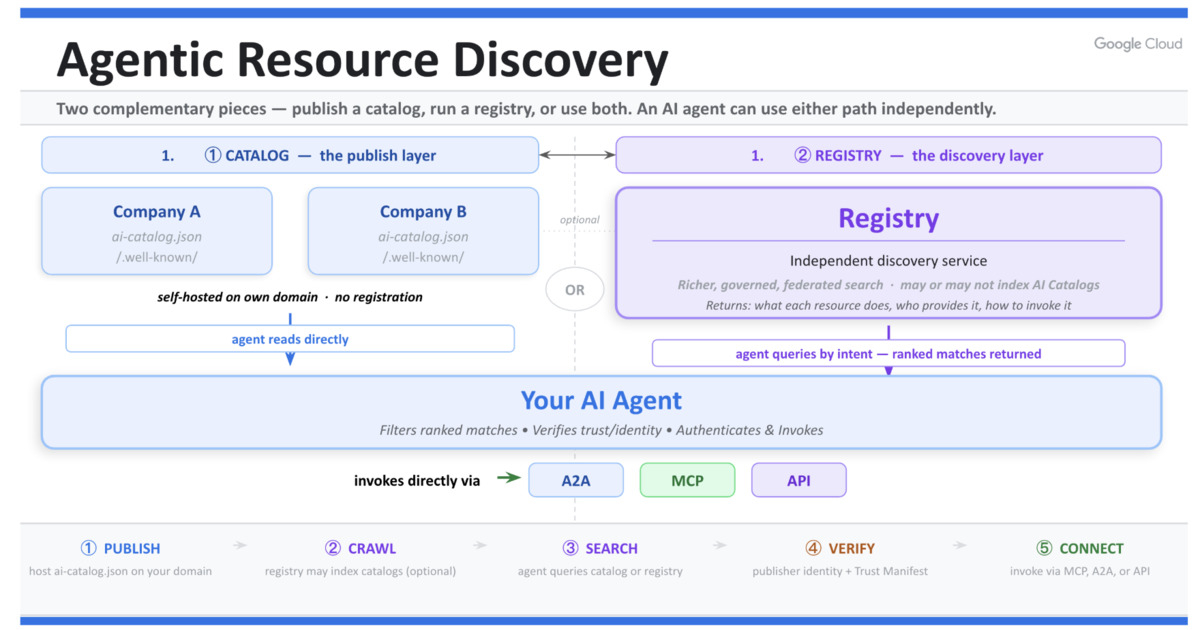
Explore how ARD makes AI tools discoverable and trustworthy.
The Agentic Resource Discovery Specification tackles a problem that has quietly slowed AI progress: tools and agents remain hard to find. Google and its partners are introducing an open standard built on catalogs and registries, which enables dynamic discovery while leaning on existing protocols like MCP and OpenAPI for execution. It is a practical move toward trust and interoperability. If you are still mapping out how MCP fits into your workflow, our visual guide to unlocking MCP is worth a look.