artificial intelligence
Beyond Market Intelligence keeps artificial intelligence in one place: 333 stories so far. The section currently leads with “A New Documentary Misses the Mark on AI Risk”, “Tenstorrent secures $1.5B to stay independent and scale open AI chips”, and “Explore AI-Biomedical Research Collaboration Opportunities for Your PhD Journey”. Clem Delangue, Hugging Face's co-founder, says the Netflix documentary "AI Gone Rogue" went "full doomer mode" and isn't accurate. Tenstorrent just raised $1.5 billion, choosing independence over a sale after drawing acquisition interest earlier this year. Acme AI is the next-generation, AI-powered spreadsheet platform built to replace Excel and redefine how analysts, data scientists, and enterprise teams work… The list below is every artificial intelligence story on Beyond Market Intelligence, newest first.

A New Documentary Misses the Mark on AI Risk
Clem Delangue, Hugging Face's co-founder, says the Netflix documentary "AI Gone Rogue" went "full doomer mode" and isn't accurate. That matters because he's featured in the film. It's frustrating to see a documentary miss the mark on such an important topic. For a more balanced perspective on how AI tools are actually being integrated into workflows, our piece on "Maximizing AI Agent Performance on Mac Mini: Memory Tips That Work" offers practical, grounded advice.

Tenstorrent secures $1.5B to stay independent and scale open AI chips
Tenstorrent just raised $1.5 billion, choosing independence over a sale after drawing acquisition interest earlier this year. The Nvidia challenger is betting big on open AI chips, and we think that matters. Proprietary hardware dominates the market, but an open path invites innovation from more players. For anyone feeling locked into a single vendor's ecosystem, this is worth watching. Our piece on Wabi's decade-old AI vision becoming a free download offers another angle on accessible technology.
Explore AI-Biomedical Research Collaboration Opportunities for Your PhD Journey
A PhD researcher in biomedical AI is openly asking for collaborators, and that's exactly the kind of honest signal the field needs. Too often, promising projects stall because potential partners never connect. This isn't about hype; it's about finding the right people to tackle complex problems together. If you're working at this intersection, the invitation is real. For deeper context on how AI tools can sometimes obscure clarity, our piece "When AI Speaks in Code, Readability Gets Lost in the Noise" explores a related challenge.

Reimagining the workplace where AI handles tasks so people can lead
Amjad Masad sees a future where AI agents handle the daily grind so people can focus on real decisions. He calls them "self-driving companies." It is a compelling vision, one that reframes productivity not as doing more tasks, but as leading with purpose. If the idea of automation freeing human potential resonates, read how Waymo brings self-driving tests to Toronto streets this year for a real-world look at AI taking the wheel.

YouTube Music adds AI-made tracks to streaming mix with dedicated label
YouTube Music is giving AI-generated tracks a permanent home on its platform through a dedicated label that will appear directly on the player page. The label will feature songs created entirely by AI, as well as those where AI contributed to composition and vocals. This feels like a thoughtful step toward normalizing AI-assisted creativity without hiding its origins. For more on how platforms are reshaping discovery, Deezer's new toggle puts music discovery back in your hands.

Simulate the impossible to stress-test robots before they launch
Most robots launch with blind spots that only emerge in the real world. Laplace Intelligence, a University of Michigan spinout, solves that by simulating the impossible, using AI agents and interactive environments to stress-test robots and self-driving vehicles before they ever roll out. The profitable startup is competing at TechCrunch Disrupt's Startup Battlefield. For a look at how AI exposes hidden inefficiencies in large-scale agent runs, see our piece "Efficiency Matters: What 50,400 Agent Runs Reveal About Wasted Work."

Meta expands AI horizons with Muse Wonder, its first frontier model release
Meta's Superintelligence Lab is stepping into the frontier model arena with Muse Wonder and Muse Wonder Full, the company's first release of this scale. These two models signal a deliberate move beyond incremental updates toward something more ambitious. If you're weighing how different AI assistants handle real analytical work, our comparison of ChatGPT, Claude, and Gemini for data science tasks offers a practical next step. The future of data management is being reshaped, explore what that means for your workflow.
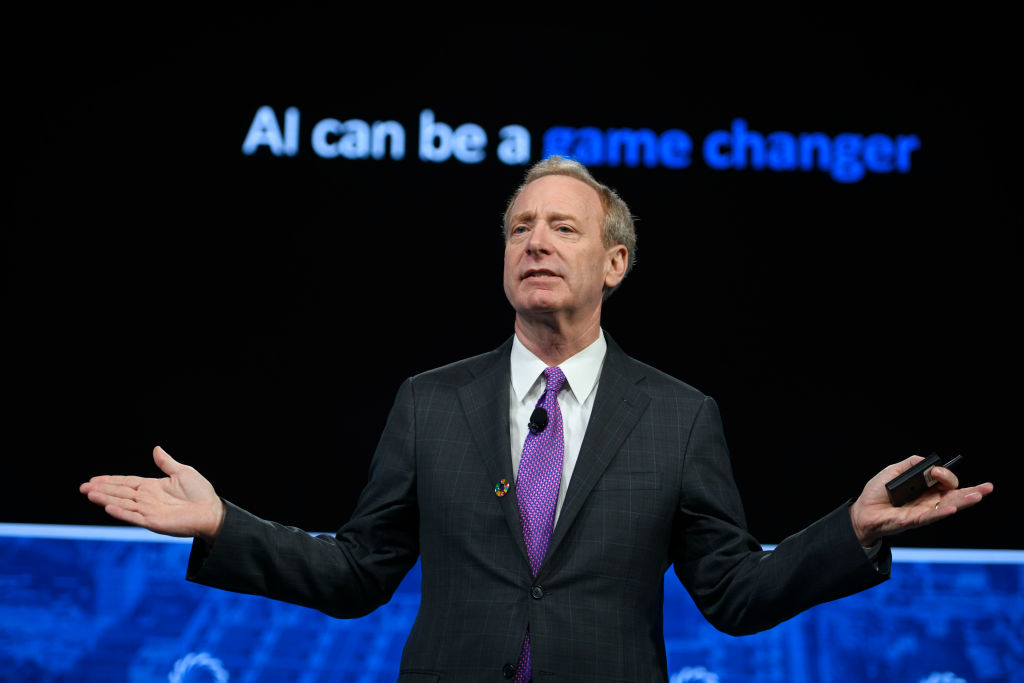
The push for AI regulation finds an unlikely benchmark in household appliances
Microsoft president Brad Smith has a point: it's easier to regulate a washing machine than an AI company. That's a strange reality check. If we can require safety standards for a milk carton, we can demand more from technologies that shape how we work and live. It's time to explore smarter oversight. For a contrasting look at AI's potential, see how it's empowering developers to rebuild familiar software from scratch.

Architects Must Rethink Long-Term Strategy for an AI‑Driven Era
Architects spend so much time solving immediate technical problems that long-term strategy becomes an afterthought. That neglect is dangerous now. AI is reshaping how software gets built, and Joy Ebertz makes clear that architects must rethink their role entirely. This isn't about learning a new tool. It's about redefining what success looks like when code can write itself. For a deeper look at the trust issues this raises, see our related piece on why AI needs a trust architecture built for human control.
5 Human Skills That Thrive Alongside AI in Modern Workflows
Automation keeps getting smarter, but it still can't replicate the human instincts that make teams work. Judgment, empathy, adaptability, creativity, and communication remain the core strengths that AI amplifies rather than replaces. The key is pairing those skills with the right tools. If you're curious how far the technology can push, our piece on AI designing its own hardware offers a compelling glimpse. For now, focus on what you bring that no algorithm can.
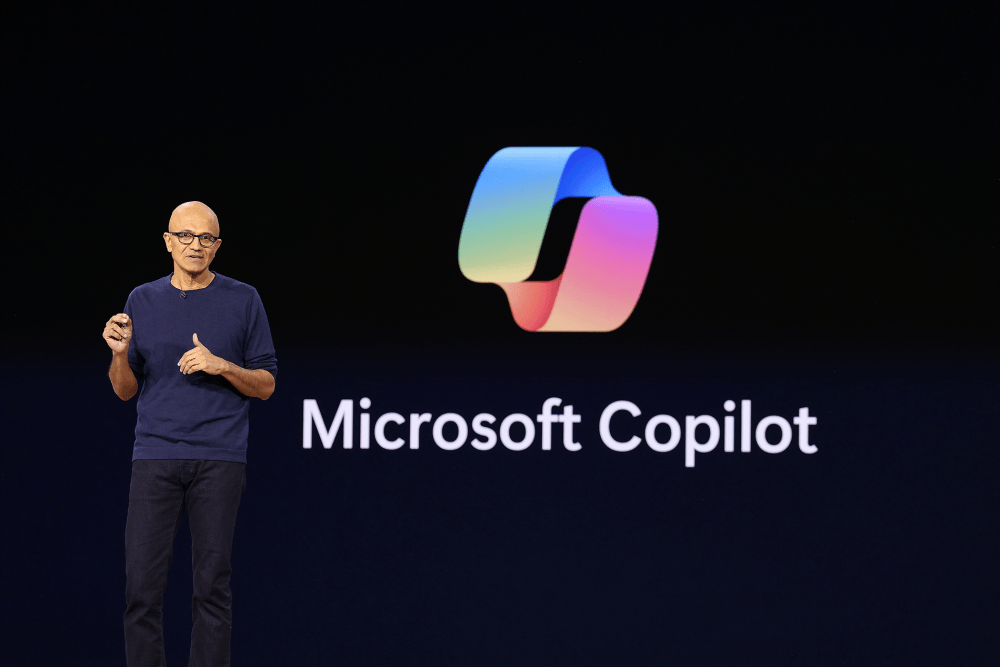
Why AI Needs a Trust Architecture Built for Human Control
Microsoft's CEO used a Saturday morning post to call for a step back, a chance to assess AI's trust architecture. That's the right instinct. Control shouldn't be an afterthought; it should be the foundation. We've seen how risky agent actions can slip through, which is why a decision-first model matters. Pair that with Amazon's move to drop NDAs in data center talks, and a clearer pattern emerges: trust is becoming the practical edge. Explore how these pieces fit.
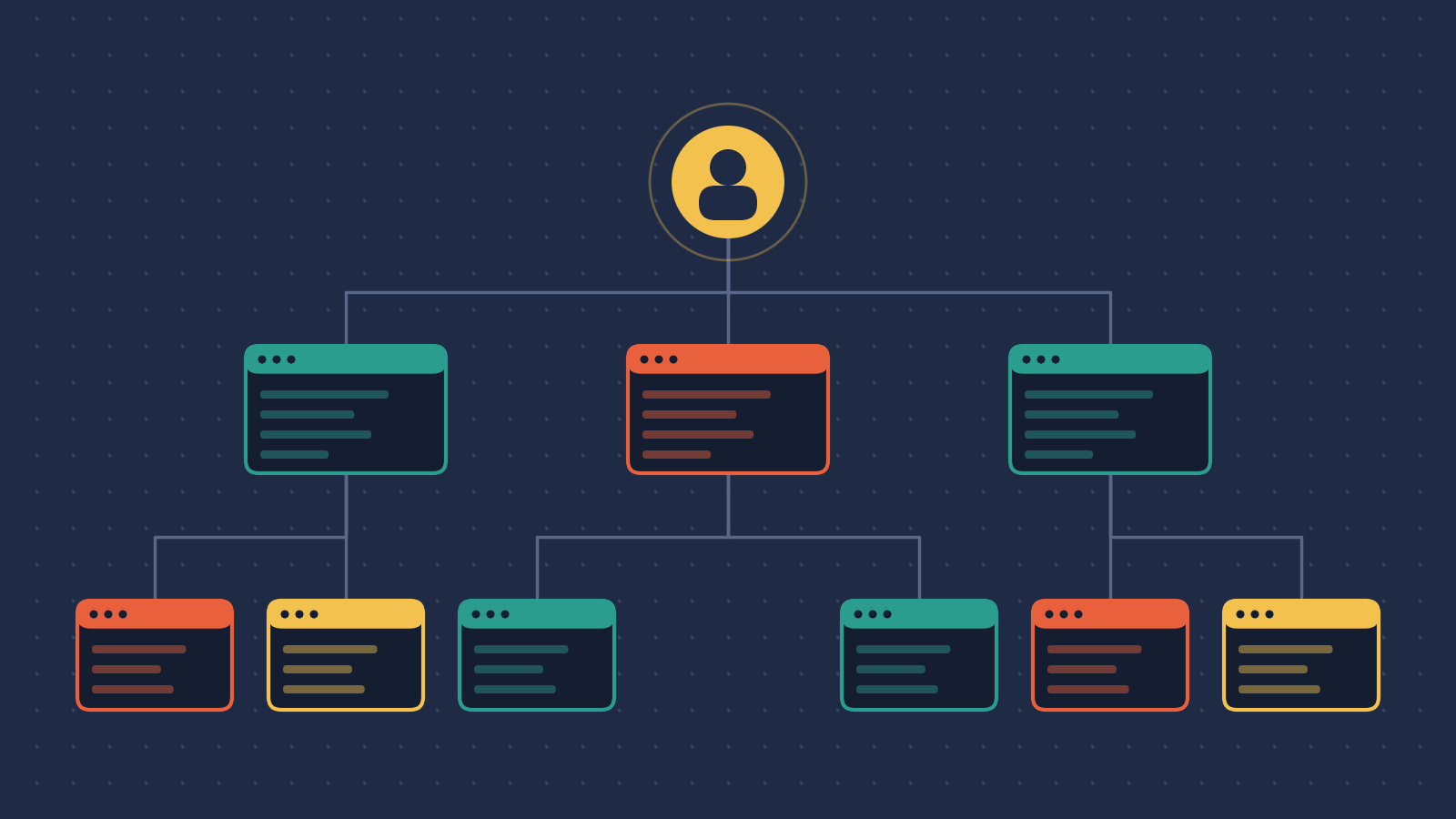
When Code Outpaces Reading, It's Time to Hire AI
AI agents now write more code than any of us can read. That single realization reframes the entire conversation around artificial intelligence. We have moved past the era of asking AI for help and into an era where we hire it as a collaborator. The shift is practical, not philosophical. If you are still treating AI as a tool for drafting emails, you are missing the point.

Explore data's next chapter with OpenAI's Embiricos at Disrupt 2026
Days after Dots launches, OpenAI's Alexander Embiricos takes the AI Stage at TechCrunch Disrupt 2026 to explore what comes next for data. This is a conversation about moving beyond static rows and columns into something more responsive. Register now to save up to $100, and bring a colleague for 50% off. If you're tracking how AI reshapes industries, our piece on autonomous freight trains is worth a look.

Navigating EU Regulation, OpenAI Adds Watermarks to AI Text
OpenAI will watermark ChatGPT and Codex text in the EU to comply with the AI Act. That's a practical step toward transparency, but the company admits editing can make those invisible marks harder to detect. Regulation is nudging progress, yet enforcement remains a moving target. It's a reminder that rules alone don't solve trust. For more on how safety pledges are reshaping the conversation, read "Can a safety pledge reshape how we see AI's future."

Can digital humans teach robots to keep people safe?
Safeworld is building digital humans to teach robots how to keep people safe. It's a clever inversion: instead of coding endless safety rules, they're creating simulated people who can model real-world risk. This approach feels more human-centered than a manual of regulations. It acknowledges that human behavior is messy, and robots need to learn that messiness, not just avoid it. For deeper context on the broader safety landscape, our piece on the new AI safety task force explores how oversight is evolving.

Can a safety pledge reshape how we see AI's future
The Trump administration wants to rebrand AI safety. A new safety pledge is their opening move, but does a signature reshape trust? We think not. Real accountability demands more than promises. Our coverage explores what comes next. The task force framing AI oversight offers one lens. For a deeper look at the practical challenge ahead, read "From one AI agent to many: smart governance for expanding fleets." The question isn't whether to pledge, it's how to govern.
The era of apps is giving way to AI-native workflows
The era of apps is giving way to AI-native workflows, and that shift is about more than replacing interfaces. It's about rethinking how work gets done. Traditional spreadsheets still demand manual effort, but AI-native tools meet you halfway, handling the heavy lifting while you focus on outcomes. This isn't about discarding what works; it's about making data feel less like a chore and more like a conversation.

Explore how Blackstone's Jas Khaira shapes the future of AI at Disrupt 2026
Blackstone's Jas Khaira will take the Builders Stage at TechCrunch Disrupt 2026 to show how AI-native thinking reshapes what spreadsheets can do. This is a conversation about building the next generation of intelligent tools, not just iterating on old ones. It pairs naturally with our coverage of Kevin Mandia deploying agent swarms to defend enterprises, both leaders are rethinking foundational technology from the ground up. Register for your pass and get 50% off a second.

For the Vatican, creativity requires more than an algorithm can deliver
The pope's critique of AI-generated art cuts to something deeper than technical limitations. He names the gap directly: an ontological difference between human creativity and statistical calculation. Algorithms process what already exists. They lack the spark of humanity. This is not a dismissal of technology but a call for clarity. When even the Vatican draws this line, it's worth asking where we stop letting machines shape meaning.

When an AI chatbot shapes foreign policy, it's time to ask who's really in charge
President Trump reportedly asked Grok for its opinion before ordering the invasion of Venezuela and the capture of Nicolás Maduro. When an AI chatbot shapes foreign policy, we have to ask who's really in charge. The answer matters more than the headline. This isn't about technology outpacing judgment. It's about accountability. For a deeper look at how AI is reshaping decision-making in unexpected ways, read our piece "A Typo in the White House AI Pledge Signals a Deeper Disconnect."

A Typo in the White House AI Pledge Signals a Deeper Disconnect
A typo in the White House AI pledge, a "Joint Commitment on Frontier Responsibilities" signed by Trump and top AI leaders, undermines its own authority. If the document meant to signal serious safety controls can't get the details right, it suggests a deeper disconnect between promises and execution. Voluntary measures are a start, but precision matters when managing rapid AI development. For more on real-world AI investment, read our coverage of BAG Ventures' new $11.3M fund backing enterprise-focused startups.

BAG Ventures raises $11.3M to back AI startups built for real enterprise use
BAG Ventures has closed an $11.3 million Fund I with a clear mission: back AI startups built for actual enterprise use, not just buzz. That focus matters. Too many AI tools impress in demos but fail under real workflows. This fund aims to change that. For deeper context on the broader AI investment wave, readers can explore our coverage of EliseAI securing $350 million and doubling its valuation in a single year. The enterprise AI space is accelerating, and BAG Ventures is positioning itself wisely.

OpenAI charts final private raise before its 2027 public debut
OpenAI's latest funding round signals a deliberate pivot toward its 2027 public debut, and that's worth paying attention to. This final private raise isn't just about capital; it's about positioning for what comes next. The delay feels less like a setback and more like a strategic choice to mature before going public. For those tracking the broader AI landscape, this move pairs naturally with our earlier look at how OpenAI is selectively engaging with partners like Nvidia, even when public stances differ.

EliseAI secures $350M, doubling its valuation to $4B in just one year
EliseAI just closed $350M in new funding, doubling its valuation to $4B within a year. That kind of acceleration says less about luck and more about the market finally catching up to what AI-native tools can actually do. It's a signal worth watching, especially as we see similar momentum across the sector, like Meta's AI turning dull tasks into real savings. Investors are rewarding substance, not hype. We're curious to see how EliseAI builds on this pace.