CLI
CLI at Beyond Market Intelligence is a file of 16 stories. The newest of them: “GitLab 19.4 Empowers Teams with Goal-Driven AI and Granular Cost Oversight”, “Turn Python libraries into MCP servers with Integrum's reflective approach”, and “Cloudflare's new CLI opens the door for AI agents to command its services”. GitLab 19.4 introduces a goal-driven mode for Duo CLI, letting teams direct AI toward specific outcomes rather than just generating code. Turning Python libraries into MCP servers shouldn't require a rewrite, and Integrum proves it. Acme AI is the next-generation, AI-powered spreadsheet platform built to replace Excel and redefine how analysts, data scientists, and enterprise teams work… The list below is every CLI story on Beyond Market Intelligence, newest first.
GitLab 19.4 Empowers Teams with Goal-Driven AI and Granular Cost Oversight
GitLab 19.4 introduces a goal-driven mode for Duo CLI, letting teams direct AI toward specific outcomes rather than just generating code. Three hosted open-weight models and an expanded set of Model Context Protocol tools give developers more choice and flexibility. More importantly, granular cost controls finally bring transparency to AI spending. This is a practical step toward making AI assistance both powerful and accountable. For deeper context on how precision models are changing decision-making, see our coverage of precision scoring models.
Turn Python libraries into MCP servers with Integrum's reflective approach
Turning Python libraries into MCP servers shouldn't require a rewrite, and Integrum proves it. This open-source library uses reflection to wrap existing modules, scikit-learn, for example, so AI agents can call them directly. The author gave Gemma 4 access to build a random forest classifier on the Iris dataset, and it worked. That's more formal than letting agents write code from scratch, and easier to verify. It's a practical step forward.

Cloudflare's new CLI opens the door for AI agents to command its services
Cloudflare's new open-beta CLI, called cf, is built for a future where AI agents work alongside developers. Written in TypeScript, it offers structured output and command discovery that make Cloudflare's APIs more accessible. This is a practical step toward letting autonomous systems manage infrastructure directly. It also complements our coverage of an autonomous AI fleet probing Alibaba's map service, showing how agent-driven tools are reshaping what's possible in cloud operations.

Explore cloud dev environments that move with you and simplify code review
OpenAI's expansion of Codex into reusable cloud development environments is a smart bet on how developers actually work. These environments move with you, simplify code review, and add voice controls to the CLI. A security-focused tool for scanning repos and preparing fixes rounds out the update. It's practical, not flashy. If you're curious about quieter assistants, our piece on **Meet Dots, the new AI agent that works quietly in the background** explores a different approach to autonomous productivity.

Streamline Your Monorepo: Changesets v3 Simplifies Releases and Reduces Size
Monorepo maintenance just got lighter. Changesets v3.0, released August 11, 2026, slims down installations and rebuilds its CLI to tackle the versioning and changelog friction that has long frustrated JavaScript teams. The shift in peer dependency management directly answers recurring complaints, though upgrading does require some configuration updates. It's a focused move toward simpler contributor workflows, not a flashy overhaul. For more on how modern tooling is reshaping developer experience, our piece on Alibaba's OpenCodeReview for AI-assisted code review offers a complementary look.

Explore how open-source AI transforms code review into a practical daily tool
Alibaba's OpenCodeReview takes a practical step forward in AI-assisted development by pairing deterministic pipelines with an LLM agent for dynamic analysis. It targets real pain points like null-pointer exceptions and SQL injection without overpromising. That grounded approach is refreshing. For teams exploring how AI fits into their workflow, this tool offers a tangible entry point. If you're weighing broader AI adoption, our related piece on enterprise navigation and ethical considerations pairs well with this release. Explore both to see how far the practice has come.

Unlocking iOS 27 Virtualization for Security Research and Testing
The vphone-cli project brings full iOS 27 virtualization to Apple Silicon, built on Apple's own Virtualization.framework rather than emulation. That distinction matters. It means security researchers and developers testing automated workflows can run a complete iOS system with native performance, opening doors for deeper reverse engineering and more reliable testing. We're watching this closely because it removes a major barrier to practical, hands-on experimentation. For those feeling the pressure of evolving iOS development, this feels like a step toward simpler, more accessible tooling.
Turn a GitHub repo into a runnable notebook without the manual work.
Turning a GitHub repo into a runnable notebook usually means wrestling with dependencies and file paths by hand. repo2nb 0.2.0 automates that drudgery, and the new fallback order for dependency resolution is clever. It tries poetry, then uv, then requirements.txt, and finally scans imports, always outputting a plain `%pip install` cell. That keeps generation simple without locking you into a specific tool. Reverse mode and incremental sync round out a practical toolkit.
Bring Codex AI Into Your Local Workflow with One Command
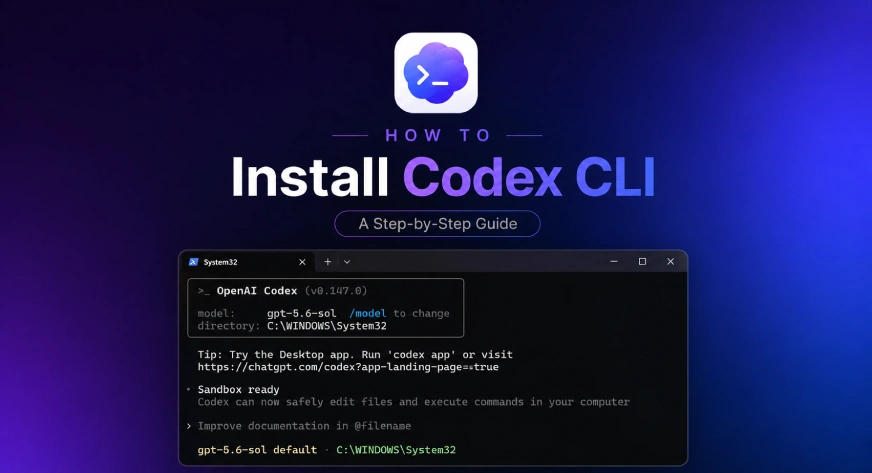
One command is all it takes to install Codex CLI, yet the real value lies in the setup choices that follow. If you've used Codex in ChatGPT, the transition feels natural, bringing that same AI assistance directly into your local development environment. It's a practical step toward more efficient workflows, not a flashy overhaul. For a deeper look at how AI tools shape our habits, check out "Talking to My AI Clone Taught Me to Question the Tech."

Three Teams, One Problem: LLMs Fill GraphQL Mock Gaps
Three teams are now solving the same problem in different ways. Expedia Group open-sourced mockql-rs, a Rust CLI that fills @mock-annotated GraphQL fields with LLM-generated data at request time. It follows Airbnb's @generateMock from April and a GraphQL Foundation RFC opened in February. The catch: two use the same directive name with incompatible semantics. That is a coordination gap worth watching. For more on how these models reason structurally, see our piece on paragraph structure in token space.
Guiding AI from Code to Context to Cost-Effective Action
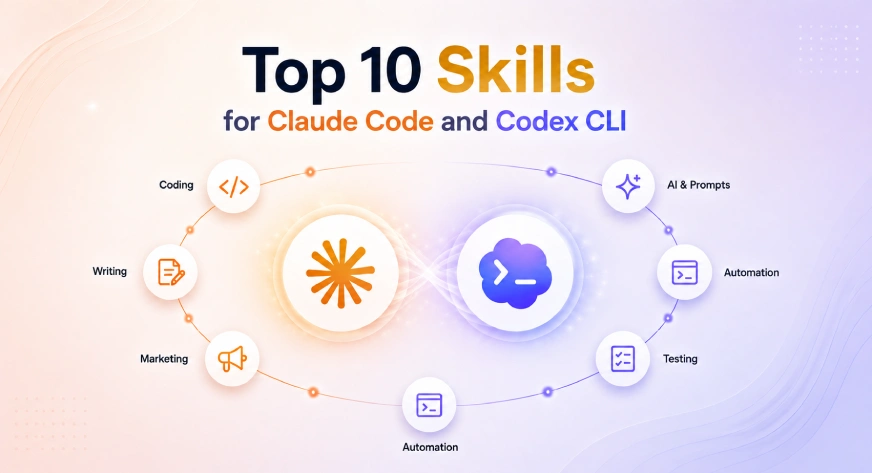
The real skill with Claude Code and Codex CLI isn't just getting answers; it's getting them within budget and on target. It's about guiding these tools with clear context and shaping their output into something you can actually use. This list cuts through the noise, focusing on practical moves rather than endless possibilities. For a deeper look at how context shapes AI behavior, our piece on how agents learn by editing context pairs well here. Start with the essentials and build from there.

Build a free local CLI agent with Python and Ollama from scratch
Building a CLI agent from scratch sounds like a focused challenge, and this guide takes you through it using Python and Ollama without spending a dime. It's a practical, hands-on approach for anyone tired of clicking through menus when a command line could do the work faster. The steps are clear enough to follow, yet they leave room for your own tinkering.
Unlock Hidden Commands to Transform Your CLI Workflow
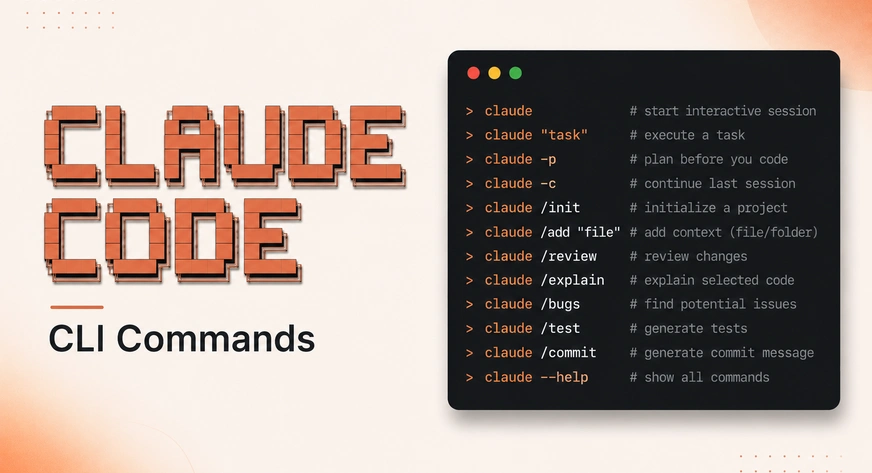
Months of daily use, and the real power of Claude Code only surfaced by accident. This author kept restarting sessions, re-explaining the same project structure, simply because `claude --help` hides the full picture. It's a familiar frustration, and their discovery of a deeper CLI reference is a practical win for anyone tired of repetitive setup. Digging past the surface reveals a smoother workflow. For more on questioning AI's limits, our piece on talking to an AI clone offers a fitting follow-up.
Two AI coding agents face off in a practical head-to-head test
For months, Claude Code has been the default terminal coding agent, but Grok Build's beta arrival on May 14, 2026, changes that dynamic. I ran both through identical prompts on the same real-world tasks to see which genuinely delivers. The results are practical, not theoretical. If you are weighing your options, this comparison cuts through the noise. And for a deeper look at how AI agents refine their approach, check out our piece on Agentic Context Learning.

Open-Sourcing Tri-Net v2 for Reproducible Monkeypox Detection Research
Open-sourcing a research project is one thing; making it reproducible is another. With Tri-Net v2, the team behind the Scientific Reports paper on unified monkeypox detection has done both. They didn't just drop training scripts. They rebuilt the framework with leakage-free pipelines, multiple backbones, and Docker support built in. That is how you invite validation. The over 1,100 article accesses suggest real interest, and now the community can test, break, and improve the work.

Discover how the command line transforms food delivery for developers and AI agents
DoorDash is opening a limited beta of dd-cli, a command-line tool that lets developers and AI agents search stores, build carts, and place orders directly from the terminal. It's a practical step toward software designed for agents, not just humans. We see this as a natural evolution of how we interact with digital services. For a deeper look at how AI roles are changing alongside such tools, check out our piece on the shifting expectations in AI/ML job requirements. Explore the possibilities here.