containers
8 stories filed under containers on Beyond Market Intelligence. The newest of them: “How Inkitt automates pull requests without sacrificing human oversight”, “Discover how Titus gives containers dedicated EC2 isolation without changing your workflow”, and “Five Docker Containers That Power a Practical Home AI Lab”. Inkitt built a one-shot pull request creator that automates small, low-risk code changes from task intake to draft PR creation, all without sacrificing human oversight. Netflix has quietly solved a tension that many platform teams know well: giving containers dedicated EC2 isolation without asking application teams to change their workflow. Acme AI is the next-generation, AI-powered spreadsheet platform built to replace Excel and redefine how analysts, data scientists, and enterprise teams work… The list below is every containers story on Beyond Market Intelligence, newest first.

How Inkitt automates pull requests without sacrificing human oversight
Inkitt built a one-shot pull request creator that automates small, low-risk code changes from task intake to draft PR creation, all without sacrificing human oversight. An event-driven orchestrator persists workflow state, coordinates short-lived coding agent containers, and enforces permission restrictions. Retries are bounded, and human review remains mandatory before any merge. It is a practical balance of automation and accountability. For more on streamlining data workflows, see our piece on sorting your data instantly with one click.

Discover how Titus gives containers dedicated EC2 isolation without changing your workflow
Netflix has quietly solved a tension that many platform teams know well: giving containers dedicated EC2 isolation without asking application teams to change their workflow. Their new single-tenant Titus mode runs one task alone on its own right-sized instance, while the Compute/Platform team still owns and patches the host. That keeps the same API and deployment path for developers. It is a practical, human-centered approach to isolation.
Five Docker Containers That Power a Practical Home AI Lab
Setting up a home AI lab sounds complex, but five Docker containers make it practical. Ollama runs local models, Open WebUI gives them a chat interface, Qdrant handles vector search, n8n automates workflows, and Portainer CE keeps everything manageable. The first mistake? Installing them all without understanding each container's single job. Start with one, learn its purpose, then add the next. For deeper context on how AI tools investigate real problems, explore our coverage of Datadog's Scout.
Explore how Docker Agent runs AI agents with the simplicity of containers
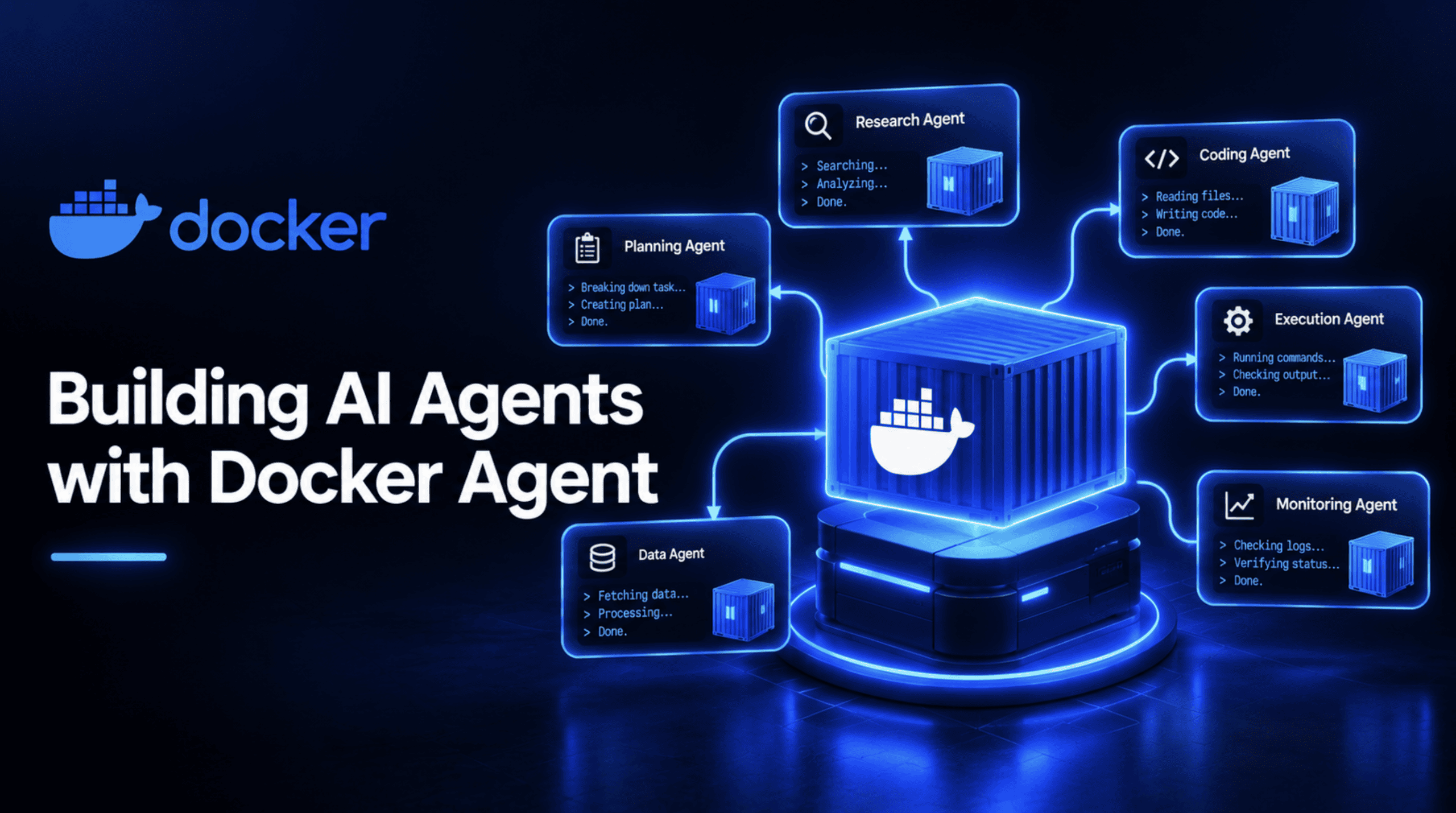
Docker Agent ships as an open-source CLI plugin that lets you run AI agents with the same simplicity as containers. That's a genuinely useful framing. The team at Docker Engineering built it under the Apache 2.0 license, installed and run via `docker agent`. It makes a complex workflow feel familiar. If you are exploring how agents learn to improve themselves, our piece on "7 Resources to Explore How AI Agents Learn to Improve Themselves" offers a solid next step.

Cloudflare resolves data leak risk across container boundaries
Recovering complete SQLite databases from a neighbor's container isn't a theoretical risk, it was a real vulnerability in Cloudflare's infrastructure. The company disclosed a cross-tenant data exposure flaw in Containers and Sandboxes, where thin-provisioned storage pools failed to zero reused blocks. Researchers pulled directory structures and database pages across four continents. Cloudflare fixed the issue and found no signs of exploitation. For more on how Cloudflare thinks about future-proofing security, explore their work on a quantum-safe path for internet security.

Explore how Workers now connect beyond HTTP with TCP and gRPC.
Eight years is a long time to wait for a protocol. Cloudflare Workers now accept inbound TCP connections through a new `connect(socket)` handler routed via Spectrum, ending that HTTP-only restriction. Containers gain full-duplex gRPC in any language, while Workers get unary and server-streaming through automatic gRPC-web translation. It's a private beta, but the direction is clear: your data workflows just got more flexible. For those exploring broader coding potential, our piece on unlocking Python's advanced techniques pairs nicely with this shift.
Secure Your AI Agents with Kernel-Level API Control
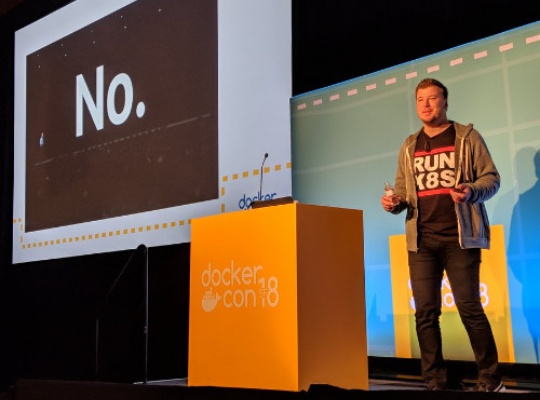
Your AI agents are generating code that no one owns, and that's a risk you can't ignore. Dan Finneran shows how eBPF can step in, intercepting API traffic at the kernel level to filter prompts, swap models, and enforce limits without touching your application code. It's a practical, transparent way to secure production systems. For more on questioning AI's output, our piece on verifying your AI's understanding offers a timely follow-up.
Cloudflare moves 9 billion daily CDN requests to its developer platform
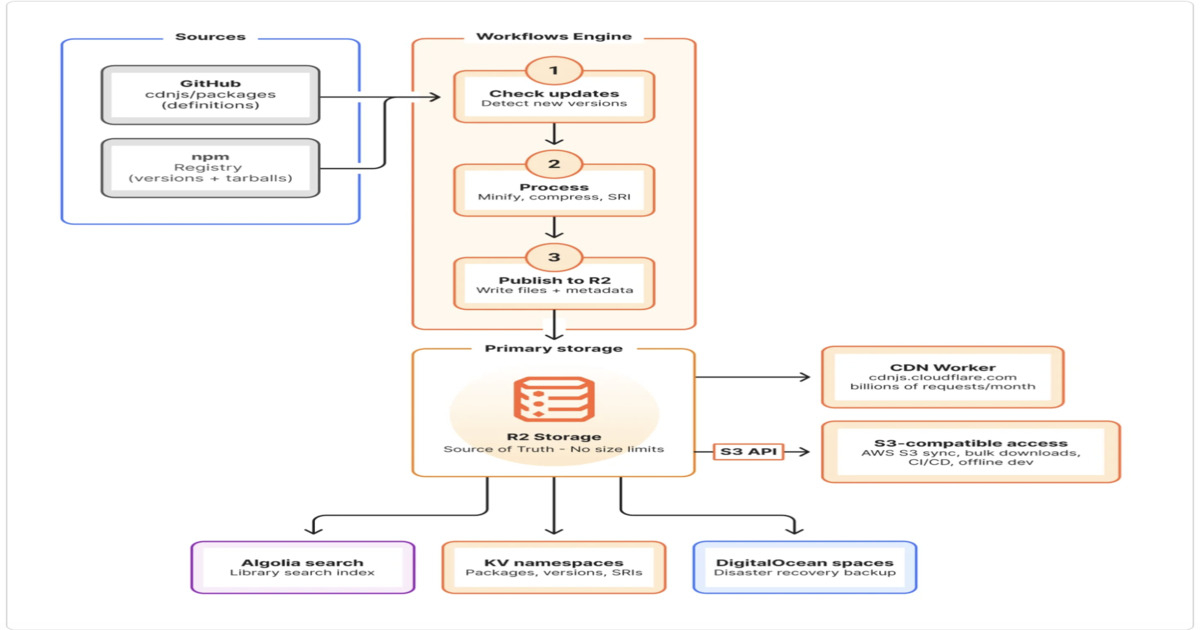
Cloudflare has moved cdnjs, its open source CDN for JavaScript and CSS libraries, onto its Developer Platform, and the scale is striking: 9 billion requests a day now run on Workers, R2, KV, Workflows, Queues, Durable Objects, and Containers. That's not just a hosting swap; it's a consolidation of publishing and delivery into one architecture, all while keeping URLs and SRI hashes intact. For teams wrestling with legacy tools, this shows what's possible when infrastructure steps forward. Curious about similar migration thinking?