conversational data analysis
conversational data analysis at Beyond Market Intelligence is a file of 99 stories. The newest of them: “Gemma 4 opens doors with Apache 2.0, shifting enterprise AI choices.”, “Meta's prompting method sharpens LLM code review accuracy to 93%”, and “ThinkLabs AI raises $28 million to transform how we manage the power grid”. Google's release of Gemma 4 under the Apache 2.0 license marks a significant shift in the open-weight model landscape, eliminating previous licensing complexities that hindered enterprise adoption. Meta's innovative "semi-formal reasoning" technique significantly enhances the accuracy of large language models (LLMs) in code review tasks, achieving up to 93% accuracy. Acme AI is the next-generation, AI-powered spreadsheet platform built to replace Excel and redefine how analysts, data scientists, and enterprise teams work… The list below is every conversational data analysis story on Beyond Market Intelligence, newest first.

Gemma 4 opens doors with Apache 2.0, shifting enterprise AI choices.
Google's release of Gemma 4 under the Apache 2.0 license marks a significant shift in the open-weight model landscape, eliminating previous licensing complexities that hindered enterprise adoption. This new model family offers four distinct configurations, catering to both workstation and edge deployments, while ensuring seamless integration of text, image, and audio capabilities. With strong performance benchmarks and a commitment to accessibility, Gemma 4 empowers organizations to leverage advanced AI without the legal obstacles that once caused friction.

Meta's prompting method sharpens LLM code review accuracy to 93%
Meta's innovative "semi-formal reasoning" technique significantly enhances the accuracy of large language models (LLMs) in code review tasks, achieving up to 93% accuracy. This structured prompting method addresses the technical challenges of executing code for bug detection and patch verification by requiring AI agents to logically state premises and trace execution paths. By gathering concrete evidence before drawing conclusions, semi-formal reasoning minimizes errors and supports reliable, execution-free semantic code analysis.

ThinkLabs AI raises $28 million to transform how we manage the power grid
ThinkLabs AI, a startup backed by Nvidia, has secured $28 million in Series A funding led by Energy Impact Partners to address the growing challenges of the electric grid. With a focus on artificial intelligence, ThinkLabs is developing models that simulate grid behavior, drastically reducing the time needed for complex power flow studies from weeks to mere minutes.

Explore how a reflow-free web could transform data interaction.
Cheng Lou, a renowned software engineer, has unveiled Pretext, an open-source standard poised to transform web design. This innovative 15KB TypeScript library bypasses traditional DOM constraints, enabling seamless multiline text layout in "userland." By decoupling text measurement from the browser's architecture, Pretext significantly enhances performance, allowing for dynamic, interactive text that adapts fluidly to various web elements. With early demos showcasing its capabilities, Lou’s creation promises to redefine how developers approach web interactivity, paving the way for a more engaging and responsive online experience.
An autonomous AI researcher that refines itself on your data
Inspired by Andrej Karpathy's AutoResearch, I've developed an autonomous ML agent designed to run experiments on tabular binary classification tasks indefinitely. This innovative system analyzes data, formulates hypotheses, edits code, and evaluates results using expanding time windows to ensure robust learning without leakage. By constraining edits to just three files and employing a Docker sandbox, the agent maintains focus and efficiency. This approach enhances experiment throughput while safeguarding against overfitting and allows for meaningful insights through systematic logging.
Navigating independent research one clear step at a time
Submitting a research paper as an independent researcher can be a fascinating journey, filled with both challenges and discoveries. My experience with submitting my first preprint to arXiv revealed a process that, while complex, was straightforward at each step once I understood what was required. In this guide, I’ll share key steps and insights that can empower other independent researchers to navigate their own submission processes effectively, ensuring that they are well-prepared and confident in their contributions to the field.

Move aside and let Claude take the wheel on your Mac.
On Monday, Anthropic unveiled a groundbreaking update to its Claude chatbot, enabling it to directly control Mac computers. This transformative capability turns Claude from a mere conversational assistant into a digital operator, capable of executing tasks like clicking buttons and typing commands on behalf of the user.

From Demo to Reality: Navigating the Hard Work of AI Agent Deployments
Deploying AI agents effectively in real-world scenarios presents significant challenges that go beyond successful demonstrations. Issues such as fragmented data, unclear workflows, and high escalation rates hinder enterprises' progress in adopting these technologies. As Sanchit Vir Gogia highlights, the true test lies in navigating the complexities of organizational environments.

Make font scaling testing a natural part of your design flow
Testing font scaling for accessibility with Figma variables seamlessly integrates into everyday design workflows, making accessibility a natural part of the creative process. The objective is not to overhaul existing practices but to enhance them through simple, effective work processes that align with a team’s routine. By incorporating font size testing into the design flow, Figma empowers designers to prioritize accessibility effortlessly. This approach transforms accessibility from an optional consideration into an essential, inherent aspect of design, fostering a more inclusive environment for all users.
Explore how five decades of figurative art become an open dataset for AI
Explore a unique longitudinal fine art dataset featuring five decades of work by figurative artist Michael Hafftka, now available on Hugging Face. This collection, encompassing 3,000 to 4,000 images across various media, including oil paintings and digital works, offers a rare opportunity to study stylistic evolution and figure representation. With comprehensive metadata and ethical licensing, this dataset invites deep learning researchers to analyze artistic development while fostering conversations about responsible data sourcing.
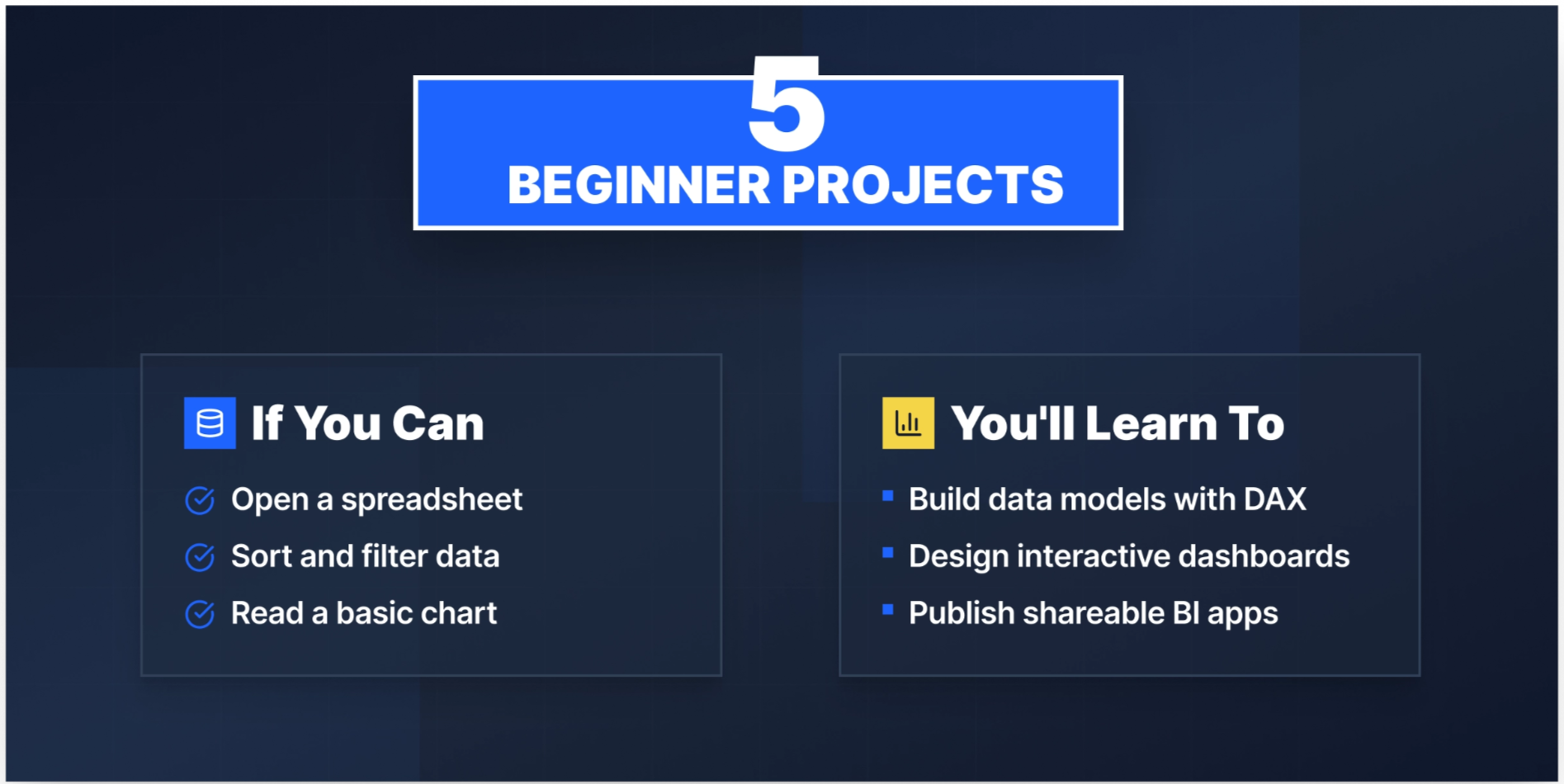
Transform Your Data Portfolio with These 15 Power BI Project Ideas
Building a robust Power BI portfolio is essential for aspiring business or data analysts in 2026. Employers seek candidates who can transform messy data into clean models and create impactful dashboards that drive informed decision-making. 15 compelling Power BI project ideas will not only showcase your technical prowess but also demonstrate your ability to derive actionable insights from data. These projects serve as tangible evidence of your skills, empowering you to stand out in a competitive job market.
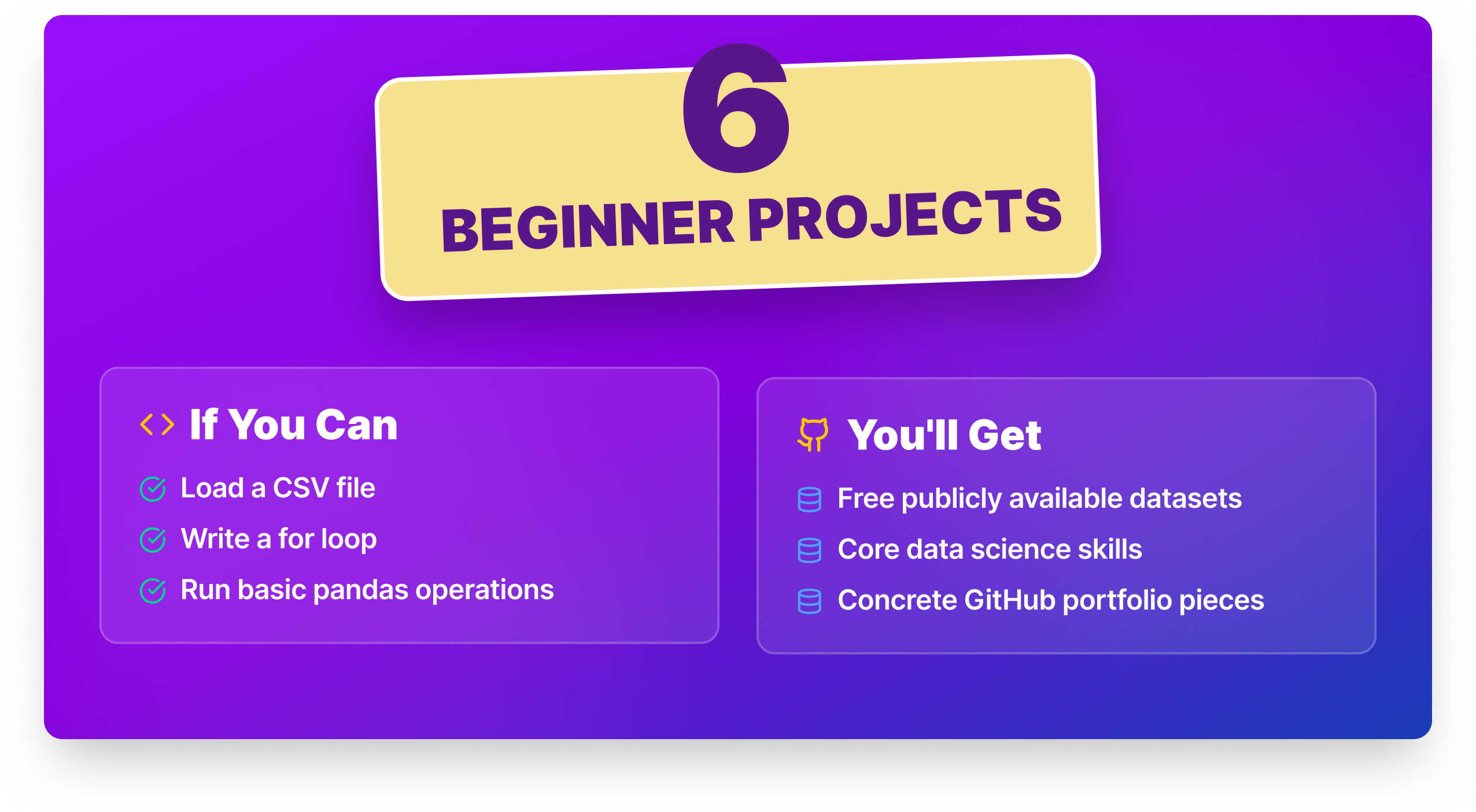
30 real data projects to build a portfolio that speaks for itself
Building a strong data science portfolio is essential for showcasing your skills and standing out to potential employers. "30 Data Science Projects for Beginners to Advanced" provides an invaluable resource, offering a curated list of projects that span various skill levels. Each project includes source code, real datasets, and step-by-step instructions to guide you through completion.

Migrate from Moment.js to the Temporal API with practical recipes
As JavaScript continues to evolve, so does its approach to handling time. The introduction of the Temporal API marks a significant advancement over the built-in `Date` API and Moment.js, addressing longstanding limitations while providing a more robust framework for date and time manipulation. In this guide, Joe Attardi offers practical recipes for seamlessly migrating your Moment.js code to the Temporal API. Discover how this innovative standard can enhance your time management capabilities and empower your JavaScript applications with greater accuracy and simplicity.
Why Persuasive Design Still Falls Short Without Deeper Strategy
In "Persuasive Design: Ten Years Later," Anders Toxboe revisits the principles of persuasive design, highlighting its relevance in today's fast-evolving digital landscape. Despite ongoing reliance on usability tweaks and minor behavioral adjustments, many product teams face stagnating results in activation, retention, and user engagement. Toxboe clarifies which core elements of persuasive design have endured over the last decade, offering insights that challenge shallow gamification approaches. This update invites product teams to explore deeper, more impactful strategies for fostering genuine user connections and enhancing overall experience.
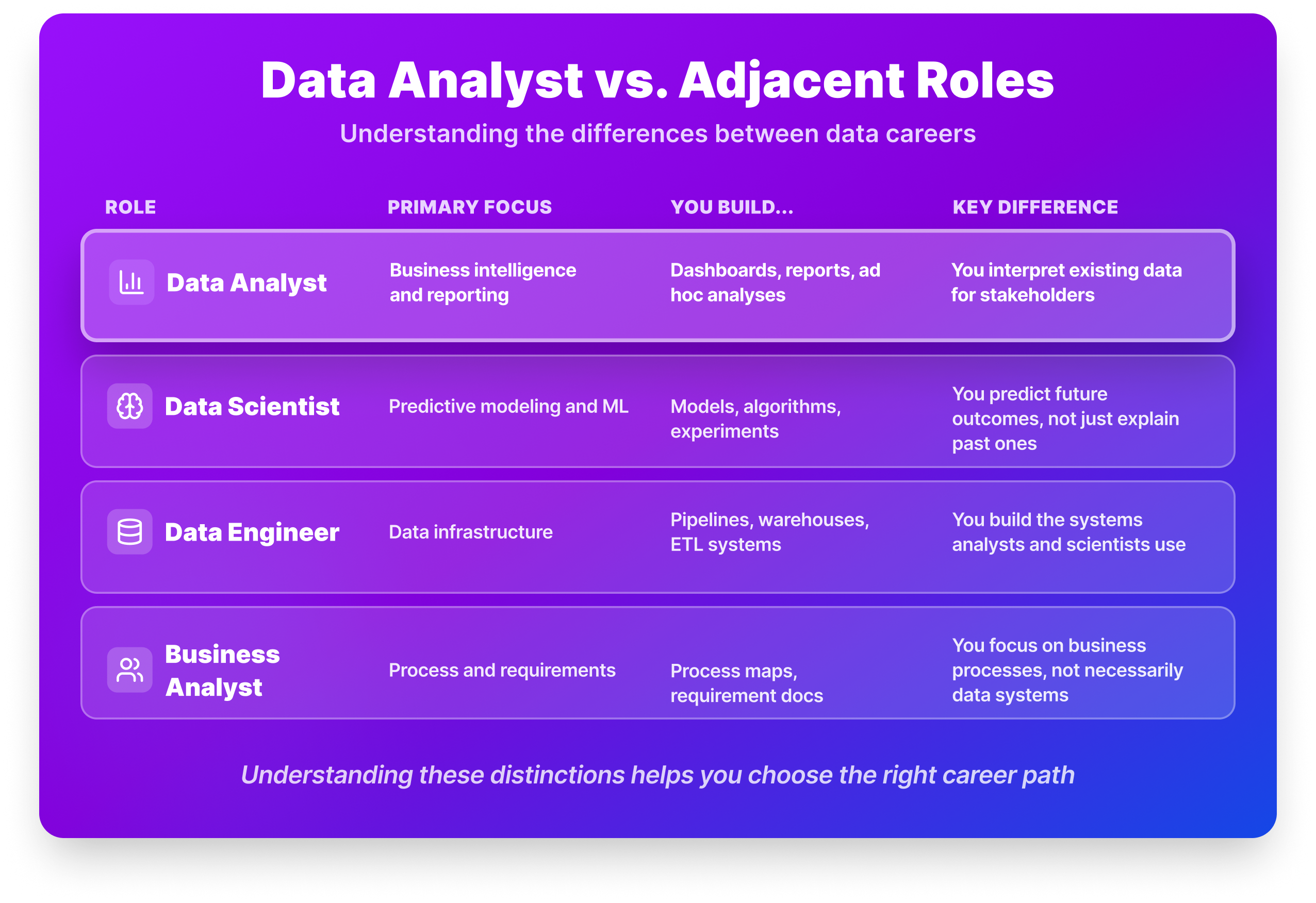
From Raw Numbers to Real Decisions: Your Path to Data Analysis
Navigating the path to becoming a data analyst can feel overwhelming, especially with advice ranging from mastering Excel to pursuing a master’s degree. The reality is more nuanced. Data analysts are crucial in transforming raw data into actionable insights, answering pivotal questions like why sales fluctuate or how customer behavior changes. This step-by-step guide for 2026 will clarify the essential skills, educational requirements, and practical experiences you need to thrive in this dynamic field.
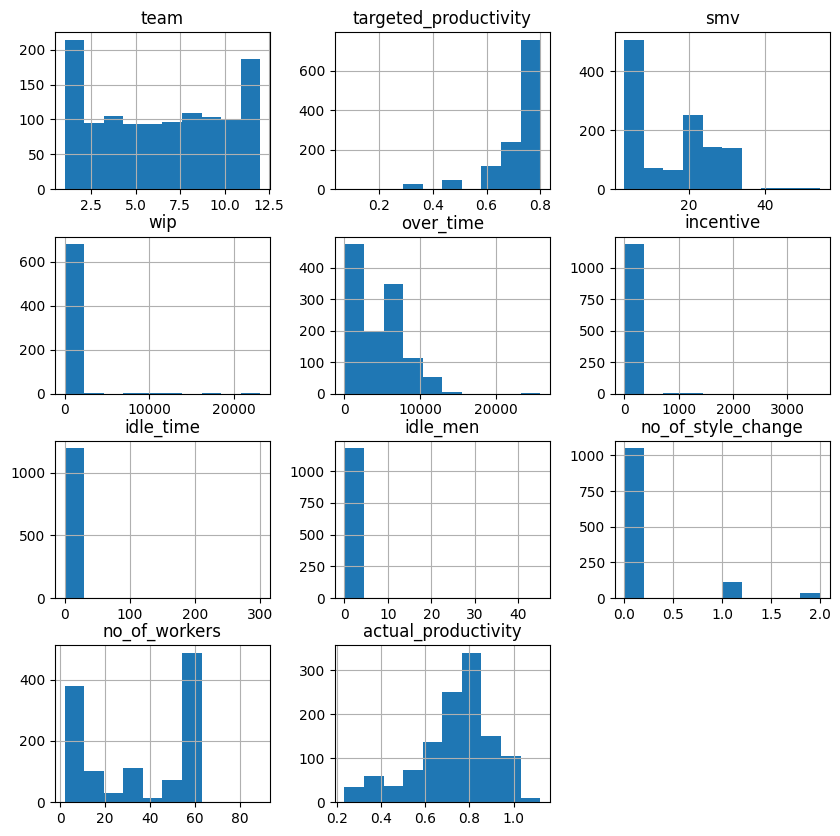
Empower Factory Teams by Predicting Daily Productivity with AI
Are you grappling with the challenge of predicting employee productivity in your factory? In this project tutorial, we’ll guide you through using decision trees and random forests to create a machine learning model that forecasts whether a workday will be productive. By analyzing team-level productivity data, you’ll uncover the key conditions that drive performance on the factory floor. Join us as we transform complex data into actionable insights that empower you to optimize productivity and enhance team outcomes. Let’s dive in!
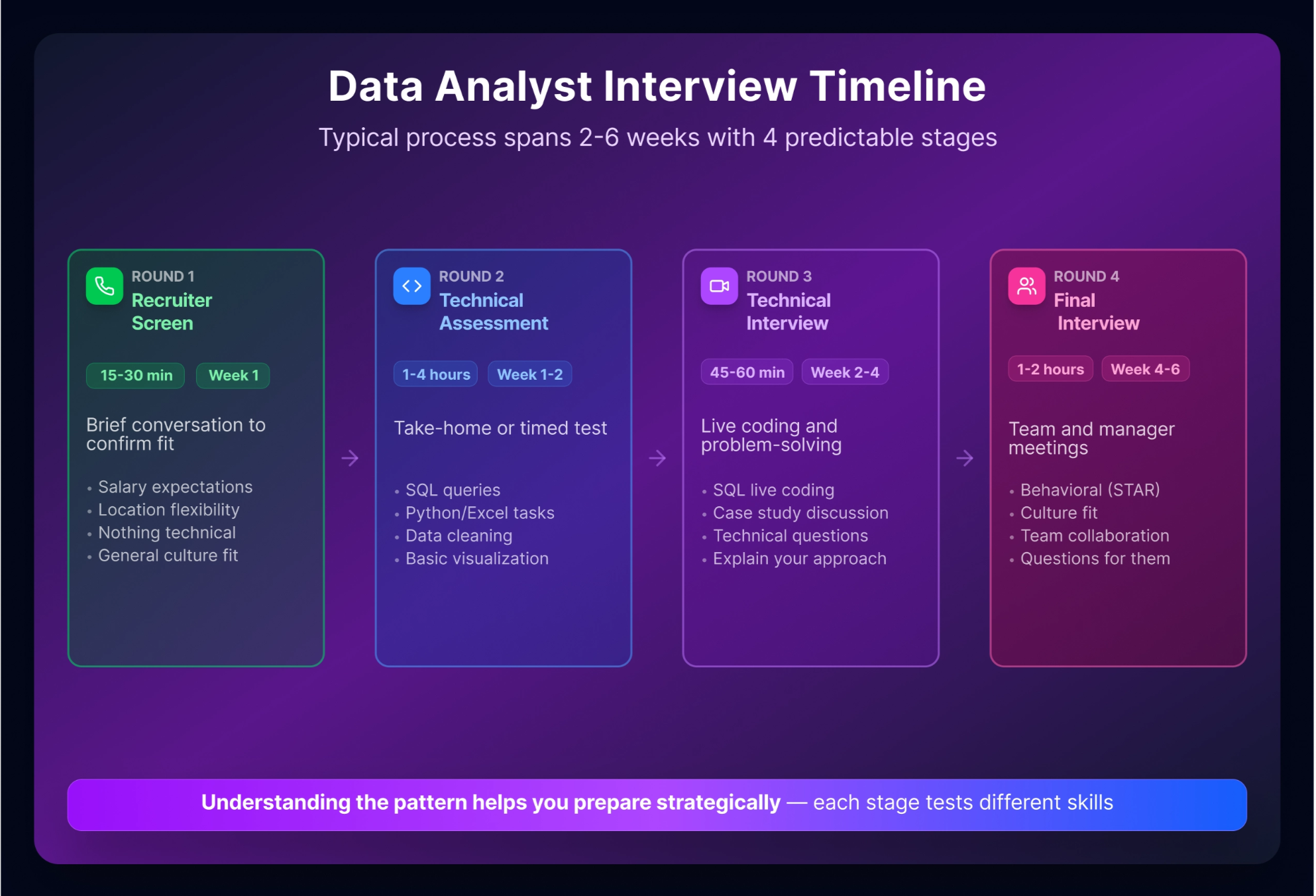
From SQL anxiety to interview confidence with 40 actionable questions
Preparing for a Data Analyst interview can be daunting, especially when self-doubt creeps in: "Am I ready? What if I freeze?" This guide alleviates those concerns by providing over 40 essential interview questions and answers tailored for entry-level candidates. With a strong foundation in SQL, Python, and statistics, you can confidently navigate the interview landscape. Dive in to discover the insights and strategies that will empower you to showcase your skills and secure that coveted position in 2026. Let’s transform your anxiety into assurance.
Designing mental health apps where empathy builds lasting trust
In a world where mental health support is vital, designing apps for this purpose requires a deep understanding of user vulnerability. Building Digital Trust: An Empathy-Centred UX Framework for Mental Health Apps presents a transformative approach that prioritizes empathy as a core design principle. This framework shifts the focus from mere functionality to creating trust-first products that resonate with users on a personal level. Discover how you can implement these strategies to foster genuine connections and enhance user experience in mental health applications.
Designing agentic AI systems where control meets user trust.
In a world where technology can either empower or overwhelm, designing for agentic AI is crucial. Users crave autonomy, but they also need control, consent, and accountability in their interactions with intelligent systems. This guide presents practical UX patterns and operational frameworks that prioritize user trust and transparency. By integrating these design principles, organizations can build powerful systems that not only deliver results but also enhance user confidence.

Find Your Path to SQL Mastery with Expert-Led Bootcamps
Learning SQL can feel overwhelming, especially when you encounter complex queries that challenge your progress. The real question isn’t whether you should learn SQL, but how to master it effectively and swiftly. That’s where bootcamps come in. The best SQL bootcamps of 2026 provide structured learning, expert guidance, and peer support, turning daunting concepts into manageable skills. Ready to discover the top options?

Six concepts that defined 2025 and will shape your data work ahead
In a world where over 100 AI models launched last year and buzzwords flooded the headlines, it’s easy to feel overwhelmed by the rapid pace of change. Yet, at Dataquest, we found that true progress stems from mastering six key AI concepts. These principles not only helped learners cut through the noise but also positioned them to thrive in an evolving landscape. Ready to discover how these foundational ideas can redefine your approach in 2026?
Find the AI bootcamp that matches your goals, not the hype.
Are you overwhelmed by the myriad of AI bootcamps available and unsure which ones truly deliver value? You're not alone; many aspiring learners face the challenge of discerning between programs that merely scratch the surface and those that provide deep, actionable insights. In this guide, we break down the 15 best AI bootcamps, comparing and reviewing them to help you navigate your options effectively.
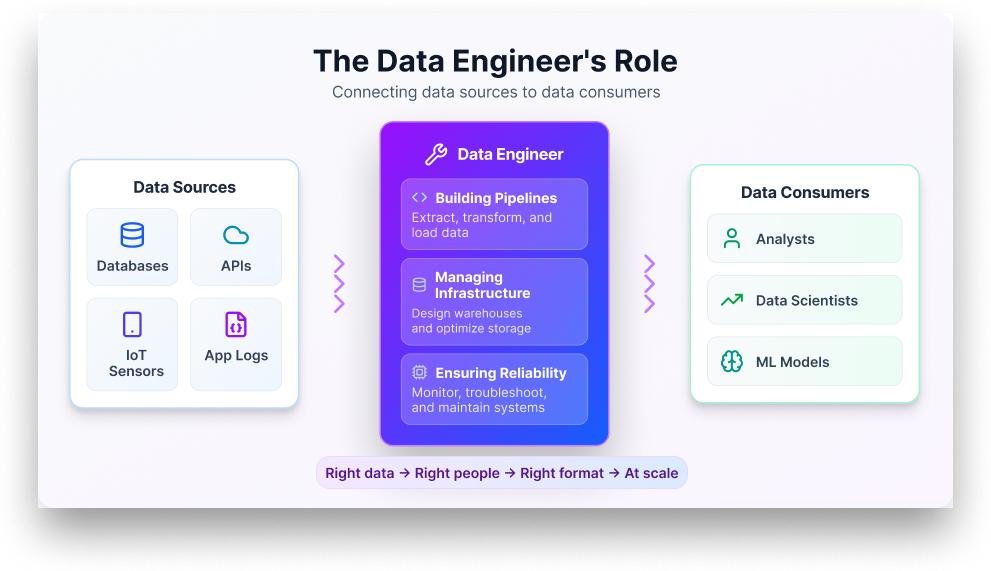
Build the Data Engineering Skills That Will Define 2026
Navigating the evolving landscape of data engineering can be daunting, especially with the endless array of skills like SQL, Python, Spark, and more vying for your attention. As we approach 2026, knowing which of these skills truly matters is essential for staying relevant in this fast-paced field. This guide not only highlights the 15 critical data engineering skills you need to thrive but also offers practical steps to build them.
Design Smarter: Turn Sketches into Live Prototypes with AI
Are your static mockups stalling your design process? It's time for a transformation. In this second part of our guide to Intent Prototyping, we’ll explore how AI can elevate your design intent—from UI sketches to user flows—into dynamic, live prototypes. This disciplined approach not only fosters clarity but also serves as your primary canvas for ideation. Dive in to discover practical steps that empower you to innovate with confidence and streamline your design workflow. Let's unlock your creative potential together!