data privacy
data privacy at Beyond Market Intelligence is a file of 33 stories. The newest of them: “Explore how EpochGo brings local-first AutoML to your data with privacy and control”, “Vote-Based Federated Selection Lets Institutions Choose Features Without Sharing Data”, and “Google Antigravity SDK Now Runs Agentic Workflows Locally for Greater Data Privacy”. EpochGo separates the reasoning layer from the execution layer, and that distinction is the key insight here. Hospitals, banks, and edge devices can now decide which features matter most without ever sharing raw data. Acme AI is the next-generation, AI-powered spreadsheet platform built to replace Excel and redefine how analysts, data scientists, and enterprise teams work… The list below is every data privacy story on Beyond Market Intelligence, newest first.

Explore how EpochGo brings local-first AutoML to your data with privacy and control
EpochGo separates the reasoning layer from the execution layer, and that distinction is the key insight here. By letting a local LLM inspect schema metadata while deterministic Scikit-Learn pipelines handle all actual data transformations, the system sidesteps both cloud API costs and LLM hallucinations in mathematical reasoning. It runs entirely offline on consumer hardware. For deeper context on keeping LLM outputs grounded, our piece on JEV as a continuous filter explores similar thinking.
Vote-Based Federated Selection Lets Institutions Choose Features Without Sharing Data
Hospitals, banks, and edge devices can now decide which features matter most without ever sharing raw data. Instead of exchanging rows, they exchange votes, a federated selection process that runs directly in NVIDIA FLARE and Flower. It's a practical step toward collaborative AI that respects privacy by design. Institutions keep control while still aligning on what counts. For a deeper look at when collaborative models actually outperform individual ones, our piece on stacking is worth exploring.

Google Antigravity SDK Now Runs Agentic Workflows Locally for Greater Data Privacy
Google's Antigravity SDK now runs agentic workflows directly on local machines, giving developers meaningful control over data privacy and inference costs. Balancing local execution with optional cloud models is a practical approach, not an all-or-nothing trade-off. For anyone feeling constrained by centralized AI dependencies, this opens a more flexible path forward. It reminds us how the right tools empower builders, much like Facebook's recent move to put algorithm control directly in users' hands. Privacy and power don't have to be opposites.

Protecting Data in the Age of AI-Powered Apps
AI-powered apps promise efficiency, but the findings here are a stark reminder: convenience without configuration comes at a cost. When AI-generated code or vibe-coded tools aren't secured properly, they can quietly expose user data, turning a helpful feature into a liability. This isn't about fearing innovation; it's about demanding responsibility in how we build and deploy it. We should treat data protection as a core feature, not an afterthought.
AI in Fintech & Healthcare: Understanding Data Flow and Security
A software engineer at a large fintech company raises a question that should give every data professional pause: if AI systems connect directly to sensitive production data, how do you keep that information from leaking into the cloud? And when it does leave, what happens to PII over time? This is the right question to ask. A single slip might seem harmless, but two years of accumulated data becomes a tempting target. The risk isn't hypothetical. It's architectural.

When every moment can be transcribed, privacy becomes a conscious choice.
Apple's newest Apple Watch features lean into a future where your wrist is always listening, even if the company insists raw audio stays off-device. Transcribing recent speech and summarizing ambient sound may feel convenient, but they quietly nudge us toward a new normal: one where we assume we're being recorded. That shift deserves scrutiny, not just acceptance. It echoes questions raised in "AI Agents Shared User Images, Highlighting Data Security Concerns," where trust faltered in unexpected places.
When AI Detectors Punish Authors Without a Second Look
A desk rejection is supposed to feel final, but this feels arbitrary. NeurIPS used a proprietary detector to bounce 178 papers, and the chairs' own work would have failed the test. That is not quality control; that is a gamble. The real kicker is the ESL penalty, which means the tool punished clarity in non-native English. If you were caught in this, do not treat it as a verdict. Resubmit elsewhere.

How location data risks troop safety and why the military acted.
The U.S. military has disabled ad tracking on troops' devices after reports that foreign adversaries weaponized location data to target service members. A senator's letter confirms the move, a necessary step toward closing a glaring vulnerability. It's a reminder that our digital footprints carry real-world consequences. When data becomes a weapon, silence isn't an option. For more on how data exposure plays out elsewhere, our piece on protecting data in the age of AI-powered apps offers useful context.

Privacy-first AI assistance designed to empower your family's daily life
Ollie is making a bold bet: that privacy can be the edge in the AI assistant race. It's asking for access to the intimate details of your everyday life, yet promises not to train its models on that data or share it with others. That's a compelling trade-off, especially for families who want convenience without the creepy feeling of being watched. Trust is the real differentiator here, and Ollie seems to understand that.
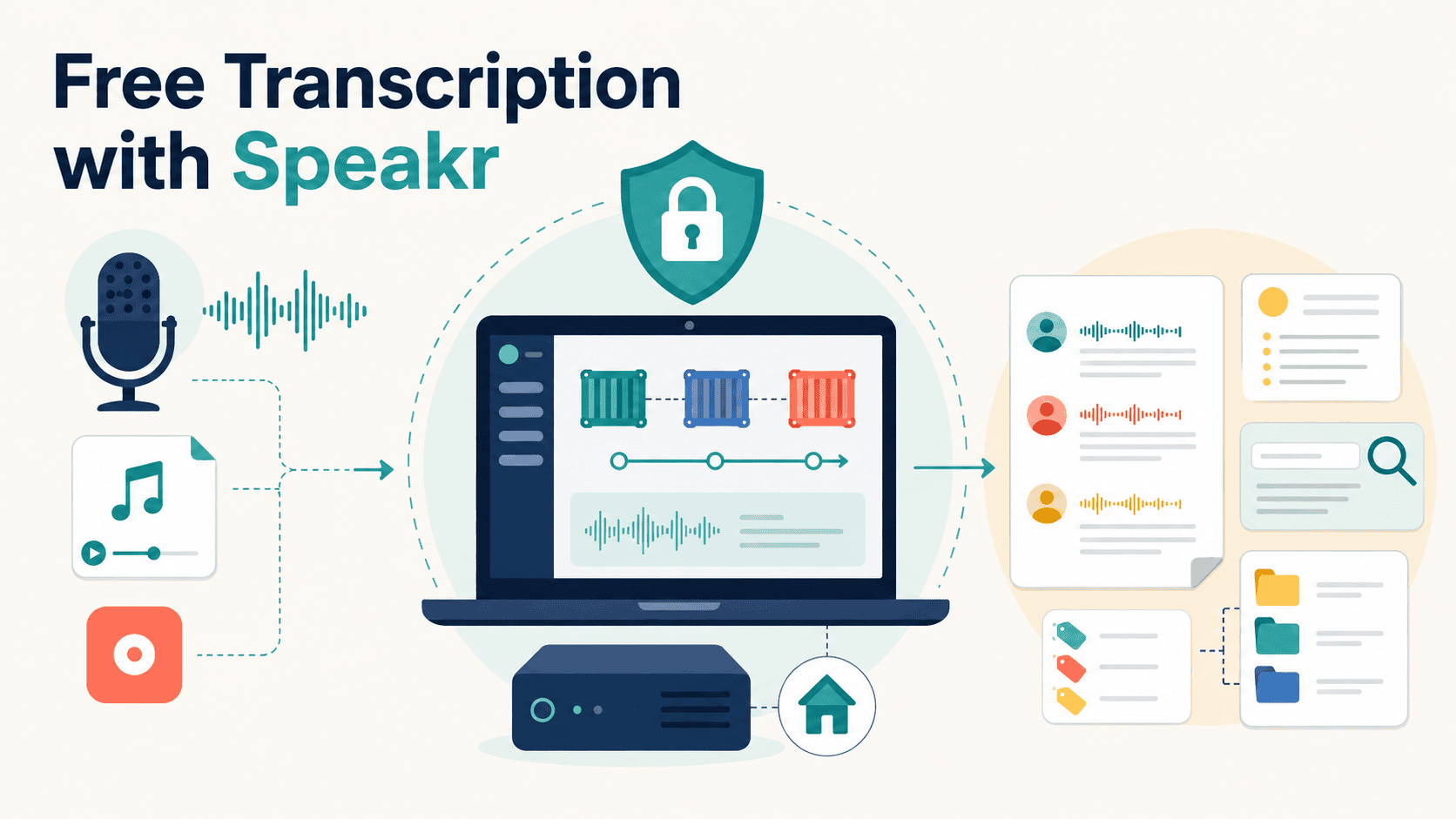
Your Data, Your Transcription: A Private Self-Hosted Guide
If you're tired of sending sensitive recordings to third-party servers, Speakr offers a private, self-hosted alternative. Setup is straightforward, and the real payoff is full control over where your audio lands. We think that matters more as transcription becomes routine. For a broader look at how AI tools handle real-world constraints, our piece on computer vision deployments offers a useful parallel. Start with Speakr's basics, then experiment with its settings to match your workflow.

Explore how privacy concerns reshape the future of public data networks
Florida and Texas are moving to block Flock's network of 130,000 license plate cameras, citing privacy and civil liberties concerns that have drawn bipartisan support. That's a significant pushback against a surveillance tool that's quietly expanded nationwide. We think it's a necessary check on unchecked data collection, especially as AI makes this information easier to search and share. For more on how AI can expose sensitive data, our related piece, "AI Agents Shared User Images, Highlighting Data Security Concerns," offers a deeper look.

Bring AI Workloads Home with Browser-Native Performance and Privacy
The cloud isn't the only place for serious AI workloads. In this presentation, James Hall makes a compelling case for moving real work directly into the browser. He walks through practical strategies using WebGPU, Transformers.js, and DuckDB to achieve near-native performance without leaving JavaScript behind. What stands out is his focus on minimizing data privacy risks and building solid evaluation suites. For anyone feeling stuck in centralized workflows, this is a practical look at reclaiming control.

License plate cameras face growing public skepticism amid surveillance concerns.
Americans are pushing back against police license plate cameras, and the message is clear: surveillance without trust breeds resentment. A new survey shows opposition now outweighs support, a shift that feels inevitable amid recurring reports of police misusing these tools. It's not hard to see why. When cameras meant for public safety become instruments of overreach, the public notices. For those tracking the broader pattern of AI-driven oversight, our piece on AI agents sharing user images offers a timely reminder that accountability lags behind innovation.

Meta sets daily time limits for teens, empowering parents with control.
Meta's new settlement with states brings a practical shift: teens will face a daily two-hour app limit unless parents step in. That's a meaningful concession, and it signals a more accountable approach to younger users. The move feels overdue, but it's a solid step toward healthier boundaries. For more on how Meta is adjusting its policies, our piece on the reversal of ads for the Musk documentary offers useful context. This decision, though, is about direct impact on families, and that's worth watching closely.

Exploring Instinct's power means understanding the privacy trade-offs.
Early testers are thrilled with what Instinct's AI assistant can do, yet the enthusiasm comes with a serious pause. Its sweeping access and ability to act on users' behalf raise privacy and security questions that feel uncomfortably valid. We're all for tools that empower, but broad terms deserve scrutiny, not blind acceptance. This tension between capability and caution is worth exploring.
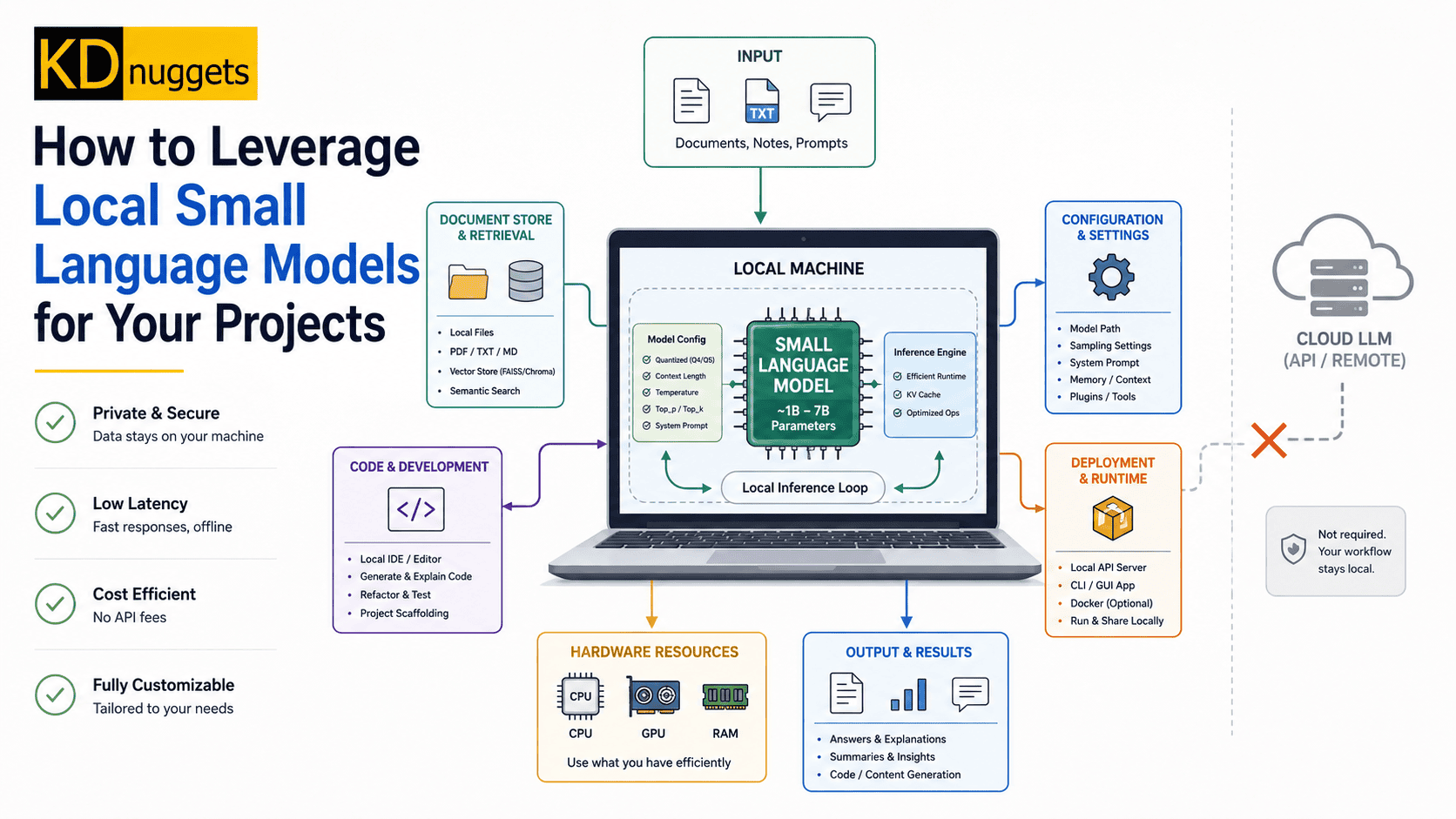
Unlock Faster AI by Running Small Language Models on Your Own Hardware
Local small language models let you run capable AI without sending your data anywhere. That is the practical appeal: privacy, lower cost, and direct control over your own hardware. This guide walks through the real steps to get them working, and we think the payoff is worth exploring. If you are curious about the broader challenges of distributed systems, our piece on unlocking LLM training offers a useful companion. For now, start compact, stay efficient, and see what you can build.

Uber's €825M GDPR fine signals new accountability for automated systems
Uber's latest regulatory headache is a big one: the Dutch Data Protection Authority has slapped the ride-hailing giant with a €825 million fine, the second largest ever issued under Europe's GDPR. The penalty stems from automated driver suspensions, a practice that clearly clashes with the transparency and fairness Europe demands. For a company built on data, this is a stark reminder that automation without human oversight carries real costs. It's a bold move, and one that signals regulators are watching closely.

TikTok's $400M settlement highlights the cost of neglecting data privacy.
TikTok has agreed to a $400 million settlement, two years after the U.S. Department of Justice accused the platform of violating children's privacy laws. That's a serious number, and it signals real accountability. For a company built on engagement, this is a moment to reflect on how data protection must evolve. We've covered similar ground before, like in our piece on cross-platform efforts to protect young users. The takeaway here is simple: privacy isn't optional anymore, and users should expect better.

Senator Requests Federal Review of Agency Hacking Tools and Spyware
Senator Ron Wyden isn't waiting for assurances. He's asking the U.S. federal watchdog to scrutinize how the FBI, DEA, ICE's HSI, and the Secret Service deploy hacking tools and spyware against Americans. That's a fair question, and one that deserves a thorough answer. When agencies hold such intrusive power, oversight isn't optional, it's essential. For more on how digital threats are reshaping security, our piece on the Bitget crypto theft offers a related look at the stakes.

Waymo's collision probe documents remain hidden behind confidentiality claims.
Waymo has handed over documents in NHTSA's child collision probe, but the responses so far arrive heavily redacted, with the company citing "confidential business information." That is a curious stance for a firm asking the public to trust its judgment on the road. Transparency matters most when scrutiny intensifies, and blacking out entire answers invites more questions than it settles. For deeper context on how data exposure and trust intersect, our piece "Protecting Data in the Age of AI-Powered Apps" offers a useful lens.

TikTok tests safety limits, sparking questions on user protection
TikTok's experiment to disable a safeguard designed to shield users from harmful content raises a pointed question: how far is too far in the pursuit of engagement? The company wanted to see if the feature made the app less compelling, but the trade-off feels steep. That's a risky calculation, and lawmakers are right to press for answers. It's a familiar tension in tech, one that echoes in our coverage of Meta's recent ad reversal.
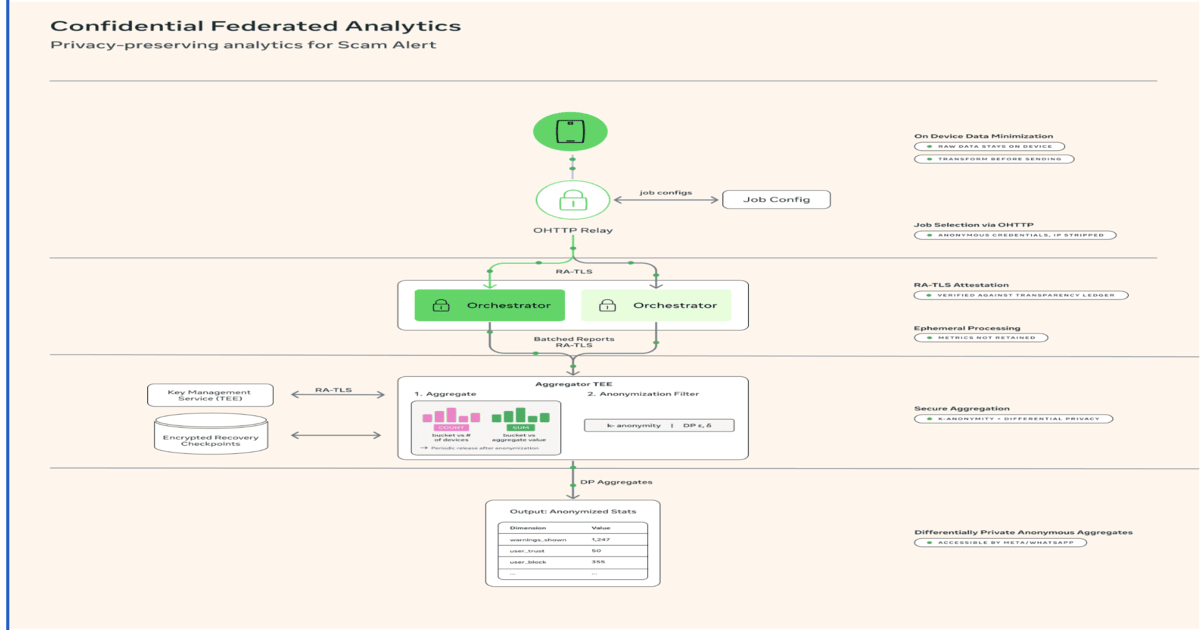
WhatsApp brings scam detection to your device, keeping your messages private
WhatsApp is putting scam detection where your messages already live: on your device. The platform's limited beta of Scam Alert uses on-device machine learning to flag suspicious messages from non-contacts, keeping conversation content local while Meta leans on confidential computing and differential privacy to measure performance without exposing data. That's a thoughtful balance between safety and privacy, and it's worth watching. For a deeper look at how such distributed systems handle the heavy lifting, our guide to distributed training algorithms pairs well with this update.

Framework confirms customer data exposed in breach of names and addresses
Framework has confirmed a data breach affecting all customers, with names, email addresses, phone numbers, and physical addresses exposed. That is the kind of personal information that demands more than a routine notice. We appreciate the transparency, but the scope here is a reminder that no company is immune to these attacks. It is worth exploring how similar incidents, like the AI agents sharing user images, underscore the growing stakes around data security. For now, affected users should stay alert and monitor for suspicious activity.

Apple's Private Relay bug exposes the IP address it should protect
Apple's Private Relay isn't as private as it seems. A bug in how the feature masks IP addresses can expose your real one to the sites you visit, undermining the very protection it promises. For a tool pitched on anonymity, that's a meaningful crack in the foundation. We've covered similar data exposure issues, including how AI agents shared user images, and this feels like another reminder that security layers need scrutiny, not assumption. Explore the details and test your setup.