deployment
Beyond Market Intelligence keeps deployment in one place: 72 stories so far. The section currently leads with “Warp Factories makes AI development infrastructure accessible and actionable.”, “Transform Your Local Coding Workflow with Three Simple Commands”, and “When GitHub stumbles, Cursor Origin offers a stable path forward.”. Building AI software shouldn't require a dedicated infrastructure team. Three commands. Acme AI is the next-generation, AI-powered spreadsheet platform built to replace Excel and redefine how analysts, data scientists, and enterprise teams work… The list below is every deployment story on Beyond Market Intelligence, newest first.

Warp Factories makes AI development infrastructure accessible and actionable.
Building AI software shouldn't require a dedicated infrastructure team. On Tuesday, Warp introduced Warp Factories, a new system designed to make creating AI development environments as straightforward as possible. It's an out-of-the-box approach that removes the heavy lifting, letting teams focus on the work itself. We're impressed by the focus on accessibility here. For a deeper look at how these systems perform in the wild, our piece on real-world computer vision deployments is a solid companion read. Explore what this means for your workflow.
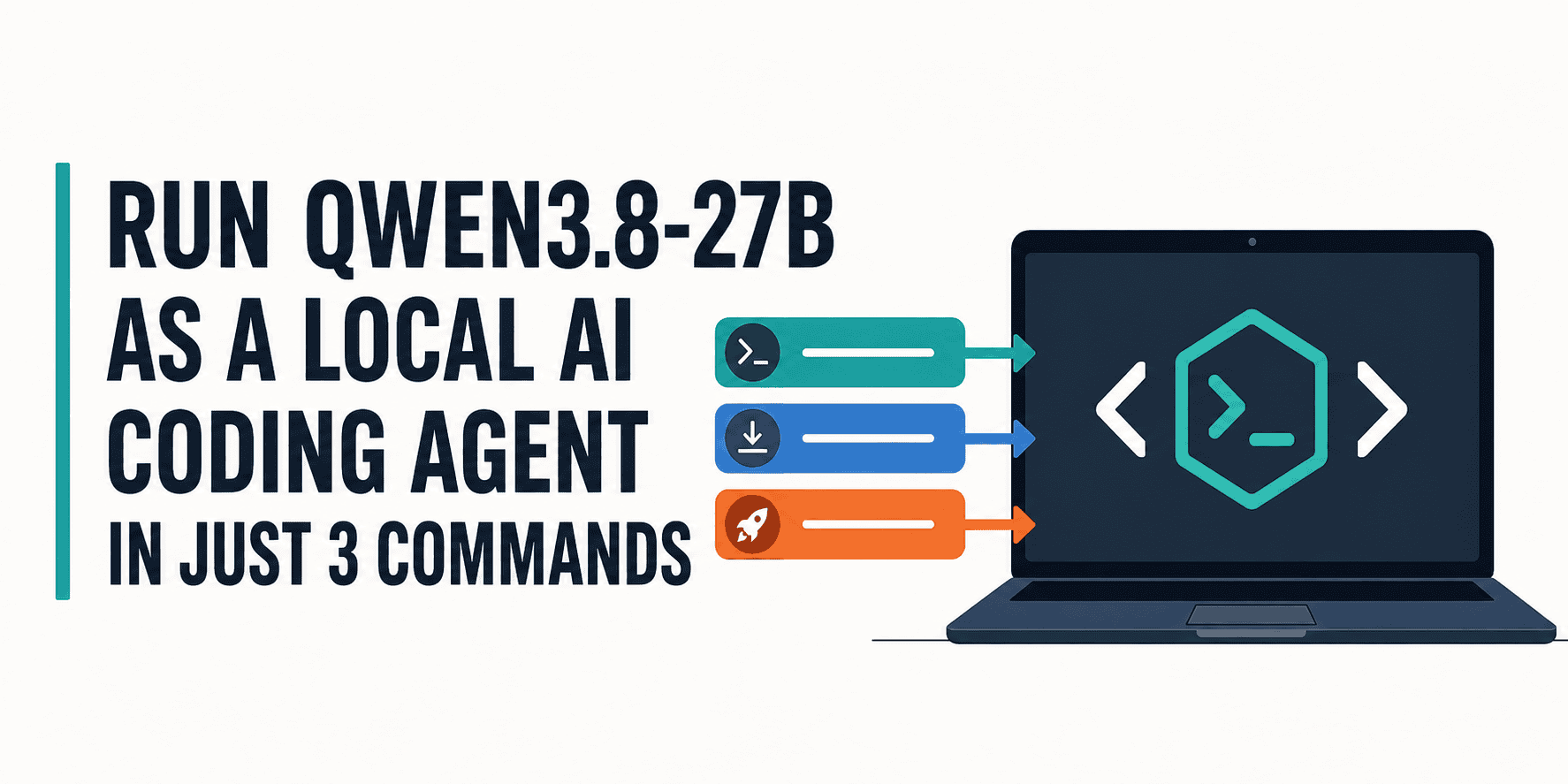
Transform Your Local Coding Workflow with Three Simple Commands
Three commands. That's all it takes to run Qwen3.8-27B as a local AI coding agent, and for anyone tired of juggling cloud dependencies, that simplicity is the point. Download Ollama, pull the model, serve it, then launch with OpenCode. No complex setup, no vague promises, just a workflow that gets you coding faster. It's the kind of practical, no-fuss innovation we like to see.

When GitHub stumbles, Cursor Origin offers a stable path forward.
If you're weighing whether to trust a new code host with your team's source code, Monday offered a pointed reason to pay attention. Cursor launched Origin, its own code hosting platform, and within hours GitHub suffered a global degradation that crippled pull requests, APIs, and Copilot for nearly seven hours. The timing was coincidental, but the message wasn't: the agent era demands a forge built for how code is actually reviewed today. Origin's pitch is worth exploring, starting with its low-risk, GitHub-as-source-of-truth design.

Explore how durable steps transform CI pipelines into resilient workflows
Cloudflare's new CI SDK, cloudflare/ci, reimagines how pipelines are built by defining them as TypeScript workflows. Each step inherits durable retries and replay, while concurrency and snapshot caching come standard. It's a thoughtful model, though it's not a drop-in replacement yet, since Artifacts remains in private beta. The real lesson here is the durable-step approach, a shift worth exploring. For more on Cloudflare's internal builds, our piece on EmDash offers a useful parallel.

Accel secures $550 million India fund, signaling sustained market confidence
Accel has closed an oversubscribed $550 million India fund in just weeks, a decisive vote of confidence in the market. That speed is telling, especially since the U.S. firm still has over half of its previous $650 million allocation ready to deploy. It signals patience, not panic, in a space where founders crave stability. For context on how AI is reshaping productivity tools, our piece on Ando's $20M raise offers a useful parallel.

Optimize Your CI/CD Pipeline for AI-Powered Coding Agents
Deploying code with Claude Code isn't just about automating steps; it's about rethinking how your CI/CD pipeline handles AI-driven development. This piece cuts through the noise, offering practical ways to integrate coding agents without losing control or speed. If you're tired of wrestling with brittle workflows, this guide feels like a breath of fresh air. For more on how AI reshapes practical engineering, you might also enjoy *Exploring Real-World Computer Vision*, different domain, same principle: build for real constraints.

Explore how Airbnb uses AI to make search more intuitive
Airbnb is putting AI to work where it matters most: shipping features faster. The company is testing a new AI-powered search experience with a toggle, a small but telling step toward making discovery feel less like a chore and more like a conversation. It's a practical move, not a flashy one, and that's why it works. For anyone juggling complex tools, this kind of iterative approach resonates.
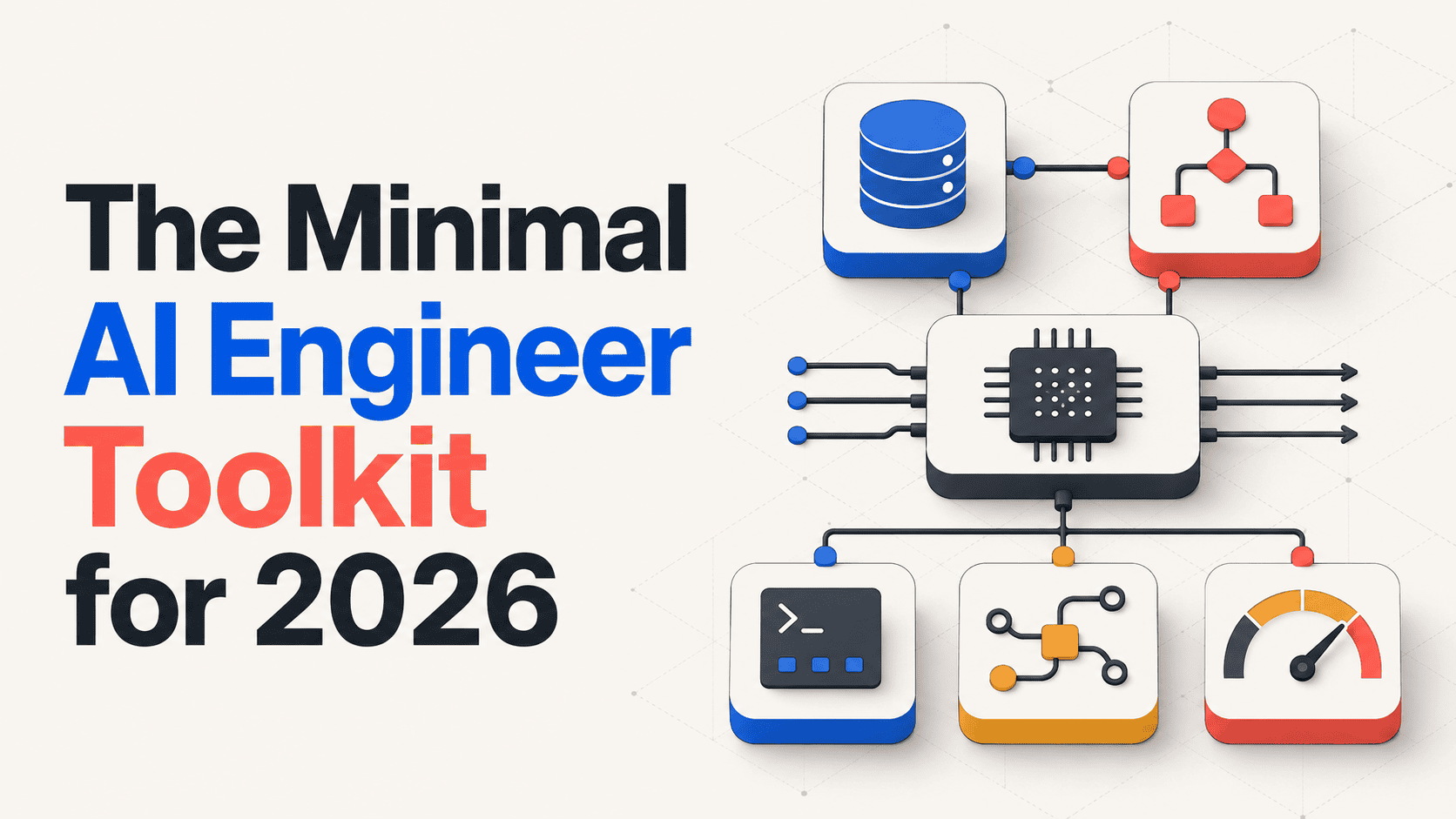
Six Tools to Empower Your AI Engineering Workflow in 2026
Building production-grade autonomous systems in 2026 isn't about hoarding the flashiest tools. It's about choosing a focused set that moves your work forward without the noise. We've identified six essential pieces for AI engineers who want to ship reliable, scalable systems, and we're confident this toolkit strips away the friction. If you're weighing priorities for the year ahead, this is a practical starting point.

Explore how internal platforms reduce cognitive load for microservices teams.
Microservices deliver real value only when teams can sustain their pace, and Chris Richardson's presentation gets straight to that challenge. He pairs Team Topologies with internal platforms to cut through complexity, focusing on six concrete patterns, from security to deployment, that keep stream-aligned teams moving. The payoff is a clear strategy for shrinking cognitive load while sidestepping the usual platform traps. It's a practical, grounded take on acceleration. For more ways to simplify technical workflows, our guide, "Unlock ChatGPT for Work," offers a useful parallel.

Beyond the Model: The Human Work That Powers Supply Chain AI
The engine stalled mid-route, and the spreadsheet that should have flagged the issue sat silent. That moment reveals the real work of a Forward-Deployed Engineer: not building the model, but untangling the messy, human systems around it. In one supply chain project, the AI was the easy part; the hard part was embedding it where decisions actually happen.
Explore practical AI tools that simplify data analysis and model understanding
This week's roundup starts with a practical truth: building and deploying your first autonomous agent is no longer a distant ambition. We also break down the machine learning algorithms that still earn their keep, offer a beginner's path to working with Claude, and highlight the best AI tools for data analysis in 2026. For those ready to go deeper, our guide to distributed algorithms pairs well with these beginner fundamentals.

Your prompts need a safety net before one rename breaks production.
One variable rename broke every live call. That's the failure mode prompt engineering can't solve. Writing better prompts matters, but managing them safely at scale is where production systems actually live. Treating prompts like contracts, backed by lightweight static analysis that catches breaking changes before they ship, prevents production failures. It's a practical, grounded take on a real operational gap. For a deeper look at how LLMs navigate structure, our related piece on paragraph token space pairs well here.
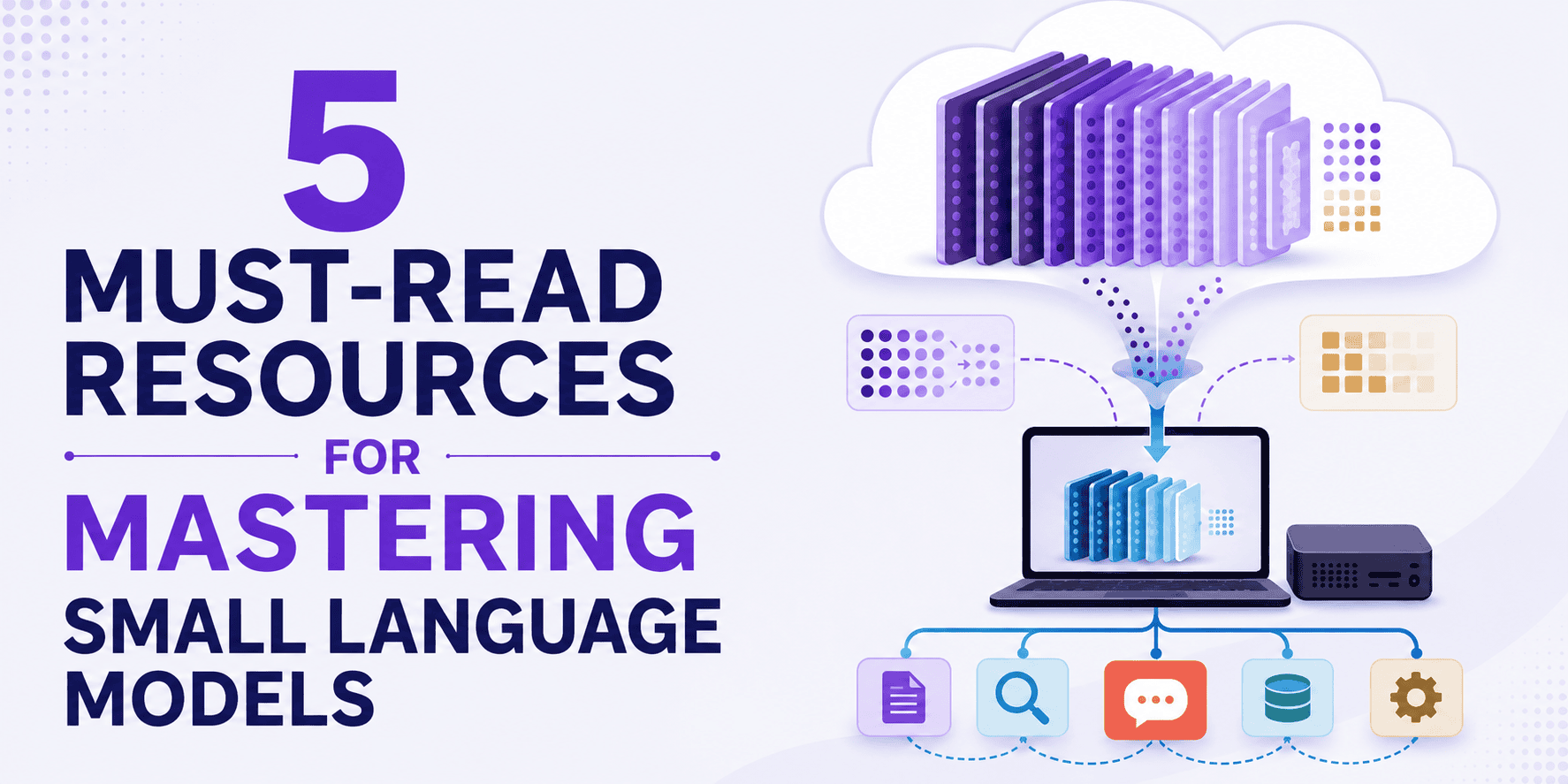
Explore practical resources to master small language models
Small language models are quietly reshaping what's possible for data professionals, and this guide cuts straight to the resources that matter. We've curated five essential reads that cover architecture, fine-tuning, agentic workflows, and local deployment, giving you a practical path forward without the fluff. If you're ready to move beyond theory, these picks will help you build real skills. For a deeper look at how AI systems truly behave, our piece on talking to an AI clone offers a thought-provoking companion.
Finding the Right Compute for Your AI Inference Workloads
Sourcing compute for inference workloads is a puzzle most teams know well, and this post gets straight to the point. The ask for real experiences with services like RunPod or Vast.ai is smart; those pain points are where practical answers live. It's a grounded way to cut through the noise. We appreciate the directness here, and the survey feels like a natural next step for anyone who's been there.

Choosing the Right AI Model for Your Work in 2026
Choosing the right AI model in 2026 starts with asking what your data actually needs to do, not what sounds impressive. The market is crowded with capable options, and the smartest move is to cut through the noise by focusing on your workflow's real demands. We're past the hype phase; this is about practical fit. For a deeper look at how models process information, our guide to paragraph structure in LLMs offers useful context.

Build portable serverless logic without sacrificing native cloud power
Vendor lock-in feels like a price you pay for using the cloud, but Elena van Engelen thinks you can have it both ways. In her presentation, she lays out how Clean Architecture, Spring Cloud Function, and Gradle modules keep business logic portable across AWS and Azure. The payoff is a live demo deploying Kotlin services with Terraform CDK. It's a practical path to flexibility. For more on reducing cloud constraints, check out our piece on stateless deployments with the Model Context Protocol.

Build Your Own LLM Runtime with a Guided Tour of Real Bugs
There's a particular satisfaction in packing your own weights and capturing your own CUDA graphs, and that's exactly the terrain this walkthrough covers. The post traces the building of annotated-llm-runtime on an H100, with three bugs generating most of the hard-won annotations. It's a practical, grounded tour for anyone curious about the mechanics beneath the abstraction. For broader context on the distributed side, *Unlock LLM Training* pairs well here, though this piece stands firmly on its own.

Google expands Gemini lineup while leaving its Pro future unclear
Google's latest model drop brings three new Gemini options, yet the missing 3.5 Pro continues to raise questions about its AI roadmap. Shipping Flash, Flash-Lite, and a cyber-focused variant signals a commitment to speed and accessibility, but the flagship gap feels like a deliberate pause. We think that is worth watching closely. If you are exploring how these models handle distributed training, our guide to LLM algorithms offers useful context. For now, the strategy seems focused on practical tools over headline-grabbing power.

Bring clarity and control to your ML experiments with simpler tracking.
Loose notebooks, half-remembered parameters, and that one model you swear performed better last Tuesday. It's a familiar chaos. This hands-on guide cuts through the noise, offering a practical path to tracking experiments, logging models, and reproducing results with MLflow. It's the structure your workflow has been missing. For those also wrestling with scale, our guide on distributed algorithms is a natural next step. But first, get your experiments in order.

Why Falling AI Confidence Signals Smarter Strategy Ahead
A 17-point drop in AI confidence sounds like bad news. It's actually the healthiest number in the report. When 40% of IT leaders claimed maturity six months ago, that was aspiration. The 23% who now admit production is harder than pilots are the ones doing the real work. They aren't retreating; they're recalibrating. That honesty builds the foundation for lasting adoption.

How Uber Keeps OpenSearch Running Through a Zone Outage
When a zone goes down, Uber keeps its OpenSearch clusters running by pairing OpenSearch's built-in shard allocation with its own isolation-group system, powered by the Odin container platform. That approach protects both query and ingestion, which is no small feat. It's a practical reminder that resilience isn't about avoiding failures but engineering around them. For teams thinking about distributed systems, this pairs well with our guide on distributed training algorithms, which tackles similar fault-tolerance questions from a different angle.

Build Platforms Developers Embrace and Business Leaders Champion
Platform teams know the frustration: build something impressive, watch developers ignore it. Lucas Hornung and Christian Matthaei tackled this head-on, offering lessons that feel refreshingly practical. Their advice is direct, get visible to management, listen to stakeholders, and measure what matters with DORA metrics. Make the hidden pain personal, and suddenly the value becomes undeniable. It is a human-centered approach to a technical problem, and that is exactly why it works.