design
design at Beyond Market Intelligence is a file of 33 stories. The newest of them: “Figma opens its platform to agents and expands code access in beta”, “Explore how AI-designed chips can accelerate the future of computing”, and “Exploratory study design deserves more thoughtful planning, not less”. Figma is opening its platform to agents and expanding code access in open beta, a move that signals a more connected, programmable future for design tools. A startup is teaching AI to design chips, learn from each iteration, and improve the next one. Acme AI is the next-generation, AI-powered spreadsheet platform built to replace Excel and redefine how analysts, data scientists, and enterprise teams work… The list below is every design story on Beyond Market Intelligence, newest first.

Figma opens its platform to agents and expands code access in beta
Figma is opening its platform to agents and expanding code access in open beta, a move that signals a more connected, programmable future for design tools. The code layers feature, now widely available, lets teams work closer to production without leaving the canvas. It's a practical step toward bridging design and development. For deeper context on how AI agents are reshaping industries, see our related piece on Apate.ai sending agents undercover to study scam operations.

Explore how AI-designed chips can accelerate the future of computing
A startup is teaching AI to design chips, learn from each iteration, and improve the next one. The goal is to automate and accelerate chip design itself. This isn't about incremental upgrades; it's about rethinking the process from the ground up. If AI can master its own hardware, the future of computing gets faster, smarter, and more efficient. For more on how platforms are evolving, see our piece on Figma opening its platform to agents.
Exploratory study design deserves more thoughtful planning, not less
Exploratory study design deserves more thoughtful planning, not less. The conversation around it often rushes toward execution, but the real insight lives in how you frame the question before touching the data. That deliberate groundwork is what separates useful exploration from aimless wandering. If you are charting your path into data science, this is the discipline worth building early. It is a quieter skill, but it is the one that empowers everything after it.
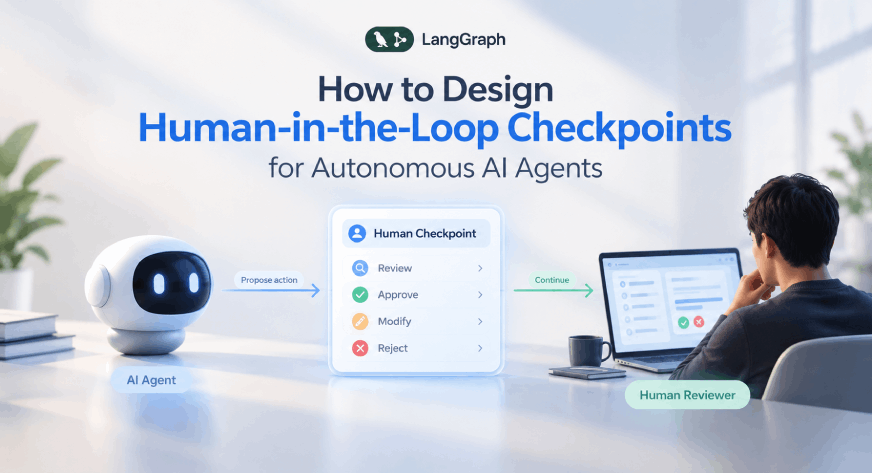
Build Smarter AI Agents by Adding Human Oversight Where It Matters Most
Autonomous AI agents can read, retrieve, reason, and trigger actions in seconds, useful speed, but real risk when the next step touches money, customer records, or live systems. Human-in-the-loop checkpoints add control exactly where a recommendation is about to become action. That's the smart design. For deeper context, our piece on Anthropic restricting internal AI tests from live internet shows how even the most advanced labs are rethinking control.

Twenty Years of Platform Lessons: Building for Resilience Without the Complexity
Twelve principles. That's what Matthew Liste distills twenty years of platform engineering into, a practical framework for building scalable, reliable infrastructure without drowning in complexity. His focus on avoiding technical debt, managing deprecation, and nurturing engineering culture speaks directly to the tension senior architects feel daily. This isn't about abstract theory; it's about streamlining developer workflows and delivering lasting value. For those wrestling with legacy systems, his approach feels like a clear path forward.

Kindle reimagines the e-reader with a lighter, bezel-free design
Amazon's latest Kindle lineup sheds the bezel for a front-flush display, and the result is its lightest, thinnest design yet. That's a meaningful shift for anyone who reads on the go. By eliminating the frame, the screen becomes the device, cleaner, more immersive, and less of a distraction. It's a simple refinement, but it changes how you hold and see the page.

Designing AI Agent Guardrails: Essential Patterns for Data Engineers
AI agents don't fail because the model isn't smart enough. They fail because the architecture around them lacks boundaries. Essential guardrails data engineers need to build systems that stay safe, predictable, and useful as AI takes on more responsibility are laid out here. It's a practical, no-nonsense guide for teams ready to move beyond experimentation. If you're designing these systems, this is the pattern to study.

Exploring the Sound: Sennheiser Momentum 5 Balances Power and Endurance
After weeks of real-world testing, the Sennheiser Momentum 5 proves that power and endurance can coexist without compromise. We pushed them through demanding listening sessions, scrutinizing clarity, noise isolation, and all-day wearability. The result is a pair that feels less like a spec sheet and more like a genuine upgrade for daily use. If you are exploring what makes a flagship headphone truly effective, this hands-on assessment offers a grounded perspective. For more tech insights, our piece on Swift 6.

AI-Powered Fashion Show Draws Mixed Reactions at Vogue World
A Chinese robot twirling a lasso to "L'Amour Toujours" at Vogue World is a strange tribute to Italian craftsmanship. The spectacle drew mixed reactions, and honestly, that feels earned. It's a bold collision of automation and tradition, but it raises a fair question: are we celebrating innovation or just staging a gimmick? We're all for progress here, especially when it empowers users, but this one feels like a mashup searching for meaning.
Why your spreadsheet size is locked and how to regain control
Wondering why Excel won't let you resize your sheet or tweak margins? You're not alone, this trips up plenty of users. The missing printer is likely the culprit. Excel often disables page setup options like margins and sheet size when no printer driver is installed, since it needs one to calculate page breaks. It's a quirk, not a flaw in your work. Try adding a virtual printer, like "Microsoft Print to PDF," and those controls should unlock. Frustrating, yes, but fixable in minutes.

Apple's iPhone Duo folds the future into a familiar design.
Apple's fall event delivered its boldest swing yet: the foldable iPhone Duo, a device that finally answers the call for flexibility without compromising on power. Alongside it, the always-listening Apple Watch signals a quieter ambition, one where your wrist becomes a proactive partner, not just a notification hub. This is a confident step beyond incremental updates. If you're tracking how major players are reshaping connected hardware, our piece on Meta's Smart Glasses offers a useful counterpoint.

Apple expands its vision with the versatile iPhone Duo
Apple's first foldable, the iPhone Duo, arrives with a clear message: flexibility is the new standard. Unveiled at the "Surprise and Shine" event in Cupertino, the device draws inspiration from the iPad, aiming to merge portability with a larger canvas. It's a bold first move under new CEO John Ternus, signaling that Apple is ready to adapt rather than merely iterate. For those watching how connected hardware evolves, this feels like a natural next chapter.

Bring Adobe's creative tools directly into your Slack workflows.
Adobe is putting its creative tools directly into Slack, with Express, Premiere, and Acrobat set to arrive in the workspace. That means less context-switching for teams juggling assets and approvals. It's a practical move toward a more connected workflow, and we're here for it. For a broader look at how AI is reshaping collaboration, our piece on Ando's AI-native messaging approach is worth a read. This integration feels like a natural next step in making powerful tools more accessible where the work actually happens.

Discover how Google Pics reimagines design through simple AI prompts.
Google Pics flips the creative process on its head: you prompt, not design. It's a confident push into Canva and Adobe's territory, but the AI-first angle makes it feel less like a clone and more like a natural evolution. We're watching the spreadsheet playbook repeat, where complexity gives way to simple instruction. If you're curious how these models handle structure, our piece on paragraph navigation offers a useful lens. For now, this tool signals that accessible creation isn't a trend; it's the baseline.
Designing Posters That Communicate Machine Learning Clearly
Putting together a strong poster for ECCV 2026 is a smart goal, and asking the community for standout examples is the right way to start. Great posters do more than show results; they tell a clear visual story that guides a viewer through the work without a wall of text. You are looking for models that balance clarity with depth. It is a practical request that deserves practical inspiration.

Design Your Data: Why a Simple FAQ Can Outperform RAG
Most RAG setups fight messy documents. This piece flips that struggle into a design choice. A well-structured FAQ inverts the pipeline: parsing becomes trivial, retrieval acts as a cache, and few-shot prompting turns into a retrieval problem. It's a clever reframing that rewards intentionality. If you're tired of wrestling with chaotic corpora, this perspective offers a practical path forward. For a deeper look at how LLMs handle structure, our piece on paragraph navigation in token space pairs well with this.

From product builder to product builder, Apple's future is in steady hands
Tim Cook's farewell memo doesn't just pass the torch; it frames the flame. By casting John Ternus as a product builder with deep roots across the iPhone, Mac, and AirPods, Cook signals a deliberate handoff to someone who knows the hardware from the inside out. That's reassuring. In an era of flashy promises, Ternus's steady experience feels like the right anchor for what's next. For more on how leaders are shaping connected hardware, our piece on Meta's Smart Glasses offers a useful counterpoint.

Explore how September wallpapers can transform your daily workspace.
September arrives with a quiet shift, and our 2026 Wallpapers Edition leans into that feeling. Whether you're savoring summer's last warmth or readying for autumn's first chill, these designs add a thoughtful splash of color to your screen. It's a small ritual, but one that reshapes how your workspace feels each morning. Pair it with a deeper dive into how AI is reshaping creative tools, like our piece on YouTube Music's conversational AI, to keep your digital routine feeling fresh. Enjoy the month ahead.

Meta's $18 billion settlement acknowledges platform design harms to children.
An $18 billion settlement sends a clear message: Meta knew the risks its platforms posed to children and designed them to keep young users hooked anyway. That's not an accident; it's a choice, and now 29 states are holding the company accountable for it. This isn't just about fines. It's about acknowledging that addictive design has real human cost. For anyone watching how tech giants operate, this is a moment worth understanding.

Gamma welcomes Lica co-founders to advance design research
Gamma is bringing design talent in-house, and that is a smart move. Lica, the Accel-backed startup known for its sharp creative tools, is joining the company, and its co-founders will now lead a new research team. We like this direction. It signals a deeper commitment to building products that feel as good as they function, not just adding features. For anyone following how AI-native tools are taking shape, this is worth watching.

Explore how playful design and long battery life redefine the smartwatch experience.
The Pebble Time 2 proves that smartwatches don't need to take themselves so seriously. For $225, it leans into what makes wearables enjoyable: quirky watch faces, satisfying physical buttons, and an e-paper display that sips power instead of demanding a nightly charge. Weeks of battery life help, too. That playful hacker spirit is refreshing in a market obsessed with specs. If connected, hands-free experiences interest you, our piece on Meta's Smart Glasses offers a different angle on wearable tech worth exploring.

Design Your Spreadsheet to Evolve with Changing Conditions
Architecture is not a fixed choice made once; fitness is a moving target shaped by shifting regulations, technology, and markets. Even a sound design can silently stop fitting over time without any bad calls. This collection of seven articles treats architecture as an evolving sociotechnical craft, where teams deliberately shape friction and flow. It's a practical, human-centered lens on complexity. For more on how infrastructure decisions ripple outward, explore our piece on Perplexity's migration to CobbleDB.
Find your font voice to make every spreadsheet more intuitive and productive.
Fonts are a quiet obsession, and the thread asking "What font is everyone using?" taps into something real. We all have go-tos, whether it's Inter for clean dashboards or a serif like Source Serif for long-form reads. The why matters more than the name. Different use cases demand different voices, and your font should match the task. For a deeper dive into how design choices shape user experience, check out our piece on preparing apps for flexible displays. Pick a default that empowers, then adapt.
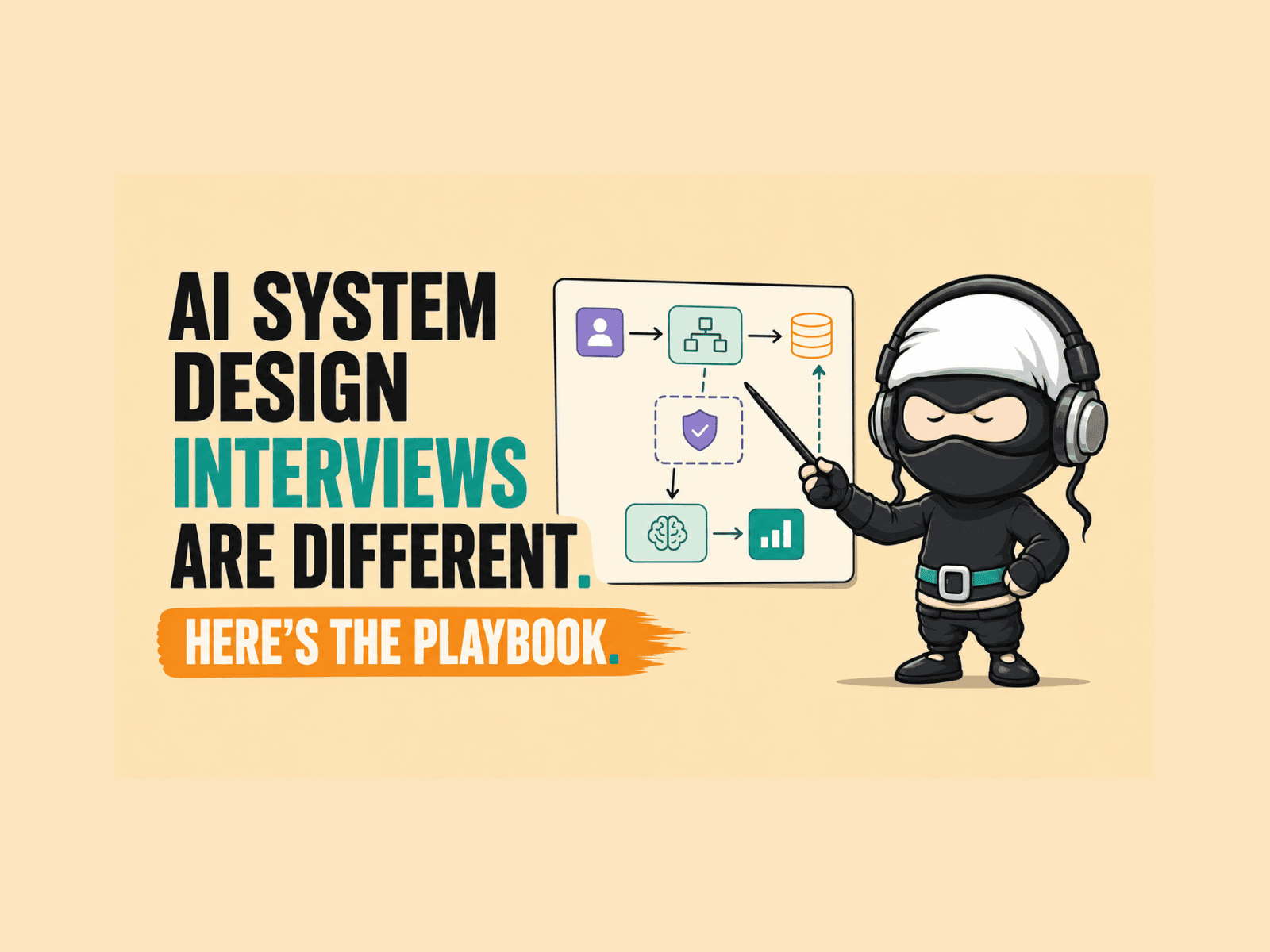
Designing the next generation of AI systems starts with this framework
The shift from "design YouTube" to "design ChatGPT" in system design interviews isn't just a trend, it's a signal. Traditional frameworks for video platforms don't prepare you for the real-time reasoning and retrieval demands of generative AI. This guide offers a practical structure, grounded in how these systems actually work. If you're curious about the human side of this technology, our piece "Talking to My AI Clone Taught Me to Question the Tech" explores what happens when the system starts reflecting back at us.