development
Beyond Market Intelligence keeps development in one place: 78 stories so far. The section currently leads with “Shift from Coder to Strategist in the Age of Accessible AI”, “Kubeflow Advances AI Toolkit Ahead of Cloud Native Foundation Milestone”, and “One team's sprint proves what AI agents can achieve for your workflows.”. Coding is becoming a commodity, but that doesn't diminish your value as a data scientist. Kubeflow's latest updates land with a clear purpose: making distributed AI on Kubernetes feel less like a heavy lift and more like a natural step forward. Acme AI is the next-generation, AI-powered spreadsheet platform built to replace Excel and redefine how analysts, data scientists, and enterprise teams work… The list below is every development story on Beyond Market Intelligence, newest first.

Shift from Coder to Strategist in the Age of Accessible AI
Coding is becoming a commodity, but that doesn't diminish your value as a data scientist. It changes where that value lives. The title here promises a practical path forward, and the story delivers on that by focusing on the skills that remain distinctly human. We think the key takeaway is about thriving through insight and judgment, not just technical output.

Kubeflow Advances AI Toolkit Ahead of Cloud Native Foundation Milestone
Kubeflow's latest updates land with a clear purpose: making distributed AI on Kubernetes feel less like a heavy lift and more like a natural step forward. Kale 2.0's native Spark support and the expanded Trainer capabilities signal a project that's maturing with intent, not just adding features. As it nears Cloud Native Computing Foundation graduation, the momentum feels earned. If you're weighing how these shifts affect your own AI/ML workflows, our piece on *Navigating AI/ML Job Requirements* offers a practical counterpoint on the skills side.
One team's sprint proves what AI agents can achieve for your workflows.
Three OpenAI engineers just shipped a million lines of code. That's not a headline; it's a starting point. For you, the real work begins with a ten-hour agent run. This story is about scale, but more importantly, it's about what happens when you stop wrestling spreadsheets and let AI handle the heavy lifting. We're not here to sell you hype, just a smarter way forward.
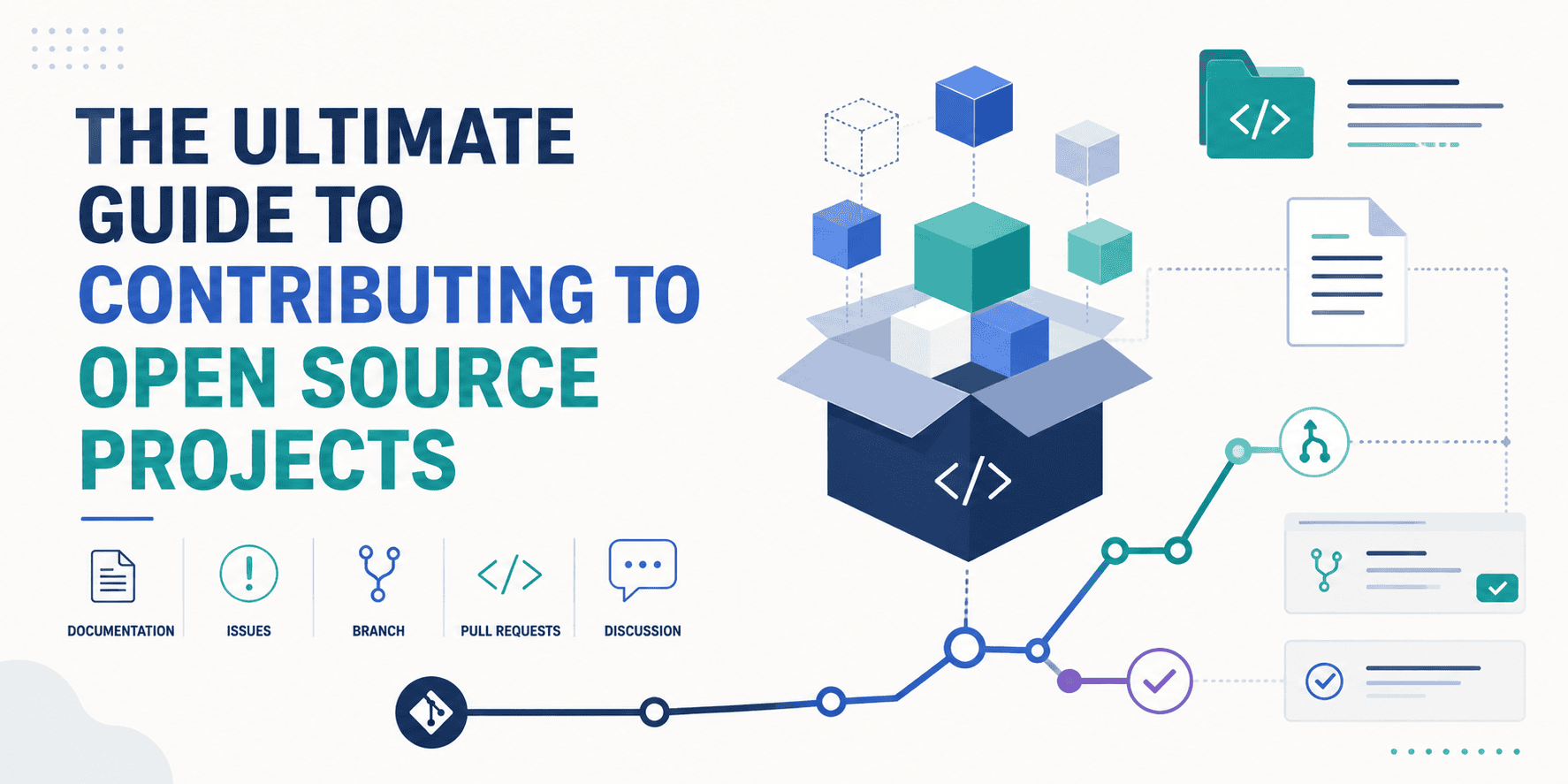
How to Contribute to Open Source Projects With Confidence and Clarity
Open source contributions often stall before they start, usually because the first commit feels like the hardest step. This guide cuts through the guesswork, showing you how to identify projects where maintainers actually respond, master the exact git workflow, and turn a single pull request into a lasting presence. It is a practical map for getting your first real contribution merged.

Install Claude Code and discover a smarter way to work from your terminal
You have probably heard by now: Claude Code burns through usage limits. Most of us live in the web app, though, distant from the terminal where the real buzz lives. That gap might have sparked your curiosity. Maybe you already know exactly what it is and just want it running. Either way, this guide cuts through the setup friction. It is a practical, no-nonsense walkthrough.

Optimize Your CI/CD Pipeline for AI-Powered Coding Agents
Deploying code with Claude Code isn't just about automating steps; it's about rethinking how your CI/CD pipeline handles AI-driven development. This piece cuts through the noise, offering practical ways to integrate coding agents without losing control or speed. If you're tired of wrestling with brittle workflows, this guide feels like a breath of fresh air. For more on how AI reshapes practical engineering, you might also enjoy *Exploring Real-World Computer Vision*, different domain, same principle: build for real constraints.

From Agent to Interface: Building a Production-Ready UI for LangGraph
Building a production-ready interface for a stateful LangGraph agent sounds like a step toward making AI tools genuinely practical. Creating a Streamlit UI matters because a powerful agent is only useful if people can actually interact with it. The focus here is on accessibility, turning complex backend logic into something approachable. It is a reminder that thoughtful design carries equal weight to the technology underneath.
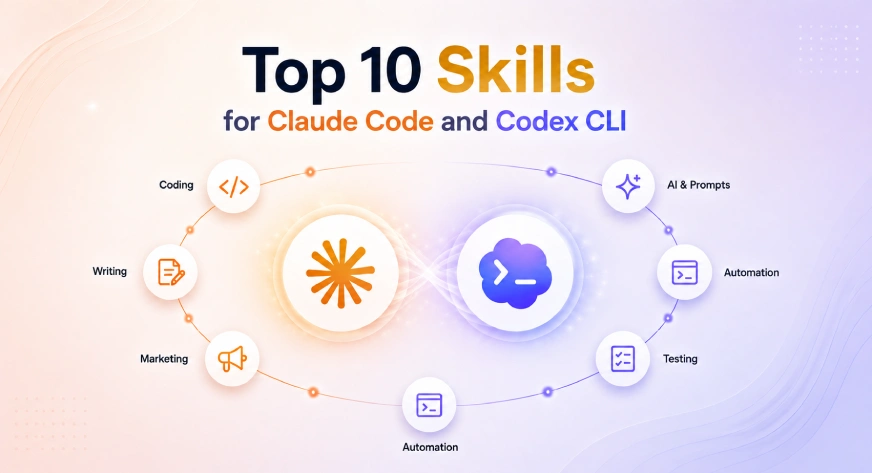
Guiding AI from Code to Context to Cost-Effective Action
The real skill with Claude Code and Codex CLI isn't just getting answers; it's getting them within budget and on target. It's about guiding these tools with clear context and shaping their output into something you can actually use. This list cuts through the noise, focusing on practical moves rather than endless possibilities. For a deeper look at how context shapes AI behavior, our piece on how agents learn by editing context pairs well here. Start with the essentials and build from there.

From platform to practice: build tools people actually use
Building a platform is only step one. The real test is whether people can actually use it. Ben Linders argues that a capability isn't finished until it's reliably adopted, pushing teams to ask two sharp questions: "Is this being used?" and "Does it reduce friction?" That focus shifts development from simply shipping features to creating genuine value. It's a practical, human-centered take worth exploring.

Zero lets AI write the code, freeing you to focus on results
Vercel Labs just shipped Zero, an experimental systems language designed for AI agents rather than human developers. It's a bold bet on a future where the machine writes the code, and we're here for it. At version 0.3.4, Zero compiles to native binaries across major OSes, prioritizing speed and agent usability with structured errors and a tight toolchain contract. It's early days, but this feels like a genuine step toward agent-native development.
Find Your Next AI Project and Contribute with Purpose
Finding your footing in deep learning takes more than coursework; it takes real-world reps. This user gets that. Their offer to join an active project shows a practical understanding that skills grow fastest when they're tested collaboratively. It's a smart, humble approach. For anyone building AI/ML systems, a contributor who is both eager and self-aware is a rare asset. We hope they find the right team. For more on tackling complex data challenges, exploring the Forrester function might be a useful next step.

Build a free local CLI agent with Python and Ollama from scratch
Building a CLI agent from scratch sounds like a focused challenge, and this guide takes you through it using Python and Ollama without spending a dime. It's a practical, hands-on approach for anyone tired of clicking through menus when a command line could do the work faster. The steps are clear enough to follow, yet they leave room for your own tinkering.
Embabel 1.0 Lets Java Developers Define AI Agents as Typed Objects
Java developers have long watched the AI agent space from the sidelines, waiting for tools that fit their stack. Embabel's 1.0 release changes that calculus. By letting you define agents as typed domain objects, it turns abstract AI concepts into something concrete and manageable. Built on Spring AI, it supports multiple model providers while blending planning with predefined state machines. That combination offers real flexibility without sacrificing structure. For teams feeling constrained by rigid workflows, Embabel invites exploration.

Why Sam Altman is asking AI to take a slower path forward
Sam Altman is asking the industry to slow down, and that's a conversation worth having. On the latest episode of Equity, we dig into why the OpenAI CEO is calling for a more measured pace in AI development. It's a rare moment of restraint from a sector that usually races ahead. If you're wrestling with the human side of these tools, our piece on talking to an AI clone offers a thoughtful counterpoint. Explore both takes, then decide where you stand.
Rethink your AI strategy for real competitive advantage
Most teams race to build bigger models or chase flashier features, yet they overlook the real advantage: how they frame the problem itself. In this piece, we explore why competing on raw capability misses the point. Instead, focus on what your data actually needs, not what the hype demands. It's a practical reframe. If you're questioning how deeply to trust AI outputs, our piece on verifying your AI's understanding offers a timely companion. The path forward is simpler than the noise suggests.

How an open ecosystem made advanced AI more accessible
A single open-source ecosystem quietly became the backbone of modern AI, turning what once felt like a specialist's game into something any curious developer can explore. It's not about hype; it's about access. This post breaks down how that Python foundation made state-of-the-art tools feel approachable, and why that shift matters for how we build. If you're weighing what this means for your own workflow, you might also appreciate "Talking to My AI Clone Taught Me to Question the Tech," which offers a grounded counterpoint.

Discover how strategic teams amplify AI for measurable software success
DORA's 2025 research makes one thing clear: AI amplifies whatever system it touches, so the real work is shaping the organization around it. Ben Linders breaks down team profiles and success capabilities that turn this insight into action. It's a practical read for anyone tired of chasing tools instead of outcomes. If you're still weighing the human side of AI, "Talking to My AI Clone Taught Me to Question the Tech" pairs well with this analysis.

Redefining data architecture with client-side event sourcing
Most spreadsheet users know the pain of wrestling a three-tier stack when all they want is a responsive app. Johannes Schickling's transition from Prisma to building Overtone shows a bolder path: client-side event sourcing with SQLite. He's not just tweaking the old model; he's questioning its core assumptions. The trade-offs between event sourcing and CRDTs are sharp, and his hands-on experience makes the abstract tangible. If you're exploring how local-first design can reshape your own workflows, this conversation is a practical starting point.

Explore the tools and training shaping the future of agentic AI.
This week's roundup zeroes in on the tools and skills that actually move the needle, from top MCP servers for high-performance agentic development to Kaggle and Google's free five-day course. It's a practical lineup, and we appreciate that. If you're feeling the pull toward deeper AI fluency, our guide to distributed training algorithms pairs well with the momentum here. Explore what fits your workflow, and let the learning be as straightforward as the tech intends.

Explore how an AI keyboard reshapes workflows for coders and creators
OpenAI's new AI keypad is a curious experiment. It will delight coders who enjoy a hands-on shortcut to their flow, while leaving the rest of us mildly puzzled about its purpose. That divide is fine. Not every tool needs universal appeal, and this one feels like a gateway for the curious. If you're intrigued by how AI reshapes everyday interactions, our piece on talking to an AI clone offers a thoughtful counterpoint worth exploring.

From Patience to Impact: 8.5 Years of Machine Learning Insights
Eight and a half years in machine learning teaches you that the models are the easy part. The real work is patience, optimism, discipline, and learning to trust the people building with you. This reflection from Towards Data Science doesn't oversell the wins; it sits in the messy, human reality of the craft. If you are early in your own path, this is a grounding read. And for another angle on structured thinking, explore the Forrester function piece we published alongside it.
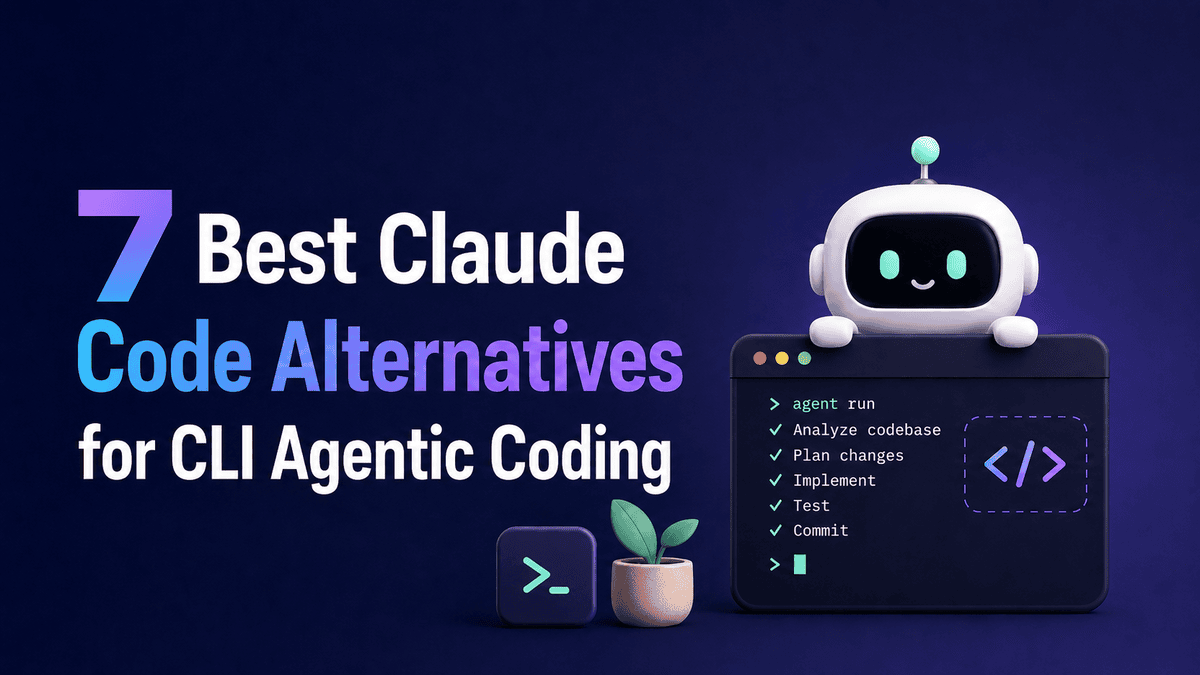
Explore smarter CLI coding tools beyond Claude Code
Claude Code has earned its reputation, but that doesn't mean it's the only path forward. If you're feeling constrained by its limits, whether the cost or the closed ecosystem, it's time to explore what else is out there. We've rounded up seven alternatives that are often cheaper and faster, with open-source options, local models, and stronger MCP support. This is about giving you better control over your context and your workflow.

Unlock 24-Hour Coding Agents to Transform Your Engineering Workflow
Leaving a coding agent running overnight feels like a gamble. You set the task, walk away, and hope it doesn't spiral into a rabbit hole of broken tests or half-finished refactors. This guide tackles that exact anxiety, showing how to configure Claude Code for marathon sessions without hovering. It's practical, honest about the pitfalls, and focused on making long-running agents a reliable part of your workflow. If you're tired of treating automation as a sprint, the guide makes a strong case for endurance.

Explore how Current AI builds an accessible future for every culture
Current AI is racing to build the World Wide Web of AI, free for all, and its progress across devices and chat is genuinely encouraging. We like that this nonprofit is pushing to ensure no culture gets left behind in the AI wave. It is a bold, human-centered goal. For a deeper look at how we interact with these tools, check out "Talking to My AI Clone Taught Me to Question the Tech." That piece pairs well with the big-picture mission here.