development
Beyond Market Intelligence keeps development in one place: 78 stories so far. The section currently leads with “Learning from AI's missteps to build more resilient data tools”, “Design with precision using AI to guide your app's visual identity.”, and “An insider's view on why the US: China AI rivalry may be overstated”. Apple's Siri kept missing its own deadlines, and OpenAI's messy "super app" launch never found its footing. Consistent design shouldn't be a happy accident. Acme AI is the next-generation, AI-powered spreadsheet platform built to replace Excel and redefine how analysts, data scientists, and enterprise teams work… The list below is every development story on Beyond Market Intelligence, newest first.

Learning from AI's missteps to build more resilient data tools
Apple's Siri kept missing its own deadlines, and OpenAI's messy "super app" launch never found its footing. They now sit in the AI graveyard, a running list of projects and startups that didn't make it. That list is worth studying, not for schadenfreude, but for clarity. Building AI is hard, and shipping it well is harder. If you want to understand why some efforts stumble while others scale, start here.
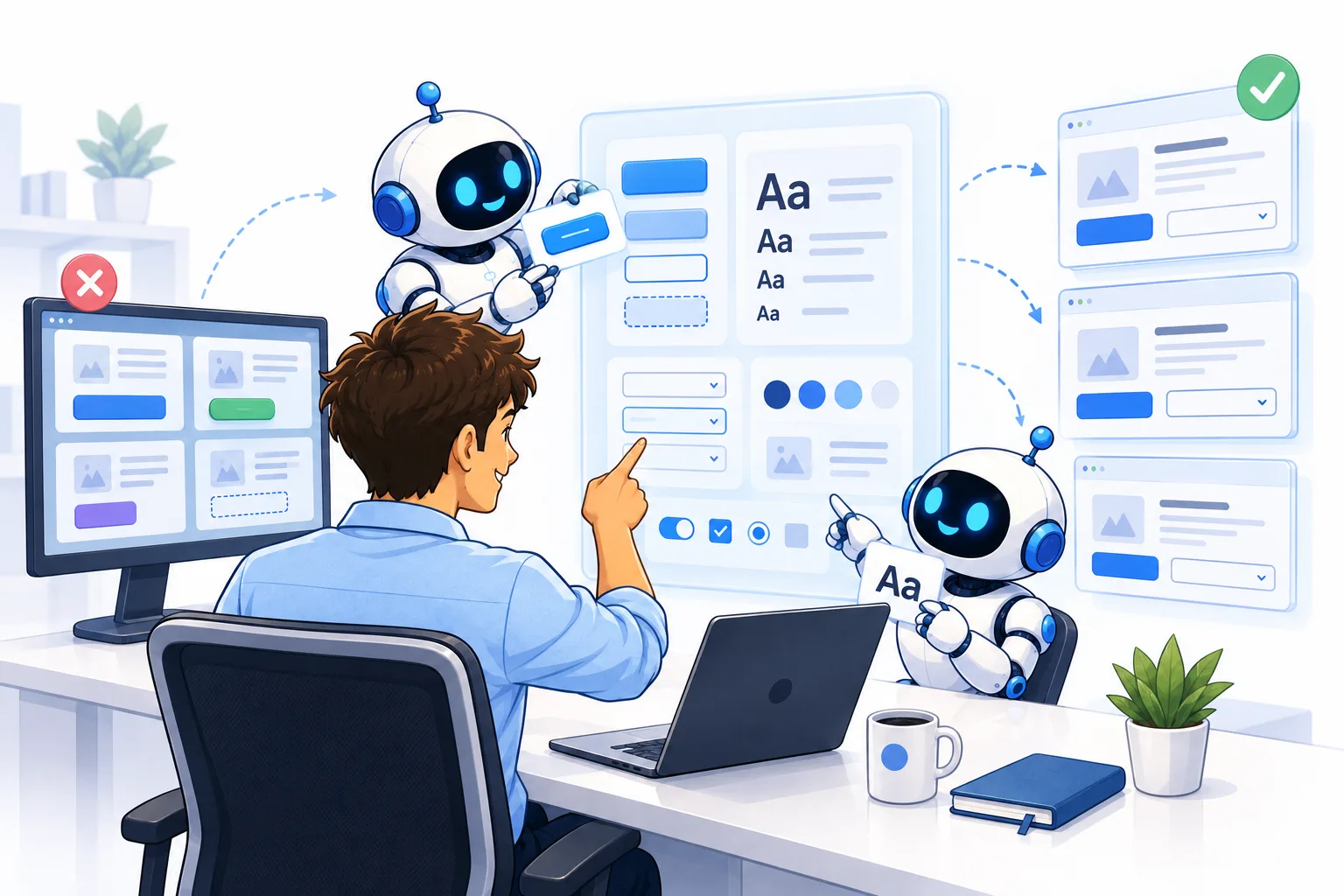
Design with precision using AI to guide your app's visual identity.
Consistent design shouldn't be a happy accident. If you're tired of patching together styles across projects, Claude Code offers a practical path to professional-looking apps without the usual friction. This guide walks through how to build design systems that actually stick, turning messy workflows into something repeatable. It's a smart, accessible approach for teams ready to move beyond manual fixes. For more on applying AI to real-world challenges, explore our piece on computer vision deployments. The takeaway? Consistency is a skill you can code.
An insider's view on why the US: China AI rivalry may be overstated
A former insider who has worked on both sides of the US, China AI landscape argues that the so-called arms race is more perception than reality. It's a rare perspective, one that cuts through the noise and challenges the assumption that the two superpowers are locked in a zero-sum contest. The real story is more nuanced, and more human. For readers still wrapping their heads around how AI is reshaping technical roles, our piece on shifting ML job expectations offers a grounded follow-up.

Move Beyond Static Skills to Build Agent Knowledge That Adapts
The panic over agent skills is aimed at the wrong target. Static files aren't the bottleneck; the real shift is treating knowledge as a build artifact, something dynamic and versioned. That costs more than dropping a prompt into a folder. It demands a model where skills evolve with your data, not alongside it. We're not talking about inflation, but about engineering discipline. For a deeper look at how such dynamic thinking applies elsewhere, explore the Forrester Function piece. This is where agent capability gets serious.

Rustls Turns Ten: A Decade of Secure, Accessible TLS Innovation
Ten years ago, Rustls began as a grassroots experiment. Today, it stands as a funded, open-source pillar for secure communication, shaped by key organizational contributions and marked by real milestones like post-quantum cryptography. We find that kind of sustained, practical evolution genuinely impressive. The upcoming 0.24 release, with its focus on architectural flexibility and improved session handling, signals a mature project that refuses to stagnate.

Khosla Ventures plants a New York flag this fall
Khosla Ventures is planting a flag in New York this fall, its first outpost beyond Sand Hill Road, and the buildout is reportedly underway. Rabois's wry nod to a missed construction timeline or two suggests he knows the drill. It's a deliberate step toward engaging a broader ecosystem of builders and thinkers. If you're tracking how capital is moving east, our piece on the $5.75B surge in AI-native investments offers useful context. This move feels less like expansion, more like commitment.

From Product Focus to Value Centers That Empower True Agency
Autonomous teams have become an article of faith in software development, but that faith often overlooks a critical tension. The shape of our value determines what we can do, including the trade-off between agency and coherence. Ben Linders suggests we move beyond product focus entirely, toward value center thinking. It's a practical reframing that puts purpose first. If you're exploring how teams actually organize around outcomes, this is a worthwhile perspective.

Python Welcomes RISC-V as a Tier 3 Platform
RISC-V just earned its place in CPython's official lineup, and that's worth paying attention to. The core development team's move to Tier 3 status signals real momentum, built on genuine community collaboration rather than hype. It's a practical step forward, though the real test lies in tightening the continuous testing pipeline and chasing that Tier 2 goal. If you're working with RISC-V hardware, your feedback could shape that journey.

Massachusetts tightens clean energy rules for data center growth
Massachusetts just became the third state in as many months to impose new clean power rules on data centers. That's a clear signal: the era of unchecked energy consumption for digital infrastructure is closing. We support the move. It's a practical step toward aligning growth with environmental responsibility. For a deeper look at how the industry is adapting, our piece on Crusoe pausing its Boom turbine deployment offers useful context. This is about building a sustainable path forward, not just building bigger.
AI Evolves: GPT-6 Astra Redefines Data Exploration.
GPT-6 Astra isn't just another step forward; it's a leap into how we interact with data. This new model doesn't merely answer questions, it explores the relationships hidden in your spreadsheets, turning raw numbers into narratives you can act on. For anyone who has felt buried under columns and formulas, this is an invitation to work smarter, not harder. We're eager to see how you'll use it.

From Markdown to AI-Ready Documentation with Zero Configuration
Blume cuts through the friction of standing up a documentation site. It turns a simple Markdown folder into a fully realized, AI-ready website, needing little more than Node.js and a single file to start. Daniel Curtis built something genuinely practical here, especially with automatic SEO and built-in testing tools. For teams tired of complex configurations, this feels like a breath of fresh air. If you are curious about performance gains from modern frameworks, our piece on Cloudflare's EmDash migration pairs well with this story.

Explore how sharing your AI prompts unlocks a deeper discount.
Meta is offering a steep discount on its Muse Spark model, roughly 95% off, to users who share their prompts and outputs. It's a straightforward trade: your usage data helps train future iterations, and you pay far less in return. That's a pragmatic deal, though it does raise a fair question about what your contributions are worth. For a deeper look at how AI agents are being deployed in practice, our piece on real-world computer vision offers useful context.

Discover how to guide AI agents toward code you can trust
Writing code with AI agents is about more than generating lines faster. It's about steering the output toward quality. This practical guide cuts through the noise, showing you how to work with these tools to get better code, not just more of it. We appreciate the focus on real workflows over hype. For a deeper look at the underlying mechanics, you might also explore our piece, "Unlock LLM Training: A Practical Guide to Distributed Algorithms."
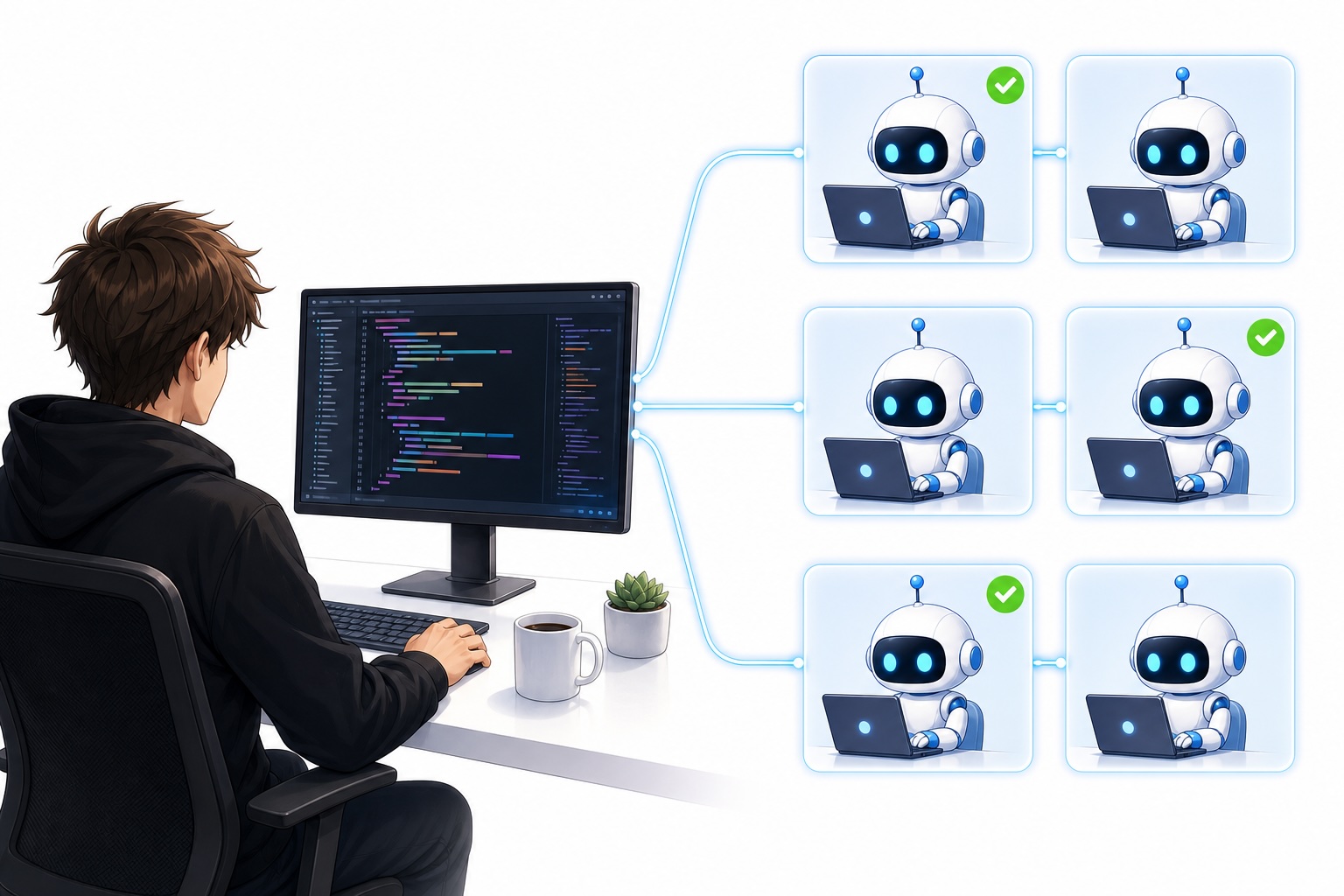
Unlock Smarter Workflows by Managing Hundreds of Coding Tasks
Claude Code is built to handle the heavy lifting, but the real skill lies in knowing how to direct it across a hundred or more distinct tasks. This guide cuts through the noise, offering a practical approach to structuring your prompts and workflows so you're not just issuing commands, but truly collaborating with your coding agent. It's about turning a useful tool into a dependable partner.

Replit's CEO on stage to share a practical vision for coding's future
When Amjad Masad takes the Disrupt Stage at TechCrunch Disrupt 2026, he'll bring a clear-eyed view of where programming is headed. As CEO and co-founder of Replit, Masad isn't just building tools; he's shaping how we think about creation itself. Expect a conversation that cuts through the noise, focusing on practical transformation rather than hype. For more context on how digital infrastructure is evolving, our piece on Cloudflare's Blog Finds Performance Gains with EmDash offers a useful parallel.

Explore how AI assists workflows but leaves complex coding to humans.
Asgaut Mjølne Söderbom and Ola Hast have moved past continuous deployment and pair engineering, yet their latest experiment with Claude Code revealed a sharp boundary. They find AI excellent for many tasks, but not for the messy reality of brownfield coding. This episode digs into why human collaboration still carries the weight where AI vibes fall short. For more on questioning AI's limits, check out "Talking to My AI Clone Taught Me to Question the Tech."
How to Write Specs That Keep Your AI Projects on Track
The spec passed. The plan passed. Claude ran the tests, reported green, and you trusted it. Then you looked at the diff the next morning and found the output had drifted from your intent in ways the test suite never caught. That is the failure mode nobody warns you about. Writing bulletproof specs is about more than clarity; it is about building guardrails that survive contact with an AI that fills gaps confidently.

Nvidia's latest data center investment deepens its AI infrastructure reach
Nvidia's latest move into data center development with Cloverleaf signals a clear bet on the very infrastructure fueling its own growth. It's a familiar loop: Nvidia invests in the facilities that power AI, and those same facilities generate the demand that keeps its chips indispensable. That's not coincidence; it's strategy. If you're curious about how AI reshapes more than just hardware, our piece on talking to an AI clone offers a thoughtful counterpoint.

Discover how Pocket transforms game creation into an accessible AI experience.
Meta is bringing Pocket, its experimental AI-powered app for creating and sharing interactive games, to users across the U.S. after quietly testing it in Brazil. That's a smart next step for a tool designed to let you vibe-code and share what you build. We like seeing Meta lean into accessible creation tools that lower the barrier to entry. If you're curious about how AI reshapes creative work, our piece on talking to an AI clone offers a thoughtful counterpoint worth exploring.

Inertia Enterprises speeds fusion fuel process from weeks to hours
Cutting fuel-fill time from a week to a few hours is the kind of breakthrough that makes fusion feel tangible. Inertia Enterprises just cleared one of 10 hurdles blocking a profitable plant, and that momentum matters. It's not flashy, but it's the hard, practical work that moves the needle. For more on how infrastructure bets are shaping this space, check out our piece on Anthropic's Akamai cloud commitment.

Next.js 16.3 makes development faster with smarter memory and instant navigation
Next.js 16.3 cuts development memory usage by up to 90% and speeds up builds, which is exactly the kind of relief developers have been waiting for. Vercel's Instant Navigations deliver client-like speed without sacrificing the server-rendered architecture that keeps things solid. That balance matters. We appreciate the honest note about gradual adoption, since new power always comes with caveats. For teams juggling AI workflows, pairing this with our look at scaling AWS deployments through the Stateless Model Context Protocol could round out your optimization playbook.
Discover the five software types you can build with AI-native spreadsheets.
If you've ever stared at a blank spreadsheet and felt the limits of what it can do, you're not alone. I mapped out the five kinds of software you can actually build, and the range is wider than most of us assume. This isn't about forcing a tool to fit; it's about seeing the possibilities clearly. For a deeper look at how AI reshapes our assumptions, our piece on talking to an AI clone offers a fitting companion.
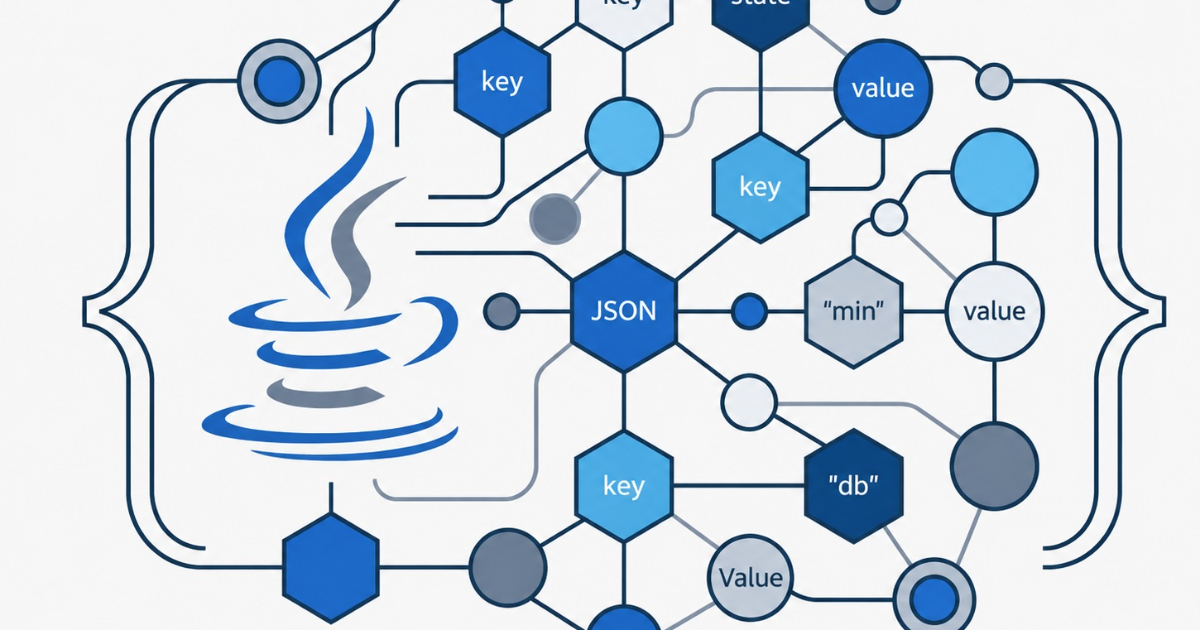
Explore how a native JSON API simplifies data handling in JDK 28.
JEP 540 has moved to Target status for JDK 28, and that's worth paying attention to. It brings a compact JSON API that handles parsing and generating documents without dragging in external dependencies. The immutable value hierarchy keeps things clean, and strict syntax rules mean fewer surprises. What stands out is the focus on core tasks, not endless features. Feedback during incubation will refine it further. For developers tired of bolting on libraries for basic JSON work, this feels like a step toward simpler workflows.

Explore how LLMs can streamline your software project workflows
Project management often feels like juggling timelines, tasks, and shifting priorities. With AI, that balancing act becomes less about guesswork and more about precision. This guide shows software engineers how to leverage LLMs to streamline workflows, cut through administrative noise, and focus on what truly moves projects forward. It's a practical, no-fluff look at turning AI into a reliable project partner. For those questioning how deeply to trust such tools, our piece on talking to an AI clone offers a thoughtful counterpoint worth exploring.