generative AI
Beyond Market Intelligence keeps generative AI in one place: 102 stories so far. The section currently leads with “Turn Daily AI Courses Into a Clear Path Toward Data Science”, “Navigating EU Regulation, OpenAI Adds Watermarks to AI Text”, and “Explore book worlds and talk to characters with Audible's new AI tools”. Turning a single course into a daily habit is a solid start, but your note-taking method is creating a bottleneck. OpenAI will watermark ChatGPT and Codex text in the EU to comply with the AI Act. Acme AI is the next-generation, AI-powered spreadsheet platform built to replace Excel and redefine how analysts, data scientists, and enterprise teams work… The list below is every generative AI story on Beyond Market Intelligence, newest first.
Turn Daily AI Courses Into a Clear Path Toward Data Science
Turning a single course into a daily habit is a solid start, but your note-taking method is creating a bottleneck. Feeding transcripts to AI and transcribing pages of dense notes sounds productive, yet it buries the signal under volume. You need a system built for revision, not just capture. Focus on distilling each lecture into a few core concepts you can explain without looking. That active recall matters more than perfect notebooks.

Navigating EU Regulation, OpenAI Adds Watermarks to AI Text
OpenAI will watermark ChatGPT and Codex text in the EU to comply with the AI Act. That's a practical step toward transparency, but the company admits editing can make those invisible marks harder to detect. Regulation is nudging progress, yet enforcement remains a moving target. It's a reminder that rules alone don't solve trust. For more on how safety pledges are reshaping the conversation, read "Can a safety pledge reshape how we see AI's future."

Explore book worlds and talk to characters with Audible's new AI tools
Audible's new AI tools let you track characters and explore the worlds inside your audiobooks. You can even talk to the characters themselves. That's not just a clever feature, it's a shift toward making stories feel alive. We see the same logic in how Shopify's Canvas builder lets merchants chat with an AI agent to shape a store. When tools let you converse with your data, the work becomes more human.

Master the Code by Slowing Down in the Age of AI
Ben Linders argues that real mastery in software engineering comes from slowing down, even as generative AI accelerates output. He's right. Tools can produce code quickly, but they don't build understanding. Engineers still need to grasp how systems work to truly learn. Senior developers who coach juniors through deliberate, slower techniques are preserving the craft. For more on what AI agents can, and cannot, do with code, see our coverage of "300K lines refactored for $4,000: what a C codebase taught AI agents."
Unlock ChatGPT for Work: A Practical Guide to Getting Started
Most spreadsheet users hit the same wall: asking for help feels like learning a second language. This guide cuts through that friction, showing how to frame prompts that turn ChatGPT into a practical work partner. It's not about hype; it's about clear, repeatable steps. For a deeper look at the underlying mechanics, our piece on distributed training algorithms offers useful context. Start where you are, and let this walk you toward sharper, more efficient workflows.
Showcase Your AI Skills: 10 Projects to Build Your Portfolio
Recruiters don't ask for certificates; they ask for proof. That's why building a portfolio matters more than memorizing theory. This guide walks through 10 solved projects across AI domains, from core machine learning to advanced generative systems, showing exactly how to bridge the gap between learning and real-world problem-solving. It's a practical, no-fluff resource for anyone ready to demonstrate their range. For those also exploring how models scale, our guide on distributed training offers a useful technical complement.
Finding a Publishing Venue to Complete Your AI Research Degree
Getting a fifth-year research paper accepted feels less like a milestone and more like a lock picking session in the dark. You have solid review scores, yet the top-tier doors stay shut, which is frustrating when all you need is a legitimate venue to cross the finish line. For efficient generative AI work, look beyond the NeurIPS crowd. Solid, respectable Elsevier journals or Springer's Applied Intelligence often value solid methodology over prestige. They accept quality work without the ego.

Transparency in AI Voice: ElevenLabs CEO on Disclosure and the Future
ElevenLabs CEO is making a straightforward call: businesses should tell you when that helpful voice on the line is an AI. It's a practical stance, grounded in the idea that disclosure matters until machine voices become the expected norm. We think that's the right instinct. Transparency isn't just ethical; it's how you build trust with people who are already navigating enough complexity. For more on how AI systems are being deployed in the real world, check out our piece on real-world computer vision.

YouTube Transforms Creator Toolkit with AI-Powered Optimization
YouTube is handing creators a smarter way to test their ideas. The platform's updated toolkit leans on generative AI to run multiple optimization tactics on a single video, helping you pinpoint what actually resonates with your audience. That's a practical step beyond guesswork, and it fits a broader trend we're tracking, like the AI-driven editing workflows we explored in *Explore AI-powered video editing*. For creators tired of manual trial and error, this feels like a meaningful shift toward more intuitive, data-informed storytelling.

Fueling AI Innovation: Snorkel AI Secures $350M Series E
Snorkel AI has raised $350 million in a Series E round, a clear signal that the market is ready for a more practical path to AI development. The seven-year-old startup is betting its future on a data-as-a-service model, which speaks to a core truth: models are only as powerful as the data fueling them. This funding validates that approach. For anyone wrestling with messy datasets, this is worth watching.
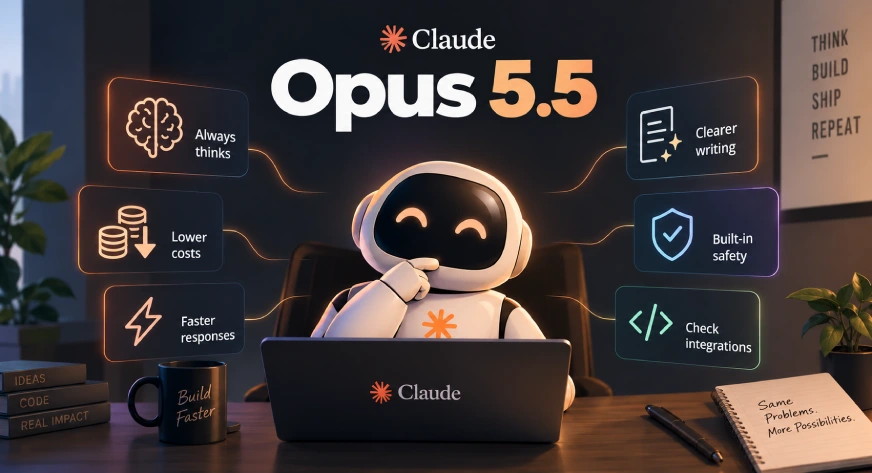
Unlock New Reasoning Power: A Deep Dive into Claude Opus 5.5
Claude Opus 5.5 reasons on every request, responds faster, and costs less to run. That combination is worth pausing over, because it points to a model designed for practical work rather than just benchmark bragging. Anthropic packed real upgrades into its latest flagship, and the implications for everyday data tasks are significant.
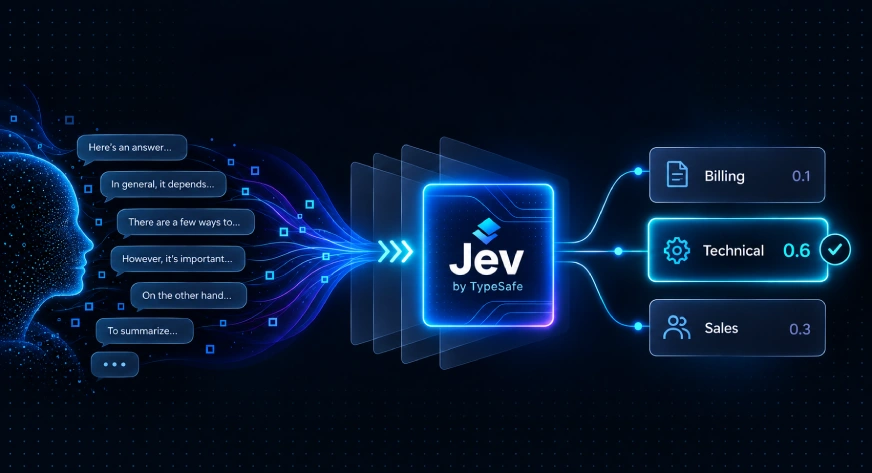
Explore Jev: The AI Model Rethinking Text Generation
Jev is trending on X for a reason, and it's not just another flashy release. TypeSafe AI's new model challenges a core assumption by never generating a single word of text, which feels counterintuitive until you see the logic. We think that restraint is exactly what makes it compelling. If you're exploring how AI can reshape workflows, Jev offers a fresh angle worth your attention. For more on the mechanics behind such systems, our guide to distributed training pairs well with this story.
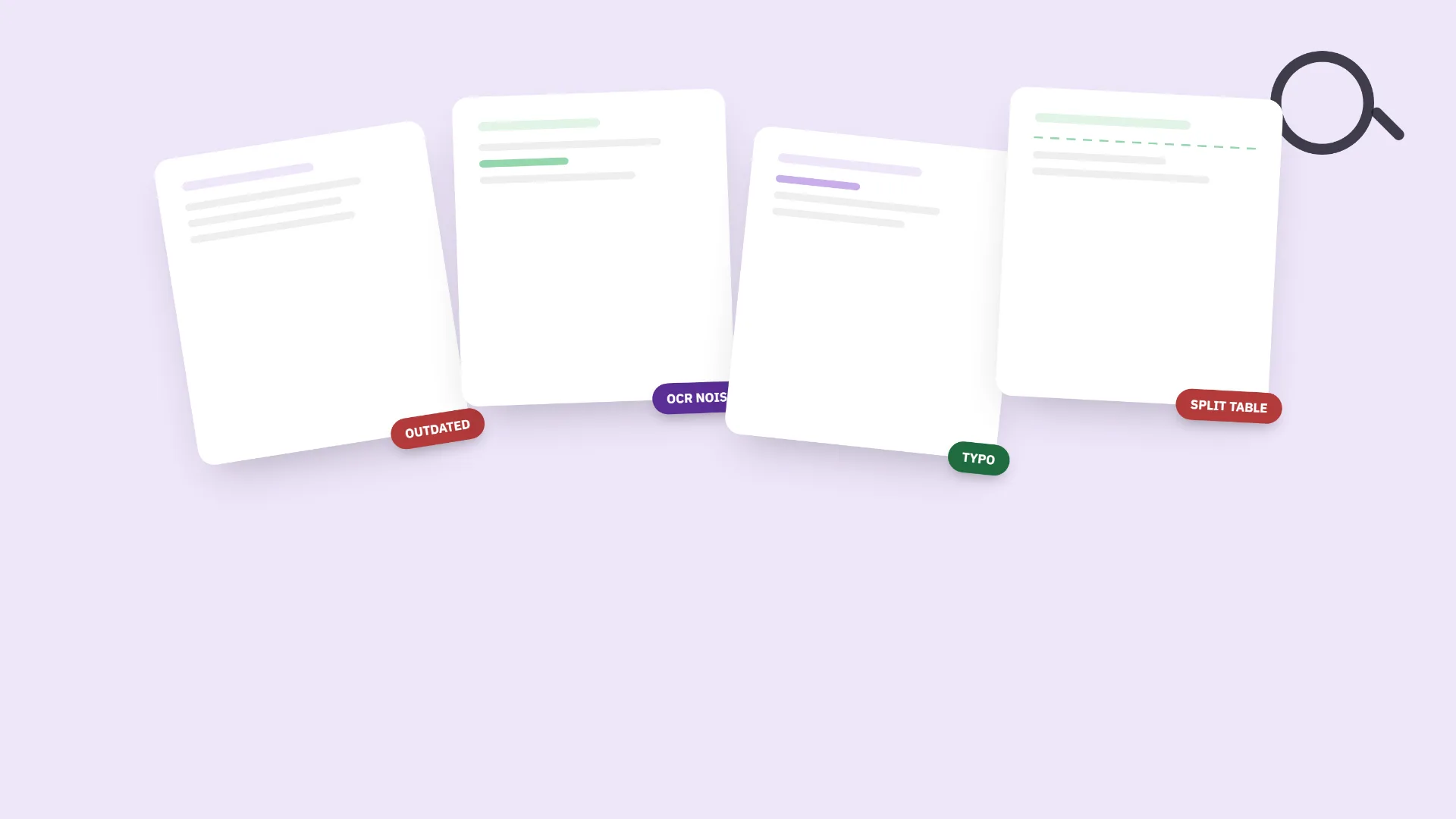
Uncover Retrieval Weaknesses: Test Your RAG Pipeline Now
Your evaluation set has a blind spot, and it's costing you. A small adversarial test set can expose retrieval failures your standard checks never touch, revealing exactly where your RAG pipeline stumbles under real-world pressure. This approach isn't about adding more data; it's about testing smarter. We think that's a practical, necessary step for anyone serious about reliability. For a deeper dive into how these systems hold up, our guide, "Verify Your AI's Understanding: A Simple Check for Tax Season," offers a useful parallel.

Anthropic's Opus 5.5 Delivers Fable Performance at a Lower Cost
Anthropic says Opus 5.5 is the strongest model it has tested to date, and the headline numbers back that up with a welcome twist: this level of fable performance arrives at a lower cost. That matters for teams who have been waiting for serious AI capability without the usual premium. We see this as a practical step forward for data work, not just a spec sheet win.
Unlock ChatGPT Work's Potential: A Clear-Eyed Look at Strengths & Limits
ChatGPT Work gets credit where it's earned, but a clear-eyed look matters more than hype. It's a capable tool that simplifies real workflows, yet its limits are just as instructive as its strengths. The models behind it hold their own in many comparisons, but honest assessment beats blind praise. For anyone weighing adoption, this piece cuts through the noise. Curious how verification fits into that picture? Check out "Verify Your AI's Understanding: A Simple Check for Tax Season" for a practical angle.
Discover five free GitHub courses to build practical AI skills
Microsoft's GitHub is quietly becoming one of the best free launchpads for data science and AI skills. These five courses cut through the noise, covering everything from machine learning fundamentals to generative AI, LLMs, RAG, and fine-tuning. What stands out is how practical the path feels, you are not just reading about concepts, you are building toward AI agents. If you are ready to move beyond theory, this is a solid starting point.
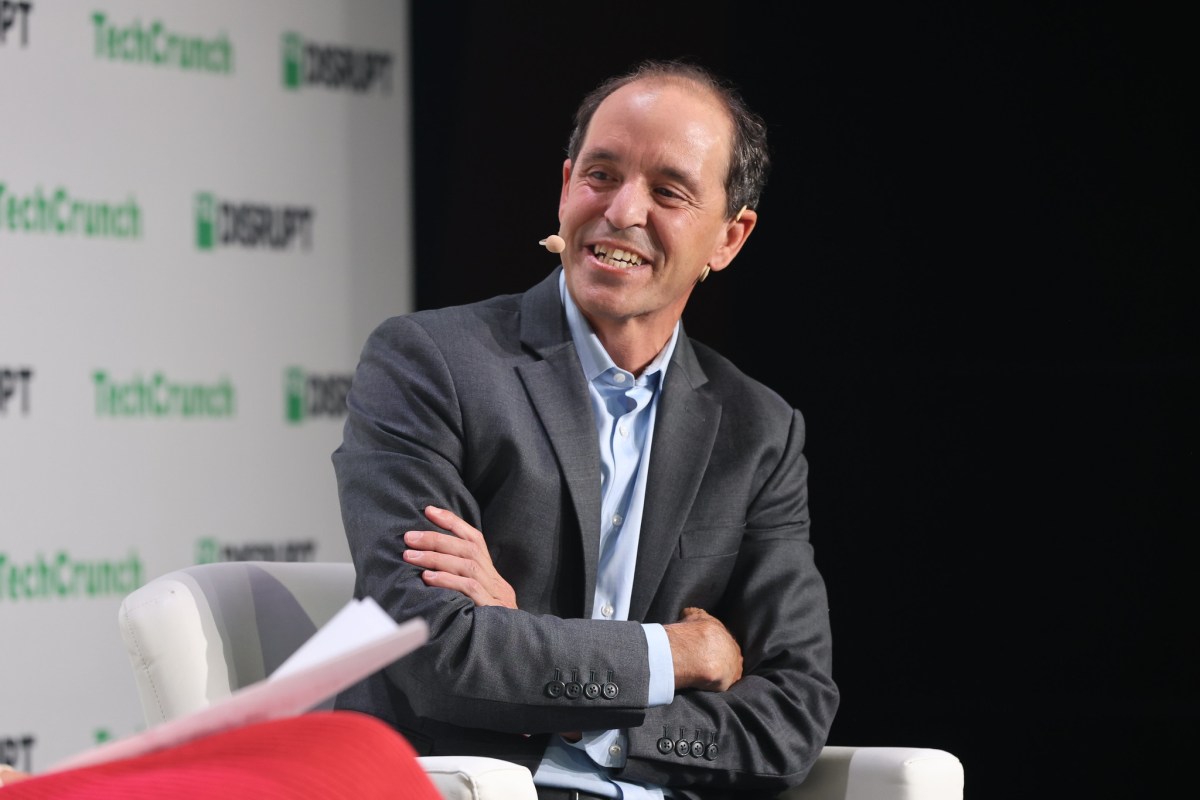
Exploring collaborative paths to safer AI development
OpenAI confirms it has spent weeks in AI safety talks with Anthropic and Google DeepMind, even as Trump's team waves off those concerns and pushes to outpace China. That tension matters. When the people building the models invite their closest competitors into the room, they are admitting the stakes are shared. Safety is not a side project here. It is the conversation. For a deeper look at how these systems actually learn, our guide to distributed training is worth your time.

Salesforce Koa brings focused AI reasoning to sales and support work
Salesforce just turned the enterprise AI conversation on its head. Koa, built on Nvidia's open-weight Nemotron model, is trained specifically for sales, marketing, and customer support. That focus is what makes it dangerous. General-purpose reasoning models chase breadth; Koa chases outcomes. It doesn't just answer questions, it acts on the workflows teams already live in. For AI labs betting on abstract intelligence, this is a wake-up call. Practical, task-driven reasoning wins. Curious how such systems are trained? Our guide to distributed algorithms covers the groundwork.

Microsoft's AI code of conduct sets clear safety boundaries for model behavior
Microsoft's new AI code of conduct is a refreshing step toward accountability. It sets clear principles, like supporting humans rather than replacing them, while grounding those ideals in practical safety constraints. That balance matters. Too often, AI guidance stays abstract; this one feels actionable, even if the real test lies in enforcement. It's a thoughtful framework that prioritizes human flourishing without overpromising.

Discover how AI redefines your spreadsheet workflow through a simple experiment
When I ran Fable against Astra, the gap between them wasn't subtle. Fable handled the workflow with a fluidity that felt natural, while Astra demanded more patience. It's a reminder that AI tools aren't interchangeable; they carry distinct personalities. For anyone weighing similar choices, I'd point to our earlier piece on the Forrester function. It's a different lens, but it reinforces how small mathematical insights can sharpen your evaluation of these systems. The experiment didn't just compare outputs; it exposed what each model prioritizes.

Anthropic reveals ongoing AI distillation campaigns from Chinese competitors
Anthropic's new report alleges that China-based AI firms, including Alibaba, Moonshot AI, and DeepSeek, have ramped up distillation attacks in recent months, intensifying as competition heats up. It's a pointed reminder that the race to build better models carries real security costs. Distillation isn't inherently malicious, but persistent, unauthorized scraping of this scale demands attention. For teams navigating AI's practical side, understanding these dynamics matters as much as mastering the underlying algorithms.
Explore how AI transforms spreadsheet work beyond endless copy and paste.
Copy-paste hell is a familiar grind, but it doesn't have to be your default workflow. I asked Fable 5.1 and GPT-6 Astra to pull me out of that loop, and the results genuinely surprised me. Both tools brought distinct strengths to the table, turning a tedious chore into something almost elegant. It's a practical glimpse at how AI can reshape daily tasks, and if you're curious about broader AI applications, our piece on real-world computer vision pairs nicely with this exploration.

Explore how GPT-6 Astra transforms coding and agentic workflows.
OpenAI's GPT-6 Astra lands with a clear focus: coding, computer use, and long-running agentic tasks. That's a meaningful step beyond the usual model drop. It signals a shift toward practical, sustained work rather than quick prompts. For anyone who has felt the ceiling of traditional spreadsheets or legacy tools, this is the same spirit we champion: making complex systems feel manageable. If you're curious about how AI handles structure, our piece on paragraph navigation in LLMs pairs well with this release.
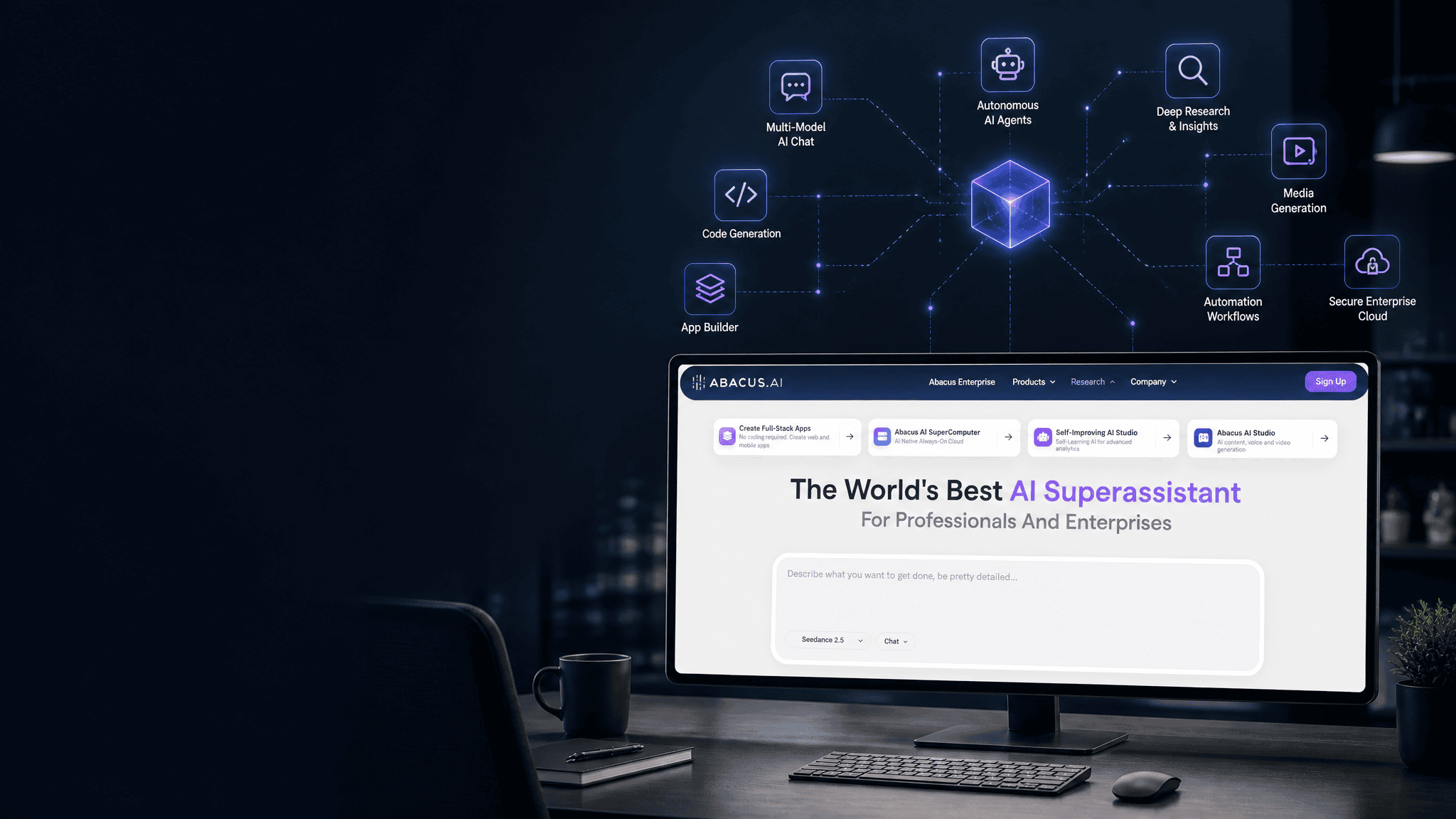
Discover How One AI Platform Can Streamline Your Current Tool Stack
If you're juggling separate subscriptions for ChatGPT, Claude, and another AI tool, the cost adds up fast. This review of Abacus AI asks whether an all-in-one platform actually delivers on its promise. It gets practical, breaking down what the platform includes and how the credit system works in real use. The verdict? It may genuinely replace your stack, not just add to it. For a broader take on AI's momentum, our piece on Meta's Muse AI Agent offers useful context.