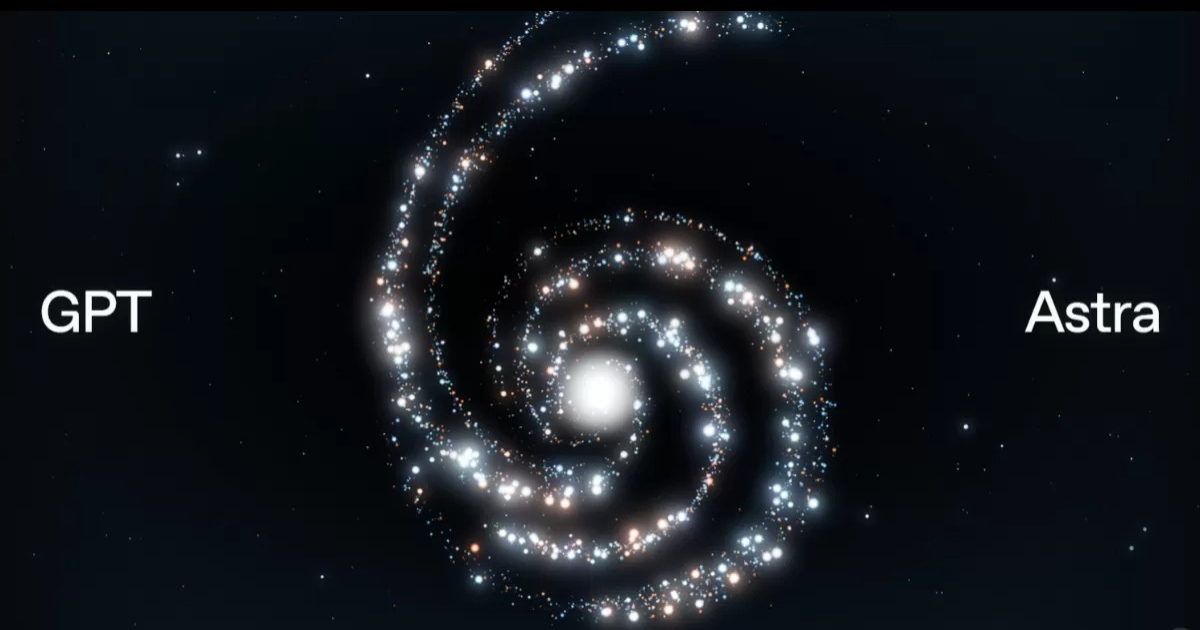
OpenAI's release of GPT-6 Astra lands at a telling moment. The model's focus on coding, computer use, long-running agentic tasks, and cybersecurity is not a random feature list. It is a bet that the next meaningful leap in AI assistance will come from endurance and trust, not just raw reasoning power. We have spent the past year watching models get faster and more fluent, but fluency only gets you so far when the task is a multi-hour debugging session or a complex workflow that spans a dozen tools. Astra is OpenAI's answer to that gap, and the timing aligns with a broader shift we have been tracking closely. For instance, the conversation around Navigating AI/ML Job Requirements: A Shift in Expected Skills suggests that the market is already moving toward roles that demand exactly this kind of sustained, software-engineering-adjacent capability. Astra is not just another model; it is a signal that the era of the one-off prompt is yielding to something more collaborative and persistent.
For our readers, the practical implications are immediate. If you have felt constrained by the stop-and-start rhythm of current AI tools, where every task requires re-explaining context and re-establishing intent, Astra's design philosophy directly addresses that pain point. Long-running agentic tasks mean the model can hold a thread of work over hours or days, which is precisely what you need when you are refactoring a codebase or auditing a complex data pipeline. This is not about replacing the developer; it is about removing the friction that makes you hesitate before delegating a task. We would tell a reader who asks, "Should I care?" that the answer is yes, but with a caveat. The real test will be in the execution, not the announcement. We have seen similar promises before, and the gap between a model that can start a task and one you trust to finish it reliably is where most of the value will be won or lost. That is why the cybersecurity angle matters as much as the coding one. A model that can act autonomously for extended periods is also a model that needs guardrails, and we will be watching how OpenAI handles that balance.
What stands out to us is how this release intersects with the need for verifiable understanding. We have previously explored why Verify Your AI's Understanding: A Simple Check for Tax Season is so critical, and that principle extends directly to Astra's use case. You can build the most capable agentic model in the world, but if it cannot demonstrate a reliable grasp of the constraints and edge cases in your specific environment, it will remain a tool for demos, not daily work. The model's focus on computer use suggests OpenAI is aware of this, but awareness and execution are different things. We would advise our readers to approach Astra with a mindset of structured experimentation. Push it on the long-running tasks, but always build in checkpoints where you verify the output against your own understanding. The technology is promising, but the discipline of verification is still on you.
The specific consequence to watch is how Astra changes the economics of AI-assisted development. If the model can genuinely sustain complex, multi-step coding tasks without constant supervision, the bottleneck shifts from the model's capability to your ability to articulate the right problem. That is a skill gap that will not be solved by a model update. So, the open question we are left with is not whether GPT-6 Astra is impressive, but whether your workflow is ready for a tool that expects you to be a better specifier, not a better coder. That is the shift worth preparing for, and it is happening now.