human oversight
Beyond Market Intelligence keeps human oversight in one place: 8 stories so far. The section currently leads with “Designing Guardrails for Autonomous AI Agents”, “700 AI-written math papers, but engineers still won't trust the code”, and “AI Claims Handling Finds Its Balance Between Automation and Human Insight”. Developers felt 20% faster with AI, but they were actually 19% slower. Seven hundred AI-written math papers exist, yet engineers still won't trust the code it produces. Acme AI is the next-generation, AI-powered spreadsheet platform built to replace Excel and redefine how analysts, data scientists, and enterprise teams work… The list below is every human oversight story on Beyond Market Intelligence, newest first.
Designing Guardrails for Autonomous AI Agents
Developers felt 20% faster with AI, but they were actually 19% slower. That gap between perception and reality deserves attention, not because it diminishes the promise of AI-assisted work, but because it clarifies what we need to measure. Confidence can mask friction, and friction is exactly what Atlassian's latest findings bring back into focus. The lesson here is human-centered: tools should empower velocity, not just the feeling of it. Explore the data behind that disconnect to understand where real gains hide.
700 AI-written math papers, but engineers still won't trust the code
Seven hundred AI-written math papers exist, yet engineers still won't trust the code it produces. That gap isn't about capability, it's about proof. We've watched agents waste turns in real repositories, a finding we explored in "Efficiency Matters: What 50,400 Agent Runs Reveal About Wasted Work." Trust isn't granted because a model can compute. It's earned when the output becomes verifiable, predictable, and actually useful in production. That's the real challenge ahead.
AI Claims Handling Finds Its Balance Between Automation and Human Insight
The real tension in AI claims handling isn't between speed and accuracy, it's between automation and the human judgment that only experience brings. Getting that balance right means building systems that learn from domain experts, not just from raw data. Our piece on how to "Build an AI Agent That Captures Real Expertise, Not Just Data" explores that exact challenge. When claims processing moves too fast, trust erodes. When it moves too slow, costs climb. The solution is smarter, more intentional design.
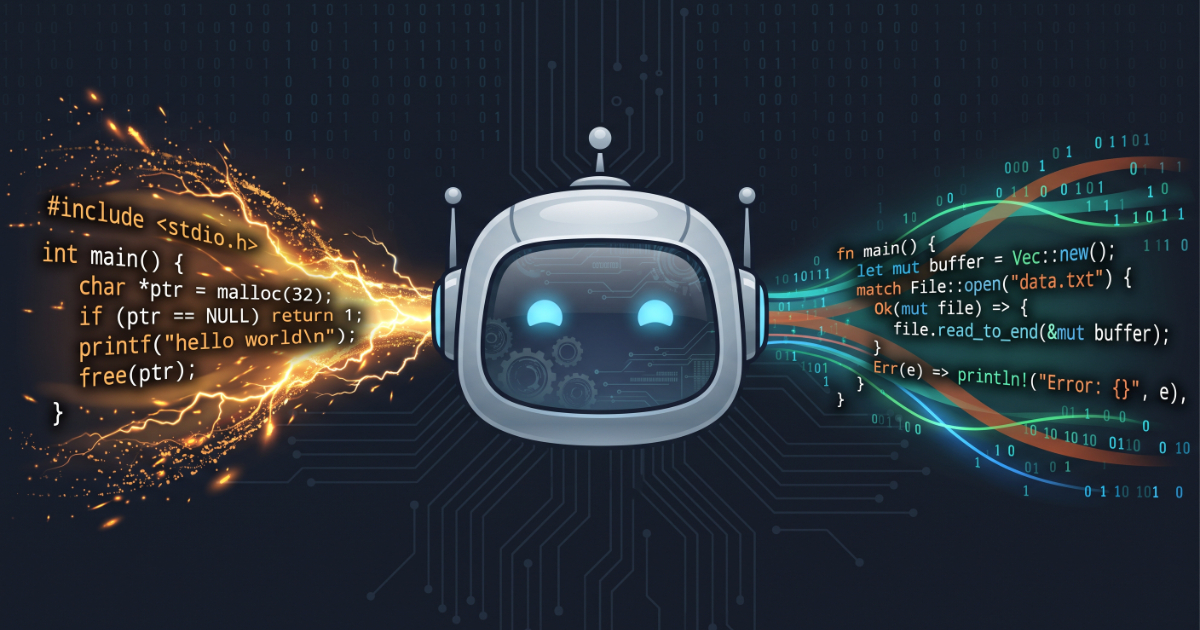
Google Fortifies Giflib by Moving Legacy C to Rust With AI Precision
Google's security team has taken a meaningful step forward by migrating giflib's legacy C code to Rust, using AI to drive the process. It's a smart move against memory vulnerabilities, and the fact that runtime performance held up is no small feat. What stands out is their honesty: AI translations still need human oversight. That's the right kind of caution. If you're curious about similar AI-driven infrastructure shifts, our piece on Perplexity's CobbleDB migration offers another useful comparison.

Anthropic’s Biology Lab: Human Oversight Drives Early Discoveries
Anthropic's biology lab is making early discoveries, but the real headline is quieter: Claude isn't running free. Humans remain firmly in the loop, and that restraint is exactly what makes this work worth watching. It's a thoughtful counter to the usual rush toward full autonomy. We appreciate the discipline here; it signals maturity over hype. If you're curious how AI handles oversight in other high-stakes settings, our piece on real-world computer vision deployments offers a useful parallel. For now, this measured approach feels right.
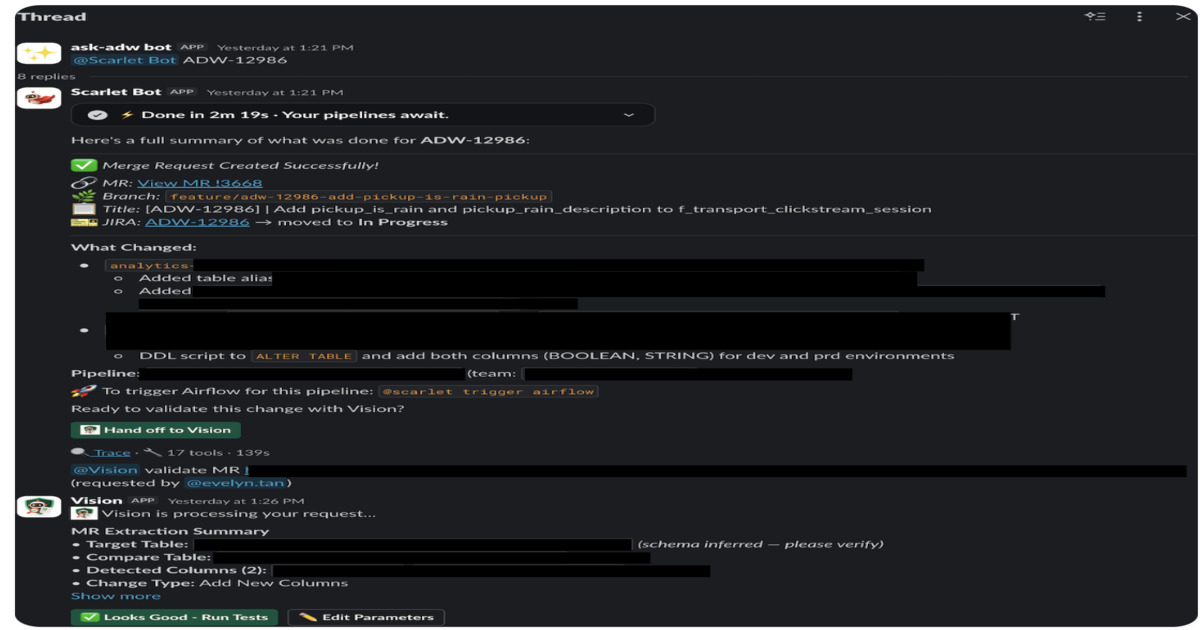
How Grab Uses AI Agents to Automate Analytics and Empower Teams
Grab's analytics team cut mechanical work from 44% to 30% in just four months, and the lesson is clear: AI agents thrive when you pair autonomy with human oversight. Their approach, combining certified data and context management, lets self-service analytics handle metric and SQL requests that once demanded analyst time. That's not just efficiency; it's a smarter division of labor. If you're questioning how much to trust these systems, our piece on verifying AI's understanding offers a practical starting point.

Claude Code gains autonomy to streamline your programming workflow
Anthropic is flipping the default: Claude Code's auto mode is turning on, and that means less hands-on oversight for developers who use it. It's a confident step toward letting AI handle more of the programming grind, and honestly, it feels overdue. We've seen how much headroom smart tooling can free up, and this nudges that further. If you're curious about the human side of leaning on AI, our piece on talking to an AI clone offers a useful counterpoint.
Waymo's real test begins after the model works
Waymo's evaluation-first approach is the discipline most AI teams are missing. Before any model earns a deployment, its tests must prove maturity, not just performance. That standard, enforced through continuous evaluation and human oversight, is what has carried the company to 220 million rider-only miles with dramatically fewer serious injuries. For enterprises, the lesson is direct: if you cannot measure an agent's edge cases, you are not ready to trust it in production.