infrastructure
Beyond Market Intelligence keeps infrastructure in one place: 101 stories so far. The section currently leads with “Scaling AI Agents From Prototype to Production on Kubernetes”, “Amazon funds 12 small nuclear reactors to power the grid from a former coal site”, and “Explore OGX: Build AI apps with any model on your infrastructure”. Transitioning AI agents from a local FastAPI prototype to a production-grade system on Kubernetes is a challenge many teams are now facing. Amazon is funding 12 small nuclear reactors to power the grid from a former coal site, generating nearly 1 gigawatt of electricity. Acme AI is the next-generation, AI-powered spreadsheet platform built to replace Excel and redefine how analysts, data scientists, and enterprise teams work… The list below is every infrastructure story on Beyond Market Intelligence, newest first.
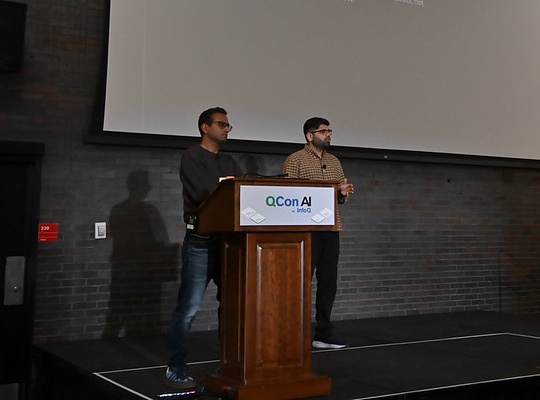
Scaling AI Agents From Prototype to Production on Kubernetes
Transitioning AI agents from a local FastAPI prototype to a production-grade system on Kubernetes is a challenge many teams are now facing. Deepak Mohanakumar Chandramouli and Bhumik Vinodkumar Thakkar share practical insights on RayCluster topology, stateful memory, and auto-scaling under dynamic traffic. They also cover guardrails, multi-region setups, and LLM-as-a-judge evaluation pipelines. For more on scaling reliable infrastructure, see our coverage of ARC's latest upgrades for self-hosted runners.

Amazon funds 12 small nuclear reactors to power the grid from a former coal site
Amazon is funding 12 small nuclear reactors to power the grid from a former coal site, generating nearly 1 gigawatt of electricity. This deal with X-energy signals a practical, large-scale move toward clean energy infrastructure. It's a bold step, repurposing old industrial land for modern needs. For more on how tech giants are reshaping their energy and data strategies, see our coverage of the Aurora PostgreSQL and DuckDB acquisition.
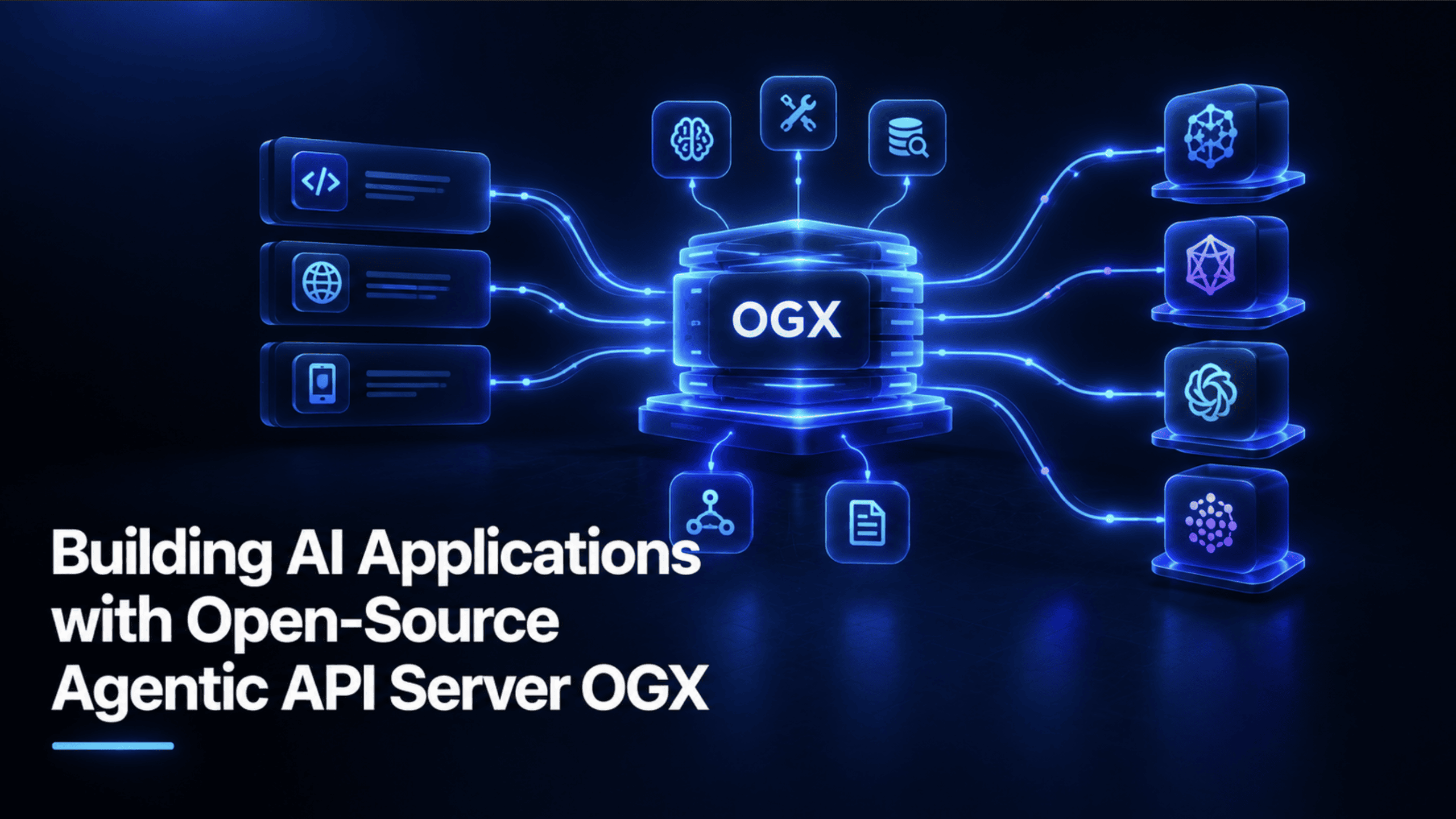
Explore OGX: Build AI apps with any model on your infrastructure
An open-source API server that works with any model on your own infrastructure, OGX is built for teams who want AI flexibility without vendor lock-in. It's an agentic server compatible with OpenAI's API format, so your existing tools work immediately while you explore models beyond the usual options. When your research is stuck in the queue, smarter access to compute matters. OGX gives you that control.
When your research is stuck in the queue, explore smarter ways to access compute power
Three to four business days to get a GPU job running feels less like research and more like waiting for a reservation. That gap between academic queues and corporate compute is a real bottleneck for PhD students racing deadlines. We understand the temptation to borrow from an internship's idle infrastructure, but we recommend checking your employment agreement first. The risk to your position isn't worth the speed. For more on balancing productivity with the right tools, see our piece on how AI sharpens focus.

AWS Smooths Event-Driven Growth with Unified EventBridge Custom Buses
Event-driven architectures scale fast, but the event infrastructure itself often doesn't keep up, especially when multiple teams or AWS accounts are involved. AWS's enhanced Custom Event Bus for Amazon EventBridge directly addresses this fragmentation, offering a unified path forward for growth. It's a confident step toward making distributed event systems feel less like a patchwork and more like a purposeful design. For another take on managing complexity at scale, see how EVE Online tames 20 years of telemetry data.

CircleCI Automates Machine Runner Scaling to Match Workload Demand
Manual scaling has always been the hidden tax on self-hosted CI runners. CircleCI is removing that burden with the general availability of Machine Runner Orchestrator 1.0.0, which automatically matches your virtual machine footprint to actual workload demand. This is practical automation that lets teams stop babysitting infrastructure and start focusing on delivery. If you are exploring how AI-native tools are reshaping data and development workflows, our piece on building a complete data science stack with open-source tools offers a fitting next stop.

Discover how AI infrastructure growth opens new paths at Disrupt 2026
AI infrastructure is no longer a background conversation, it's the foundation of what comes next. At TechCrunch Disrupt 2026, Ambrosia Energy CEO Ben Longmier and Bloom Energy SVP Bill Thayer take the Smart Systems Stage to show how energy innovation fuels AI's growth. This is where infrastructure meets ambition. Register now to save up to $100, or grab a second pass at 50% off. For deeper context, explore "Decoding 2026's AI Job Titles" to see how these shifts reshape engineering roles.

Twenty Years of Platform Lessons: Building for Resilience Without the Complexity
Twelve principles. That's what Matthew Liste distills twenty years of platform engineering into, a practical framework for building scalable, reliable infrastructure without drowning in complexity. His focus on avoiding technical debt, managing deprecation, and nurturing engineering culture speaks directly to the tension senior architects feel daily. This isn't about abstract theory; it's about streamlining developer workflows and delivering lasting value. For those wrestling with legacy systems, his approach feels like a clear path forward.

An autonomous AI fleet on Tencent's cloud is probing Alibaba's map service
Independent researchers discovered an agent swarm running on Tencent's cloud infrastructure that appears to be probing Alibaba's Amap service. This autonomous AI fleet raises urgent questions about how we govern intelligent systems when they operate at scale. The discovery feels less like a technical curiosity and more like a preview of challenges ahead. For deeper context on managing multi-agent environments, see our piece "From one AI agent to many: smart governance for expanding fleets."

AWS clarifies data center stance, sets aside NDAs to rebuild trust
Amazon Web Services is done letting silence do the talking. This week, the company's CEO moved to reset the narrative around its data centers, setting aside non-disclosure agreements to rebuild trust with customers who have grown wary of how their infrastructure is handled. It is a direct, practical acknowledgment that transparency is no longer optional. For anyone tracking how cloud giants respond to skepticism, this is a meaningful step.

Google's space chip launch hints at orbital data centers requiring thousands of Starship flights
Google just sent its first advanced chip into orbit, and the message is clear: the future of data processing may live above our heads. If that sounds ambitious, consider the logistics, this path likely requires thousands of Starship flights to build orbital data centers. It's a bold bet on space infrastructure, and it reframes what "cloud computing" could mean. For more on how AI is reshaping digital workflows, read our piece on Photon's $4.5M bet on AI agents.

When health checks lie, high availability becomes a hollow promise
Most system outages aren't caused by hardware failure. They're caused by control-plane dependencies, the invisible threads that tie your application to authentication services, DNS, or configuration stores that nobody remembers to test. Alexey Golev's article makes a clear case: high availability and resilience are not the same problem, and treating them as interchangeable leaves teams with a false sense of safety. Recovery capability erodes without explicit ownership.

Beyond Scaling: Cerebras on the Future of AI's Compute Demands
Andrew Feldman, CEO of Cerebras Systems, is set to challenge the AI industry's assumptions at TechCrunch Disrupt 2026. He'll confront a simple question: what happens when today's hardware can't keep up? Cerebras is building differently, not just faster chips, but a fundamentally different approach to compute, energy, and infrastructure. This isn't about incremental upgrades. It's about rethinking the ceiling. For context on why some builders are stepping back from consumer AI, see our related piece on frontier labs.

Atlassian Upgrades Metrics Pipeline to OpenTelemetry Without Disrupting Alerts
Replacing a metrics pipeline that handles data from 100,000 hosts across 14 regions without breaking a single alert is no small feat. Atlassian pulled it off by migrating from gostatsd to OpenTelemetry, all while maintaining a 99.95% SLO. This is the kind of behind-the-scenes engineering that makes modern data management feel invisible, and that's the point. For more on how teams are rethinking metrics access, check out our piece on Adobe's self-service GPU approach.
Building Training Data at Scale Without Hitting YouTube's Silent Wall
YouTube's silent wall is a familiar frustration for anyone building training data at scale. The empty 200 responses, the proxy roulette, the 2am batch failures: it's a cat-and-mouse game that has nothing to do with your project. You're right to ask what actually works past a few hundred requests. The honest answer is that most people land on paid services or accept the failure rate and build retry logic. It's not elegant, but it's practical.
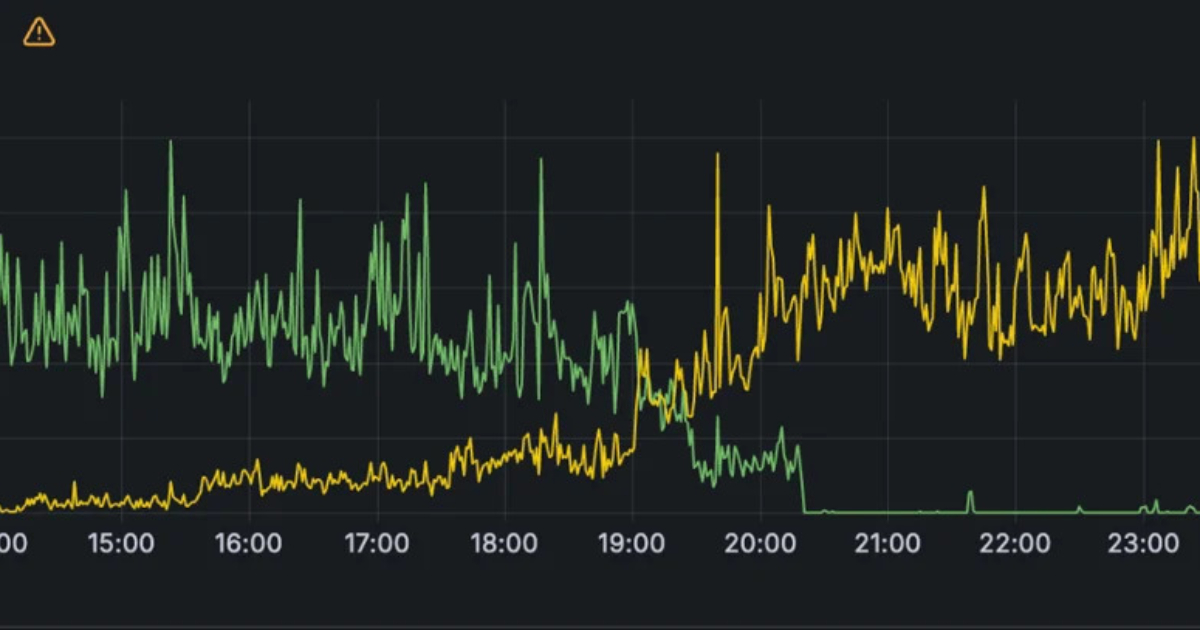
Cloudflare's Blog Finds Performance Gains with EmDash, Its New CMS
When Cloudflare moved its blog off WordPress, it didn't just switch platforms; it built its own CMS, EmDash, and open-sourced it. The payoff is clear: the system handles up to 7,000 requests per second while improving caching and performance. That's a practical win for a team managing heavy traffic. It's a reminder that sometimes the best tool is the one you create yourself. For more on how organizations are building internal infrastructure, check out our piece on Perplexity's CobbleDB migration.

Anthropic Explores Akamai's Cloud for AI-Native Workloads
An $11.6 billion commitment over seven years is a serious statement, and Anthropic is making it with Akamai. The deal centers on CPUs for AI-native workloads, a choice that prioritizes flexibility over raw speed. What stands out is the unusual structure: Akamai is offering up to 5% of its stock, a stake that grows as Anthropic scales its spending. It is a bet on a long-term partnership, not just a transaction. For teams watching infrastructure costs, this is a signal worth exploring.

Nscale Secures $3.36B to Advance AI-Native Spreadsheet Infrastructure
Nscale just closed a $3.36B funding round, backed by Third Point and Nvidia, to accelerate its AI-native spreadsheet infrastructure buildout. That is a serious vote of confidence in a space crowded with legacy tools. The capital will fuel a massive data center expansion, which signals a clear bet on scale as the path forward. For teams wrestling with outdated workflows, this is worth watching closely. And if you are navigating similar shifts, our piece on verifying AI's understanding offers a practical starting point.
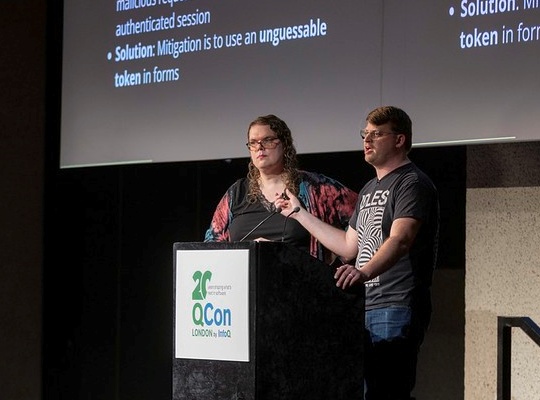
Build a Decentralized Web: Exploring Spritely’s Innovative Architecture
Spritely's architecture takes on decentralization's hardest problems with a clear-eyed focus on user agency. Christine Lemmer-Webber and David Thompson walk through capability-based access control via Goblins, actor-model communication through OCapN, and the trust-building role of petname systems. What stands out is how naturally Scheme, WebAssembly's Hoot, and local-first CRDTs fit together to support peer-to-peer apps without central servers. It's a thoughtful, practical design worth exploring. For broader context on decentralized tooling, our coverage of the Forrester function offers a useful parallel.
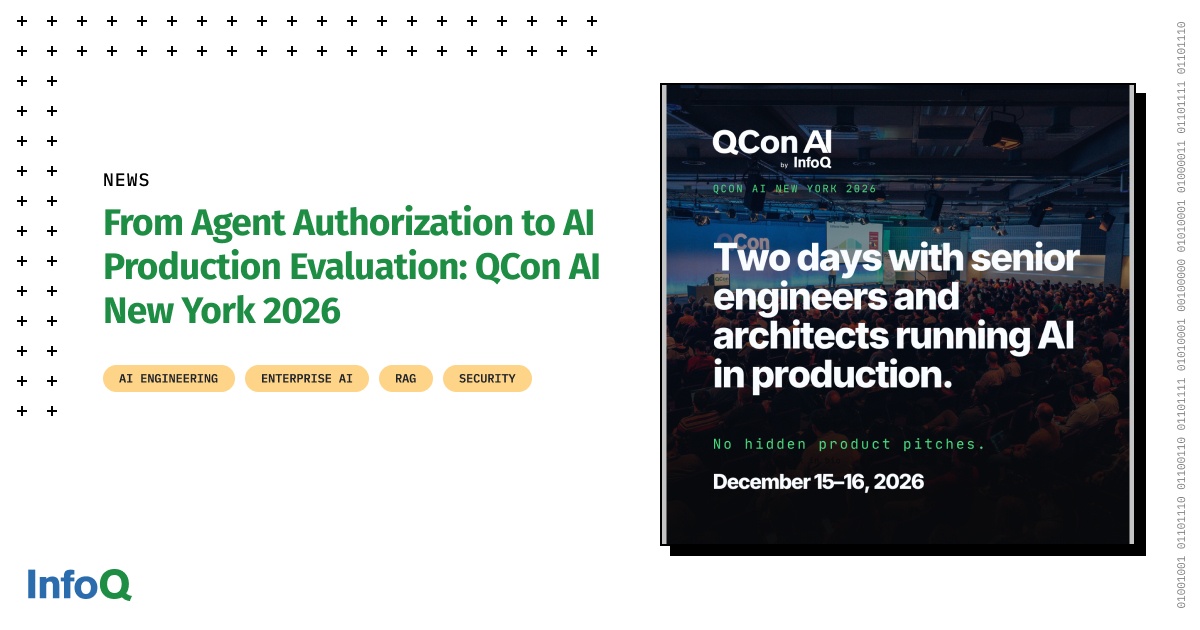
Explore the Future of AI Deployment: Key Topics at QCon AI New York
QCon AI New York has confirmed 23 sessions that dig into the real mechanics of AI deployment: agent authorization, production guardrails, shared inference infrastructure, and post-deployment evaluation. That is a refreshingly practical lineup. We talk a lot about building AI, but the hard part is running it responsibly at scale. If you are moving from experimentation to production, this agenda feels like a direct response to the questions we are all asking.
![Empowering Collaboration: How Shared Standards Transform Engineering at [Bank Name]](https://res.infoq.com/news/2026/09/collaborative-platform-culture/en/headerimage/generatedHeaderImage-1790072552423.jpg)
Empowering Collaboration: How Shared Standards Transform Engineering at [Bank Name]
Platform teams often get treated like infrastructure, but they're really the cultural backbone of engineering. At [Bank Name], shared standards aren't just process; they're the structure that lets open support sessions and super user awards take root. Developers depend on the platform, and the platform depends on them. That's a mutual loop, and it only moves forward when everyone commits to common ground. It's a practical, human way to build an engineering mindset.

Scale Sandboxes Instantly: A New Approach to Concurrent AI Workloads
Modal's staff engineers Colin Weld and Connor Adams didn't just tweak their sandbox setup; they rebuilt it from the ground up. The result is infrastructure that handles millions of concurrent sandboxes and tens of thousands of creations per second. That's the kind of scale that makes concurrent AI workloads feel almost routine. It's a smart, grounded look at what it takes to move past legacy limits. For more on practical AI adoption, our guide to unlocking ChatGPT for work is worth a look.

Simplify EKS Management: Elastic Beanstalk Now Runs on Shared Clusters
AWS has added Cluster Mode to Elastic Beanstalk, letting it run applications on EKS clusters the service creates and manages. That is a practical step for teams wanting Kubernetes without the operational overhead. The catch: clusters are tied to subnet sets permanently, and direct access stays service-controlled. AWS also recommends separate clusters for untrusted or regulated workloads, and the new mode adds EKS and Auto Mode fees that EC2 discounts will not touch.

Protecting Water Systems: Addressing the Growing Password Security Risk
America's water systems face a growing threat that has nothing to do with aging pipes or drought. Researchers warn that password security now stands as a critical vulnerability for some of the nation's most essential infrastructure. This is a risk we cannot afford to ignore, especially as operational technology becomes more connected. The path forward demands urgency and practical safeguards. For a broader look at how digital tools reshape infrastructure, our coverage of Cloudflare's EmDash migration offers useful context.