infrastructure
Beyond Market Intelligence keeps infrastructure in one place: 101 stories so far. The section currently leads with “The hidden cost of AI: data centers set to surpass national energy demand.”, “Active Compute Fabric cuts GPU idle time, reshaping AI infrastructure.”, and “From Notebook to Production: When Your Model Meets a Real API”. The AI boom is rewriting America's energy map in real time. Cornelis just raised $205 million, and the message is clear: Nvidia's grip on AI infrastructure isn't untouchable. Acme AI is the next-generation, AI-powered spreadsheet platform built to replace Excel and redefine how analysts, data scientists, and enterprise teams work… The list below is every infrastructure story on Beyond Market Intelligence, newest first.

The hidden cost of AI: data centers set to surpass national energy demand.
The AI boom is rewriting America's energy map in real time. Projections now show U.S. data centers guzzling more natural gas by 2035 than Germany and Japan combined. That is a staggering leap, and it should make us pause. This isn't about scaring anyone away from innovation; it's about facing the infrastructure reality head-on. If we're going to empower this digital transformation, we need to plan for the power it demands.

Active Compute Fabric cuts GPU idle time, reshaping AI infrastructure.
Cornelis just raised $205 million, and the message is clear: Nvidia's grip on AI infrastructure isn't untouchable. The company's Active Compute Fabric targets a quiet but costly problem, the wasted GPU cycles spent waiting on data. That's where efficiency lives, and that's where Cornelis is aiming. It's a smart, grounded challenge to the status quo, one that speaks to a future where hardware works smarter, not just faster. For more on how systems handle real-world demands, our piece on adaptive recommendation systems offers useful context.
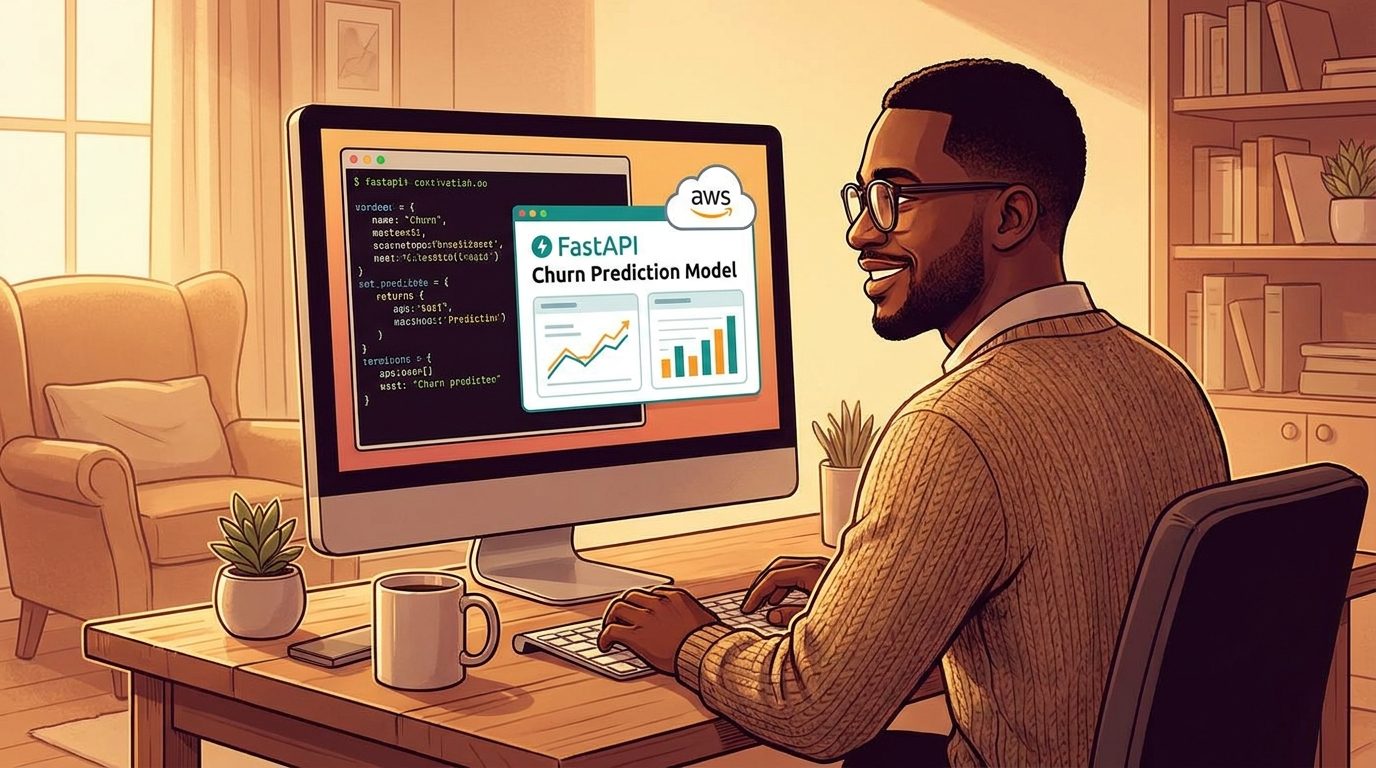
From Notebook to Production: When Your Model Meets a Real API
A model that runs on your machine is only the beginning. The real work starts when someone else needs to call it. This walkthrough of building a FastAPI endpoint for churn prediction captures that gap perfectly, detailing everything that broke between "it runs" and "it's live." It's a grounded, practical look at deployment realities. For more on tackling technical hurdles, explore the Forrester function piece, but this guide stands strong on its own.

Navigating AWS Complexity with Smarter Terraform Infrastructure Management
The Terraform AWS Provider's v6.62.0 release lands as infrastructure grows more intricate, adding support for new capabilities while sharpening how Terraform reads existing resources. That dual focus, forward momentum and deeper comprehension, matters for teams juggling complexity. It is not about chasing novelty; it is about making the provider a more reliable partner in daily work. For a broader look at simplifying cloud workflows, our guide "Unlock ChatGPT for Work" pairs well with this momentum.

Tunneling 150 Kilometers: A New Vision for Infrastructure in the UAE
The Boring Company has raised $3 billion in a funding round led by the UAE, with plans to dig more than 150 kilometers of tunnels in the Middle Eastern country. That is a bold bet on a region eager to rethink urban mobility. We like the focus on practical infrastructure over flashy promises. For readers tracking how ambitious players are scaling their operations, our piece on Nscale's $3.36 billion raise offers a useful point of comparison. This is momentum worth watching.

Azure Virtual Desktop Hybrid Arrives but Key Pricing Remains Undisclosed
Azure Virtual Desktop Hybrid has reached general availability, and the timing feels right for teams tethered to their own hardware. Session hosts now run on customer infrastructure via Azure Arc, while the brokering stays in Microsoft's cloud. That split is practical, but the missing license price and the lack of multi-session Windows support leave some questions open. Windows Server needs RDS CALs with Software Assurance, which adds a layer to consider. It's a solid step forward, though not without its fine print.

AI-Powered Engineering: How Platforms Can Adapt and Empower Developers
Platform teams are no longer just infrastructure keepers. They are the ones deciding how AI-assisted engineering actually takes shape. In this discussion, Stéphane Di Cesare, Davide de Paolis, Stephen Cihak, Camila Macedo, and Renato Losio get into the real trade-offs: where standardization helps, where it stifles, and how to build guardrails without strangling developer autonomy. It is a practical look at shifting workflows. For a deeper angle on how AI changes the skills we expect, check out "Navigating AI/ML Job Requirements."

A $1.9B loan powers Google's plan to revive an Iowa nuclear plant
Google's decision to revive an Iowa nuclear power plant just got real backing: a $1.9 billion loan from the U.S. Energy Department. That's a serious vote of confidence for a project most would have written off. It signals a pragmatic shift toward clean, reliable power for AI's growing appetite. We've seen similar momentum elsewhere, like Cloudflare's blog finding performance gains with EmDash, its new CMS. This isn't hype; it's infrastructure catching up to ambition.

Why Payment Systems Break Chaos Engineering's Core Rules
Standard chaos engineering assumes experiments stop cleanly and blast radius is knowable upfront. Payment systems break all three rules. Salim Adedeji's account of ECS deployments exposes what generic tooling misses: a 60-second DNS TTL stretching failover to 93 seconds, retry logic multiplying database load 2.4x, and AZ rebalancing loops that spiral. That's the gap between theory and production reality. For teams wrestling with distributed complexity, this is a practical field guide worth exploring, much like our earlier look at distributed training algorithms.
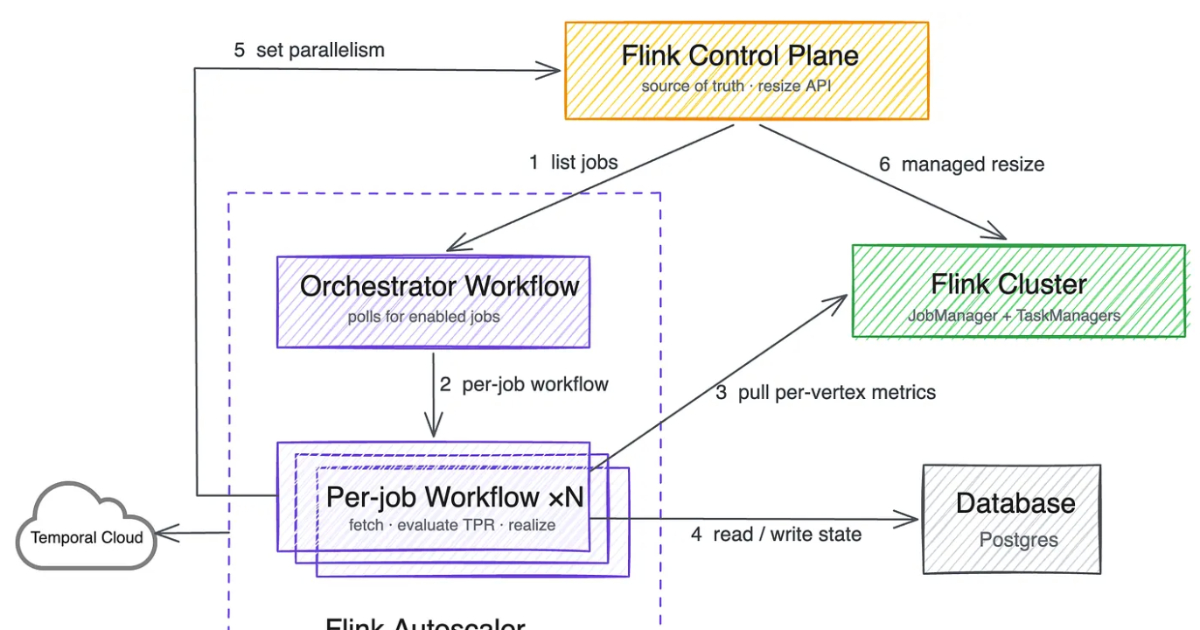
Netflix's Open Source Flink Autoscaler Cuts Streaming Costs by 58 Percent
Netflix is moving toward the open-source Apache Flink Autoscaler for more than 30,000 streaming jobs across multiple AWS regions, and the numbers make a compelling case. The operator-level approach tackles the limitations of its cluster-level autoscaler for complex, stateful pipelines. One team saw a 58% reduction in annualized Flink compute costs, saving roughly $1.1 million. That's not just incremental progress; it's a meaningful shift in how large-scale data operations can run more efficiently.
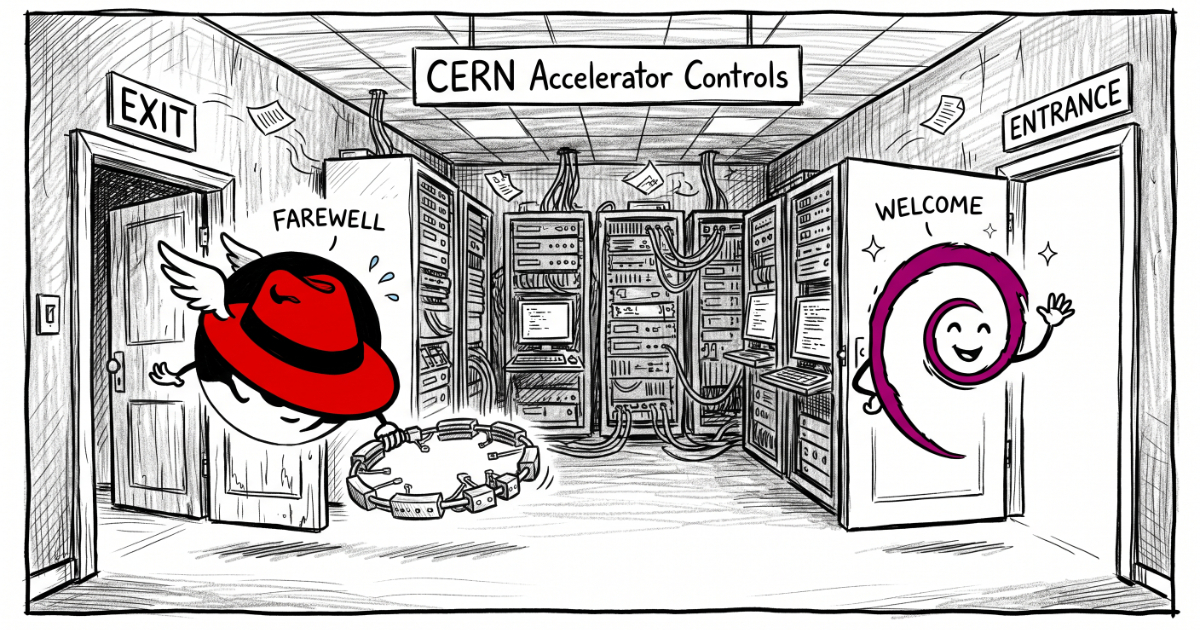
CERN Chooses Debian for Accelerator Controls Over Red Hat's Restrictive Mandates
CERN's engineers aren't clinging to legacy for nostalgia; they're making a calculated stand. By moving 2,200 specialized control machines from Red Hat to Debian, they're prioritizing hardware longevity over vendor mandates. Red Hat's tightening compiler rules forced the issue, and CERN responded with a pragmatic pivot. It's a quiet but telling vote for flexibility, and the late 2026 deadline shows careful planning. For more on how infrastructure decisions ripple outward, our piece on bridging retrieval and action in AI tasks offers a fitting parallel.

Software engineers will lead by coordinating agents, not just coding.
Meryem Arik's QConAI 2030 talk cuts to a truth many would rather skim past: the software engineer's role is not disappearing, it's evolving into something broader. She points to token spend management and parallel agent infrastructure as the new operational realities, but the real shift is human. When non-technical builders start steering vendor decisions and regulatory pressure mounts, coding becomes the easy part. Product leadership and multi-agent coordination take over.
Discover how KYAML brings clarity and confidence to Kubernetes configurations.
YAML's flexibility has long been a quiet source of frustration in Kubernetes, and KYAML offers a way forward that feels long overdue. By enforcing a stricter dialect, it trades guesswork for predictability, helping teams catch common errors before they become production headaches. That focus on clarity aligns with what we've explored in our broader coverage of AI-driven workflows, like unlocking practical tools for everyday work. For developers tired of chasing subtle indentation bugs, KYAML is a practical step toward more reliable configurations.

Google's 400 MW geothermal deal signals a smarter energy future for AI.
Google just signed a 400 MW deal with Fervo for enhanced geothermal power, with room to grow to a full gigawatt. That is enough to anchor a very large AI data center in Utah. It is a practical vote of confidence in a clean, steady energy source that does not pretend to be something it is not. For anyone tracking how AI infrastructure gets powered, this is worth watching closely. Also, our piece on Cloudflare's EmDash migration shows a similar willingness to challenge defaults.
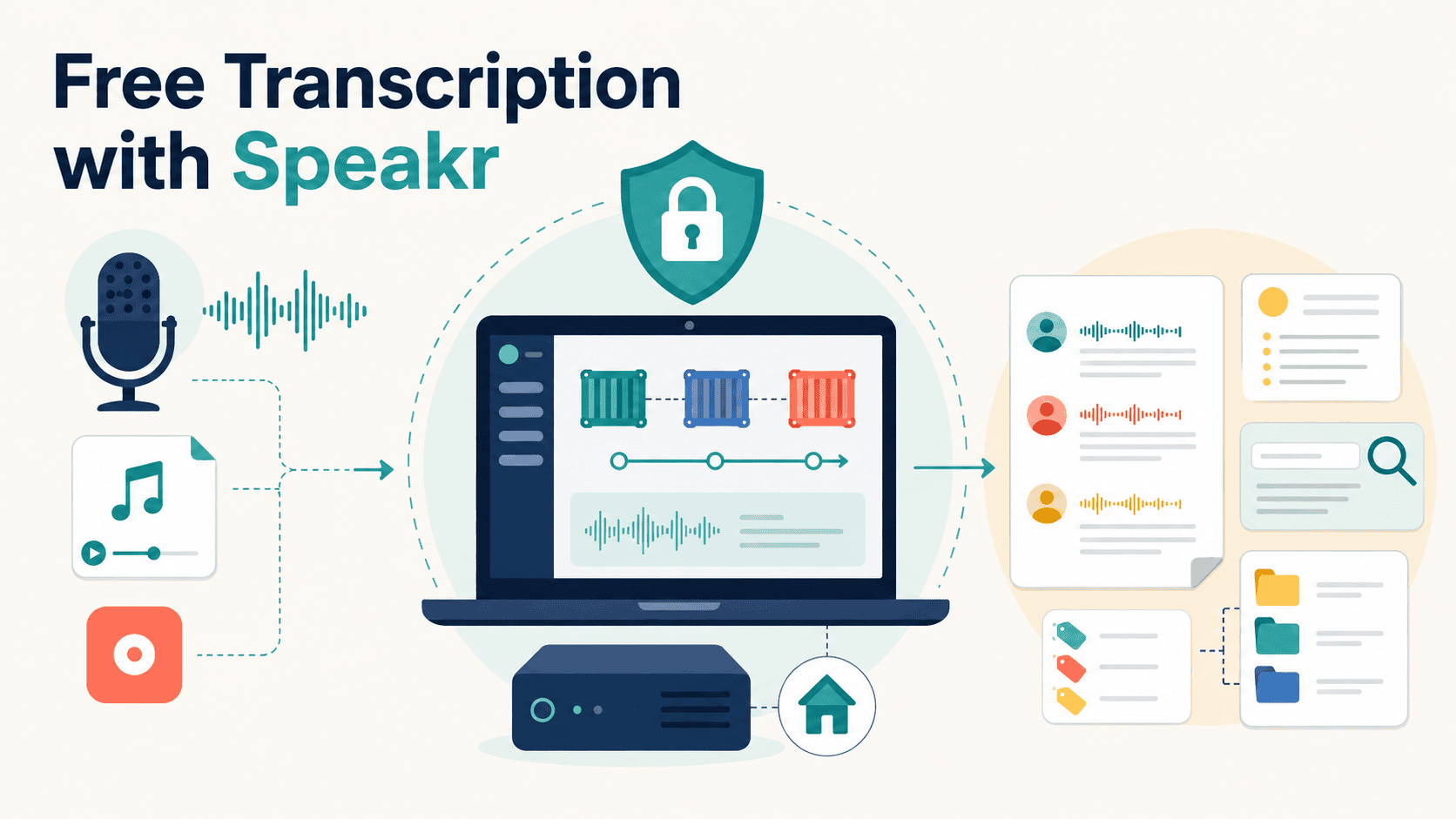
Your Data, Your Transcription: A Private Self-Hosted Guide
If you're tired of sending sensitive recordings to third-party servers, Speakr offers a private, self-hosted alternative. Setup is straightforward, and the real payoff is full control over where your audio lands. We think that matters more as transcription becomes routine. For a broader look at how AI tools handle real-world constraints, our piece on computer vision deployments offers a useful parallel. Start with Speakr's basics, then experiment with its settings to match your workflow.

Predict infrastructure failures before they disrupt your workflow.
Empirik has launched with $21M in funding, backed by Sequoia, to predict IT outages before they strike. The mission is straightforward: give infrastructure the same proactive intelligence that Cursor brought to software engineering. That comparison matters because it signals a shift from reacting to problems to preventing them. For teams tired of firefighting, this is a practical step toward calmer operations. And if you're curious how similar predictive logic plays out in other fields, our piece on adaptive recommendation systems offers a useful parallel.

From Configuration to Control Governing AI Infrastructure Safely
As coding agents take over the writing of infrastructure, HashiCorp argues the real challenge has shifted to verification and safe execution. HCP Terraform is stepping into that role, offering governance for AI-driven workflows. It is a smart move, acknowledging that generating configuration is no longer the bottleneck. The focus now is on control. For those exploring how AI agents handle tasks, our guide, "Unlock ChatGPT for Work," offers a practical starting point.

Discover how data centers can empower America's AI future
A new political action group, funded by Andreessen Horowitz and Sam Brockman, is spending millions on ads to sway midterm voters. Build American AI plans to lobby select states on the virtues of data centers. It's a direct attempt to frame infrastructure as a local priority, and it's worth watching how voters respond. For more on how AI is reshaping practical tools, our piece on verifying your AI's understanding offers a useful contrast.

Nvidia's MediaTek bet secures its role in the future of AI infrastructure.
Nvidia's $3.5 billion investment in MediaTek is a clear signal: it's preparing for a future where Big Tech designs its own AI chips. Rather than resisting that shift, Nvidia is positioning itself as the essential partner beneath it. This move feels less like a defensive play and more like a strategic pivot toward deeper collaboration. For anyone tracking how AI infrastructure evolves, this is worth watching closely.

A billion-dollar bet on AI chips signals a shift in infrastructure strategy.
Lambda just borrowed $1 billion to buy more Nvidia chips, leasing them to Microsoft. That is a heavy bet, and it signals how capital-hungry the AI boom has become. We are watching a pattern here: the infrastructure race is not slowing down, and the cost of entry keeps climbing. For teams exploring AI-native tools, the takeaway is practical. This is not about hype; it is about who can sustain the buildout. Meanwhile, our coverage of Nscale's $3.36B raise shows a similar appetite for scale.

Build smarter agents by connecting LangGraph to Postgres locally or in the cloud.
Connecting a LangGraph AI agent to Postgres doesn't have to be a headache. This walkthrough shows you exactly how to run the backend locally with Docker or scale it to the cloud, keeping the focus on practical steps rather than abstract theory. It's a straightforward approach for anyone tired of wrestling with database integrations. We appreciate the clarity here, especially since so much AI tooling feels needlessly complex. For deeper context on how LLMs handle structure, our piece on paragraph navigation is worth a look.

Explore how hardware investment is shaping AI's next frontier.
a16z is putting $1.1 billion behind a simple bet: the next wave of AI runs on more than software. The firm, long associated with code-first startups, is now funding the physical infrastructure that keeps pace with model growth. That is a meaningful signal for anyone building in the space. If you are navigating how these systems actually train and scale, our guide to distributed algorithms offers a practical starting point. The hardware story is just beginning.

Meta's Custom AI Chip Targets Smarter, Faster Recommendation Models
Meta's move to build MTIA 300, its first in-house accelerator for ranking and recommendation models, signals a deliberate step beyond compute and into networking. It's a smart evolution for a company that understands how much latency shapes user experience. By owning more of the stack, Meta isn't just chasing efficiency; it's reducing dependence on off-the-shelf parts. That kind of control tends to pay off.

Mapping the Underground: A New Era for Utility Work Begins.
A $26 million Series A is a strong signal that the industry is ready to move past outdated workflows. This startup isn't just building software; it's targeting the friction head-on, aiming to cut through the red tape that slows utility and construction projects. That focus on practical, human-centered outcomes is what makes this funding round feel different. For more on how digital infrastructure is reshaping traditional sectors, you might find our piece on Cloudflare's EmDash migration relevant. We're watching this space closely.