investment
199 stories filed under investment on Beyond Market Intelligence. The newest of them: “Investors seek accountability after $1.2 million mental health startup claim”, “Ford's Fathom EV prototype builds start in early 2027”, and “Cognition aims to raise again, targeting a $40 billion valuation”. Selena Gomez's mental health startup faces a serious legal reckoning, with investors alleging fraud after pouring nearly $1.2 million into a venture they say was never built or marketed. Ford's commitment to its electric future is taking shape on the factory floor, with the $2 billion overhaul of its plant on track to support the Fathom EV truck. Acme AI is the next-generation, AI-powered spreadsheet platform built to replace Excel and redefine how analysts, data scientists, and enterprise teams work… The list below is every investment story on Beyond Market Intelligence, newest first.

Investors seek accountability after $1.2 million mental health startup claim
Selena Gomez's mental health startup faces a serious legal reckoning, with investors alleging fraud after pouring nearly $1.2 million into a venture they say was never built or marketed. That's a steep price for trust, and it underscores how accountability must scale with ambition in the AI and wellness space. We're watching this closely, especially as our related piece on talking to an AI clone raises hard questions about transparency. For now, this suit is a reminder that promises need proof, not just potential.

Ford's Fathom EV prototype builds start in early 2027
Ford's commitment to its electric future is taking shape on the factory floor, with the $2 billion overhaul of its plant on track to support the Fathom EV truck. Prototype builds are expected to begin in the first quarter of 2027, a timeline that signals steady, deliberate progress rather than empty promises.

Cognition aims to raise again, targeting a $40 billion valuation
Cognition is moving fast, and the market is taking notice. Reports say the AI coding startup is already in talks to raise at a new $40 billion valuation, just months after closing a $1 billion round at $26 billion. That kind of jump signals serious momentum, but it also raises questions about sustainability. Investors are clearly betting big on AI-native workflows. For context, similar infrastructure bets are unfolding across the sector, like Anthropic's $11.6 billion commitment to Akamai's cloud.

Thrive Holdings secures $2 billion to bring AI deeper into enterprise workflows
Thrive Holdings has raised $2 billion at a $12 billion valuation, with backing from SoftBank, D1 Capital Partners, and Alitmeter Capital. That's a serious vote of confidence for bringing AI into the enterprise. We see the appeal: AI can make complex data work feel less like a burden and more like a conversation. It's a smart, grounded bet on productivity. For a deeper look at how AI shapes our expectations, our piece on verifying AI's understanding offers a practical starting point.

Tesla asks Texas to help fund a massive solar factory plan
Tesla is asking Texas to help fund a $10 billion solar factory, and the request is worth paying attention to. It is a bold move that pairs large-scale manufacturing with a clear-eyed ask for public support. The company is not pretending this is a solo endeavor; it is signaling that transformative infrastructure requires shared investment. For anyone watching how AI-native tools reshape industries, this feels like a similar moment.

Form Energy secures funding to scale long-duration battery manufacturing for grid storage
Form Energy just closed a $750 million raise to scale production of its 100-hour batteries, a bold bet on long-duration storage that could finally shift the grid beyond intermittent limits. With Google and Crusoe already on board, this funding signals real commercial momentum, not just hype. It's a practical step toward a more resilient energy system. For more on how Crusoe's priorities are evolving, their pause on Boom's turbines offers useful context. This is the kind of infrastructure progress worth watching closely.

Uber moves on from Serve as their business paths diverge
Uber's decision to sell its entire stake in Serve marks a telling shift between two companies that once moved in lockstep. The divestiture surfaces as their business priorities diverge, a reminder that even strong partnerships can outgrow their original alignment. It's a practical move, not a dramatic one. When strategy drifts, cutting ties early often beats forcing a fit. For context on how similar dynamics play out elsewhere, our piece on Anthropic exploring Akamai's cloud offers a useful parallel.

Accel secures $550 million India fund, signaling sustained market confidence
Accel has closed an oversubscribed $550 million India fund in just weeks, a decisive vote of confidence in the market. That speed is telling, especially since the U.S. firm still has over half of its previous $650 million allocation ready to deploy. It signals patience, not panic, in a space where founders crave stability. For context on how AI is reshaping productivity tools, our piece on Ando's $20M raise offers a useful parallel.

Igor Babuschkin's River AI secures $1.1B to reimagine personal agents
It's rare to see a two-month-old startup command $1.1 billion, yet River AI just did. Founded by xAI co-founder Igor Babuschkin, the company is betting big on personal agents, a space that feels both promising and crowded. That kind of backing so early signals real confidence, though it also raises the bar for delivery. If you're exploring how AI shapes our daily workflows, this is a story worth watching.

San Francisco's housing market faces a new test as OpenAI's tender reshapes the landscape.
OpenAI's $7 billion employee tender offer signals real confidence from within, even as the company navigates a demanding stretch. That kind of liquidity event doesn't happen without investor conviction, and it gives the team tangible recognition for their work. Still, the timing is striking. San Francisco's housing market is wobbling again, creating a familiar tension between tech's momentum and the city's broader health. For those tracking AI's trajectory, it's worth watching how these forces interact.

Bezos moves closer to owning a stake in Liverpool Football Club
Jeff Bezos is reportedly closing in on his first sports team stake: Liverpool Football Club. It's a bold move for the Amazon founder, trading cloud computing for the pitch. The fit feels natural, given his track record of turning ambitious bets into long-term wins. We're watching this one closely, especially as AI reshapes how teams analyze performance. For more on that front, check out our piece on Fei-Fei Li bringing World Labs to AMD. Sports and tech keep converging, and Bezos seems ready to play.

Situational Awareness bets $400 million on chip startup Source Foundry
Source Foundry just raised $400 million, and the investor writing the check is Situational Awareness, a hedge fund that knows a thing or two about high-stakes conviction. For a firm often framed as embattled, this isn't a retreat; it's a clear statement that big bets remain on the table. The move signals confidence in AI infrastructure, even when the broader narrative gets noisy. It also reminds us that capital still flows to those who build the picks and shovels.

Amazon's Texas data center risks becoming the nation's top climate polluter.
Amazon's planned Texas data center includes an on-site power plant that could become the largest source of climate pollution in the United States. That is a striking outcome for a company positioning itself as a sustainability leader. It is worth asking whether the scale of AI's energy appetite is outpacing our responsibility to manage its footprint. For deeper context on how AI infrastructure decisions are shaping deployment strategies, our coverage of QCon AI New York offers useful perspective.

Tesla and SpaceX commit $16.8 billion to build Texas chip factory.
After months of speculation, Tesla and SpaceX have formally committed $16.8 billion to build the "Terafab" chip factory just north of Houston. This is a decisive move that signals a serious bet on domestic silicon production. It's a big, tangible step toward future-focused infrastructure, and we're eager to see how it reshapes the region's tech landscape. For more on how major players are scaling their AI ambitions, explore our related coverage on Nscale's $3.36B infrastructure push.

Omilia secures $67M to expand AI-powered customer support solutions
Omilia has raised $67 million in a Series B round, its second fundraise since 2020, and the numbers tell a compelling story. The company's annual recurring revenue has grown 10x to $60 million in that span. That kind of growth signals real momentum in customer support, where AI is moving from novelty to necessity. We're watching a platform scale with purpose, not hype.

Creators become the new deal flow for forward-looking venture capital
Lightspeed Venture Partners just signaled where it believes the next generation of founders will come from: not just through deal flow, but through trusted voices who've already earned their attention. By bringing on Claire Zau, a seed investor with a serious Instagram following, Lightspeed is betting that creators can bridge the gap between capital and community. It's a smart move. The old model of sourcing deals through warm intros is giving way to something more direct, more human.

Atoms assembles key Uber talent to drive financial strategy forward
Travis Kalanick keeps rebuilding his roster. Atoms, his robotics startup, just tapped Uber's former finance chief as CFO, a familiar face for a familiar mission. This follows the acquisition of Anthony Levandowski's autonomy startup and even a nudge for investment from Uber itself. It's a bold reclamation of talent, and it signals serious momentum. For anyone tracking AI-native infrastructure, the pattern is clear: Kalanick is assembling a team built to move fast. Curious how this compares to other big bets? Our piece on Nscale's $3.

Investing in Y Combinator startups, now accessible to everyone
Robinhood is opening a door that has long been closed to everyday investors. The company plans to list a fund that lets anyone back Y Combinator startups, not just venture insiders. It's a direct challenge to the old guard, and it's about time. This move puts real portfolio-building power into retail hands, making early-stage investing feel less like a distant fantasy.

Eight startups emerge ready to transform data management
The Startup Battlefield team has made its call, and eight Australia-based startups are stepping into the spotlight. This is where practical innovation meets real-world grit, and we are here for it. If you feel constrained by traditional data tools, exploring how these founders are reshaping workflows is a smart move. For deeper context on the tech landscape they are entering, our guide on unlocking AI's enterprise potential offers a solid foundation. These pitches are worth your attention, so dig in.

River raises $120M to scale production and expand EV lineup
River just raised $120 million in a Series C, and that's a serious signal for the Indian EV market. The company isn't just scaling production; it's laying groundwork for a new factory and models slated for 2027, with an eye on profitability. That's a mature, focused path forward. For teams watching how AI-native tools are reshaping industries, this momentum feels familiar. It's about building infrastructure with intent. If you're tracking similar shifts in tech infrastructure, our piece on Nscale's $3.36B raise offers useful context.

Explore how data and carbon credits can transform rice farming resilience.
Saudi Aramco's backing of Mitti Labs signals a practical step toward fixing one of Asia's most urgent challenges: water-stressed rice farming. The startup's plan to expand into the Philippines and Indonesia, while scaling its carbon credits and agricultural data, feels like a natural progression rather than a leap. This is the kind of grounded innovation we like to see, especially for readers tracking how capital flows into climate-focused agri-tech. For more on regional investment momentum, our piece on Lightspeed's new India fund offers useful context.

On its first earnings call, SpaceX's leader amplified already big promises.
Elon Musk couldn't help himself. On SpaceX's first earnings call, he kept inflating the already-bold promises from CFO Bret Johnsen and Gwynne Shotwell, pushing their projections even further. It's a familiar dynamic: ambition meets execution, with Musk refusing to let a good number stay grounded. The result is a confident, aggressive vision for the company's future. For more context on how bold leadership plays out across tech, check out our piece on Automattic's recent boardroom shakeup.

Anthropic invests $10 billion in Volta to reshape AI infrastructure
Anthropic is placing another massive bet on infrastructure, reportedly signing a $10 billion deal with AI cloud startup Volta. This move extends a partnership spree that signals something important: the company is serious about scaling its models without relying on a single provider. It's a pragmatic play, not a flashy one. For users, it means more resilience and capacity behind the tools they depend on.
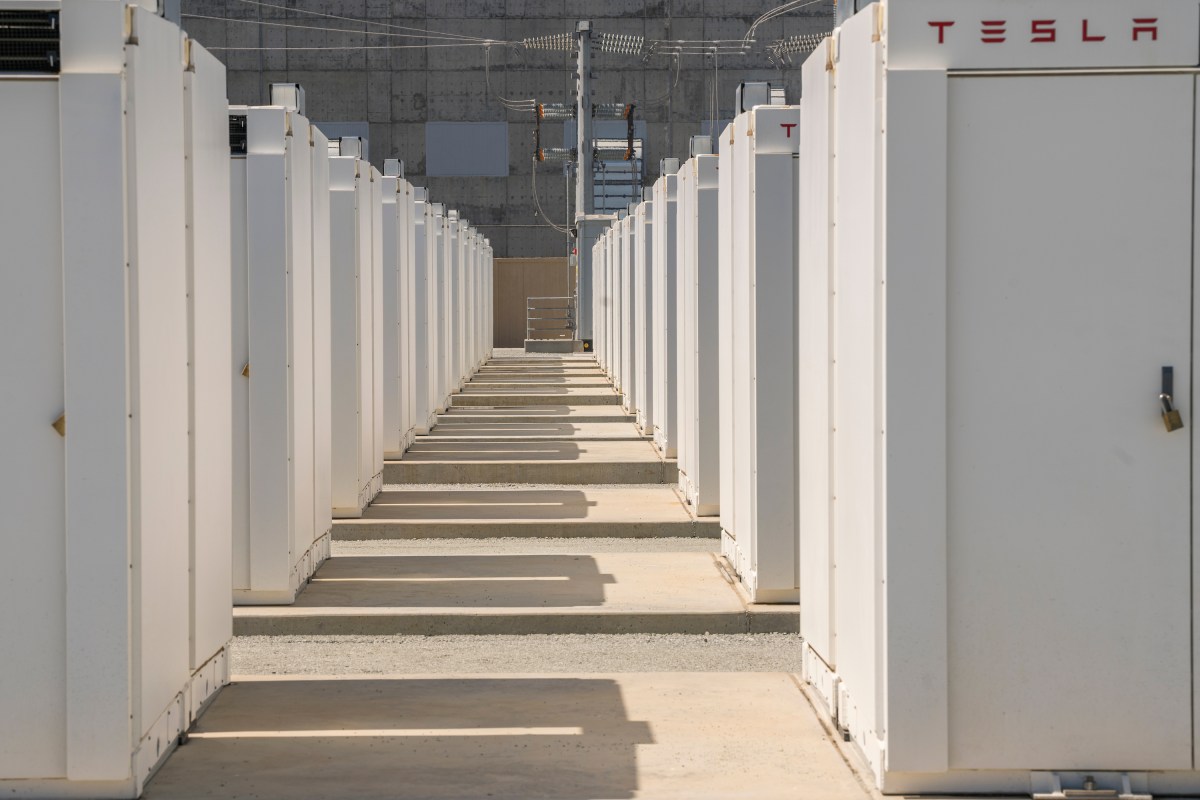
How Tesla Megapacks power SpaceX's expanding energy needs
SpaceX has poured $329 million into Tesla Megapacks so far this year, and that number says more than any press release could. It shows how naturally Elon Musk's companies feed each other, not as a gimmick, but as a practical engine for progress. When one arm needs serious storage, another steps up with the hardware. That kind of interdependence is worth watching, especially as Tesla Semi Production Ramps Up elsewhere. Explore how these threads weave together; the connections are where the real momentum lives.