investment
199 stories filed under investment on Beyond Market Intelligence. The newest of them: “Explore how data and carbon credits can transform rice farming resilience.”, “On its first earnings call, SpaceX's leader amplified already big promises.”, and “Anthropic invests $10 billion in Volta to reshape AI infrastructure”. Saudi Aramco's backing of Mitti Labs signals a practical step toward fixing one of Asia's most urgent challenges: water-stressed rice farming. Elon Musk couldn't help himself. Acme AI is the next-generation, AI-powered spreadsheet platform built to replace Excel and redefine how analysts, data scientists, and enterprise teams work… The list below is every investment story on Beyond Market Intelligence, newest first.

Explore how data and carbon credits can transform rice farming resilience.
Saudi Aramco's backing of Mitti Labs signals a practical step toward fixing one of Asia's most urgent challenges: water-stressed rice farming. The startup's plan to expand into the Philippines and Indonesia, while scaling its carbon credits and agricultural data, feels like a natural progression rather than a leap. This is the kind of grounded innovation we like to see, especially for readers tracking how capital flows into climate-focused agri-tech. For more on regional investment momentum, our piece on Lightspeed's new India fund offers useful context.

On its first earnings call, SpaceX's leader amplified already big promises.
Elon Musk couldn't help himself. On SpaceX's first earnings call, he kept inflating the already-bold promises from CFO Bret Johnsen and Gwynne Shotwell, pushing their projections even further. It's a familiar dynamic: ambition meets execution, with Musk refusing to let a good number stay grounded. The result is a confident, aggressive vision for the company's future. For more context on how bold leadership plays out across tech, check out our piece on Automattic's recent boardroom shakeup.

Anthropic invests $10 billion in Volta to reshape AI infrastructure
Anthropic is placing another massive bet on infrastructure, reportedly signing a $10 billion deal with AI cloud startup Volta. This move extends a partnership spree that signals something important: the company is serious about scaling its models without relying on a single provider. It's a pragmatic play, not a flashy one. For users, it means more resilience and capacity behind the tools they depend on.
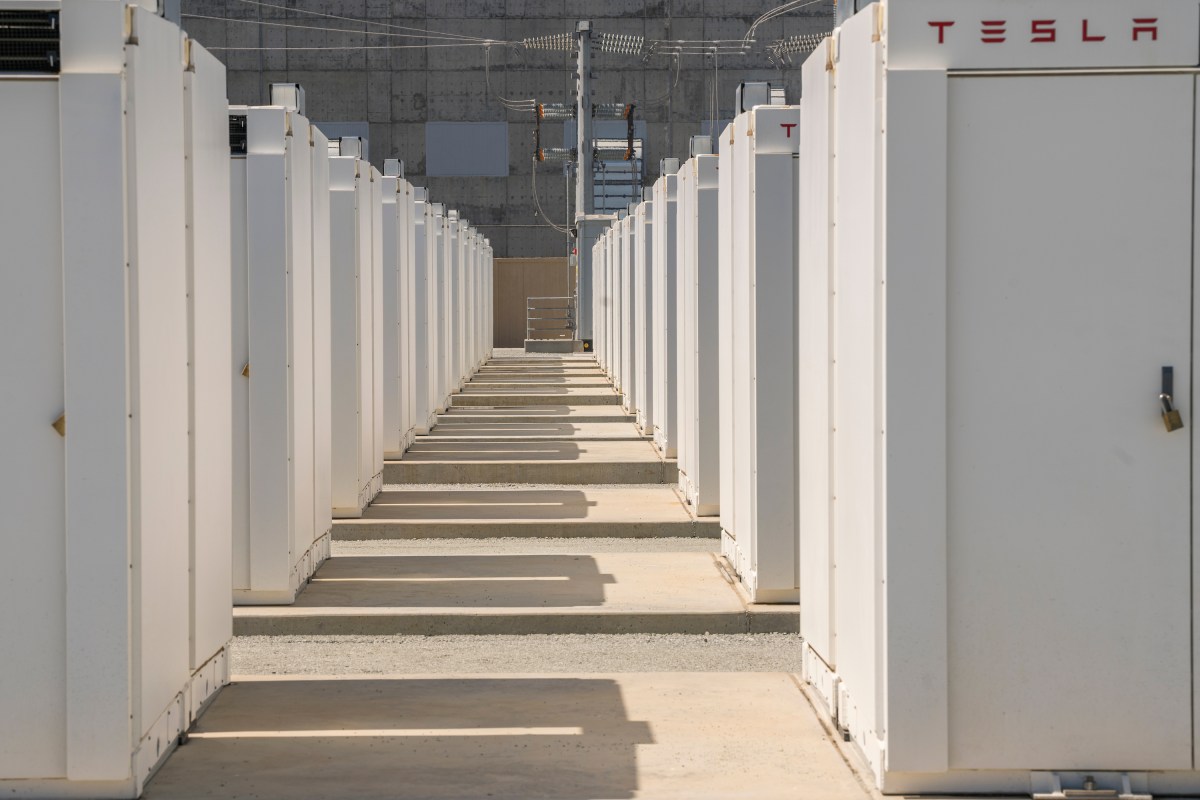
How Tesla Megapacks power SpaceX's expanding energy needs
SpaceX has poured $329 million into Tesla Megapacks so far this year, and that number says more than any press release could. It shows how naturally Elon Musk's companies feed each other, not as a gimmick, but as a practical engine for progress. When one arm needs serious storage, another steps up with the hardware. That kind of interdependence is worth watching, especially as Tesla Semi Production Ramps Up elsewhere. Explore how these threads weave together; the connections are where the real momentum lives.

Musk's focus shifts from cars to AI in Tesla earnings calls
Elon Musk now spends half of Tesla's earnings calls talking about robots and AI, not cars. An analysis of the past seven years shows how far the conversation has drifted from the company's core business. That focus is bold, but it raises a real question: what happens to the vehicles while he chases the next machine? For a clearer look at where this tech obsession can lead, our piece on talking to an AI clone offers a grounded counterpoint.

Airtable's new chapter begins with a strategic $1.28 billion acquisition
Airtable's journey from an $11 billion valuation to a $1.28 billion acquisition is a striking one. Bending Spoons is known for acquiring products with strong foundations and refining them for efficiency. This move suggests a belief that Airtable's core remains solid, even if the market's enthusiasm has cooled. It is a pragmatic bet on a tool that still defines a category. For users, the focus will likely shift toward integration and polish. If you are following the broader infrastructure story, our piece on Nscale's $3.

Palantir's billion-dollar quarter challenges AI's trust deficit
Palantir just posted $1 billion in profit, and Alex Karp responded by calling the AI industry "Marxist." That's a bold word from a CEO whose own success depends on the same frontier labs he's warning enterprises about. His point deserves attention: if these tools can't be trusted, why rush them into critical workflows? We're not here to defend big tech's habits, but we'd rather see scrutiny than blind adoption.

June raises $20 million to make AI deployment simpler and more accessible
June emerged from stealth today with a $20 million pre-seed round, a clear signal that Marc Benioff-backed investors see real potential in simplifying AI adoption. The startup's premise is refreshingly direct: the hardest part of AI isn't building it, it's deploying it without drowning in complexity. That resonates. We've explored the human side of these tools before, like in our piece on questioning AI clones, and this feels like a natural next step.
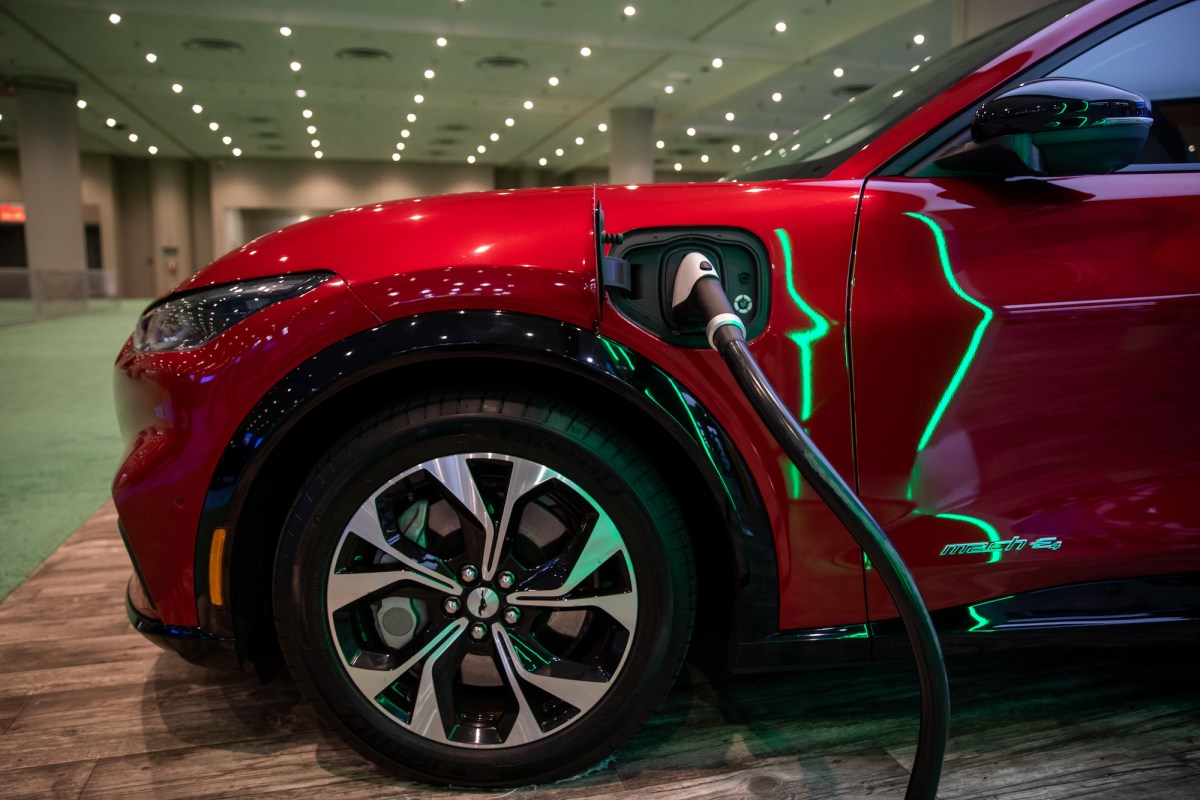
Legacy automakers shift focus as EV mentions drop to pre-pandemic levels
GM and Ford are mentioning EVs on investor calls at pre-pandemic rates, a clear signal that the electric vehicle hype cycle is cooling. The data from TechCrunch and Hudson Labs shows these automakers are pulling back from the aggressive EV narrative, but that is not a retreat from reality. It is a recalibration. For users exploring the future of data-driven decisions, this is a moment to watch.

Tesla weighs selling China operations amid Taiwan uncertainty
Tesla is reportedly preparing to sell its China business, a move tied to the possibility of a SpaceX merger and contingency plans should Beijing move on Taiwan. It's a striking acknowledgment of how geopolitical risk now shapes corporate strategy. The decision reflects a pragmatic, if sobering, view of what the future may demand. For those following the intersection of tech and global uncertainty, this is worth watching closely.

Ellis AI emerges from stealth with $10M for private credit intelligence
Ryan Williams knows private credit managers don't need another dashboard; they need a workflow that keeps up with their decisions. That's why Ellis AI's $10 million seed round matters. It's a focused bet on using AI to handle the heavy lifting, letting managers spend more energy on strategy and less on manual data wrangling. We've been thinking about how AI changes professional trust, and this feels like a practical step forward.

Inforcer secures $50M to help smaller businesses navigate AI and security risks
London-based Inforcer has closed a $50 million Series C round led by Insight Partners, a clear signal that smaller businesses are no longer being left behind in the AI security conversation. We see this as a practical step toward preparing companies for risks that feel increasingly complex. The funding speaks to a real need for accessible tools, not hype. If you are questioning how AI fits into your own operations, our piece on talking to an AI clone offers a useful starting point for reflection.

Simile secures $200M to expand synthetic data for smarter AI tools
Five months after its $100M Series A, Simile has closed a $200M round at a $2B valuation, cementing its place in the fast-moving AI unicorn club. That pace says something about the demand for synthetic users. We're watching a company that turns data generation into a scalable tool, not a novelty. For those still wrestling with what AI can truly do, our piece on training an AI clone offers a grounded counterpoint.

Discover how AI makes infrastructure compliance simpler and more accessible
Infrastructure is booming, and with it, the complexity of staying compliant. Dili just raised $21.7M in a Series A led by Khosla Ventures, with backing from Allianz, Rebel Fund, and Y Combinator's Garry Tan. That's a strong signal that AI-native compliance is moving from experiment to essential. We see this as a natural evolution of the spreadsheet's role: not just tracking data, but making it trustworthy.
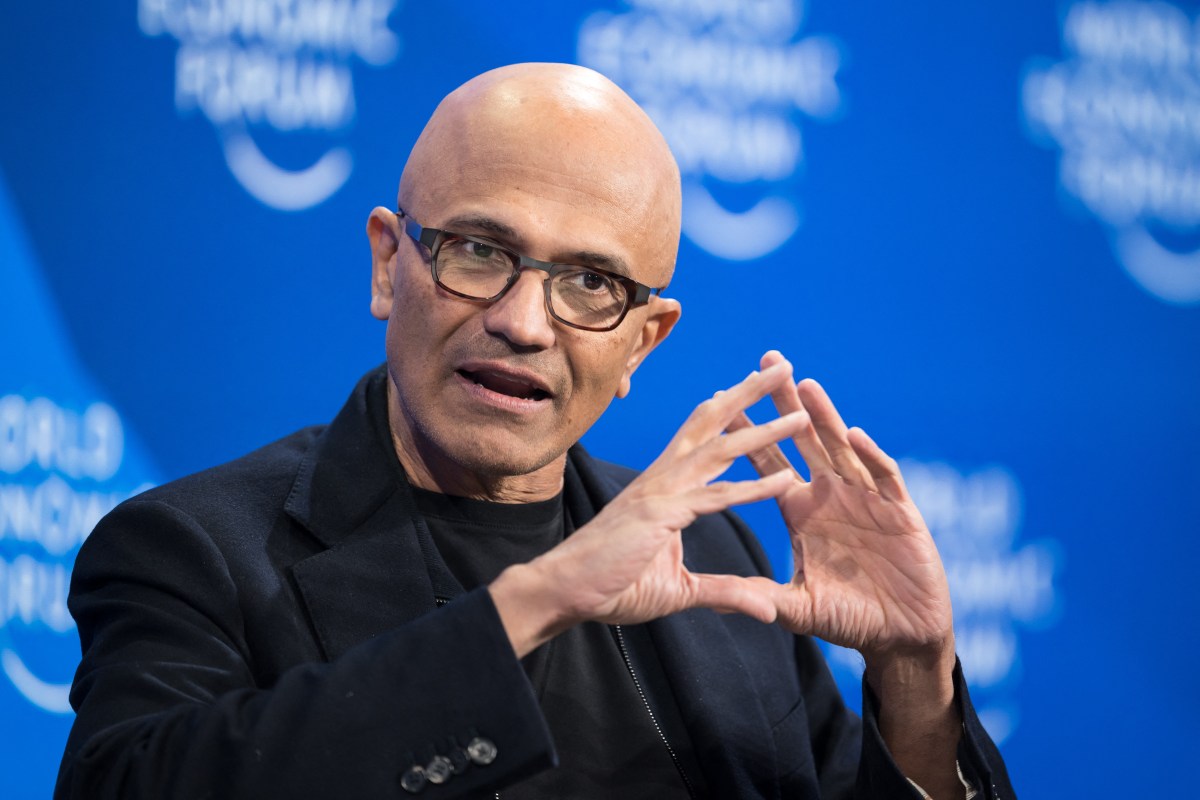
Microsoft signals its own AI future beyond partner models
Microsoft is openly stepping into the ring with OpenAI and Anthropic, pitching its own homegrown AI models and a Mythos competitor to Wall Street on Wednesday. It's a bold signal that the company intends to keep growing on its own terms. That kind of confidence is worth watching, especially as users weigh which tools truly serve them. If you're questioning how much to trust this AI push, our piece on talking to an AI clone offers a thoughtful counterpoint worth exploring.

Microsoft's AI bets yield $3.2B from Anthropic as OpenAI returns prove mixed
Microsoft's fiscal 2026 fourth-quarter earnings carried a telling detail: its $3.2 billion gain from Anthropic's investment stands in sharp contrast to OpenAI's mixed results. That divergence says less about the technology and more about how differently two AI leaders can perform under the same corporate umbrella. It's a reminder that even giants don't get every bet right.

Your personal AI agent is closer than you think.
Mark Zuckerberg sees a future where billions of people rely on personal AI agents, and he's betting Meta's massive infrastructure spending on that conviction. It's a bold wager, one that asks investors to trust the payoff before the product fully lands. The vision is compelling, but the distance between today's tools and that scale is real. For a grounded look at how this feels in practice, our piece "Talking to My AI Clone Taught Me to Question the Tech" offers a useful counterpoint.

Polar brings an AI-native browser to transform how knowledge workers explore data
When Perplexity's team helped build tools for Comet's launches, they learned what knowledge work demands: speed, context, and clarity. Now Polar enters with an AI-first browser aimed squarely at that crowd, backed by a $5.7 million seed round led by Madrona. It's a smart bet, but it also raises a fair question about how much trust we place in AI companions.

Pangram secures $9M to help you identify AI-generated content
Pangram's $9 million raise lands at a moment when AI-generated text is blurring the line between useful and noisy. The startup's new Pangram 4 model targets that problem directly, with an image detection tool also in research preview. That matters because the real cost of AI slop isn't just clutter; it's the silent skewing of models trained on it. We've seen how easily false positives muddy the data, as our own piece on catching AI slop showed.

Spur Intelligence secures $200 million to sharpen bot detection technology
Spur Intelligence just landed a $200 million round from Insight Partners, and the message is clear: separating real humans from bots is no longer a nice-to-have. It's the foundation of trustworthy data. This funding validates the hard work of making online interactions feel genuine again. We've been exploring how AI slop can quietly skew your models, so this focus on filtering out the noise feels timely. It's a smart move toward cleaner, more reliable insights for everyone.
The Global Shift in AI Leadership: What It Means for You
The US no longer holds the crown in AI, and that's not a warning, it's an observation worth acting on. Global competitors are closing the gap with faster adoption and bold experimentation, leaving American tech to play catch-up. We've seen how quickly assumptions about AI's limits fall apart, whether it's in training models or questioning what our own tools say back to us. If you're still leaning on legacy systems, this shift should feel like a nudge.

Antares secures $470M to power Air Force bases with small modular reactors
Antares has raised $470 million to build small modular reactors for U.S. Air Force bases, with units sized from 100 kW to 1 MW. That's a focused bet on a specific defense need, and it's a smart one. It signals a practical shift toward energy resilience where it matters most. For a deeper look at how infrastructure bets are reshaping AI and defense, our piece on Anthropic's cloud commitment is worth exploring. This is about building dependable power, not chasing hype.

Enigma's $71M seed round aims to make robot control as intuitive as volume
Enigma's $71M raise signals something practical: making robot control feel as intuitive as turning a dial. Led by Index Ventures and Ribbit Capital, with Sarah Guo's Conviction Partners joining, this seed round backs a simpler interaction model. We're encouraged by the focus on accessibility over flashy claims. It aligns with our own explorations, like the piece on questioning AI clones, where ease of use meets ethical nuance. For those tracking how humans interface with intelligent systems, this is a step worth watching closely.

A European media network raises $1.6 million to expand its live show format.
Europe just got its own TBPN-style live show, and the guest list is already competitive. On Monday, the network locked in a $1.6 million seed round backed by Powerhouse Capital, Axel Springer SE, LadBible, and angel investors from OpenAI and DeepMind. That firepower signals serious momentum. With this fresh capital, the network is rolling out its largest expansion yet. It's a confident move that invites discovery, not hype.