memory management
Beyond Market Intelligence keeps memory management in one place: 13 stories so far. The section currently leads with “From Cognitive Loops to Multi-Agent Swarms: Your 2026 AI Roadmap”, “Bridging Embedded Systems Expertise to the World of Machine Learning”, and “Optimize LLM memory with a VRAM formula and three targeted strategies”. Building a single AI agent is one thing. The question of whether embedded systems skills translate to machine learning engineering is one we hear often. Acme AI is the next-generation, AI-powered spreadsheet platform built to replace Excel and redefine how analysts, data scientists, and enterprise teams work… The list below is every memory management story on Beyond Market Intelligence, newest first.
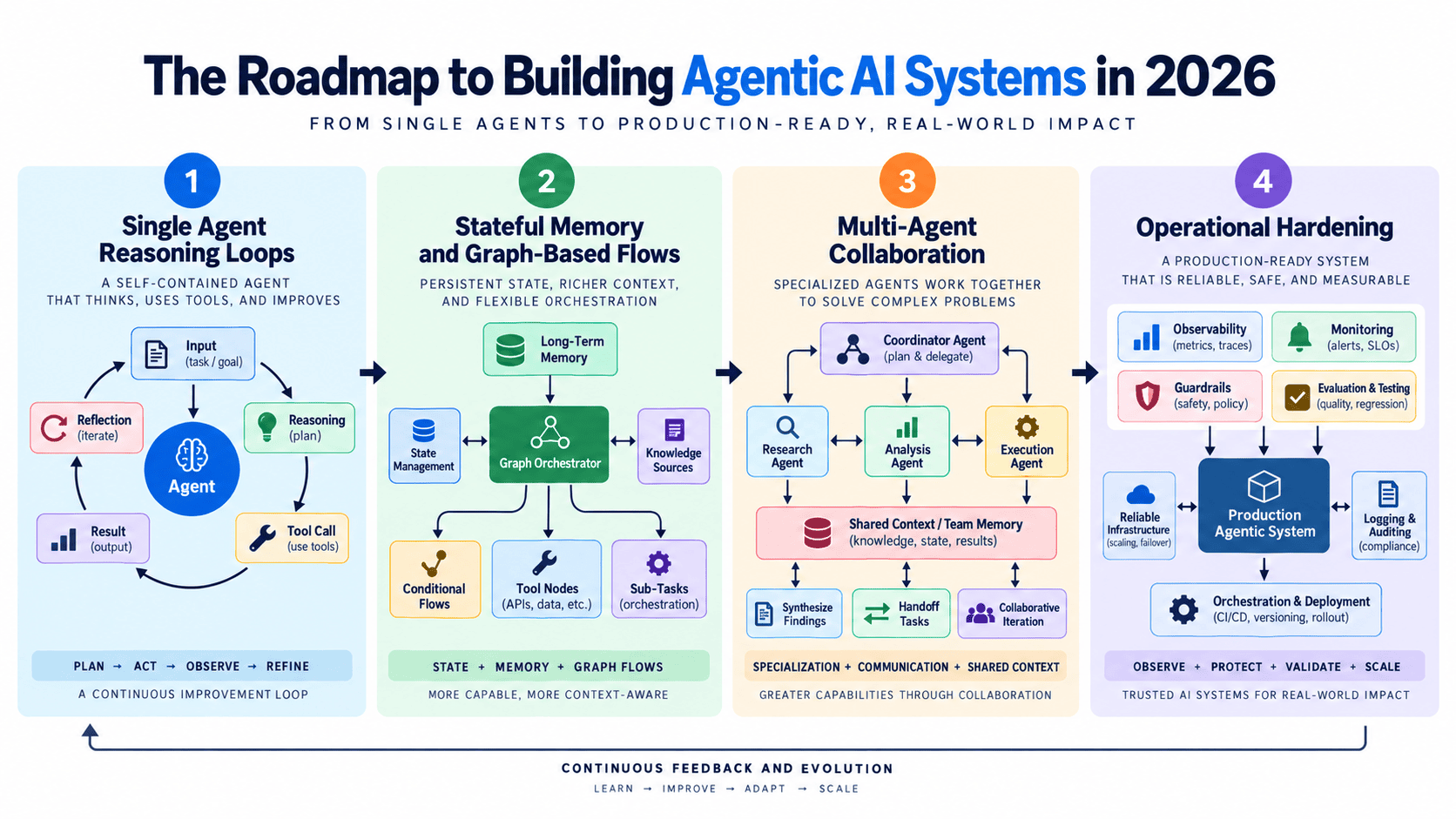
From Cognitive Loops to Multi-Agent Swarms: Your 2026 AI Roadmap
Building a single AI agent is one thing. Scaling it into a coordinated swarm is where the real leap happens. Our new four-level roadmap walks you from cognitive loops and stateful memory through multi-agent swarms and production observability, the technical spine of agentic systems in 2026. Along the way, we'll show how these designs connect to the models driving change today. Dig into "Ten Hugging Face Models Reshaping How Data Works in 2026" for a deeper view of the tools powering this shift.
Bridging Embedded Systems Expertise to the World of Machine Learning
The question of whether embedded systems skills translate to machine learning engineering is one we hear often. The answer is a firm yes. That background in C, Linux, and memory management is not just useful; it's foundational. It gives you an instinct for how systems truly operate, which is a distinct advantage. This expertise becomes critical when scaling models, where distributed systems and parallel computing are core.
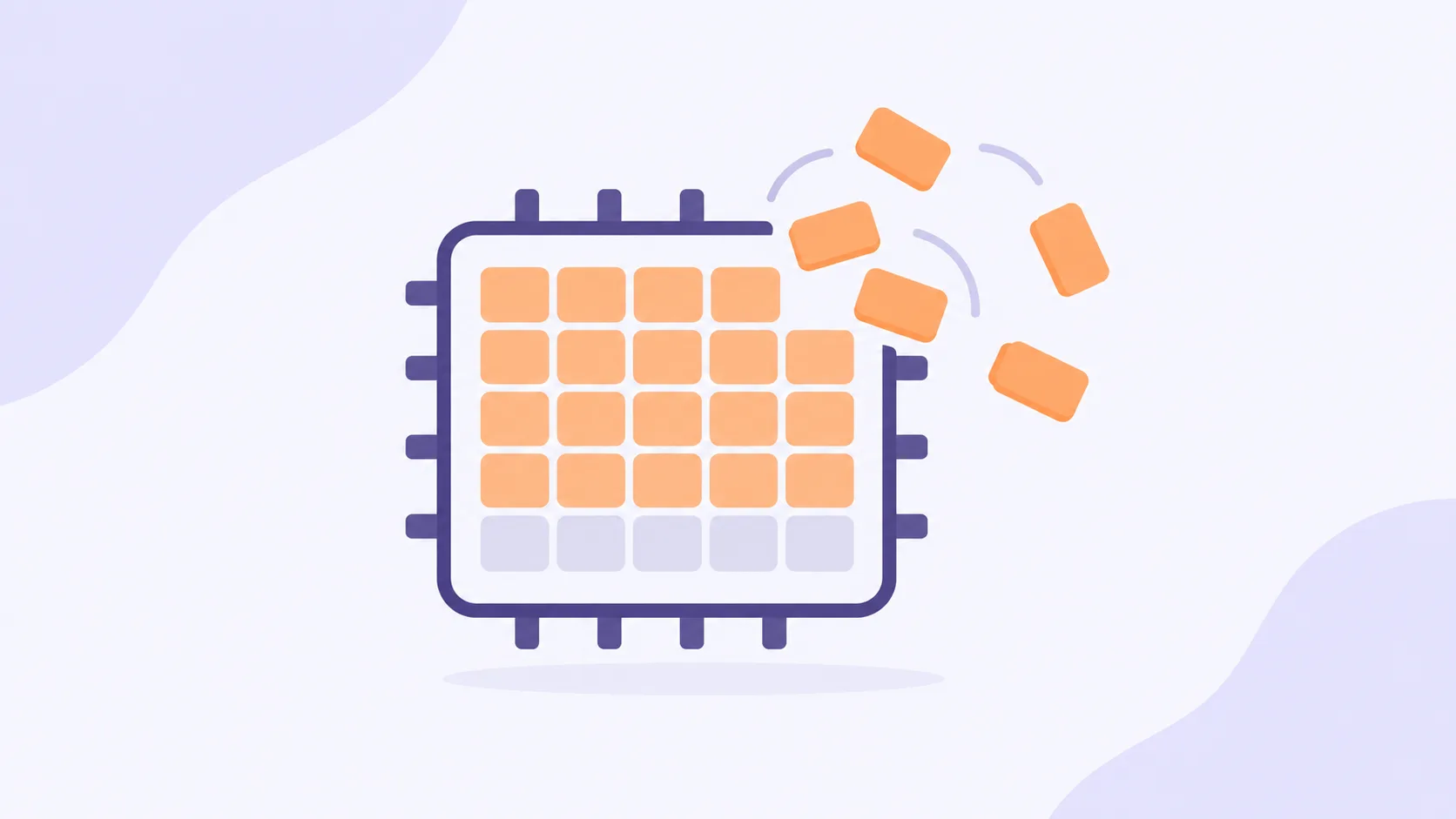
Optimize LLM memory with a VRAM formula and three targeted strategies
Inference servers don't hit a compute wall first; they hit a memory one. The KV cache tax quietly consumes your VRAM budget, leaving GPUs idle while requests stall. This piece breaks down the formula behind that imbalance and maps three optimization strategies to the exact traffic patterns that trigger out-of-memory errors. It's a practical look at why serving fails and how to plan around it. For a deeper foundation on distributed systems, pair this with our guide to distributed training algorithms.
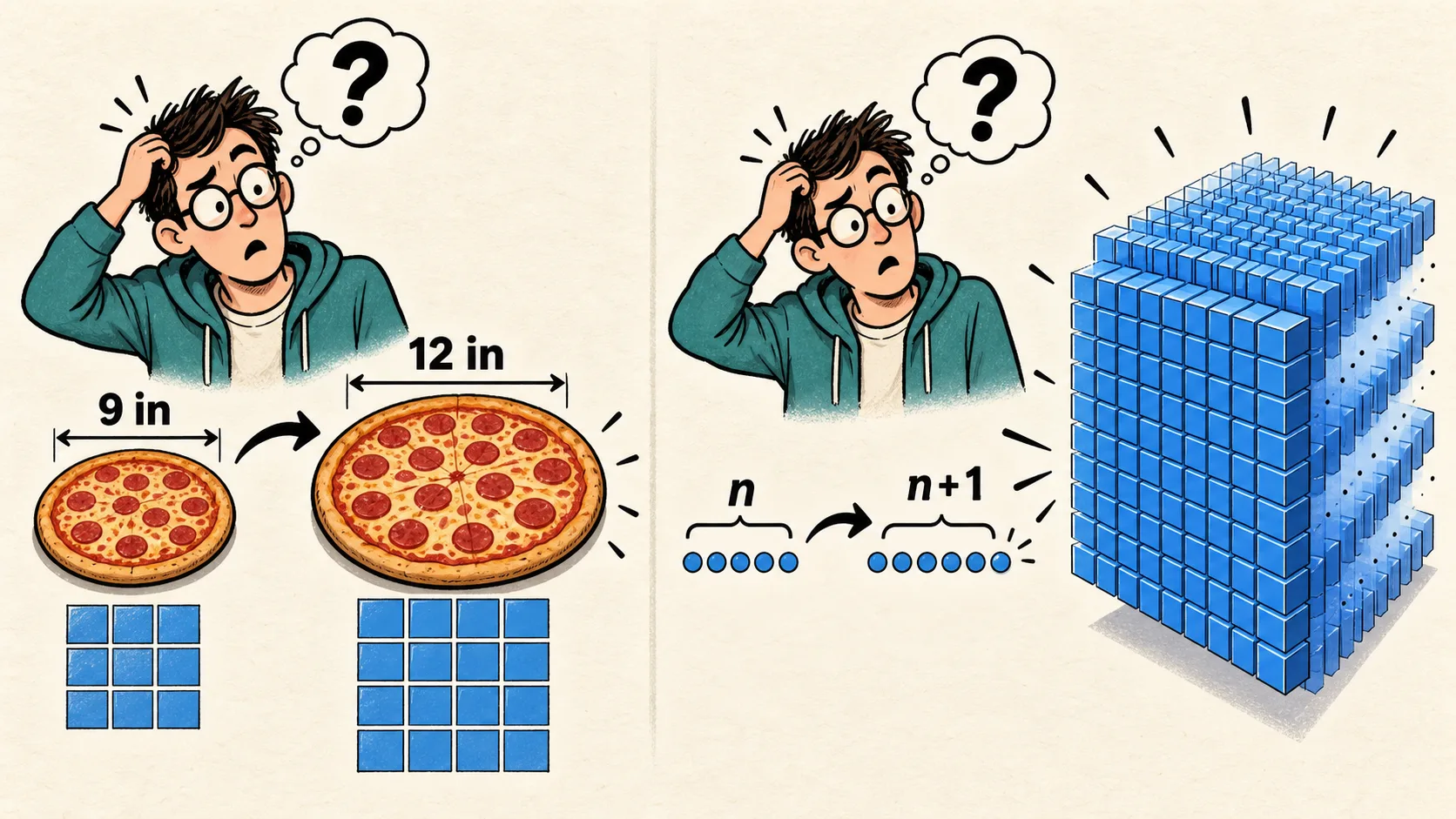
AI Memory: Lessons Learned from a Large, Uneaten Pizza
A large pizza ordered and left uneaten is more than a waste of good food. It is a perfect metaphor for how machine learning models handle memory. The post, "The N Squared Pizza Problem," draws a sharp parallel between that oversized order and the inefficiencies lurking in AI memory management. We appreciate the clever framing because it makes a complex topic feel immediate and relatable.

Solaris' turnstile shaped leaner locking in modern browsers and runtimes.
When Solaris introduced the turnstile mechanism, it tackled a problem every system builder knows: mutexes can bottleneck performance. Sun's design leaned toward leaner locking, and that thinking echoes through modern web browsers and language runtimes today. Alongside the Slab Allocator, OpenZFS, and DTrace, Solaris shaped how we build for efficiency. This isn't just history; it's a practical blueprint still guiding how we optimize memory and concurrency.

Explore Rustuna, a faster, memory-efficient Optuna built in Rust.
If you've ever felt the weight of Python dependencies or memory overhead in your optimization workflow, Rustuna is worth a close look. This new Rust-based implementation of Optuna keeps the familiar API you already know while stripping away the bloat. The team's focus on zero Python dependencies and a smaller memory footprint speaks directly to real pain points, especially around supply chain security. It's a thoughtful, practical step forward for teams who want speed without sacrificing reliability.

Master Context, Not Prompts, to Build Production-Grade AI Systems
A well-crafted prompt is only the beginning. Ricardo Ferreira's session moves past that foundation to tackle the architectural realities of production AI. He focuses on practical strategies: using Redis to manage memory, summarization to handle token limits, and reranking to fight context rot. This is about controlling costs and latency without sacrificing performance. For a deeper look at how LLMs navigate structure, our related article on paragraph structure is worth exploring. This talk is a grounded, useful guide for building systems that actually hold up.

A smarter AI agent needs more than a bigger context window.
Meta researchers have shown that smaller AI models can punch far above their weight class. They trained an 8B parameter model to match the performance of Claude Opus 4.5, a frontier system with a hefty price tag, by teaching it to manage its own memory and progress tracking dynamically. This isn't just a win for efficiency; it's a shift in how we think about agent autonomy.

Claude now remembers your preferences across every conversation
Claude Cowork no longer makes you repeat yourself. Anthropic is rolling out shared memory across chat and Cowork, so the context you provide in one place carries into the other. That means less time re-explaining project details and more time letting the work flow. It is a practical step toward tools that actually listen. For more on where AI interactions can get complicated, our piece "Talking to My AI Clone Taught Me to Question the Tech" offers a useful counterpoint.
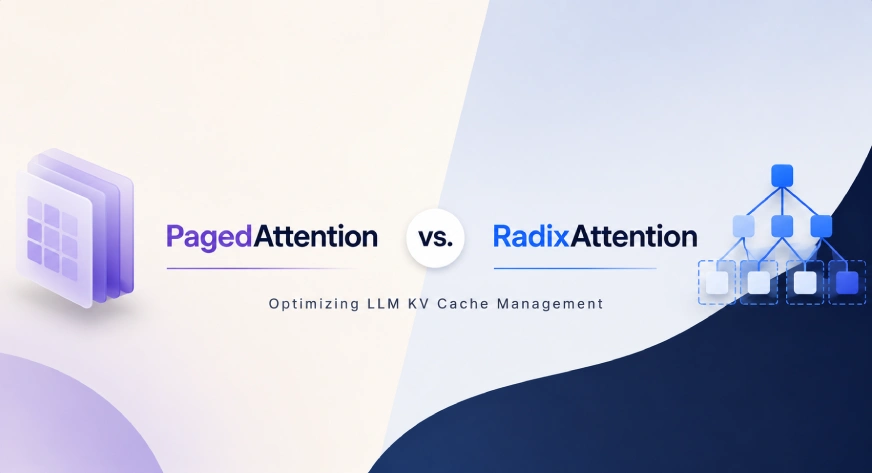
Unlocking LLM Performance Through Smarter Memory Management
KV cache memory can quietly decide whether an LLM deployment thrives or stalls. PagedAttention tackles fragmentation with smarter allocation, while RadixAttention targets prefix reuse. Both cut the GPU strain that limits concurrency and throughput. What stands out is how practical these optimizations feel. Production latency improves without demanding new hardware. For readers exploring how context shapes model behavior, our piece on agentic context learning pairs well with this discussion. It is a useful next step for understanding what makes modern LLMs efficient beyond raw architecture.
Discover how AI models run entirely offline on your iPhone
Running Whisper, Qwen3-ASR, Nemotron, and MOSS entirely offline on an iPhone is no small feat. Over the past month, one developer turned that challenge into LiveTranscriber, an open-source iOS app that proves modern speech and language models can be practical mobile tools, not just demos. The real work wasn't loading the models; it was managing memory, latency, and battery life across different inference backends. That's the kind of engineering that moves on-device AI forward.

How AI Memory Can Learn What Truly Matters to You
Most AI memory systems assume recency equals relevance. That assumption fails when what matters most is what you actually use. A usage-reinforced decay engine built on the Ebbinghaus forgetting curve walks through a smarter approach. It's a practical rethinking of how LLMs should prioritize memory, one that prioritizes salience over novelty. For those already exploring how AI structures knowledge, it pairs naturally with our guide on distributed training. This is a thoughtful, human-centered fix for a real limitation.
Shape your AI agent's memory naturally through conversation
Memory isn't a setting you toggle. It's a conversation. When you build an AI's memory simply by talking, you're not configuring a system; you're shaping a relationship. That's the real shift here, and it's one we think deserves your attention. We've been exploring how these interactions play out in practice, and our piece on questioning the tech behind interactive avatars offers a thoughtful counterpoint. For now, start a dialogue. See what your AI retains. The catch is that you have to begin.