model deployment
19 stories filed under model deployment on Beyond Market Intelligence. The newest of them: “Build the Engines Behind Fast LLMs With These Hands-On Projects”, “When AI Writes the Code, Do You Trust the Defaults?”, and “Choosing the Right AI Agent Shape for Your Data Work”. Latency defines the LLM experience, and the fastest way to understand it is to build it yourself. AI assistants are remarkably good at writing code, but they don't always question the assumptions baked into the libraries they use. Acme AI is the next-generation, AI-powered spreadsheet platform built to replace Excel and redefine how analysts, data scientists, and enterprise teams work… The list below is every model deployment story on Beyond Market Intelligence, newest first.
Build the Engines Behind Fast LLMs With These Hands-On Projects
Latency defines the LLM experience, and the fastest way to understand it is to build it yourself. These hands-on projects move past theory, putting you behind the engine to see exactly where speed is won and lost. It is direct, practical work that transforms abstract performance concepts into tangible skill. If you are also curious about rethinking core learning methods, our exploration of physics-inspired approaches without backpropagation pairs naturally with this builder's mindset.
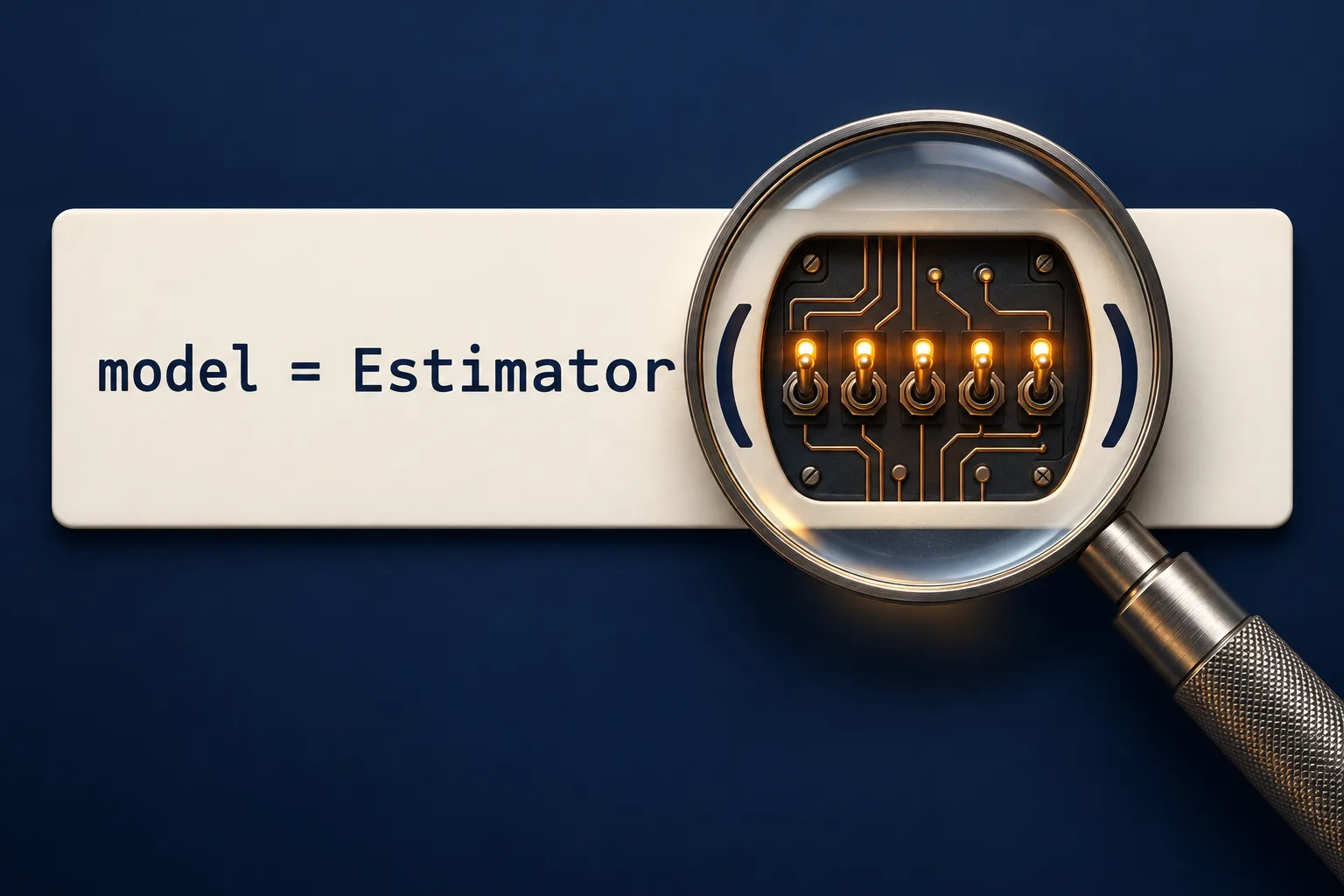
When AI Writes the Code, Do You Trust the Defaults?
AI assistants are remarkably good at writing code, but they don't always question the assumptions baked into the libraries they use. That gap is where subtle errors hide. This piece examines five scikit-learn defaults that deserve a second look before you ship. It's a practical, grounded reminder that trusting the tool isn't the same as understanding it. If you're building for production, this is worth your attention. For broader context on model deployment challenges, our related piece on real-world computer vision offers useful perspective.

Choosing the Right AI Agent Shape for Your Data Work
Choosing between a single model and a team of agents isn't about picking a winner. It's about matching the shape of the tool to the shape of the problem. Codex fits cleanly when the problem is well-defined, Claude Code makes more sense for open-ended exploration, and splitting five specialist agents across dense AI capacity work handles complex, multi-step tasks. It's a practical, grounded look at decision-making that most teams face too early. If you're weighing similar trade-offs, this offers a clear framework worth exploring.
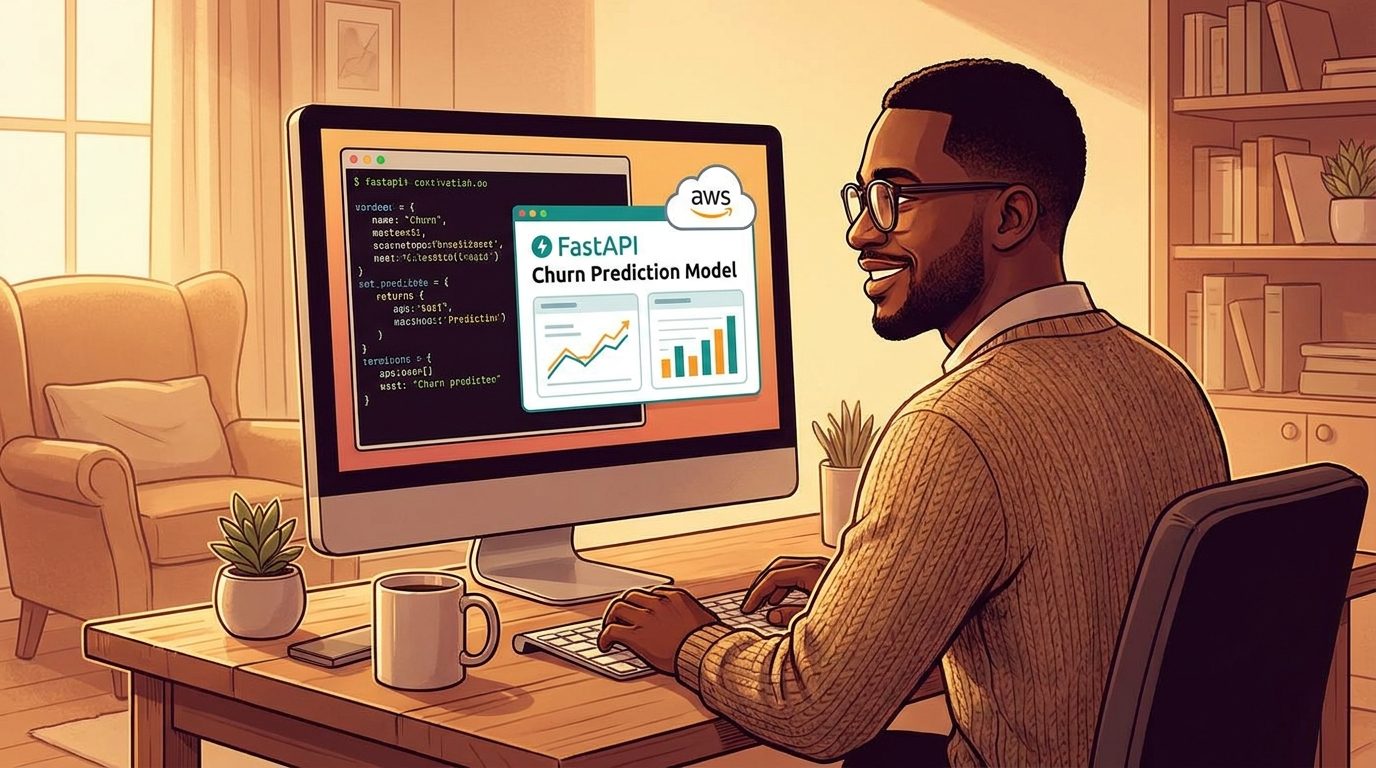
From Notebook to Production: When Your Model Meets a Real API
A model that runs on your machine is only the beginning. The real work starts when someone else needs to call it. This walkthrough of building a FastAPI endpoint for churn prediction captures that gap perfectly, detailing everything that broke between "it runs" and "it's live." It's a grounded, practical look at deployment realities. For more on tackling technical hurdles, explore the Forrester function piece, but this guide stands strong on its own.
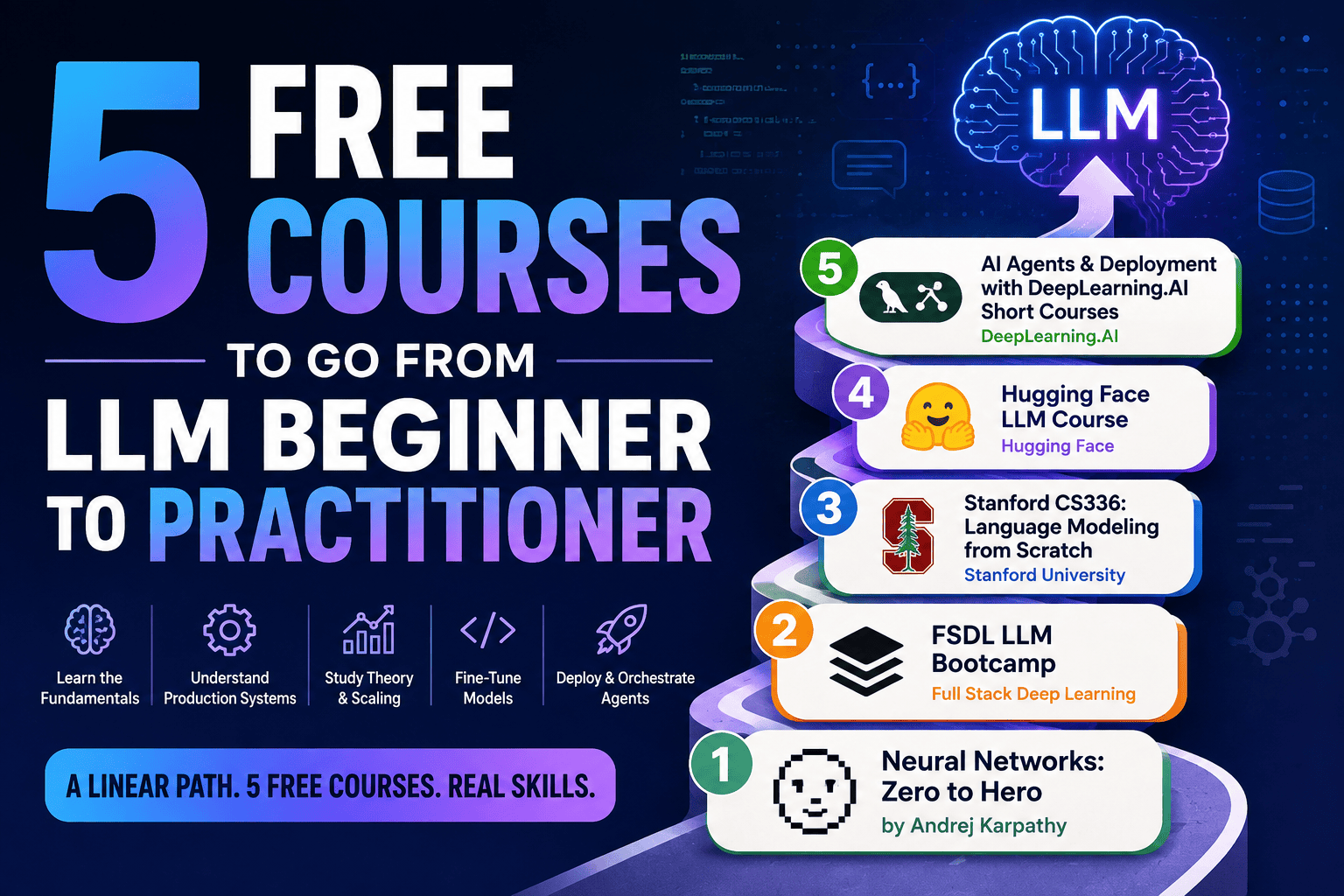
Explore a free path from LLM basics to building production-ready applications
The path from backpropagation basics to production-grade LLM applications doesn't have to be cluttered with endless tabs and half-finished tutorials. These five free courses form a deliberate, linear pipeline that respects your time and builds real competence. It's a focused route, not a buffet. If you're also curious about the infrastructure behind scaling these models, our guide on distributed algorithms pairs well with this track. Start here, move deliberately, and let the work itself teach you.
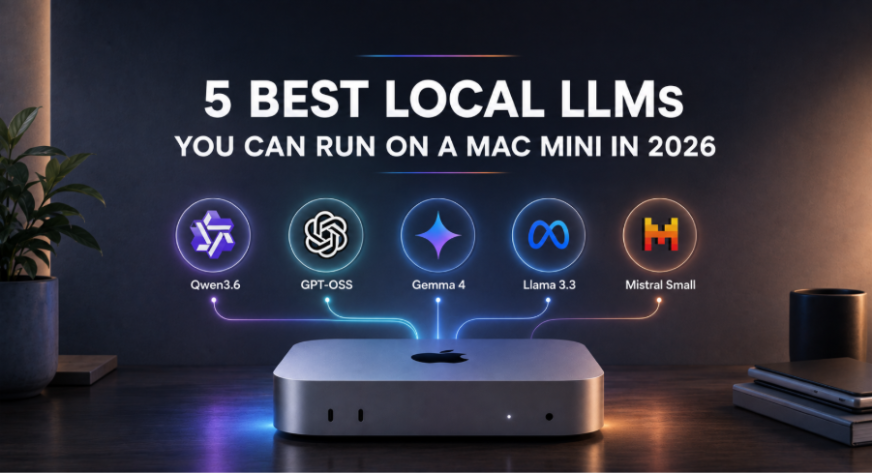
Run capable AI models locally on a Mac mini with these five tools.
Proprietary models deliver impressive results, but they often lock you into someone else's infrastructure. For those who value configurability over raw power, local LLMs are the answer. The Mac mini, with Apple Silicon and unified memory, has become a surprisingly practical host for on-device AI. If you are exploring distributed training to complement your local setup, our guide to distributed algorithms offers a solid next step. For now, discover which models run best on your Mac mini.

Why Your Best Fraud Model Might Not Belong in Production
Six models trained for fraud detection, yet the one with the best metrics never made it to production. That's the honest hurdle this final-year project exposes: evaluation scores don't always translate into real-world deployment. It's a grounded lesson in how operational constraints, not just accuracy, shape what actually ships. For anyone moving from academic benchmarks to practical systems, this is a useful reality check.

How AI Transformed a Data Scientist's Daily Workflow
The morning no longer starts with a chaotic scramble through CSV files. By 2026, the data scientist's workflow has shifted from manual cleanup to strategic oversight, where AI handles the repetitive grind. It's a transformation that feels less like automation and more like partnership. We still ask the hard questions, but now we have a thinking partner that accelerates discovery.

Explore how local AI turns images into structured data with Gemma 4
Gemma 4 and Ollama bring image inputs and structured outputs together in a local setup, and that combination is worth exploring. It's a practical step toward multimodal workflows without relying on cloud dependencies. The process feels more accessible than you might expect, which is exactly the kind of progress that matters. If you're curious about how these pieces fit, this guide walks through it clearly.

Bring Structure to Local LLMs with a Practical Implementation Guide
Structured output turns a local LLM from a clever autocomplete into a dependable tool for real workflows. It's not about caging the model; it's about giving it guardrails so answers arrive clean and usable. The implementation is straightforward once you map your schema, and when things break, you debug with validation errors instead of guesswork. That practical edge makes it worth the setup. For another angle on AI's limits, "Verify Your AI's Understanding: A Simple Check for Tax Season" pairs nicely with this.

Smaller models, bigger returns: why 3B outperforms 70B for your task.
A 3B model can outperform a 70B one on your specific task. That isn't a compromise; it's a strategic choice. For focused pipelines, massive models are often overkill, and their cost is hard to justify. The Hugging Face transformers library and smolLM3 make this accessible, letting you deploy a lean, capable model without the overhead. If you're tired of paying for compute you don't need, this approach is worth exploring.

Empower your team's models to move beyond the notebook.
The gap between a trained model and a deployed one is where most small teams lose momentum. One data scientist, tired of watching weeks of work stall in Jupyter notebooks, built SceptreAI to close that loop. It combines AutoML, MLOps, and Kubernetes serving into a single traceable workflow. The focus is practical: less time assembling infrastructure, more time answering whether a model is trustworthy enough for production. For teams tired of patching tools together, that clarity is the real value.

Four strategies to scale multi-agent AI without rising token costs
Scaling a multi-agent architecture doesn't have to mean watching your token bill climb. This guide lays out four practical strategies to keep costs in check while you grow, and it's a refreshingly grounded take on a problem many teams quietly wrestle with. The focus here is on smart implementation, not hype. For more on the broader infrastructure behind such systems, our piece on distributed training algorithms offers a useful foundation. If you're ready to streamline without the sting, this is a worthwhile read.
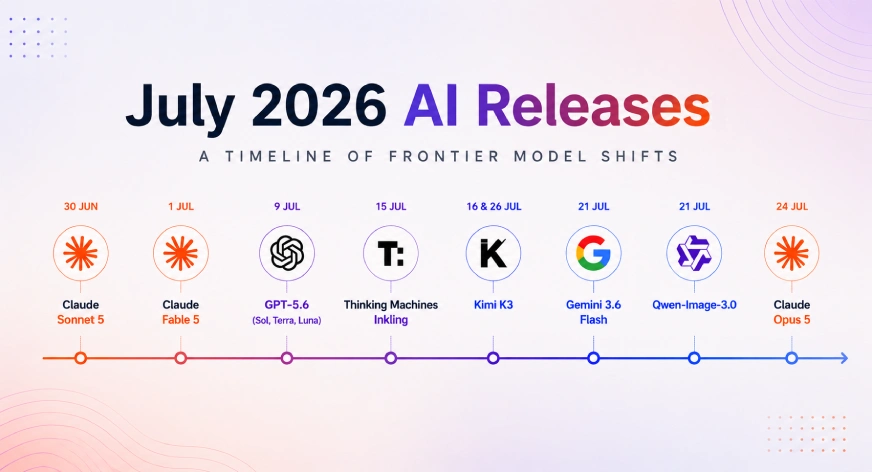
Fourteen Frontier Models Landed in July. Here Is What That Means.
July 2026 didn't just push the frontier forward; it redrew the map. Thirty-one days, four major lab flagships, two debuts from well-funded newcomers, and the largest open-weight model ever released. That's not a busy month, that's a signal. The pace tells us the field is maturing, but also that access is widening. If you're exploring how these shifts reshape your own workflows, our guide to agentic context learning offers a practical lens on where learning happens next. This timeline is worth your attention.
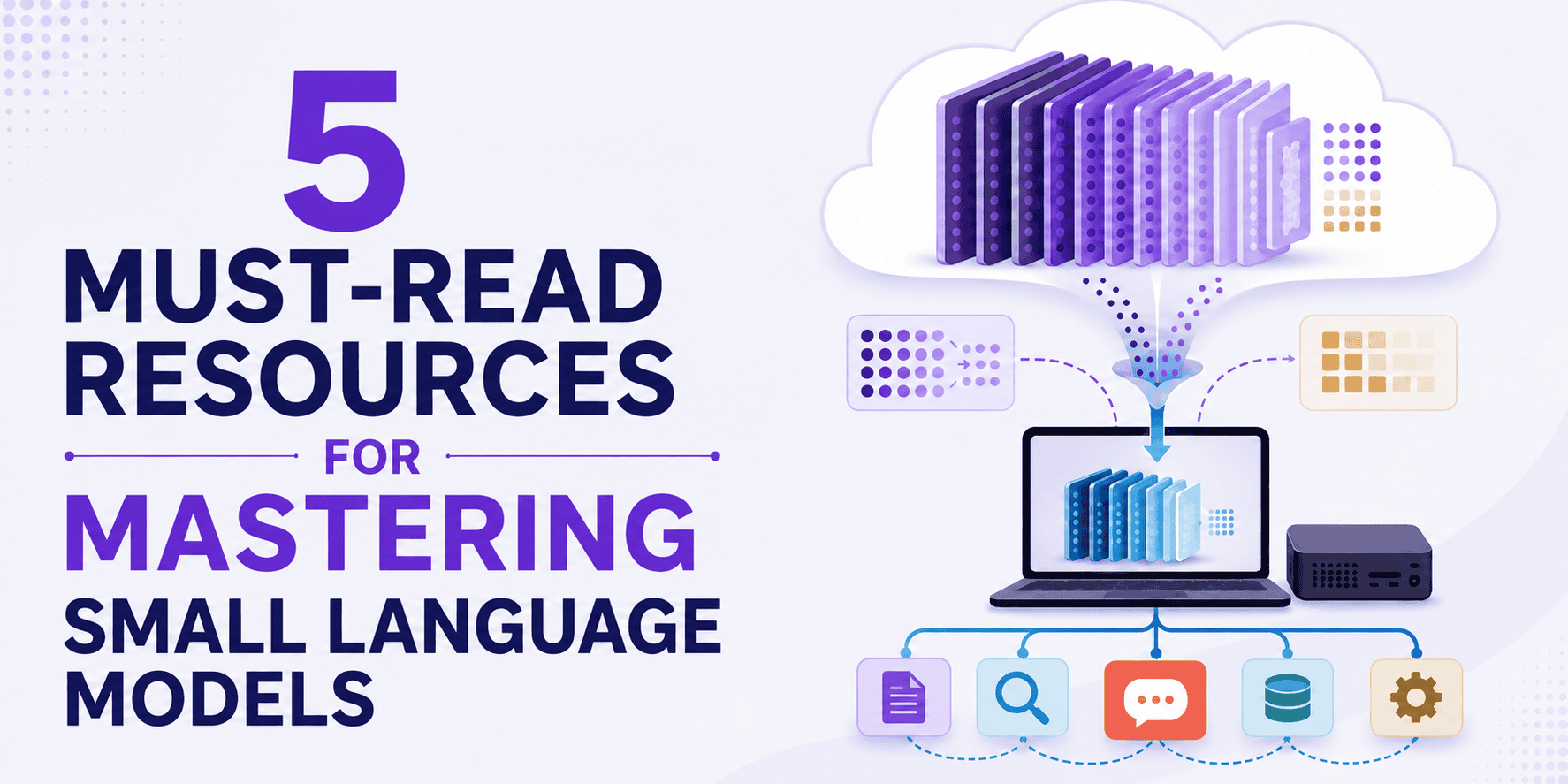
Explore practical resources to master small language models
Small language models are quietly reshaping what's possible for data professionals, and this guide cuts straight to the resources that matter. We've curated five essential reads that cover architecture, fine-tuning, agentic workflows, and local deployment, giving you a practical path forward without the fluff. If you're ready to move beyond theory, these picks will help you build real skills. For a deeper look at how AI systems truly behave, our piece on talking to an AI clone offers a thought-provoking companion.
From raw sensor data to deployed model, discover a simpler path to edge ML.
Getting from raw sensor data to a deployed model on an MCU is rarely a smooth path, so seeing a project built specifically to remove that friction is refreshing. The auto-labeling tool stands out because manual labeling of time series data is a genuine bottleneck for many edge projects. It is smart to pair that with a chatbot that offers direct signal insights. Keeping the platform open source invites practical contributions that could shape its evolution. It is worth exploring for anyone working on tinyML.

Explore how Opus 5 makes powerful AI more accessible and less restrictive.
Anthropic's Opus 5 is here, and the headline is refreshingly practical: it costs less and imposes fewer limits than Fable. That combination makes it the smarter default for most teams. We see this as a quiet correction, not a spectacle. If you are navigating how to trust or verify these systems, our piece on checking an AI's understanding offers a grounded starting point. For now, Opus 5 feels like a step toward tools that simply work harder for you.

Infinity raises $15M to build smarter infrastructure for AI-native data
Infinity's $15 million raise, backed by Touring Capital and researchers from OpenAI and Anthropic, signals something worth paying attention to. At a $100 million valuation, this isn't just another funding round; it's a bet that AI infrastructure can move beyond the hype and into practical, everyday use. We've seen how easily AI tools can mislead, as our own piece on catching AI slop before it skews your model shows. Infinity's work feels like a grounded step toward making that complexity manageable.
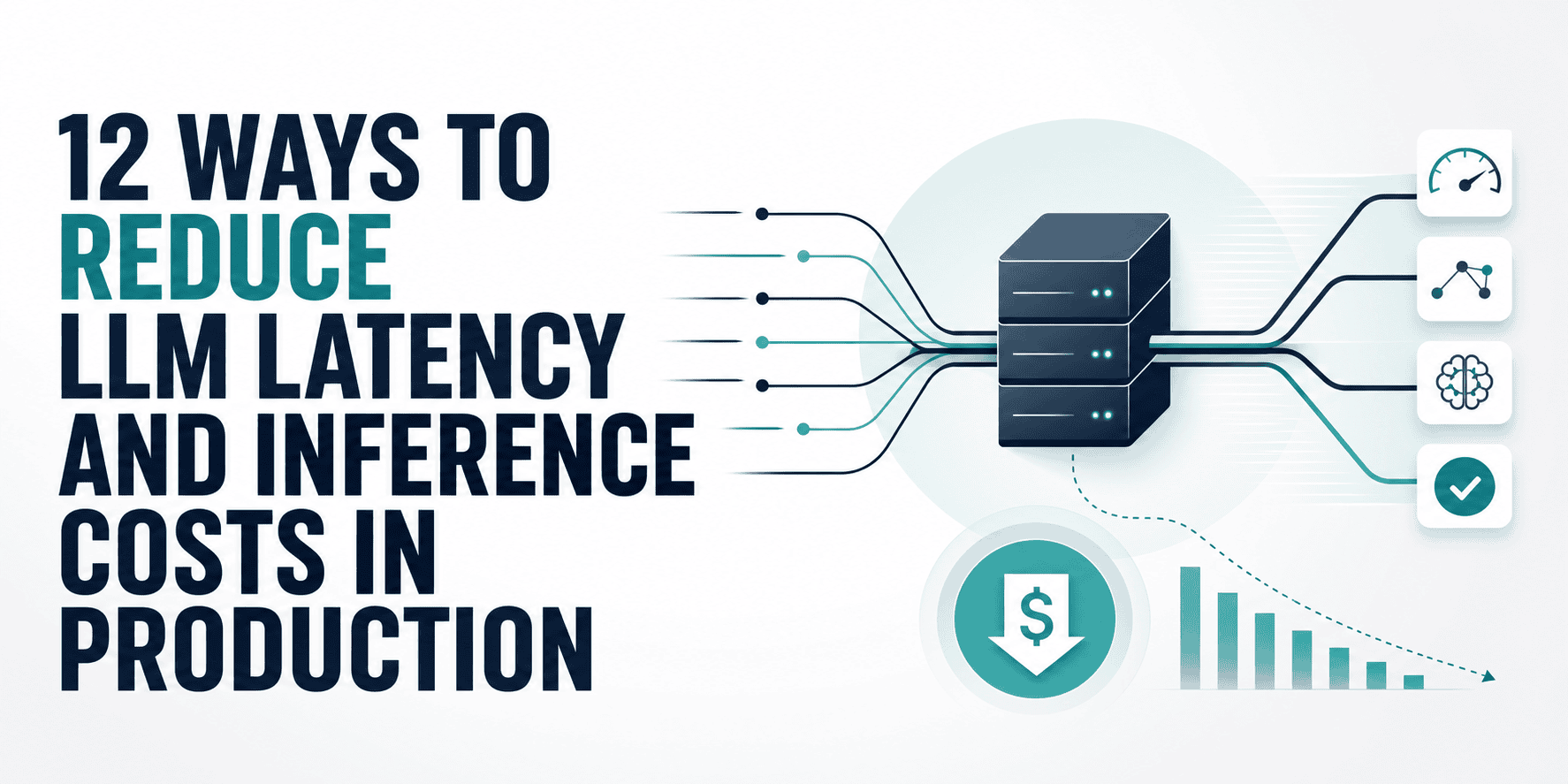
Stop Wasting Compute: Smarter Ways to Speed Up LLM Inference
Scaling LLMs isn't about adding GPUs. It's about removing wasted work from every request. That distinction shapes our latest guide, which lays out 12 practical ways to cut latency and inference costs without chasing hardware. Each tactic targets the inefficiencies that quietly slow production systems. If you're ready to move past brute-force scaling, this is where you start. For a deeper look at how distributed systems underpin these choices, our guide on unlocking distributed training algorithms pairs well with the conversation.