model release
Beyond Market Intelligence keeps model release in one place: 7 stories so far. The section currently leads with “Meta expands AI horizons with Muse Wonder, its first frontier model release”, “Explore How DeepSeek's Efficient Design Powers Smarter Open-Source AI”, and “Explore how GPT-6 Astra transforms coding and agentic workflows.”. Meta's Superintelligence Lab is stepping into the frontier model arena with Muse Wonder and Muse Wonder Full, the company's first release of this scale. DeepSeek-V4.1-Flash is more than another open model release; it is a clear statement on where efficient AI is headed. Acme AI is the next-generation, AI-powered spreadsheet platform built to replace Excel and redefine how analysts, data scientists, and enterprise teams work… The list below is every model release story on Beyond Market Intelligence, newest first.

Meta expands AI horizons with Muse Wonder, its first frontier model release
Meta's Superintelligence Lab is stepping into the frontier model arena with Muse Wonder and Muse Wonder Full, the company's first release of this scale. These two models signal a deliberate move beyond incremental updates toward something more ambitious. If you're weighing how different AI assistants handle real analytical work, our comparison of ChatGPT, Claude, and Gemini for data science tasks offers a practical next step. The future of data management is being reshaped, explore what that means for your workflow.
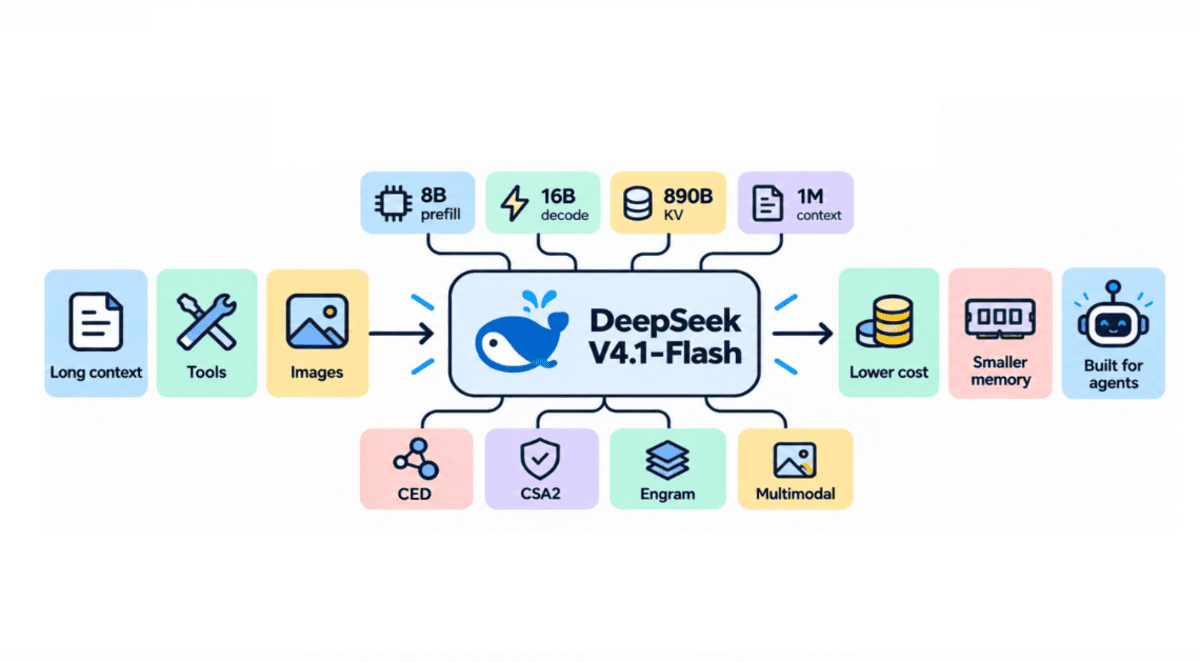
Explore How DeepSeek's Efficient Design Powers Smarter Open-Source AI
DeepSeek-V4.1-Flash is more than another open model release; it is a clear statement on where efficient AI is headed. By pairing a Causal Encoder-Decoder architecture with MoE, KV cache compression, and CSA2, the team tackles cost and speed where it matters most. Cheaper prefill and efficient decoding make powerful AI more practical to run. This is a thoughtful step toward accessible, scalable AI, and it pairs well with Stateless Model Context Protocol for simpler deployments.
Explore how GPT-6 Astra transforms coding and agentic workflows.
OpenAI's GPT-6 Astra lands with a clear focus: coding, computer use, and long-running agentic tasks. That's a meaningful step beyond the usual model drop. It signals a shift toward practical, sustained work rather than quick prompts. For anyone who has felt the ceiling of traditional spreadsheets or legacy tools, this is the same spirit we champion: making complex systems feel manageable. If you're curious about how AI handles structure, our piece on paragraph navigation in LLMs pairs well with this release.
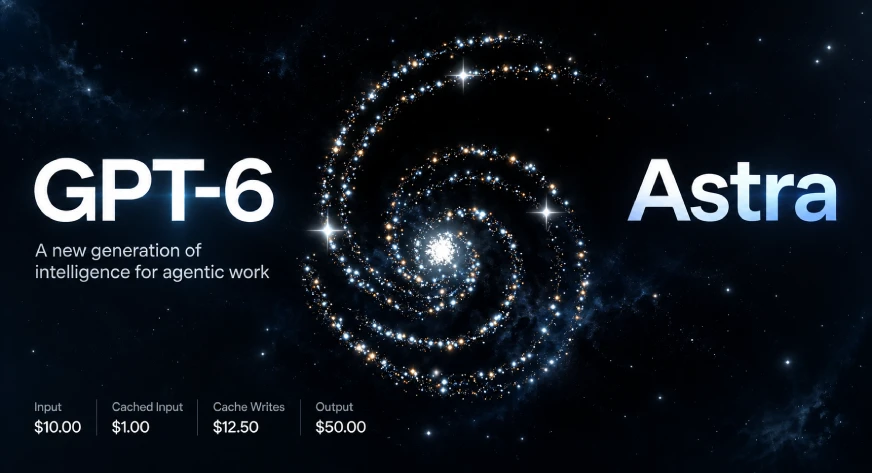
OpenAI's GPT-6 Astra Does More Than Just Answer Questions
OpenAI's GPT-6 Astra arrives barely a week after Anthropic's Claude Fable 5.1, yet its claim is bolder than a release date. OpenAI calls it the world's most intelligent and aligned model, but the real shift is simpler: Astra is built to do more, not just answer more. That distinction matters if you're tired of tools that talk well but act limited. For deeper context on how models handle real-world tasks, our piece on computer vision deployments pairs well here.

Google expands Gemini lineup while leaving its Pro future unclear
Google's latest model drop brings three new Gemini options, yet the missing 3.5 Pro continues to raise questions about its AI roadmap. Shipping Flash, Flash-Lite, and a cyber-focused variant signals a commitment to speed and accessibility, but the flagship gap feels like a deliberate pause. We think that is worth watching closely. If you are exploring how these models handle distributed training, our guide to LLM algorithms offers useful context. For now, the strategy seems focused on practical tools over headline-grabbing power.
Open models need more than access to truly empower users
China's K3 model doesn't just push performance; it exposes a deeper tension in open weights. By showing how easily a capable system can be adapted or gated, it forces a conversation about who truly benefits from openness. That's a useful friction. It's not about dismissing transparency, but about asking what responsibility comes with it. For anyone navigating this shift, our guide to distributed training offers a practical starting point. We think that's the right question to sit with.

Kimi's new model invites a closer look at AI's role in shared productivity.
Moonshot AI's new Kimi model lands with a weighty label attached: "full AI communism." That phrase signals more than a tech update. It points to a future where AI handles the grunt work of data, not just for individuals but across systems. The concern feels premature, yet understandable. We've seen how quickly AI can distort reality, as our piece on AI clones and data slop shows. Kimi deserves scrutiny, but let's explore what it actually does before we sound alarms.