open source
105 stories filed under open source on Beyond Market Intelligence. The newest of them: “Netflix's Open Source Flink Autoscaler Cuts Streaming Costs by 58 Percent”, “For administrators seeking continuity, FreeCORE extends TrueNAS on FreeBSD.”, and “Explore how an open-source AI agent refines vulnerability detection.”. Netflix is moving toward the open-source Apache Flink Autoscaler for more than 30,000 streaming jobs across multiple AWS regions, and the numbers make a compelling case. TrueNAS CORE built its name on FreeBSD and OpenZFS, but the shift to Debian-based SCALE left a gap. Acme AI is the next-generation, AI-powered spreadsheet platform built to replace Excel and redefine how analysts, data scientists, and enterprise teams work… The list below is every open source story on Beyond Market Intelligence, newest first.
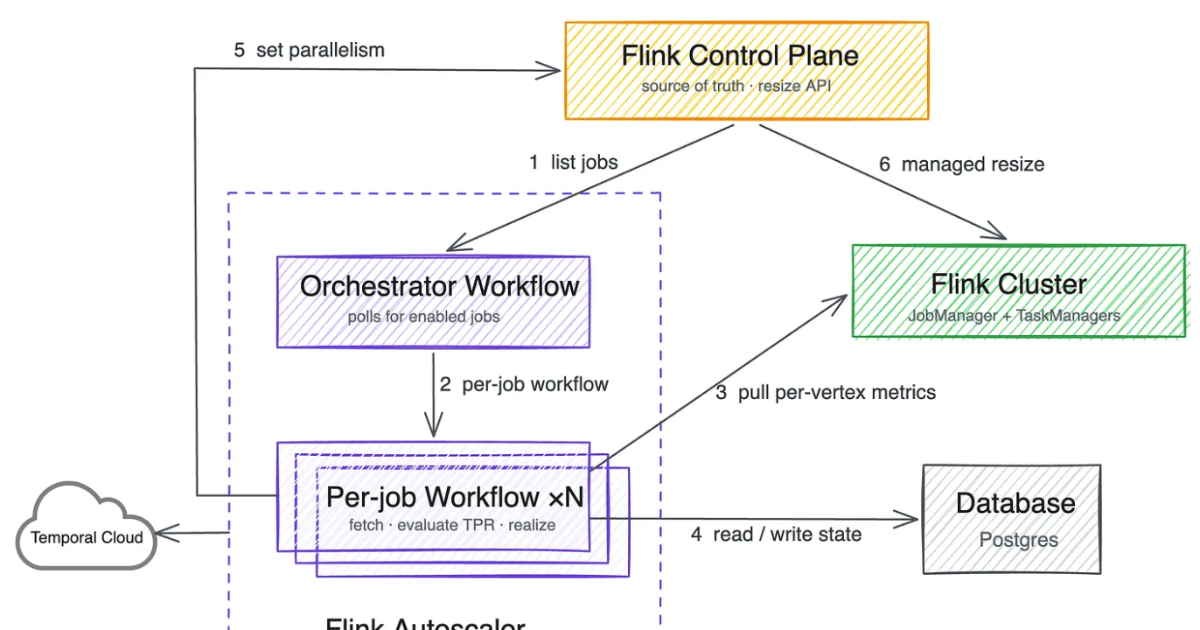
Netflix's Open Source Flink Autoscaler Cuts Streaming Costs by 58 Percent
Netflix is moving toward the open-source Apache Flink Autoscaler for more than 30,000 streaming jobs across multiple AWS regions, and the numbers make a compelling case. The operator-level approach tackles the limitations of its cluster-level autoscaler for complex, stateful pipelines. One team saw a 58% reduction in annualized Flink compute costs, saving roughly $1.1 million. That's not just incremental progress; it's a meaningful shift in how large-scale data operations can run more efficiently.

For administrators seeking continuity, FreeCORE extends TrueNAS on FreeBSD.
TrueNAS CORE built its name on FreeBSD and OpenZFS, but the shift to Debian-based SCALE left a gap. FreeCORE steps in, upgrading TrueNAS CORE to FreeBSD 15.0 and restoring what some admins miss most: FreeBSD Jails. It's a focused solution for a specific need, not a universal fix. The catch is sustainability, one individual maintaining a project this complex raises real questions. For now, it's a compelling option worth exploring. Our piece on AI-driven research productivity shows similar trade-offs when innovation outpaces support.

Explore how an open-source AI agent refines vulnerability detection.
False positives have long made AI-powered code scanning feel like more trouble than it's worth. Google's open-sourced Mantis takes a different path, using agents to automate the entire vulnerability lifecycle, from validation to patching. That focus on weeding out hallucinations is a practical step toward trusting the tools we rely on. It's a welcome move for teams tired of chasing ghosts. For more on how AI agents can misfire, our piece on shared user images offers a cautionary look at the stakes.

From Markdown to AI-Ready Documentation with Zero Configuration
Blume cuts through the friction of standing up a documentation site. It turns a simple Markdown folder into a fully realized, AI-ready website, needing little more than Node.js and a single file to start. Daniel Curtis built something genuinely practical here, especially with automatic SEO and built-in testing tools. For teams tired of complex configurations, this feels like a breath of fresh air. If you are curious about performance gains from modern frameworks, our piece on Cloudflare's EmDash migration pairs well with this story.
Intelligent routing reduces AI costs without sacrificing quality.
Not every AI request needs the full power of your most expensive model. Switchyard, NVIDIA's open-source routing library, offers a smarter approach: route simpler queries to lighter models, saving cost and latency without a major drop in quality. It's a practical shift toward efficiency. For those building distributed systems, our guide on distributed algorithms explores the foundational concepts that make routing like this possible. Explore Switchyard and see how intelligent routing changes the math.

Bridge iOS and Linux workflows with secure, open-source continuity tools.
If you're tired of juggling your iPhone and Linux machine, Zack Bartel's open-source Tether project is worth a look. It brings Apple's Continuity features to Linux desktops, enabling iMessage sending, clipboard syncing, and iOS notification mirroring over a secure local network. The custom Bluetooth stack is a thoughtful touch, prioritizing reliability without compromising security. It's a practical step toward a more connected, cross-platform workflow. For more on bridging digital gaps, our piece on connecting retrieval and action in AI tasks offers a complementary perspective.

Stream S3 data to GPU at 60 Gbps with zero reprocessing needed
Onur Satici's work with Vortex tackles a bottleneck that quietly throttles machine learning teams: the long, slow road from object storage to GPU. Instead of asking users to reprocess or reformat their data upfront, Vortex applies cascading lightweight encodings and layout-based segment pruning. The result is a direct pipeline that moves S3 data to GPUs at up to 60 Gbps, with zero-copy memory handling. It's a practical, open-source approach to a problem that has too long been accepted as inevitable.

Nvidia acquires Hugging Face, bringing 3 million AI models to its ecosystem
Nvidia's $12.9 billion move to acquire Hugging Face signals a clear bet on community-led AI development. With over 3 million models hosted and 18 million developers building on its platform, Hugging Face has become the default hub for open-source innovation. That scale is hard to ignore. For anyone wrestling with distributed training or model deployment, this acquisition could reshape how accessible those systems become. It's a confident step toward making AI infrastructure feel less like a hurdle and more like a foundation.
Explore the architecture that makes OpenCode a smarter choice for AI coding.
OpenCode has outgrown the conversation about model choice. That freedom matters, but it's no longer the headline. What draws us in is the architecture underneath, and the deliberate trade-offs that shape how it works, especially if you're coming from Claude Code. This isn't just another agent. It's a different way to think about building. If you're also exploring how distributed systems power modern AI, our guide to distributed training offers a useful parallel. For now, let's look at what makes OpenCode's design genuinely different.
Explore an open dataset of billions of TikTok videos on Hugging Face.
5.94 billion TikTok videos. 3.23 billion profiles. In three weeks. That's the scale of what one developer just uploaded to Hugging Face, free for anyone to explore. It's a bold move, and a practical one. The data is public, but the method behind it is the real story. If you're curious about the mechanics of such large-scale collection, our guide on distributed algorithms offers useful context. This is a dataset that invites serious tinkering.
OpenClaw 2.0 Arrives with Simpler Setup and Smarter Collaboration
OpenClaw 2.0 strips away the friction that kept too many users from customizing their own AI agent. By rebuilding the installation process and sharpening the browser interface, this update makes a powerful tool genuinely approachable. We also see real progress in how memory and skills work together, which should make automations feel less like chores and more like extensions of your workflow. For anyone tracking where AI is headed, this is a meaningful step toward practical, everyday use.
Explore how an open-source framework transforms resource scheduling.
Dirk Lemmerman has made FlexGanttFX open source, and that's a meaningful move for anyone building scheduling tools. The JavaFX framework, released under the AGPL license, relies on Canvas rendering to keep performance sharp even when Gantt charts grow complex. Task dependencies and direct editing are built in, so project planning feels less rigid. It's a practical resource for industries that need tailored timelines. If you're curious about how similar frameworks handle unexpected data patterns, our piece on the Forrester function offers a useful parallel.
Test your RAG apps against unauthorized document access with an open-source tool
A RAG app that quietly retrieves documents a user shouldn't see is a risk most teams don't catch until it's too late. This open-source checker tackles exactly that gap, supporting both offline test cases and live HTTP API checks with bearer-token or API-key auth. It's a practical, no-frills tool for validating access boundaries before they become a problem. The call for hands-on feedback from engineers testing non-sensitive environments is the right move.
Explore how FreeToken brings powerful AI inference to everyday hardware.
Mixture-of-Experts models hold real promise, but their size has kept them off most local devices. FreeToken, built by researchers at UC Berkeley and MIT, tackles that head-on with a dynamic scheduling policy that trims weight overhead and speeds up decoding. It is an open-source engine designed for consumer hardware, not data-center luxuries. That focus on execution efficiency makes self-hosted reasoning far more practical. For a broader look at how distributed methods underpin such systems, our guide to distributed algorithms is a solid next stop.

Meet Microduck, an open-source robot you can train to do new tricks.
Hugging Face's Microduck isn't just a cute robot; it's a $399 invitation to rethink how we interact with open-source AI. CEO Clem Delangue frames it as a duck you can teach new tricks through reinforcement learning, which feels both playful and genuinely forward-thinking. We like that it lowers the barrier to hands-on experimentation. For anyone curious about where such practical, edge-driven AI fits into broader computer vision work, our piece on real-world deployments offers a useful companion.

Navigating the Future of Data Access with Transparency
X has sent cease-and-desist letters to Nitter, the open source project behind privacy-friendly front ends, demanding its instances and code repository be taken down over alleged scraping. It's a heavy-handed move against a tool that simply offers a different way to access public data. Projects like Nitter often exist because users want control. For a platform pushing innovation, this feels like a step backward. If you're following how open source alternatives are faring, our piece on Cloudflare's blog migration to EmDash offers a useful counterpoint.

Hugging Face weighs community ties against a $13 billion offer
A $13B price tag would make Hugging Face one of the biggest AI acquisitions yet. But the founders' hesitation isn't about the money, it's about the community that helped build the platform. That tension between a massive payout and preserving what makes the company special is worth watching. If you're curious how messy data can get when AI tools shape your workflows, our piece on catching AI slop before it skews your model offers a practical parallel.

Explore how DelveRL opens new paths for training game-playing agents.
Most roguelikes punish agents with messy integration, but DelveRL flips that script. SnyderConsulting built an open-source, turn-based game with a structured API, deterministic simulation, and procedural floors, designed specifically for training game-playing agents. It runs locally, includes a recurrent PPO baseline that hits floor 18 on average, and everything is open source. That's a practical gift to the research community. The strategic depth looks promising, and the transparent benchmarks make it easy to test new ideas.

Explore how Cloudflare OS transforms enterprise workflows with grounded AI and open tools
Cloudflare OS takes a different path by open-sourcing an AI platform built on a capability-based model, letting enterprise teams produce work artifacts grounded in their own knowledge and connectors. It automates repetitive workflows with an eye on token costs, using AI assistance only where needed, and supports building personal, shareable work software within a secure sandbox. That is a practical, human-centered approach to complex use cases. For more on scaling such efforts, our piece on modernizing APIs with architecture as code offers a useful parallel.

Vite+ Beta Unifies the Web Toolchain Into One Simple Command
Vite+ arrives as a unified web toolchain, and that single command approach is exactly what developers have been waiting for. VoidZero's beta combines runtime, package management, and frontend essentials into one streamlined workflow. Hot-reloading, format checking, and testing all live behind that command, which should cut through the usual configuration clutter. It's open source, too, and the team is leaning on community feedback to shape what comes next. For a developer tired of stitching tools together, this feels like a practical step forward.
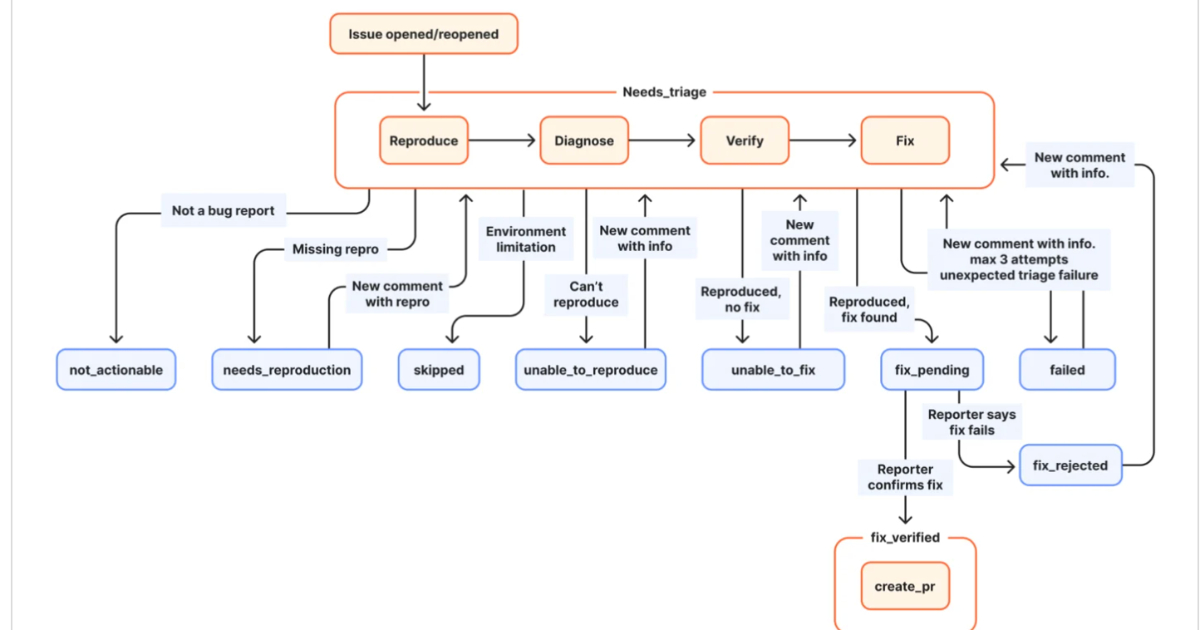
How AI agents triaged 85% of Astro's GitHub issues for Cloudflare
Astro's maintainers were drowning in GitHub issues, so they let AI agents take over triage. The result: an 85% cut in that workload, giving developers time back to focus on the work that matters. This isn't about removing humans; it's about making their role more meaningful. Cloudflare's approach, built on Workers with a human-in-the-loop, shows how agentic workflows can handle the noise. It's a practical win for open source, and it pairs well with our guide on distributed training algorithms.
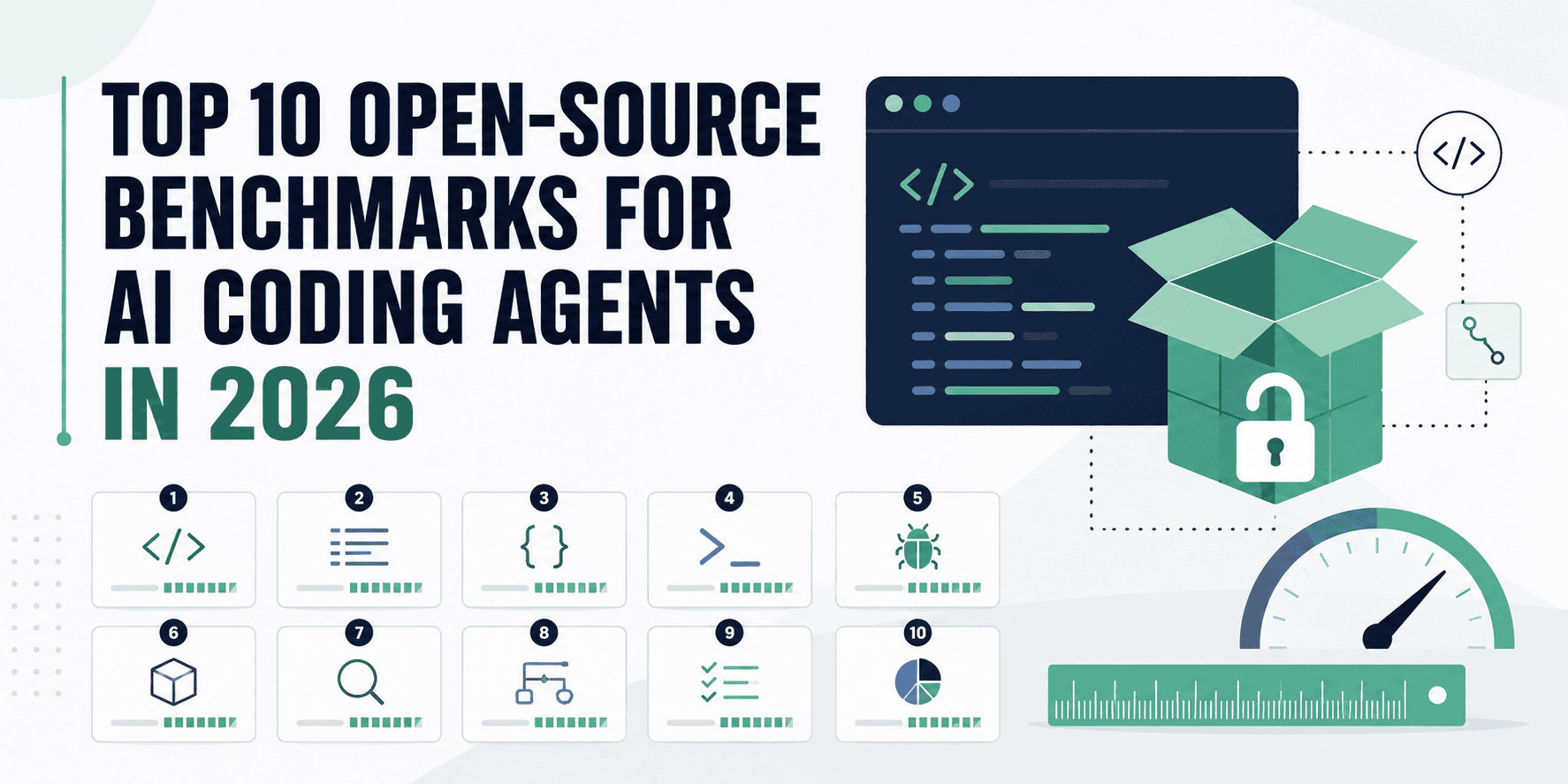
Evaluate AI Coding Agents with These Top Open-Source Benchmarks
Choosing the right benchmark is the first step toward building an AI coding agent you can actually trust. In 2026, the landscape has matured well beyond simple unit tests, with tools like SWE-bench, Terminal-Bench, and SlopCodeBench offering distinct lenses on real-world performance. We break down the top 10 open-source options to help you navigate the noise. If you are questioning how these models handle nuance, our piece on talking to an AI clone offers a timely perspective on the human side of the equation.
Explore how open-source AI agents make modular data workflows more accessible.
DeepSeek just released a developer preview of DeepSeek Harness, an open-source runtime built for autonomous AI agents. Its micro-kernel design with modular plugins points toward a more unbundled approach to agent infrastructure. The append-only event log is a smart addition for tracking execution activity. Whether it gains traction will likely hinge on plugin ecosystem stability and API maintenance. If you're weighing how modular agent tools fit your stack, this is worth exploring.

TrueForge gives developers more control over AI agents without the cost burden
TrueForge enters a crowded field with a straightforward pitch: more control, lower cost. TrueFoundry's open-source harness, released under the MIT License, reports task completion costs 30% to 75% below Anthropic's managed offering, depending on the model used. That's a concrete claim, and it's backed by a sensible design that trims context waste and treats sandboxes as optional tools. For enterprises tired of choosing between vendor lock-in and operational overhead, TrueForge offers a practical middle path.