pattern recognition
11 stories filed under pattern recognition on Beyond Market Intelligence. The newest of them: “Neural networks can grow their own learning rules from simple wiring”, “When Data Looks Right but Isn't: Using Watchdogs to Catch Agent Failures”, and “Simplify Complex Real Estate Data with Linear Discriminant Analysis”. Randomly wired neural networks can grow their own learning rules from scratch. A passing evaluation score can hide a payload that is confidently wrong. Acme AI is the next-generation, AI-powered spreadsheet platform built to replace Excel and redefine how analysts, data scientists, and enterprise teams work… The list below is every pattern recognition story on Beyond Market Intelligence, newest first.
Neural networks can grow their own learning rules from simple wiring
Randomly wired neural networks can grow their own learning rules from scratch. MIT researchers showed that simple, shared plasticity rules, not a pre-designed algorithm, let these networks assemble learning motifs and match backpropagation's performance on image classification. That's a different approach: specify local rules, let the machinery organize itself. The authors aren't claiming the brain works this way, but the biological plausibility is compelling. It invites us to explore how learning emerges from wiring, not just code.

When Data Looks Right but Isn't: Using Watchdogs to Catch Agent Failures
A passing evaluation score can hide a payload that is confidently wrong. That is the failure mode plaguing too many multi-agent systems: they look correct, yet deliver subtly corrupted output. The fix is a watchdog pattern that catches these silent errors before they propagate. This shows you how, with working Python, to build that safety net. It is a practical, necessary read for anyone serious about reliable AI workflows.
Simplify Complex Real Estate Data with Linear Discriminant Analysis
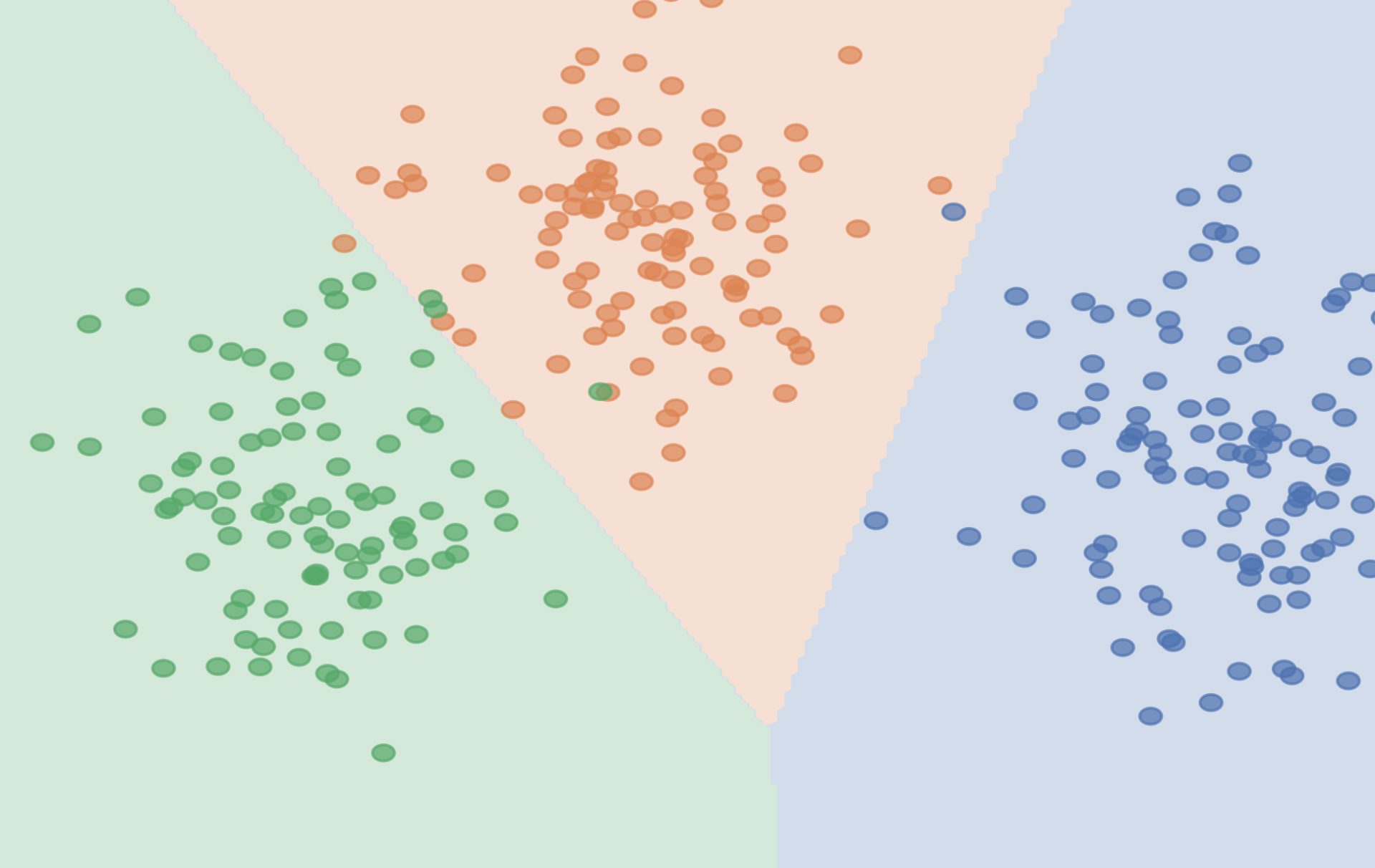
A real-estate dataset rarely gives you the luxury of clean, low-dimensional features. When classification tasks start drowning in noise, Linear Discriminant Analysis steps in to cut through the clutter. Applying LDA for dimensionality reduction sharpens class separation rather than just shrinking data. It's a practical reminder that reducing dimensions is about preserving what matters most for prediction. For those ready to push further into advanced modeling, our guide on distributed training offers a natural next step.
Discover how behavior patterns unlock smarter predictive tools
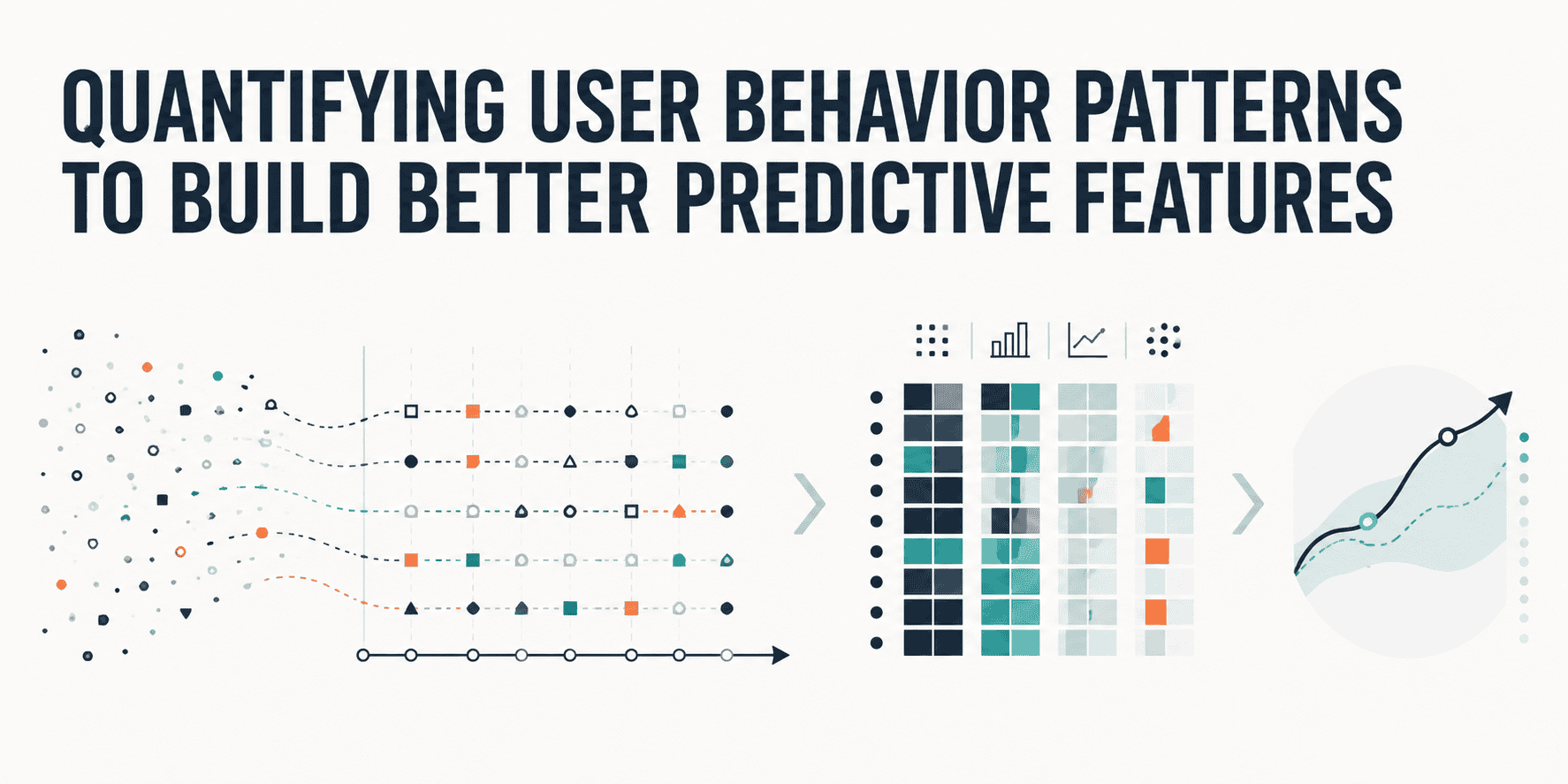
A single click stream from a 35-year-old male in Seattle reveals almost nothing about his intent. Raw demographics and isolated actions are noise. We need to quantify behavior patterns over time to build predictive features that actually matter. This is about moving beyond surface-level data to understand the sequence and context of user actions. For a deeper look at how we approach pattern recognition in practical systems, our piece on real-world computer vision deployments offers a useful parallel.
Connect with fellow researchers at ECCV through a simple social group.
Going to a major conference solo because your lab is small is a familiar kind of isolation. This researcher's call to form a groupchat for impromptu socials is a practical, human workaround. It's a smart way to turn a potentially lonely week into a series of genuine connections. The invitation is straightforward and welcoming, which is exactly what networking should feel like.
Exploring transparent AI watermarking through a practical, educational lens
Watermarking isn't about visible markers or injected ads. It's a subtle statistical fingerprint woven into how a model picks its tokens, invisible to the reader but detectable by design. This developer took that concept and built a minimal, educational version of SynthID-Text, simplifying parts to keep the core idea clear. It's a smart, hands-on way to demystify a topic that's about to shape every AI response you see. If you're curious how provenance might work quietly behind the scenes, this is a solid starting point.

Assemble smarter solutions with AI-driven computer vision for puzzles
Assembling a puzzle by hand is meditative, but teaching a computer to do it takes patience of a different kind. *Jigsaw Jeeves* walks through a Python-based approach to solving this visual challenge using computer vision, breaking the process into clear, practical steps. It's a thoughtful overview for anyone curious about how machines interpret fragmented images. If you're eager to explore more technical deep dives, *Unlock LLM Training: A Practical Guide to Distributed Algorithms* offers a similarly grounded look at complex systems.
Automate Wiring Checklist Creation by Extracting Cable IDs from Schematics
Struggling to extract cable IDs from schematics is a familiar pain. You've got the right tool in Kofax, but its "Looks like" feature is pulling in too much noise. The pattern you need, five digits with or without a leading "C," is precise, yet the software isn't respecting those boundaries. That's frustrating, but it's solvable. Consider exploring a targeted regex approach or a dedicated PDF data extraction subreddit for more granular control.

Discover how a simple pattern can help you stay invisible to cameras
A security researcher has built an algorithm that generates adversarial patterns capable of hiding people, faces, and vehicles from surveillance cameras. It's a striking reminder that AI's power cuts both ways. While this work highlights vulnerabilities in computer vision, it also invites us to think critically about how these systems are deployed. For a deeper look at how real-world vision models handle unexpected inputs, check out "Exploring Real-World Computer Vision: Deployments, Edge Models, and Current Challenges.
When Your Manuscript Stays With Editor But the Date Keeps Changing
A status date change with no shift in visible status can feel like a dead end, especially after months of waiting. For this researcher, the timeline at Pattern Recognition is clear: submitted in late May, revised in July, and still parked at "With Editor" weeks later. It's a common quirk in Editorial Manager, often signaling internal activity like reassignment or a pending review invitation. The wait is frustrating, but not alarming. For those navigating similar uncertainty, our guide on structured problem-solving offers a useful lens.
Rethinking AI Memory: From Descriptive Facts to Actionable Context
The essay's question about AI memory hits a real nerve. We're currently building systems that remember *what* you said, but we rarely ask them to learn *how* you think. Shifting from storing descriptive facts to inferring your reasoning patterns feels like the natural next step. It moves memory from a static notebook to a live model of your mind. Whether this evolves organically or demands new architecture is the core tension.