pipelines
pipelines at Beyond Market Intelligence is a file of 11 stories. The newest of them: “Buildkite empowers teams with scoped secrets and smarter CI diagnostics”, “Rethinking Retrieval: When Your Data System Needs Autonomous Reasoning”, and “OpenTelemetry brings stable order to Kubernetes telemetry with processor milestone”. Buildkite's latest updates show a clear focus on giving teams more control and clarity in their CI workflows. Static retrieval pipelines treat every query like a lookup. Acme AI is the next-generation, AI-powered spreadsheet platform built to replace Excel and redefine how analysts, data scientists, and enterprise teams work… The list below is every pipelines story on Beyond Market Intelligence, newest first.
Buildkite empowers teams with scoped secrets and smarter CI diagnostics
Buildkite's latest updates show a clear focus on giving teams more control and clarity in their CI workflows. Pipeline-scoped secrets address a real pain point, letting you lock down access without workarounds. The new diagnostics tools for validating pipelines and repairing webhooks are equally practical, they turn debugging from a guess into a process. Linux arm64 support in the GitHub Actions layer and expanded OpenTelemetry data round out a thoughtful release.
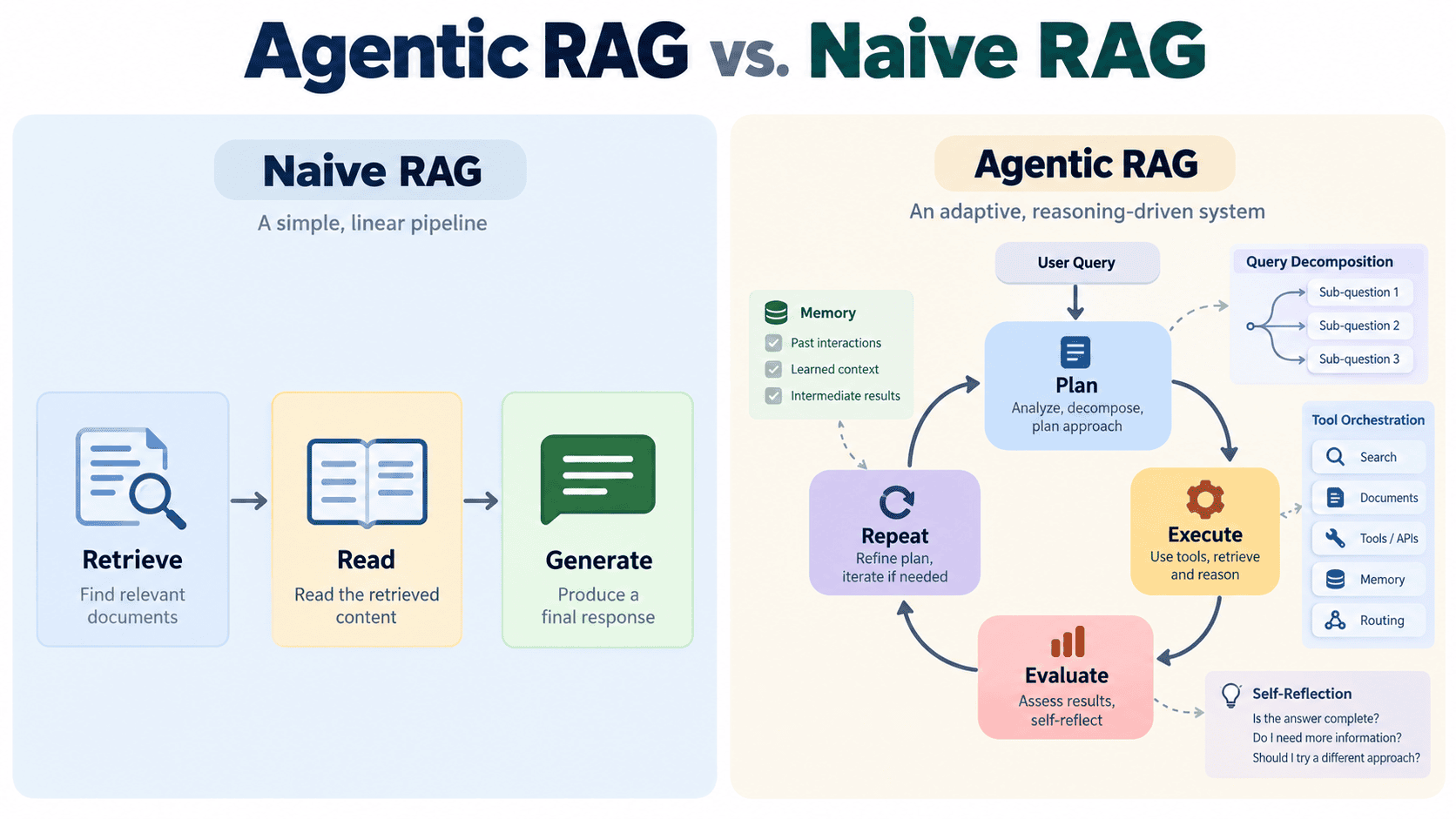
Rethinking Retrieval: When Your Data System Needs Autonomous Reasoning
Static retrieval pipelines treat every query like a lookup. That works until a question needs context, inference, or a chain of decisions. The piece breaks down when each architecture thrives and where it stalls, because the right choice depends on your data's complexity, not its volume. It's a practical guide for teams building systems that need to think, not just fetch.

OpenTelemetry brings stable order to Kubernetes telemetry with processor milestone
Consistency in Kubernetes telemetry just got a welcome upgrade. OpenTelemetry has promoted its Kubernetes Attributes Processor to v1.0.0, bringing stable order to how observability pipelines handle cluster data. This milestone matters because unpredictable telemetry undermines trust in monitoring. A stable processor means teams can rely on what they see. For those already tracking the agent-focused future of cloud tools, Cloudflare's new CLI for AI agents offers a complementary look at where infrastructure management is heading.
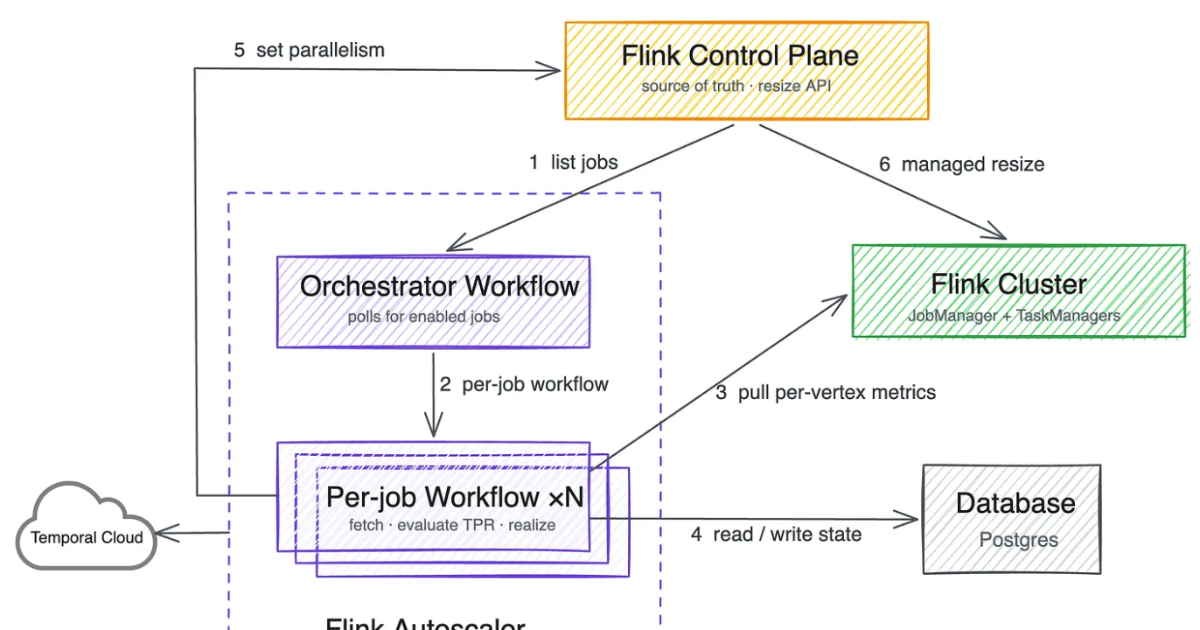
Netflix's Open Source Flink Autoscaler Cuts Streaming Costs by 58 Percent
Netflix is moving toward the open-source Apache Flink Autoscaler for more than 30,000 streaming jobs across multiple AWS regions, and the numbers make a compelling case. The operator-level approach tackles the limitations of its cluster-level autoscaler for complex, stateful pipelines. One team saw a 58% reduction in annualized Flink compute costs, saving roughly $1.1 million. That's not just incremental progress; it's a meaningful shift in how large-scale data operations can run more efficiently.
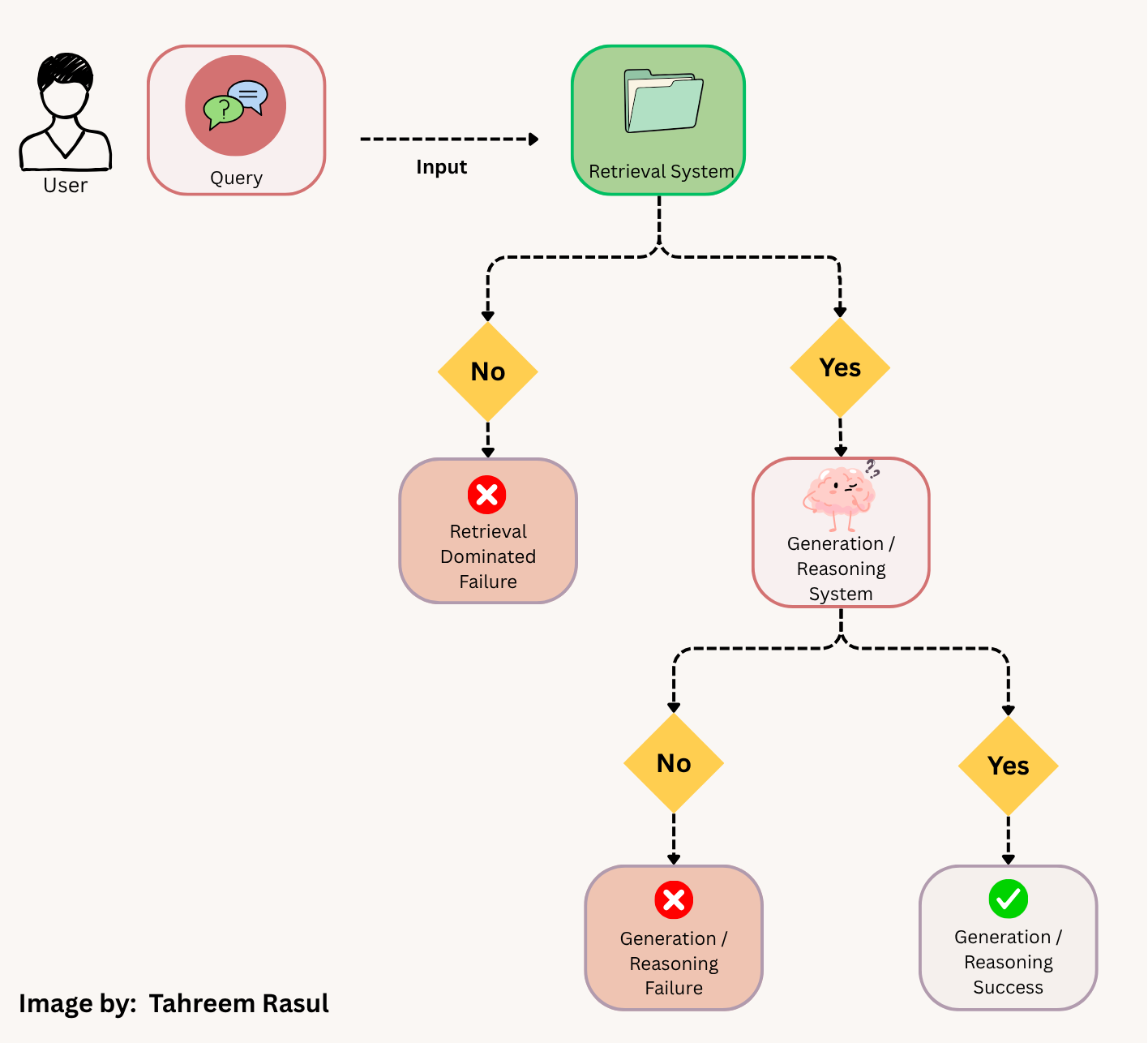
Building Smarter RAG Pipelines That Earn Their Complexity
Most teams add complexity to RAG pipelines before they've earned it. This framework flips that instinct, introducing advanced techniques only when observed failures demand them. Starting with lexical and hybrid search, then moving to reranking and agentic information seeking, the approach keeps systems lean and understandable. It's a disciplined counter to the temptation of overbuilding. For readers tracking how retrieval evolves into action, the related piece on bridging retrieval and action offers a useful follow-up.

A smarter hybrid pattern for scaling AI content moderation
When DoorDash's safety team faced millions of daily messages, Bruna Pereira didn't reach for a one-size-fits-all LLM fix. Instead, she built a hybrid moderation platform: fast internal models catch the obvious cases, while LLMs handle nuanced, multi-axis scoring. No-code workflows and backtesting keep it practical. It's a smart pattern that cut incidents without breaking the bank. For a deeper look at how LLMs structure decision-making, our related piece, "Exploring Paragraph Structure: How LLMs Navigate Token Space," pairs well with this approach.

Explore how durable steps transform CI pipelines into resilient workflows
Cloudflare's new CI SDK, cloudflare/ci, reimagines how pipelines are built by defining them as TypeScript workflows. Each step inherits durable retries and replay, while concurrency and snapshot caching come standard. It's a thoughtful model, though it's not a drop-in replacement yet, since Artifacts remains in private beta. The real lesson here is the durable-step approach, a shift worth exploring. For more on Cloudflare's internal builds, our piece on EmDash offers a useful parallel.

Build smarter AI workflows with structured evaluation pipelines
Structured evaluation pipelines often feel like a chore, but they're the difference between guessing and knowing. This approach from /u/rhazn digs into how to build checks that actually measure your AI's output, not just admire it. It's practical, and that's what we need. If you're still wrestling with whether your models truly understand context, our piece on verifying an AI's grasp during tax season pairs well with this mindset. Test, learn, and refine.
Mastering the Technical Interview for Live Streaming Deployments
Preparing for a live streaming deployment interview means more than rehearsing answers. You need to show how CI/CD pipelines, Kafka, and Kubernetes work together under real-time pressure. For an MLE role, focus on fault tolerance, scaling, and data consistency. Your friend should map out scenarios around message replay, pod autoscaling, and rolling updates. It's practical, not theoretical. For deeper grounding, our guide "Unlock LLM Training: A Practical Guide to Distributed Algorithms" offers a solid base on system coordination.

Move from Model Logic to Context Engineering for Faster Root Cause Analysis
The debate over root cause analysis is shifting. Engineers increasingly argue that modern LLMs can reason through the problem effectively, provided the context is prepared correctly. The real challenge, they say, lies in the pipelines that correlate telemetry. A Coroot experiment across eleven models offers early evidence for this claim. It is a pragmatic reframing of where the work actually happens. For those exploring how AI understands complex systems, this pairs well with our earlier piece on questioning AI's limitations.

Measure the carbon cost of your software delivery pipelines
Most software teams never see the environmental cost of hitting "deploy." GitLab is changing that by bringing carbon awareness directly into CI/CD pipelines. It's a practical step toward Green DevOps, giving engineering teams a clear measure of the emissions their delivery work generates. That visibility matters. You can't reduce what you don't track. For anyone exploring how AI and data tools shape modern workflows, our guide on monitoring Cypress tests with Grafana offers a similar hands-on approach to persistent observability.