platforms
13 stories filed under platforms on Beyond Market Intelligence. The newest of them: “Social platform blocks documentary on Elon Musk from advertising”, “New AI tools trace hidden ad pathways to block harmful content”, and “Paramount and Warner Bros merge streaming and networks into a unified media giant”. A social platform has blocked a documentary about Elon Musk from advertising, marking another hurdle for the four-hour film. Meta's new AI tools trace the hidden pathways that make seemingly normal ads redirect users to harmful content elsewhere online. Acme AI is the next-generation, AI-powered spreadsheet platform built to replace Excel and redefine how analysts, data scientists, and enterprise teams work… The list below is every platforms story on Beyond Market Intelligence, newest first.

Social platform blocks documentary on Elon Musk from advertising
A social platform has blocked a documentary about Elon Musk from advertising, marking another hurdle for the four-hour film. It's a curious move that raises questions about how tech giants handle content about their own. We explore alternative paths to monetization in a related piece, and the contrast feels timely. Control over visibility is a powerful thing, and this decision deserves scrutiny.

New AI tools trace hidden ad pathways to block harmful content
Meta's new AI tools trace the hidden pathways that make seemingly normal ads redirect users to harmful content elsewhere online. It's a quiet but meaningful step toward accountability, catching deception where it lives, between the click and the destination. The approach feels less like a patch and more like a foundation for safer discovery. For a deeper look at how AI probes defensive systems, explore how AI models stress-test Cloudflare's firewall to expose its weaknesses.

Paramount and Warner Bros merge streaming and networks into a unified media giant
Paramount and Warner Bros are merging Paramount+ and HBO Max with networks like CBS, CNN, and Comedy Central into a unified media giant. This consolidation reflects a broader push toward resilience in digital platforms, a theme Matthew Liste explores in his piece on building scalable systems. For teams navigating this shift, understanding platform fundamentals matters as much as the deal's headlines. Discover how these changes reshape streaming, and explore our related coverage to go deeper.

Twenty Years of Platform Lessons: Building for Resilience Without the Complexity
Twelve principles. That's what Matthew Liste distills twenty years of platform engineering into, a practical framework for building scalable, reliable infrastructure without drowning in complexity. His focus on avoiding technical debt, managing deprecation, and nurturing engineering culture speaks directly to the tension senior architects feel daily. This isn't about abstract theory; it's about streamlining developer workflows and delivering lasting value. For those wrestling with legacy systems, his approach feels like a clear path forward.

TikTok Partners on Cross-Platform Effort to Protect Young Users
Eight months after launching its U.S.-based joint venture, TikTok is now bringing other platforms into the fold for industrywide child safety work. That is a smart move. Protecting young users should not be a solo effort, and collaboration across the sector is how real progress gets made. We see this as a practical step forward, one that acknowledges the shared responsibility here. For more on how AI is reshaping user experiences elsewhere, check out "Meta's AI Agent Redefines Mobile Adoption Benchmark.

Trust in the digital age requires more than spotting AI-generated content
AI detection is becoming a whole new kind of hard, and Max Spero from Pangram is digging into why it's so much trickier than a simple "Real or Fake" call. We're not just talking about social media noise; this is showing up in job applications and insurance claims. That's a real trust problem. The challenge is that these tools are getting more sophisticated, and our ability to spot them isn't keeping pace.

Meta's $18 billion settlement acknowledges platform design harms to children.
An $18 billion settlement sends a clear message: Meta knew the risks its platforms posed to children and designed them to keep young users hooked anyway. That's not an accident; it's a choice, and now 29 states are holding the company accountable for it. This isn't just about fines. It's about acknowledging that addictive design has real human cost. For anyone watching how tech giants operate, this is a moment worth understanding.
Discover the five software types you can build with AI-native spreadsheets.
If you've ever stared at a blank spreadsheet and felt the limits of what it can do, you're not alone. I mapped out the five kinds of software you can actually build, and the range is wider than most of us assume. This isn't about forcing a tool to fit; it's about seeing the possibilities clearly. For a deeper look at how AI reshapes our assumptions, our piece on talking to an AI clone offers a fitting companion.
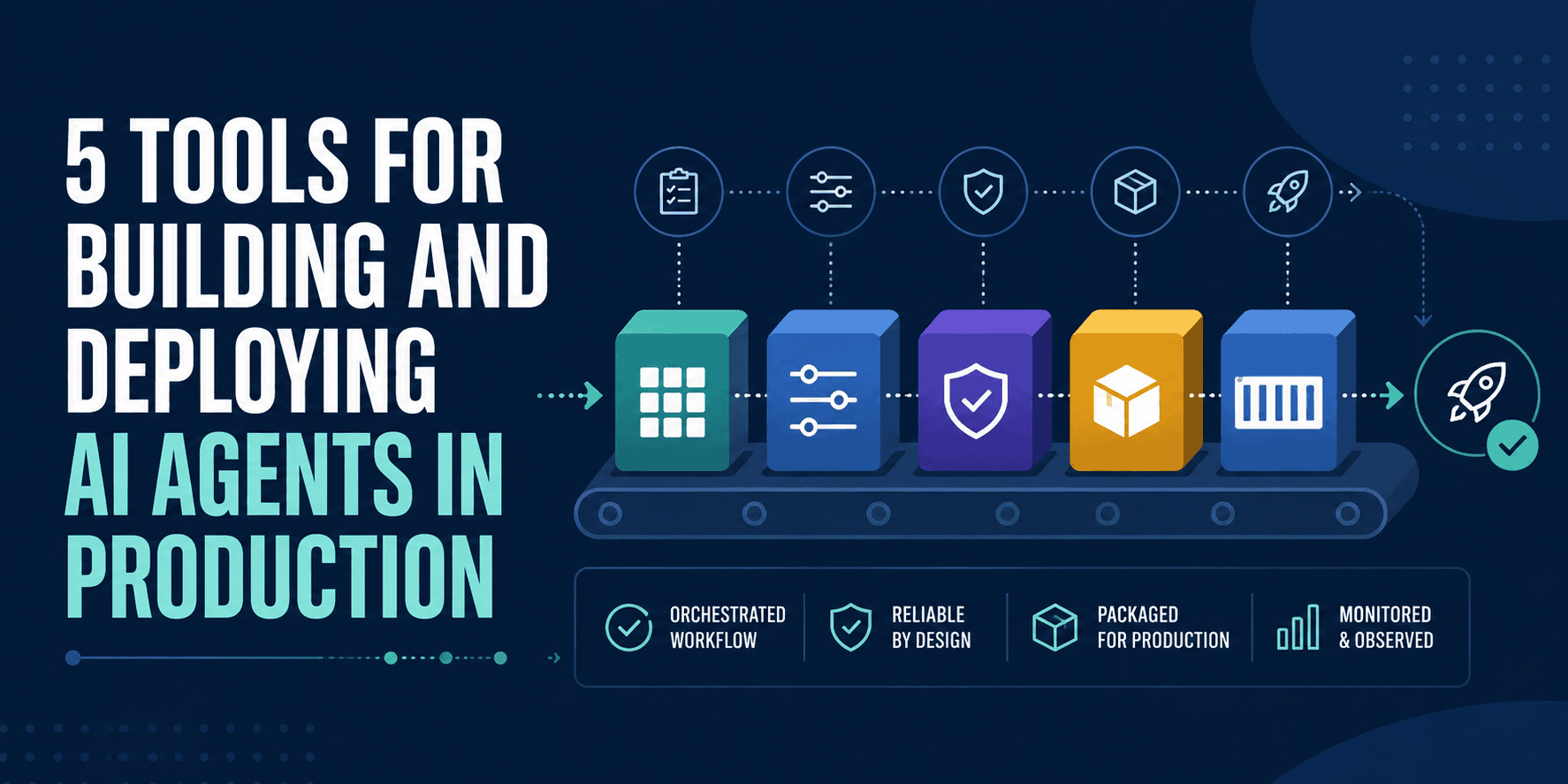
From Agent Logic to Scale: Five Essential Tools for Production AI
Building an AI agent is one thing; running it reliably in production is another. This guide breaks down five tools, each tackling a specific layer of the stack, from shaping the agent's core logic to scaling it under real-world pressure. It's a practical, no-nonsense walkthrough for teams ready to move beyond experimentation. If you're still questioning how much trust to place in these systems, our piece on talking to an AI clone offers a timely counterpoint worth exploring.

.NET 11 Preview 7 brings passkeys and smarter Hot Reload to MAUI
.NET 11 Preview 7 brings a meaningful step forward for .NET MAUI, with cross-platform passkey support and a rebuilt incremental XAML Hot Reload that should make daily development feel noticeably smoother. Shell route templates and AOT-safe bindings round out a release focused on practical workflow gains. The continued shift from renderers to handlers signals steady architectural maturity. For developers tired of context-switching between platforms, this preview offers tangible reasons to explore what MAUI can do now.
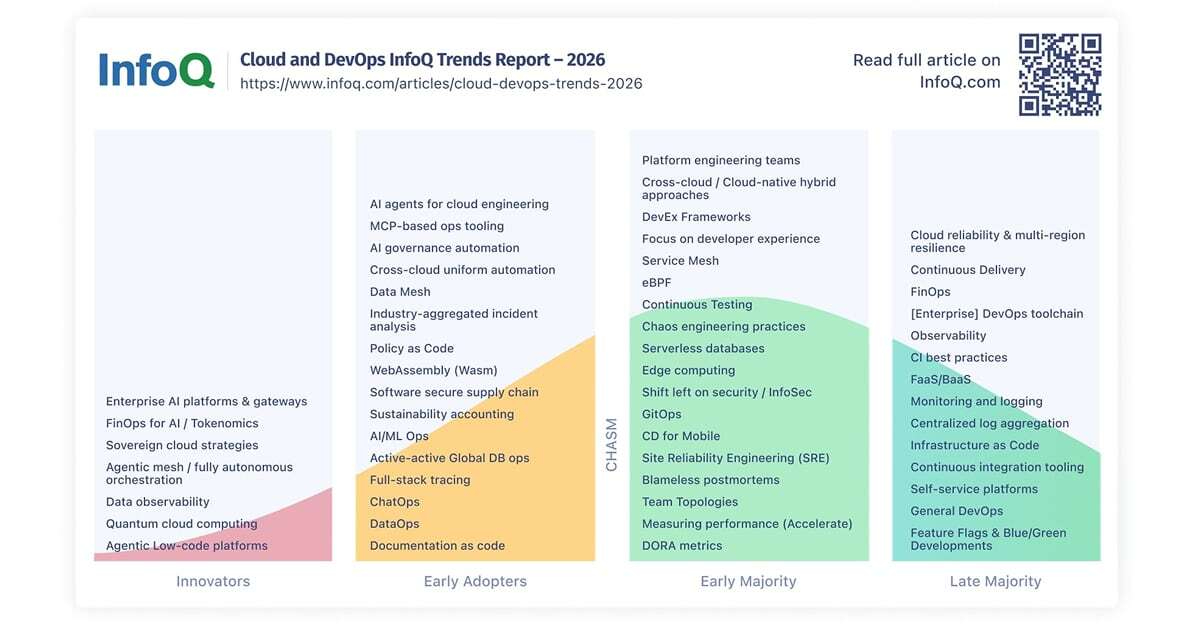
Explore the 2026 cloud and DevOps trends shaping your data future
The cloud and DevOps landscape is shifting under our feet, and the InfoQ editorial team is here to map it out. In this podcast, Daniel Bryant, Matt Saunders, Shweta Vohra, Steef-Jan Wiggers, and Mark Silvester sit down to dissect the annual Trends Report for 2026. They get raw and honest about AI, resilience, platforms, FinOps, and sovereignty. If you're feeling constrained by traditional infrastructure thinking, this conversation empowers you to explore what is actually next.

AI empowers creators to build more apps with less friction
Mark Zuckerberg says AI is making it dramatically easier to build and launch consumer apps, and Meta is betting on that momentum with more products on the way. The recent wave spans Facebook Groups, Marketplace sellers, Instagram, and gaming, so this isn't a distant ambition; it's happening now. That kind of speed is worth paying attention to, especially when it reshapes how everyday tools work.
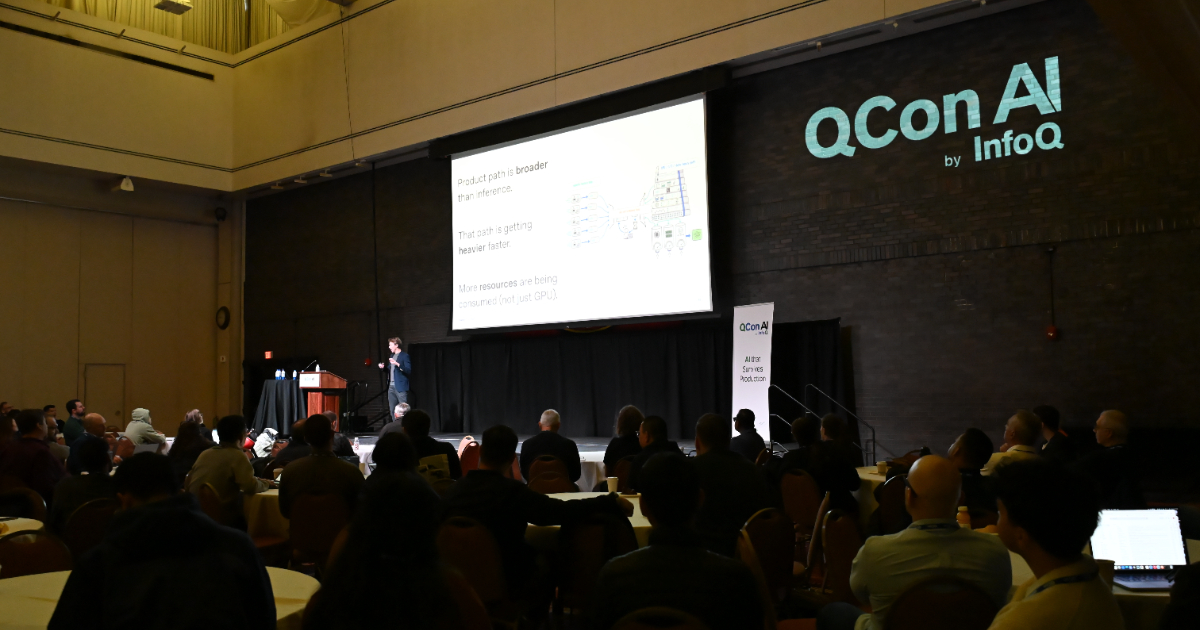
From Prompts to Platforms: Building the Infrastructure for Production AI
The operational reality of AI agents is finally taking center stage, and QCon AI Boston 2026 is where that conversation sharpens. The focus has shifted from what prompts can do to how we build dependable systems around them. We're talking about serious infrastructure: managing context effectively and wrapping agents in a security harness that keeps them safe in production. This is the unglamorous, essential work of making AI actually usable.