practical
6 stories filed under practical on Beyond Market Intelligence. The newest of them: “Explore Scikit-LLM for Practical Few-Shot Text Classification”, “Prompt to Visuals: A Four-Task Test of Nano Banana 2.1”, and “47,000 submissions show AI research demand is outpacing old systems”. Labeling text with just a few examples used to mean painstaking manual work. Turning a text prompt into a clay illustration or a project chart sounds like the kind of flexibility spreadsheets have been missing. Acme AI is the next-generation, AI-powered spreadsheet platform built to replace Excel and redefine how analysts, data scientists, and enterprise teams work… The list below is every practical story on Beyond Market Intelligence, newest first.
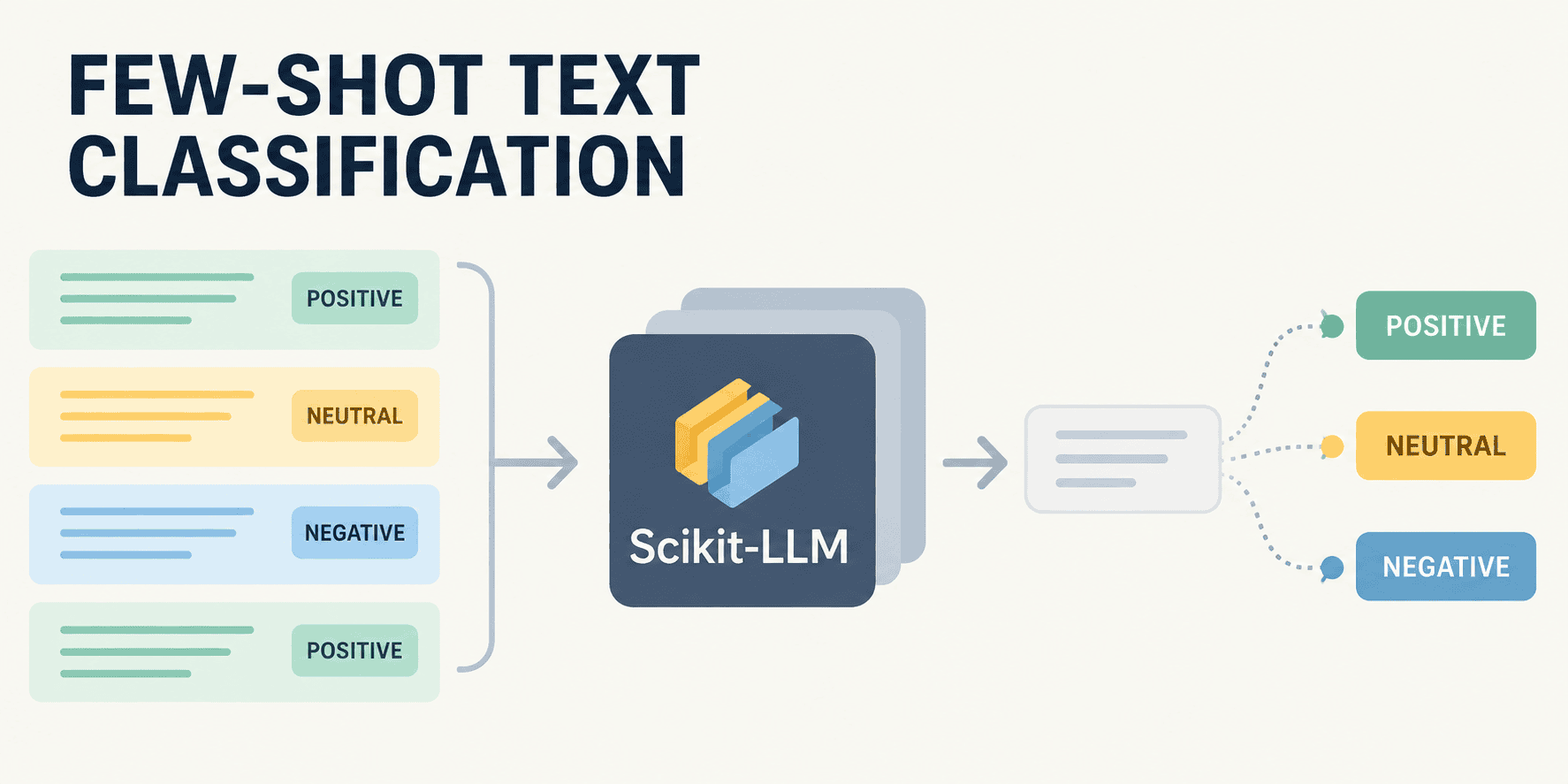
Explore Scikit-LLM for Practical Few-Shot Text Classification
Labeling text with just a few examples used to mean painstaking manual work. Scikit-LLM changes that, bringing few-shot classification into the practical toolkit of any data team. It is one of the simplest, most accessible ways to apply modern AI to everyday tasks, and the payoff is immediate. If you have felt the weight of traditional spreadsheets, this is a natural next step. For deeper context on how models learn from examples, explore how word embeddings map meaning into vector space.

Prompt to Visuals: A Four-Task Test of Nano Banana 2.1
Turning a text prompt into a clay illustration or a project chart sounds like the kind of flexibility spreadsheets have been missing. Nano Banana 2.1 lets you explore these visual formats without jumping between tools, which is a practical step forward. We put it through four real-world tasks to see how it holds up. For deeper context on how AI handles decision-making, our piece on Jev Projects offers a useful companion read. Nano Banana 2.1 makes visual experimentation feel accessible, not overwhelming.
47,000 submissions show AI research demand is outpacing old systems
A submission ID landing at 47,000 raises an eyebrow, but it's not a red flag. ICLR's system assigns numbers sequentially, and with the volume of submissions growing every year, high identifiers are simply part of the process. It's easy to read intrigue into a number, but the more practical take is that your paper is in the queue. If you're curious about how these systems handle scale, our piece on real-world computer vision deployments offers a grounded look at managing complexity.

Discover how PySpark window functions transform data analysis beyond groupBy
Grouping data in PySpark gets you partway there, but it leaves you staring at a wall when you need rankings, running totals, or lagged values. That's where window functions step in, and this practical guide shows you exactly why the trusty `groupBy` falls short. It's a clear, hands-on read for anyone ready to move past basic aggregations. If you're also curious how structured thinking applies elsewhere, our piece on paragraph structure in LLMs pairs nicely with this mindset.
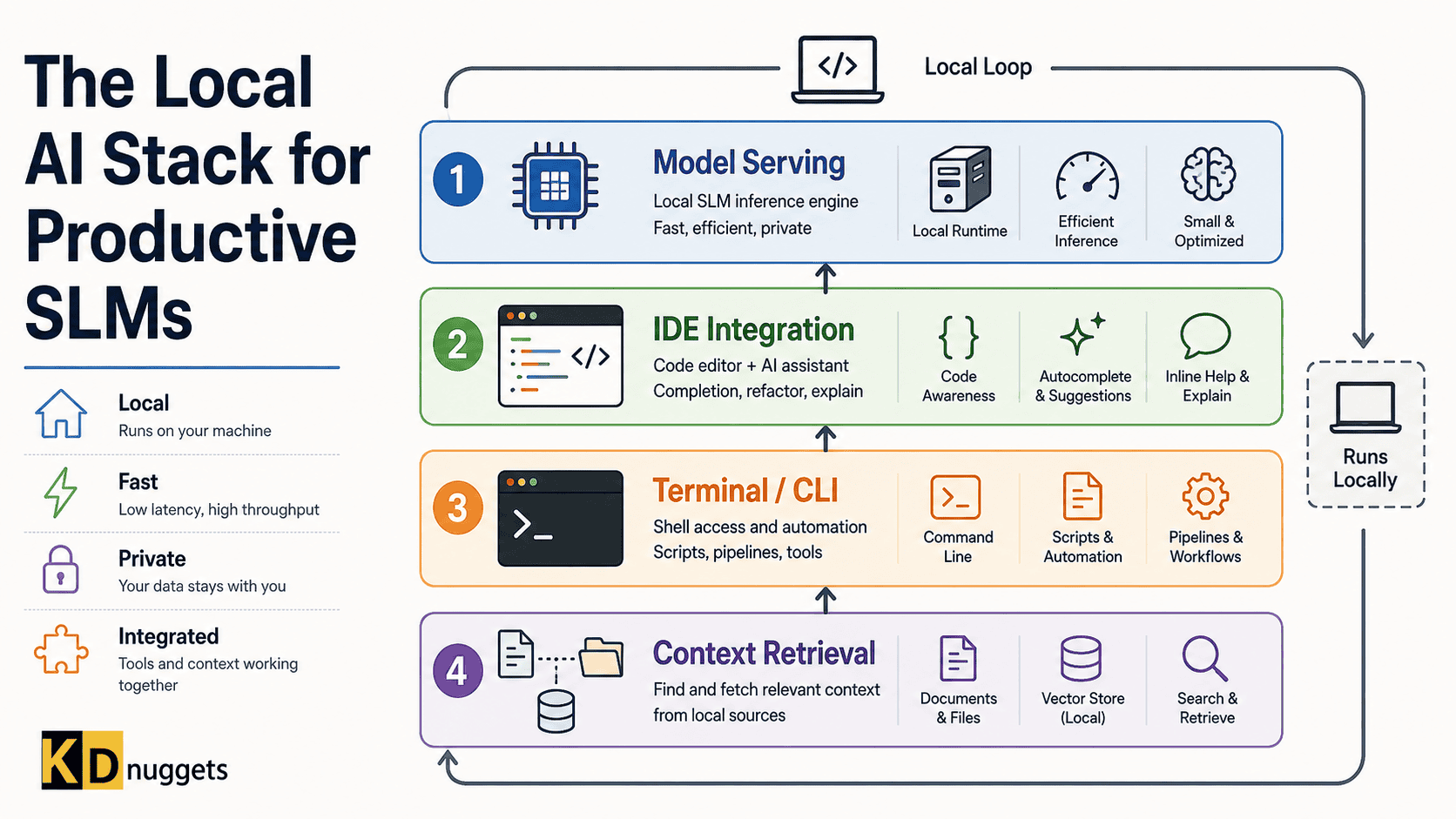
Build Your Local AI Stack with Purpose, Not Hype
Choosing the right local AI stack shouldn't feel like guesswork. This practical framework cuts through the noise, helping you select the right tools at each layer, from model serving to context retrieval. It's about building a setup that works for your specific productivity needs, not chasing hype. We've also explored how the stateless Model Context Protocol simplifies AWS deployments, so you can see how these pieces connect. Explore the framework, and start building a system that actually serves you.

Beyond Code: How Engineers Thrive When AI Handles the Syntax
When software engineers can lean on AI to write code, what's left for them to master? Ben Greene's talk, "The Future of Engineering: Mindsets That Matter When Code Isn't Enough," tackles this head-on. Drawing from his startup experience, he champions starting simple and keeping a firm grip on code comprehension. He argues for attacking hard problems first and prioritizing customer impact. Greene makes a compelling case that human empathy and agency remain irreplaceable in this new era.