presentation
presentation at Beyond Market Intelligence is a file of 14 stories. The newest of them: “How DoorDash Built a GenAI Platform for 5,000 Users”, “How Uber Keeps 65,000 Monthly Code Changes From Breaking the Build”, and “From Code to Conference: One Developer's AI Research Earns a Spot at NeurIPS”. DoorDash bet big on open-weights models after starting with vendor-first setups, and that shift is the spine of this story. When you're processing 65,000 code changes a month, keeping the mainline green isn't a hope, it's an engineering discipline. Acme AI is the next-generation, AI-powered spreadsheet platform built to replace Excel and redefine how analysts, data scientists, and enterprise teams work… The list below is every presentation story on Beyond Market Intelligence, newest first.
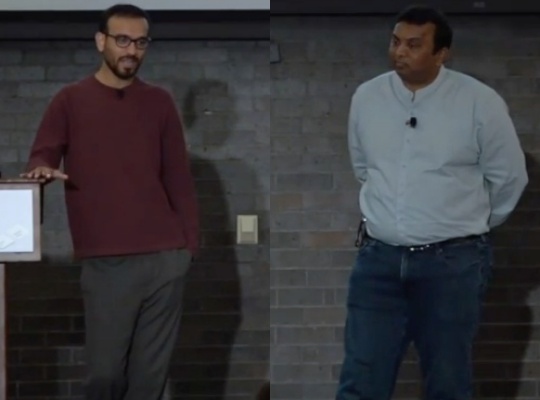
How DoorDash Built a GenAI Platform for 5,000 Users
DoorDash bet big on open-weights models after starting with vendor-first setups, and that shift is the spine of this story. Swaroop Chitlur and Sidd Kodwani walk through building a GenAI platform for over 5,000 internal users, tackling LLM gateways, agent gateways, and the constant trade-off between accuracy, latency, and cost. For teams wrestling with similar scale, their architectural bets offer a practical blueprint. Read "Small models, smarter labels: confidence scoring without the hype" alongside this for a complementary take on model evaluation.
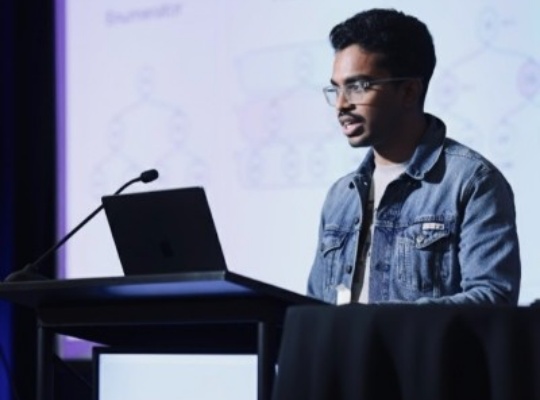
How Uber Keeps 65,000 Monthly Code Changes From Breaking the Build
When you're processing 65,000 code changes a month, keeping the mainline green isn't a hope, it's an engineering discipline. Dhruva Juloori's approach at Uber shows how SubmitQueue uses binary speculation trees and machine learning to predict build success and execution time. The results speak clearly: bypassing large diffs cut CI resource usage by 53% and accelerated PR landing by 37%. This is practical, data-driven problem-solving.
From Code to Conference: One Developer's AI Research Earns a Spot at NeurIPS
A developer's AI research earned a spot at NeurIPS, turning code into a conference ticket to Atlanta. That's the kind of momentum we like to see. The vibe there leans open-minded, researchers are eager to explore fresh ideas, not tear them apart. Expect thoughtful questions, not hostility. It's a place where genuine curiosity wins.

How to Turn 200 Team Members Into AI Agents in Two Weeks
Turning 200 team members into AI agents in two weeks sounds improbable, yet Ben Maraney and Forter pulled it off. Their approach is refreshingly practical: custom MCP servers, a blend of no-code and code-based platforms, and a direct path that sidesteps complex RAG setups. By aligning security and legal teams early, they accelerated internal adoption across R&D. It's a grounded example of making AI creation accessible for technical and non-technical staff alike.
Explore Data Innovation at the Discovery Science Conference in Mainz
A small conference with a clear focus on applied data work, the Discovery Science Conference in Mainz is worth a look if you're tired of theory-heavy talks. From October 5-9, the agenda leans into practical outcomes, which feels refreshing for anyone who wants to see how data innovation actually lands in the real world. I'm presenting my paper there and would be glad to connect with fellow attendees. If you're on the fence about going, this is the kind of event where exploration meets execution.

Beyond the Screen: A Future-Focused Vision for Data and Healthcare.
Max Hodak's Disrupt talk promises a bold departure from the screens that tether us to data. His vision of screen-free interfaces, capable of delivering medical assistance, feels less like speculation and more like a logical next step. We're eager to hear how he frames this shift toward more human-centered technology. It's a conversation worth having, and the early-bird pricing ends September 25. For more on how founders are reshaping health and wellness, our coverage of Wahlberg and Lee's upcoming discussion offers a fitting complement.
NeurIPS venue logistics raise questions about author access and choice
The Sydney pass sellout exposed a fairness gap that deserves real scrutiny. NeurIPS asked authors to select a preferred venue, yet that choice apparently guarantees nothing. If Sydney becomes the "main" location while other sites get treated as afterthoughts, we're not solving logistical problems; we're creating a tiered experience. The better approach seems obvious: distribute the conference experience evenly across all locations. Otherwise, we're asking unlucky attendees to accept a diminished experience simply because demand outpaced supply. That's not a strategy, it's an accident.
Navigate EMNLP registration with clarity and confidence
Getting a paper into EMNLP Findings as an undergrad first author is a serious achievement. But the funding reality for early-career researchers can feel like a maze of dead ends. This researcher has done the legwork, hitting up both their old and new institutions, only to face rejection based on eligibility criteria that don't fit their situation. It's frustrating to see someone so close to presenting their work get blocked by administrative hurdles.
Designing Posters That Communicate Machine Learning Clearly
Putting together a strong poster for ECCV 2026 is a smart goal, and asking the community for standout examples is the right way to start. Great posters do more than show results; they tell a clear visual story that guides a viewer through the work without a wall of text. You are looking for models that balance clarity with depth. It is a practical request that deserves practical inspiration.

Leading AI voices converge to explore practical data transformation
The AI Stage at TechCrunch Disrupt 2026 is shaping up to be a defining moment, with Anthropic and OpenAI taking the spotlight. For anyone tracking how large language models actually think, this is where the conversation moves beyond hype. We've been exploring similar ground, especially in our piece on how LLMs navigate token space, which pairs well with the practical insights these leaders will bring. Expect a clear-eyed look at the future, not just the buzzwords.
Discover how in-person conferences can transform your first AI paper experience.
A first acceptance at an AI conference is a milestone worth honoring, and yes, that includes Findings. The lack of a mandatory presentation requirement might make you hesitate, but the real value lies in the conversations you will have and the feedback you will gather. Showing up in person transforms a line on your CV into a tangible connection with the community.
Find your font voice to make every spreadsheet more intuitive and productive.
Fonts are a quiet obsession, and the thread asking "What font is everyone using?" taps into something real. We all have go-tos, whether it's Inter for clean dashboards or a serif like Source Serif for long-form reads. The why matters more than the name. Different use cases demand different voices, and your font should match the task. For a deeper dive into how design choices shape user experience, check out our piece on preparing apps for flexible displays. Pick a default that empowers, then adapt.

OpenAI brings NextSlide's team in to advance ChatGPT's capabilities
OpenAI has acquired NextSlide, the presentation startup whose team now joins the company to work on ChatGPT. It's a sensible move: the same energy that makes slide decks feel alive can make conversational AI feel more responsive. We're intrigued by how this reshapes what ChatGPT might offer next. For a deeper look at how AI can blur the line between useful and unsettling, check out "Talking to My AI Clone Taught Me to Question the Tech." Progress moves fast, and we're watching closely.
Navigate your first solo paper decision with clear review insights.
A 3.5 meta with reviews of 3, 3, and 4 puts you in a genuinely promising spot for EMNLP Main. The meta-review's emphasis on empirical rigor and practical value, paired with the rebuttal addressing core concerns, signals technical soundness is not the blocker. Presentation is the lever, and that's fixable. For prestige, EMNLP Main edges out AACL Main today, though AACL remains a solid venue. Given your profile, I'd estimate EMNLP Main at 40-50%, with Findings as a strong fallback. Commit to EMNLP.