prompt
prompt at Beyond Market Intelligence is a file of 12 stories. The newest of them: “Navigate founder decisions with insights from those who built before you”, “Code Smarter by Clarifying Intent with AI Agents”, and “Discover how Google Pics reimagines design through simple AI prompts.”. There isn't a single manual or prompt that can truly prepare you to build a company. Tired of repeating yourself to Claude Code, only to watch it misinterpret your intent? Acme AI is the next-generation, AI-powered spreadsheet platform built to replace Excel and redefine how analysts, data scientists, and enterprise teams work… The list below is every prompt story on Beyond Market Intelligence, newest first.

Navigate founder decisions with insights from those who built before you
There isn't a single manual or prompt that can truly prepare you to build a company. On November 4, TechCrunch Founder Summit offers the next best thing: a packed day at Boston's SoWa Power Station where investors and operators share how they've navigated the decisions that matter. It's about learning from those who built before you. If you're weighing strategic forks, our piece on Type One Energy's lean path to a fusion plant by 2034 offers a real-world example of focused execution.
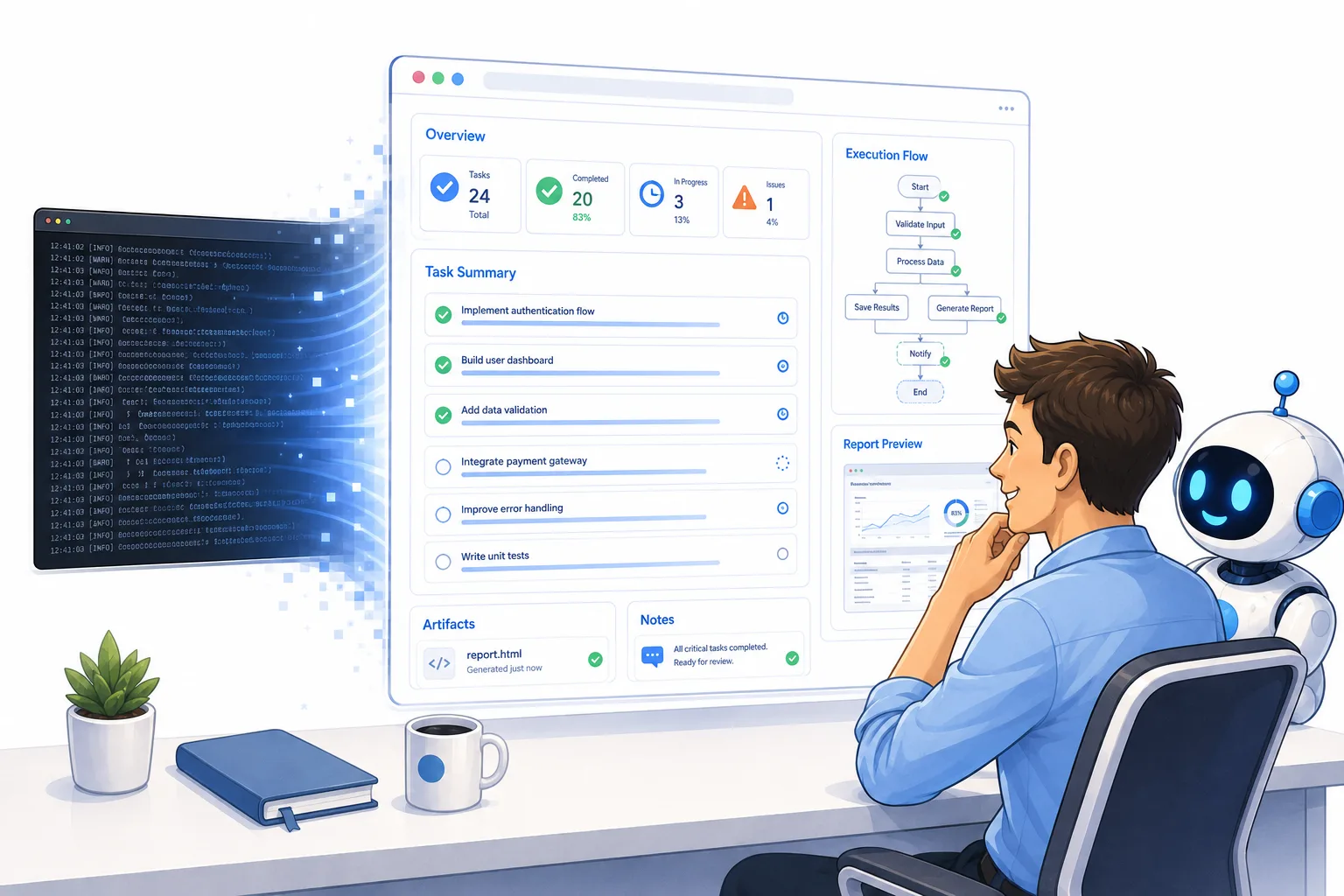
Code Smarter by Clarifying Intent with AI Agents
Tired of repeating yourself to Claude Code, only to watch it misinterpret your intent? This guide cuts through the noise, showing you how to communicate with your coding agents in a way that actually gets results. It's not about more prompts, but sharper ones. For a deeper dive into how AI handles complex tasks, explore the Forrester Function piece. Your workflow deserves better than guesswork.

Discover how Google Pics reimagines design through simple AI prompts.
Google Pics flips the creative process on its head: you prompt, not design. It's a confident push into Canva and Adobe's territory, but the AI-first angle makes it feel less like a clone and more like a natural evolution. We're watching the spreadsheet playbook repeat, where complexity gives way to simple instruction. If you're curious how these models handle structure, our piece on paragraph navigation offers a useful lens. For now, this tool signals that accessible creation isn't a trend; it's the baseline.

Unlock hidden efficiency by mastering prompt caching for your AI workflows.
Most builders treat prompt caching as an afterthought. That's a missed opportunity. When you're pushing token-heavy workflows through Claude, caching isn't just a cost-saver, it's a way to make your API calls faster and your iterations more fluid. Ignoring it means leaving efficiency on the table. Explore how this simple shift can transform your builder's routine. For a deeper dive into how LLMs handle context, our piece on paragraph structure offers a useful parallel.

Blinded Tests Reveal When Long Context Beats RAG on Quality
A 127,000-token prompt can beat a top-5 RAG pipeline on the same 12 questions, graded blind for correctness, completeness, and grounding. That's the claim this controlled comparison puts to the test, and it's a useful one. Most teams assume retrieval is the only way to manage cost and latency, but Kimi K3's 1M token context window challenges that reflex. The tradeoffs are real, and the data here gives you a clearer lens on when full-context wins.
When AI Sounds Confident, Verify It Knows the Answer
Arun Mishra's eval harness exposed a flaw that should worry any team shipping LLM-assisted tools: the model was most confident precisely when it was most wrong. Qualitative review caught nothing because the explanations sounded authoritative. That is the trap. We test for fluency when correctness is what matters. Mishra's approach, measuring accuracy against synthetic ground truth, reveals the gap between plausible and correct. It is tedious work, but skipping it means deploying tools that fail quietly.
Porting Doom's renderer into a transformer with zero training
A 21-billion-parameter transformer just rendered Doom's iconic first frame, and it never saw a single training example. The trick: a custom compiler that bakes a computation graph directly into weights, then runs the classic renderer inside that fixed structure. The result is a standard Hugging Face checkpoint, no special code needed. One frame takes 3,614 prompt tokens plus 53,747 generated ones, about 40 minutes on a B200. That is 35 frames per day, a fitting pace for a project this gloriously impractical.
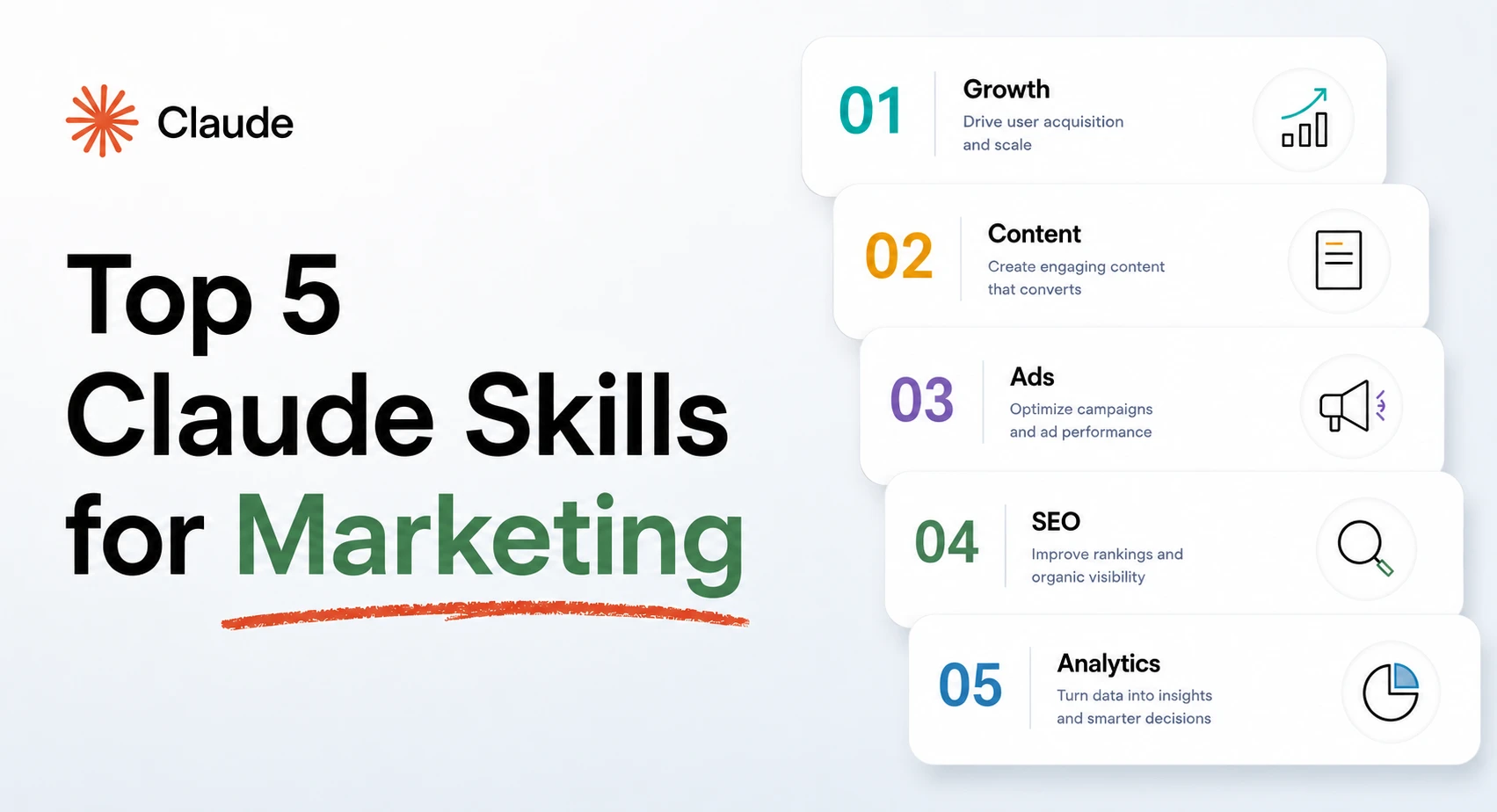
From Prompt to Process: Building a Cohesive AI Marketing Workflow
Most marketing teams use Claude to draft an ad or email from a prompt. That works, but it's hardly a system. The real work still involves research, positioning, channel planning, and reporting. This guide cuts through the noise to highlight five Claude skills that address those missing pieces. It's a practical, honest look at moving from one-off tasks to a repeatable workflow. For a deeper dive into AI's limits, check out "Talking to My AI Clone Taught Me to Question the Tech."

Three Layers That Define Every RAG System You Build
Every RAG system stands on three engineering layers, each stacked on a single LLM call: the prompt that makes the call, the context that fills the model's window, and the loop that decides when the next call fires and when it stops. Knowing which layer you are on is half the battle in building and debugging. This breakdown keeps things practical and grounded. For deeper exploration of where AI understanding gets murky, our piece on verifying your AI's understanding offers a timely companion.

Your prompts need a safety net before one rename breaks production.
One variable rename broke every live call. That's the failure mode prompt engineering can't solve. Writing better prompts matters, but managing them safely at scale is where production systems actually live. Treating prompts like contracts, backed by lightweight static analysis that catches breaking changes before they ship, prevents production failures. It's a practical, grounded take on a real operational gap. For a deeper look at how LLMs navigate structure, our related piece on paragraph token space pairs well here.
When AI reviews slip through, peer review needs a human filter.
When a researcher posts about NeurIPS 2026's AI-generated reviews, the confusion is palpable. The frustration is justified: if reviewers and meta-reviewers appear to lean heavily on LLM output, what exactly is the consequence? A study without action feels hollow when the integrity of the review process is at stake. We can't assume every case involves blind copy-pasting, but the pattern is concerning. This isn't about policing tools; it's about accountability.
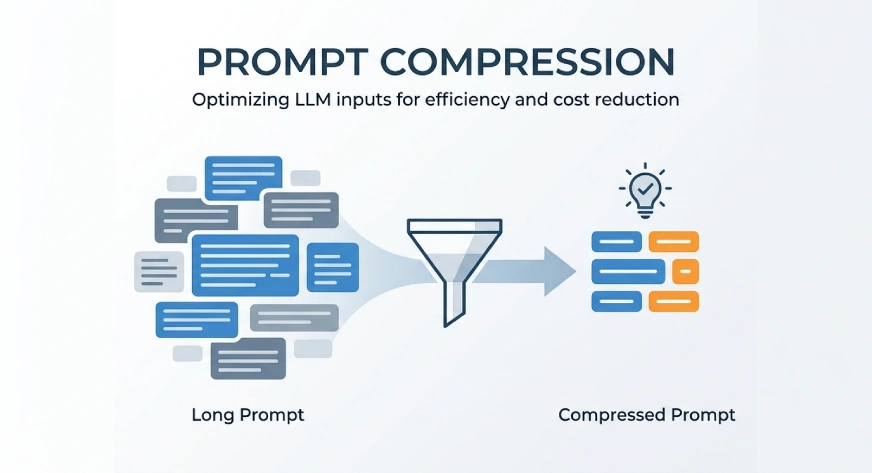
Smarter Prompts, Lower Costs: Compress Without Losing Context
Every prompt carries more than it needs. Long instructions, retrieved documents, and chat history inflate token counts, slow responses, and bury what matters. Prompt compression trims that excess while preserving the core meaning. It is a practical answer to a growing cost problem, and it deserves attention. If you want to see how agents learn by editing context instead of weights, our piece on Agentic Context Learning pairs well with this discussion. The takeaway is simple: leaner inputs, sharper outputs.