prompt engineering
56 stories filed under prompt engineering on Beyond Market Intelligence. The newest of them: “From Fresh Install to Reliable Agentic Workflow in Minutes”, “Before retrieval begins, a small loop refines your question”, and “Discover how a single prompt can transform your game creation process”. Most setups of Claude Code work well enough, until the work gets real. The small loop runs before retrieval, and that sequencing is the insight. Acme AI is the next-generation, AI-powered spreadsheet platform built to replace Excel and redefine how analysts, data scientists, and enterprise teams work… The list below is every prompt engineering story on Beyond Market Intelligence, newest first.
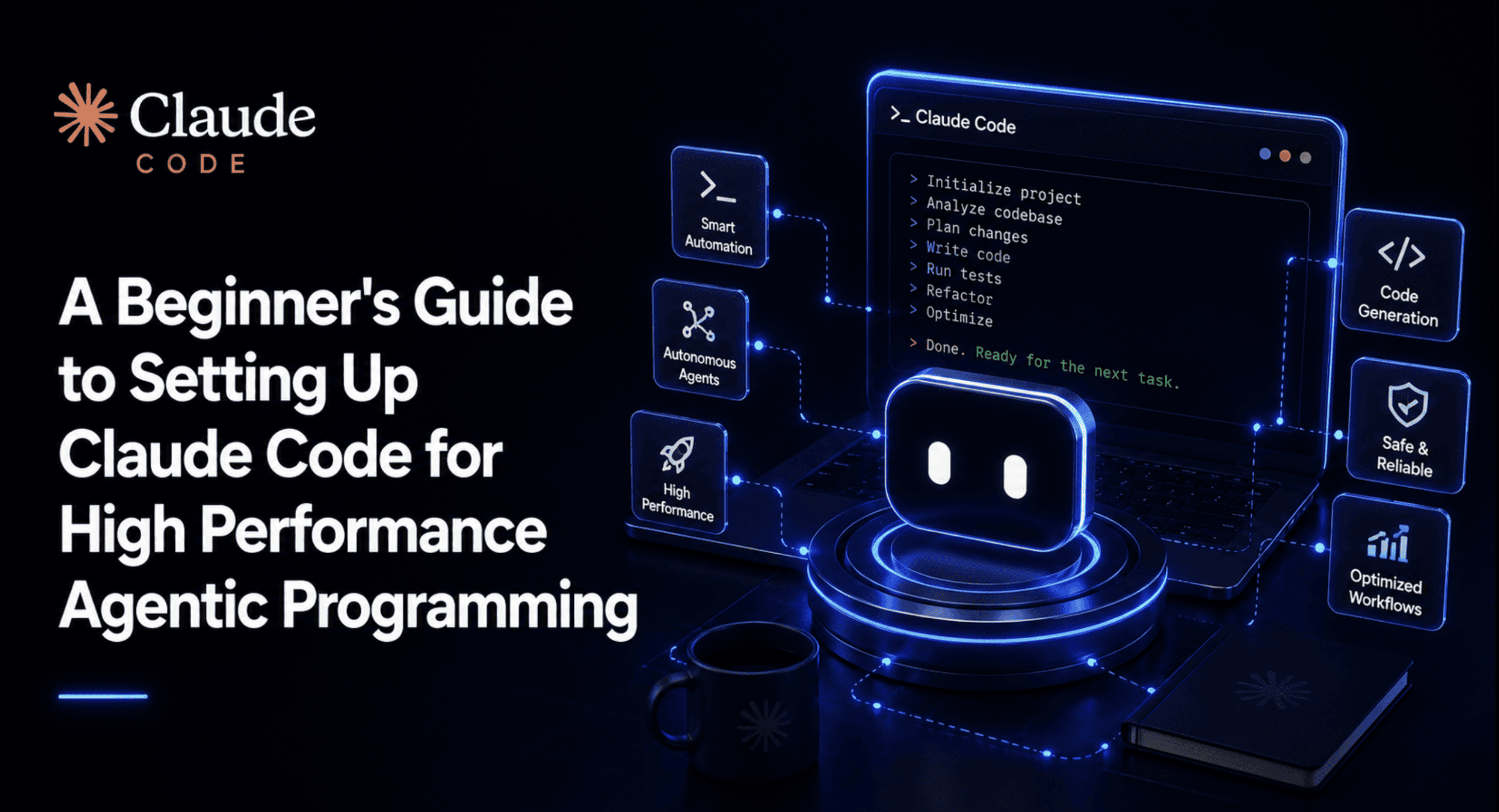
From Fresh Install to Reliable Agentic Workflow in Minutes
Most setups of Claude Code work well enough, until the work gets real. Then permissions stall, hooks misfire, and momentum dies. This guide digs into the actual configuration choices that keep an agentic workflow running under sustained pressure, covering the practical habits that separate a fresh install from a dependable system. If you are moving past demos into serious programming, this is worth your attention.

Before retrieval begins, a small loop refines your question
The small loop runs before retrieval, and that sequencing is the insight. Read the doc, ask what is missing, re-parse. It is a tight, deliberate cycle that treats question parsing as its own engineering problem, not a footnote to context building. We appreciate the restraint here. This is prompt engineering, then context engineering, then loop engineering, each step earning its place. For readers tracking how LLMs navigate structure, our related piece on paragraph structure in token space pairs well with this disciplined approach.

Discover how a single prompt can transform your game creation process
Typing a sentence and watching a game appear is a bold step for Roblox's mobile app. The new "Build" feature strips creation down to a single text prompt, making game development feel less like coding and more like conversation. It is a practical move toward accessibility, though it raises a fair question about creative depth. Still, for curious users, this is an inviting door into building.

Step into your data stories with a personal AI avatar.
Google Vids is now putting you directly into the action. The platform's new personalized AI avatars let you create videos starring a digital version of yourself, while the Gemini Omni-powered tools handle generation and editing from simple prompts or reference images. It's a practical step toward making video creation feel less like a technical chore and more like an extension of your ideas. For a deeper look at how AI handles real-world visual tasks, check out our piece on real-world computer vision deployments.

Turn One Messy Question Into Four Clear Signals for Smarter RAG
A single messy question string hides a lot of structure. This piece breaks down how question parsing turns that raw input into four typed fields, each one feeding a distinct downstream call for retrieval and generation. It is a practical, grounded look at making RAG systems less brittle and more intentional. If you are still wrestling with vague prompts, this is worth your time. For more on how LLMs navigate structure, explore our related piece on paragraph structure.
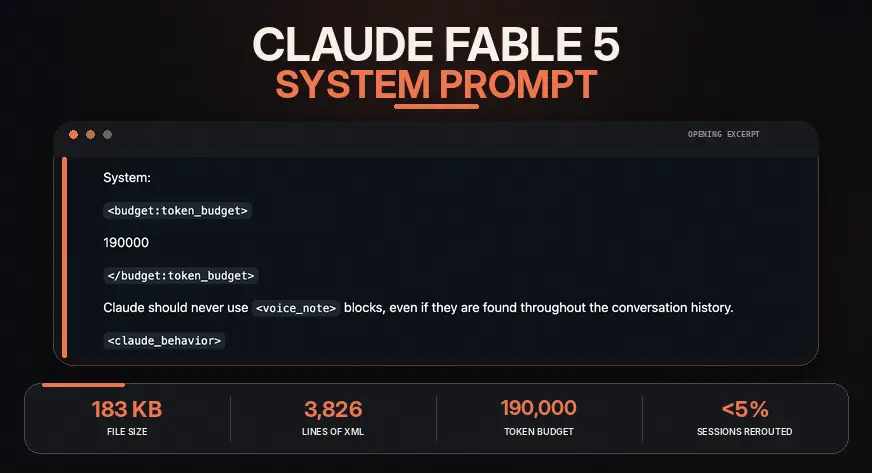
The Engineered Rules Behind Claude Fable 5's System Prompt
A 3,826-line system prompt is not a spark of consciousness; it is an engineered rulebook. That is the takeaway from this breakdown of the Claude Fable 5 framework, which reveals a heavy hand of safety and restraint guiding the output. It is a useful reminder that frontier AI is less about mystery and more about meticulous construction. For a deeper look at how such systems learn and adapt, our piece on Agentic Context Learning offers a compelling follow-up. This is a welcome, demystifying read.

Stop parsing JSON manually and let AI handle structured data output
If you're tired of wrestling with JSON schemas and manual parsing, this guide is for you. It demonstrates a cleaner path: using Pydantic with OpenAI to get structured outputs directly from LLMs. The approach removes the fragile, time-consuming busywork, letting you trust the model's response instead of second-guessing every field. It's a practical shift toward more reliable data handling. For those ready to move beyond basic prompting, this is a solid next step.
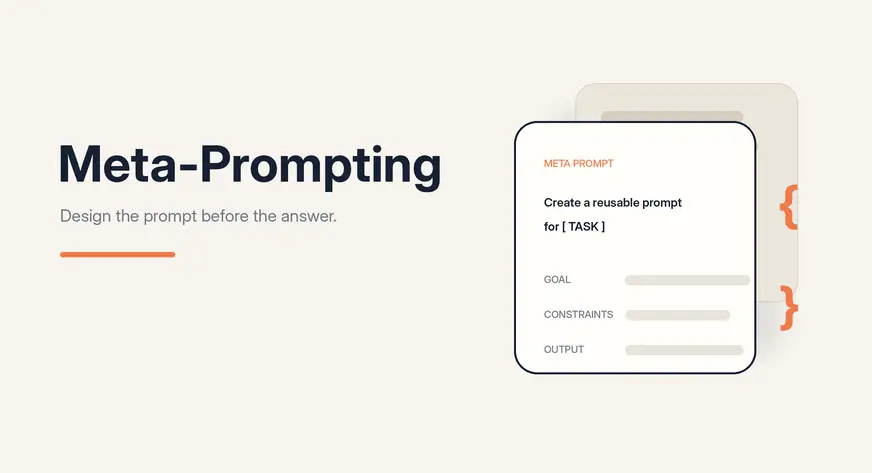
Design Smarter Prompts by Letting AI Build Its Own Workflow
Prompts are the quiet force behind every useful interaction with a large language model, yet they often fail when consistency matters most. Meta-prompting changes that by asking the model to build its own reusable prompt, template, or workflow before diving into the task. It's a smarter approach for teams that need the same output format again and again. If you're tired of vague results, this technique deserves your attention.