results
results at Beyond Market Intelligence is a file of 19 stories. The newest of them: “Exploring AI routing that trims memory while keeping long-context accuracy high”, “OpenAI quietly introduces ads to image generation experience”, and “When compute is limited, choosing between stronger results and a strong submission”. Memory is the bottleneck in long-context AI, and ALHR offers a refreshingly direct solution. OpenAI has quietly started placing ads into its image generation experience. Acme AI is the next-generation, AI-powered spreadsheet platform built to replace Excel and redefine how analysts, data scientists, and enterprise teams work… The list below is every results story on Beyond Market Intelligence, newest first.
Exploring AI routing that trims memory while keeping long-context accuracy high
Memory is the bottleneck in long-context AI, and ALHR offers a refreshingly direct solution. This static binary tree system uses learnable functions to trim the number of keys, reducing VRAM usage while maintaining accuracy. Early tests with tiny stories look promising. It is a pragmatic, scalable approach. For deeper context on how AI learns from human action, see our related coverage on two new approaches shifting that dynamic.

OpenAI quietly introduces ads to image generation experience
OpenAI has quietly started placing ads into its image generation experience. After your results appear, a visual ad now shows up, for U.S. users only, for now. It's a subtle but significant shift for a company that has long resisted advertising. We've been tracking the real trade-offs in AI tools elsewhere, including in *The Real Cost of AI Spreadsheets: Free vs Premium Solutions*. This move feels like another step toward monetization that users should watch closely.
When compute is limited, choosing between stronger results and a strong submission
A CVPR submission shouldn't be a test of your institution's hardware. When compute is limited, the choice between statistical rigor and a polished paper feels unfair, but it doesn't have to be paralyzing. We'd prioritize writing and presentation. A single-seed result, paired with reproducible code you're confident in, demonstrates integrity. Better to submit a clear, well-argued paper than gamble on unreliable reruns. For deeper perspective on resource constraints in AI research, see our related article on rethinking compute demands behind LLM post-training research.
AAAI 2027: Phase 1 Results Released, Phase 2 Submissions Now Open
The Phase 1 results are out, and the path to Phase 2 is now clear for those who advanced. If your paper made the cut, the next submission window is officially open. This is where the work gets more focused, and the stakes feel a little higher. We're watching this cycle closely because it rewards persistence as much as insight. For a deeper look at how structured evaluation shapes complex problem-solving, explore the Forrester Function article we published. Now, get to work.
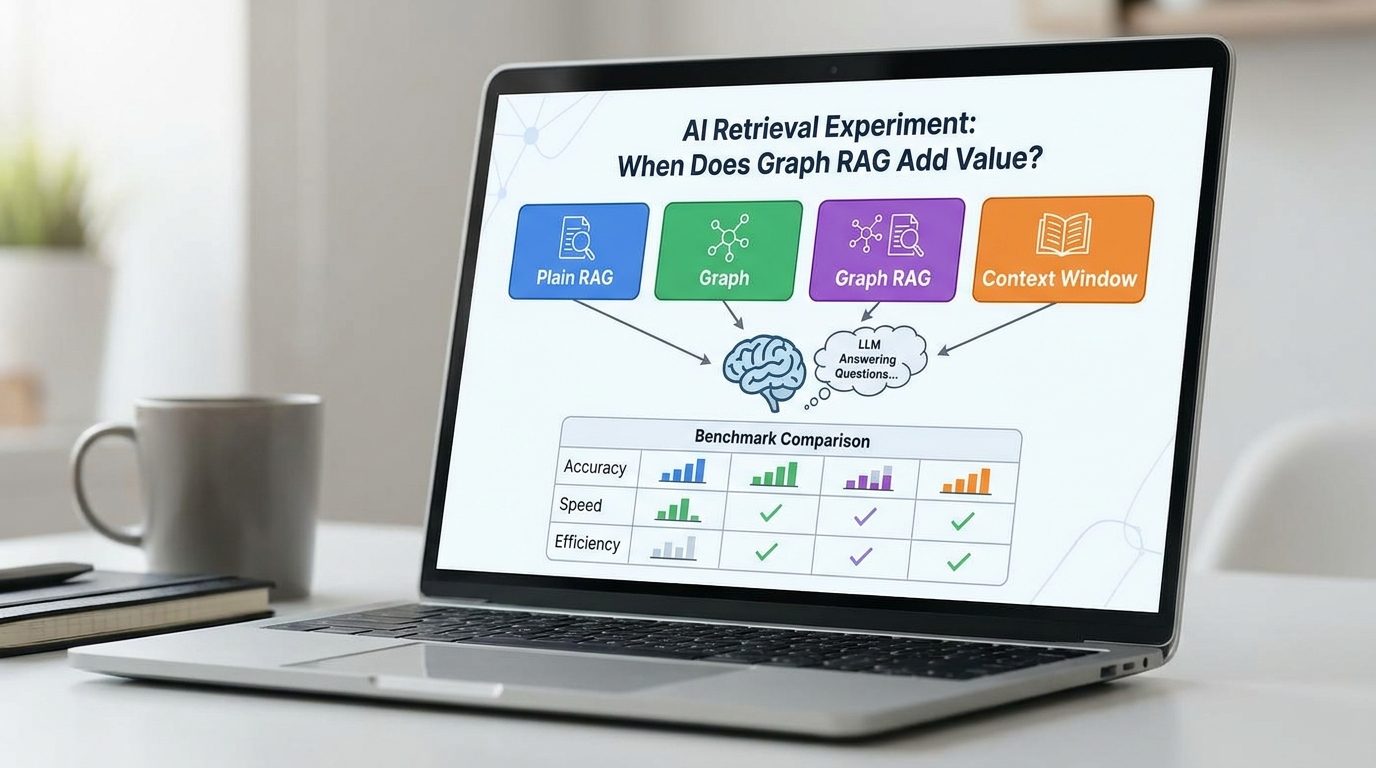
Four AI Retrieval Methods Benchmarked for Real-World Trade-offs
Four retrieval architectures, one laptop, and a single set of documents. That's the setup for this hands-on experiment, which benchmarks plain RAG, graph RAG, and a frontier model's context window against the same questions. The results offer a practical look at when graph RAG earns its complexity. For those exploring how AI structures understanding, our related piece on verifying AI comprehension in tax season is a natural next step. The trade-offs here are worth your attention.
Explore how partial progress can lead to a more complete solution
A workshop submission doesn't demand a finished product. It demands a clear problem, a credible method, and a promise of what's next. Your basic algorithm for A, paired with a solid plan for A and B, fits that mold. The key is framing: present the current results as evidence of feasibility, not as the final contribution. The mathematics you outline for the full algorithm carries the weight. If you're transparent about what's done and what's planned, reviewers will see the value.
Discover how an undergraduate is advancing AI with self-explanation research.
An undergraduate in India just built a research draft from scratch, literature review, idea, results, funding, and is now asking the community for compute and mentorship to push into Test Time Training. That takes a rare mix of initiative and humility. Their confidence in TTT's trajectory feels well-placed; the field rewards those who act before the crowd. For anyone running a lab, this is the kind of self-driven collaborator worth a second look.
Explore ICDE Results and Discover What They Mean for Your Data Workflows
Tomorrow's ICDE results carry real weight, and waiting on them is never easy. For those refreshing portals and refreshing again, this thread is your space to share outcomes, compare notes, and find some clarity in the uncertainty. The anticipation is part of the process, but you do not have to sit with it alone. Post your results, ask your questions, and dig into the discussion. And if the stress feels familiar, our piece on neurosurgery match requirements shows how intense academic pressure has become.
Your paper results are arriving soon. Explore what's next for your work.
The wait is nearly over. The AACL-IJCNLP 2026 acceptance results are set to drop in just a few hours, and for those who submitted to the ARR May cycle, the tension is real. This moment reflects a broader pressure we're seeing across academic and professional tracks, where the stakes feel higher than ever. It's a good time to step back, breathe, and prepare for whatever comes.
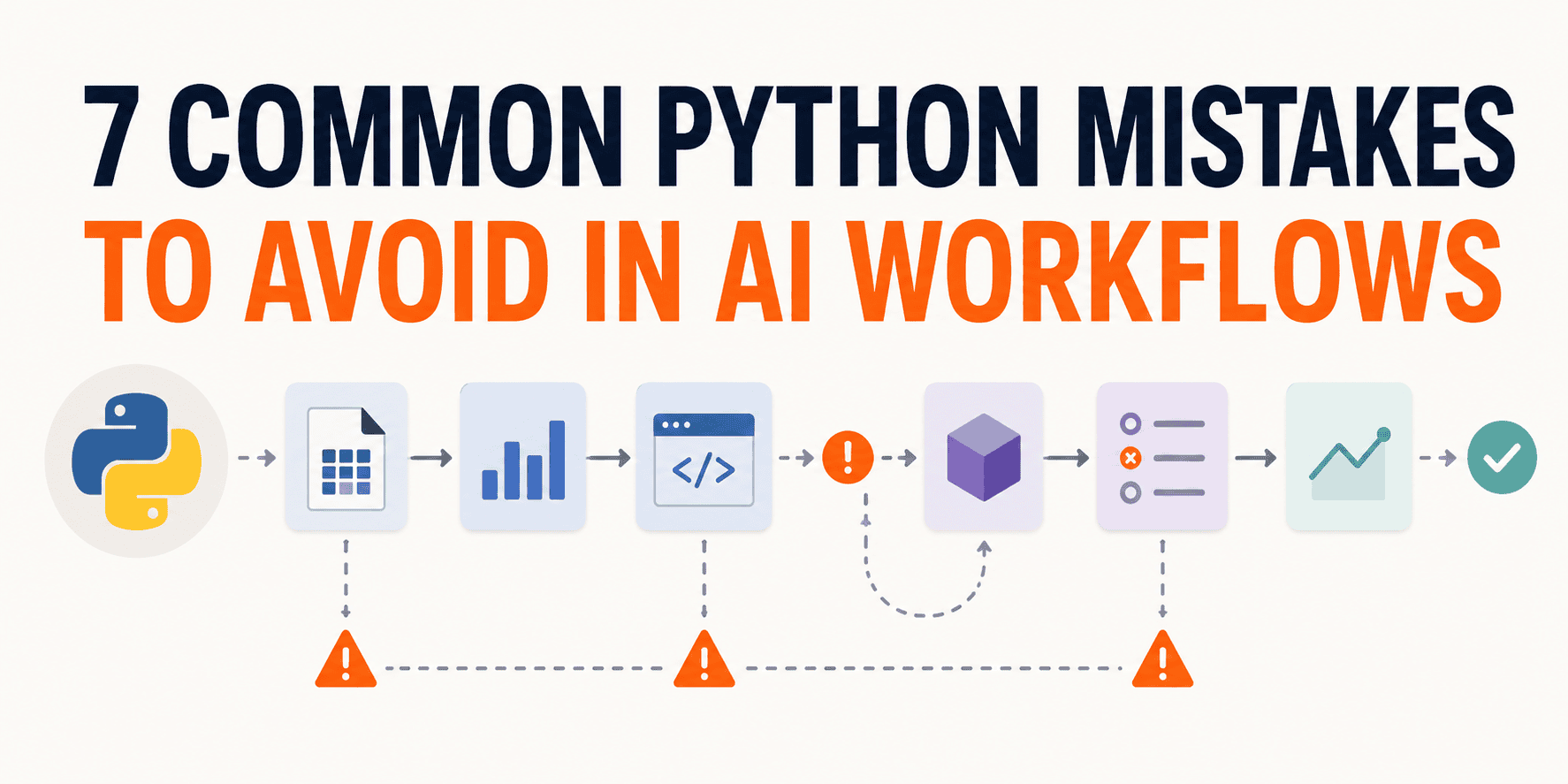
Your Pipeline Ran Clean. Here's Why That Doesn't Mean It Worked.
A clean run feels like a win. But in AI workflows, it's often a mirage. The process executed; that's all. It tells you nothing about what the pipeline actually learned, which rows shaped it, or whether the saved result can be trusted elsewhere. That gap is where real mistakes live. If you're ready to move past surface-level checks, our guide on distributed algorithms offers a natural next step. For now, let's focus on the seven pitfalls that quietly undermine your data's integrity.
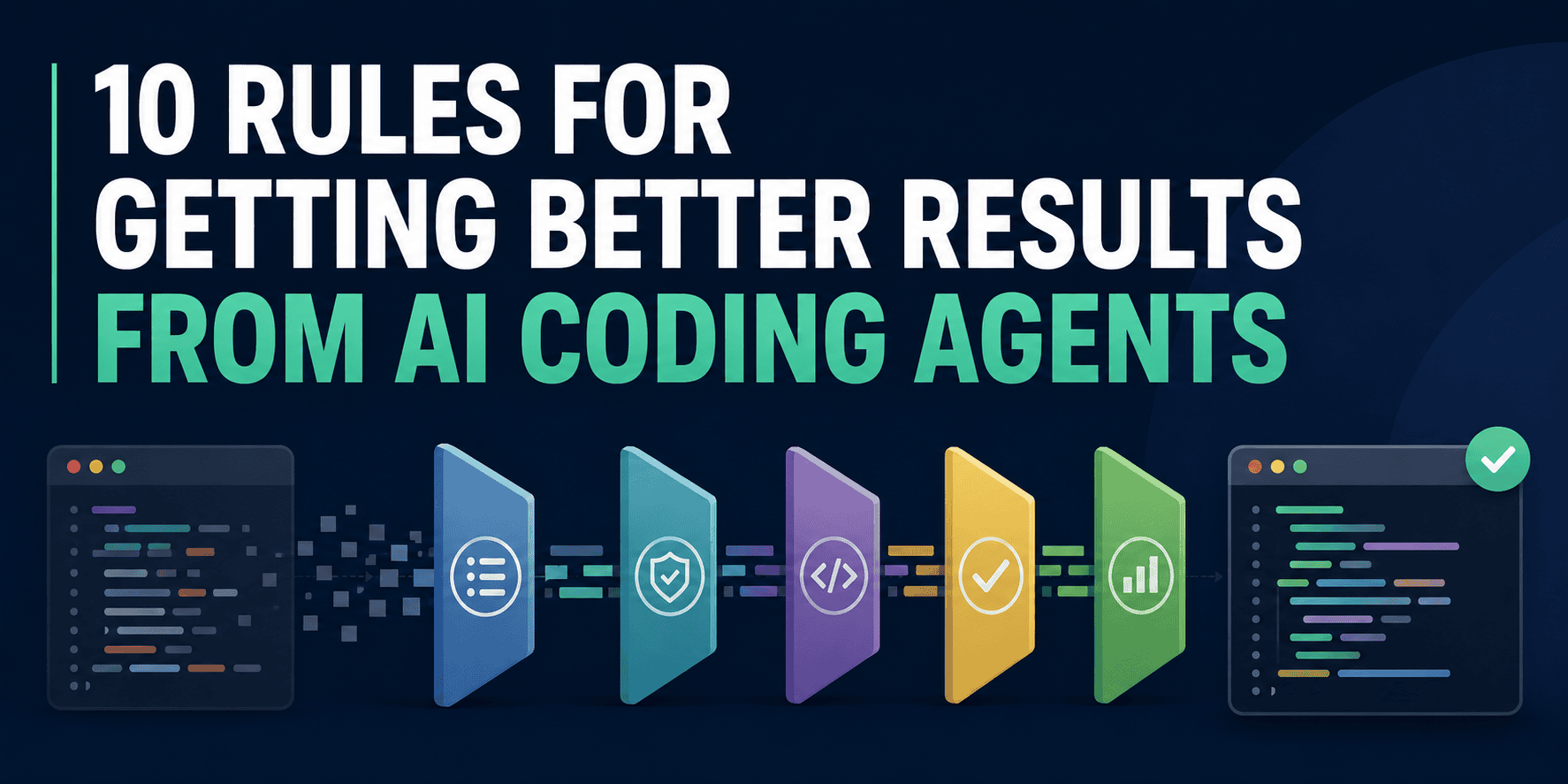
Master AI coding agents with simple rules that transform your workflow
AI coding agents are everywhere right now, but most teams are leaving results on the table. We've watched the hype cycle, and the truth is simple: the tool matters less than how you direct it. These ten rules cut through the noise, focusing on practical habits that turn a generic assistant into a reliable contributor. If you're ready to move past trial and error, start here.
Safeguarding Peer Review Integrity with Transparent AI Assignment Tools
The AAAI 2027 organizers have acknowledged what many in the field have long suspected: collusion in the review process is real, particularly through 2-cycles. When a large share of submissions comes from one country, the algorithm will naturally pair authors there. That isn't an accusation; it's math. The decision to avoid naming the country is prudent, though transparency about submission statistics would help. Acknowledging the problem is a start, but the community needs concrete data, not just warnings, to trust the process.
Count names across sheets with an AI formula that simplifies the process
Counting duplicates across sheets is a classic spreadsheet puzzle, and the answer usually comes down to a simple pivot table or a COUNTIFS formula. You want to pull names from Column A in Sheet 1, tally how often each job appears, and then match that count to the corresponding name on Sheet 2. That's entirely doable without breaking a sweat.
EMNLP 2026 decisions arrive today as the community turns toward Budapest.
Today, the EMNLP 2026 notifications land, and the wait finally ends. Whether your paper made it or not, the results will shape your next steps. We're hoping the decisions bring you to Budapest, where the conversation continues in person. For those navigating the emotional side of feedback, it's worth remembering that rejection often sharpens your research, not diminishes it.
Transform your survey data into clear before and after charts with AI
Struggling to line up headers and values for a before-and-after chart is a familiar snag, especially when the goal is a clean, stacked visual. The trick often lies in how you structure the source data, not the chart type itself. Reshape your questionnaire results into a simple table with categories as rows and time points as columns, then let Excel handle the rest. It's a small step that turns a frustrating task into something intuitive.
Measure consistency over time with a smarter approach to standard deviation
Tracking consistency across a hobby group's results is a smart way to spot trends, but the formula struggle is real. Your approach with `INDEX` and `COUNTA` is close, yet the syntax needs a nudge. For Excel 2019, try `=STDEV.P(OFFSET([LA],COUNTA([LA])-3,0,3,1))` to target the last three entries dynamically. It's a cleaner path than stacking `INDEX` calls. This isn't about complexity; it's about precision. If you're exploring broader data skills, our piece on shifting AI/ML job expectations might resonate,
CIKM results are here: discover what this year's acceptances reveal.
CIKM '26 notifications are out, and the results are worth celebrating. One researcher from our community shared a strong showing: three of six full papers and one of three short papers accepted. That is a solid hit rate by any measure. It also speaks to the growing momentum behind AI-driven research that pushes beyond traditional boundaries. For anyone navigating the increasingly complex world of AI and ML expectations, these wins feel especially earned.
Link figures in your NeurIPS rebuttal without crossing the line
Submitting a rebuttal with figures that reviewers explicitly asked for is the right instinct, but linking them against the rules is a gamble. The community knows OpenReview's limits, and many have quietly shared external links with mixed results. A single violation unlikely sinks a paper, but it signals disregard for protocol. A better path: embed the plots directly in the rebuttal's markdown, or summarize key trends in a table and offer the full figure upon request. That respects the process while keeping your results digestible.

Bring clarity and control to your ML experiments with simpler tracking.
Loose notebooks, half-remembered parameters, and that one model you swear performed better last Tuesday. It's a familiar chaos. This hands-on guide cuts through the noise, offering a practical path to tracking experiments, logging models, and reproducing results with MLflow. It's the structure your workflow has been missing. For those also wrestling with scale, our guide on distributed algorithms is a natural next step. But first, get your experiments in order.