retrieval augmented generation
18 stories filed under retrieval augmented generation on Beyond Market Intelligence. The newest of them: “EmbeddingGemma 2 Now Processes Code, Images, Video, and Audio”, “Rethinking Retrieval: When Your Data System Needs Autonomous Reasoning”, and “Evolving AI: Lessons from Building Intelligent Enterprise Systems”. EmbeddingGemma 2 now understands more than just text: code, images, video, and audio are all in its grasp. Static retrieval pipelines treat every query like a lookup. Acme AI is the next-generation, AI-powered spreadsheet platform built to replace Excel and redefine how analysts, data scientists, and enterprise teams work… The list below is every retrieval augmented generation story on Beyond Market Intelligence, newest first.
EmbeddingGemma 2 Now Processes Code, Images, Video, and Audio
EmbeddingGemma 2 now understands more than just text: code, images, video, and audio are all in its grasp. Built on Gemma 4 and released under Apache 2.0, this compact model from Google is purpose-built for efficient semantic search and on-device RAG. It is a focused, practical tool that prioritizes performance without demanding massive resources. For those exploring how AI handles locked-down code, our piece on "When Closed Code Won't Open, Can AI Do the Heavy Lifting" offers a fitting companion read.
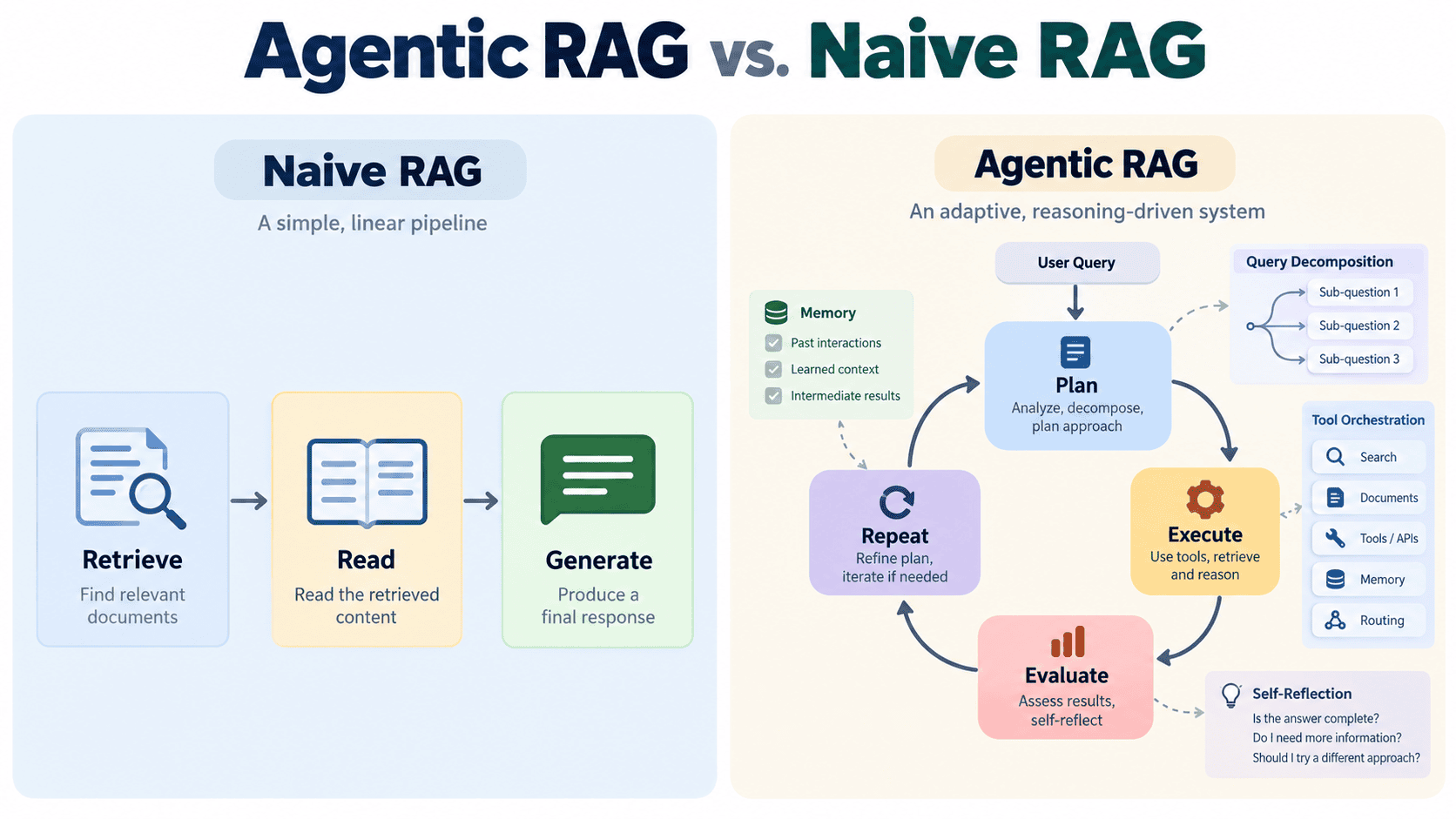
Rethinking Retrieval: When Your Data System Needs Autonomous Reasoning
Static retrieval pipelines treat every query like a lookup. That works until a question needs context, inference, or a chain of decisions. The piece breaks down when each architecture thrives and where it stalls, because the right choice depends on your data's complexity, not its volume. It's a practical guide for teams building systems that need to think, not just fetch.
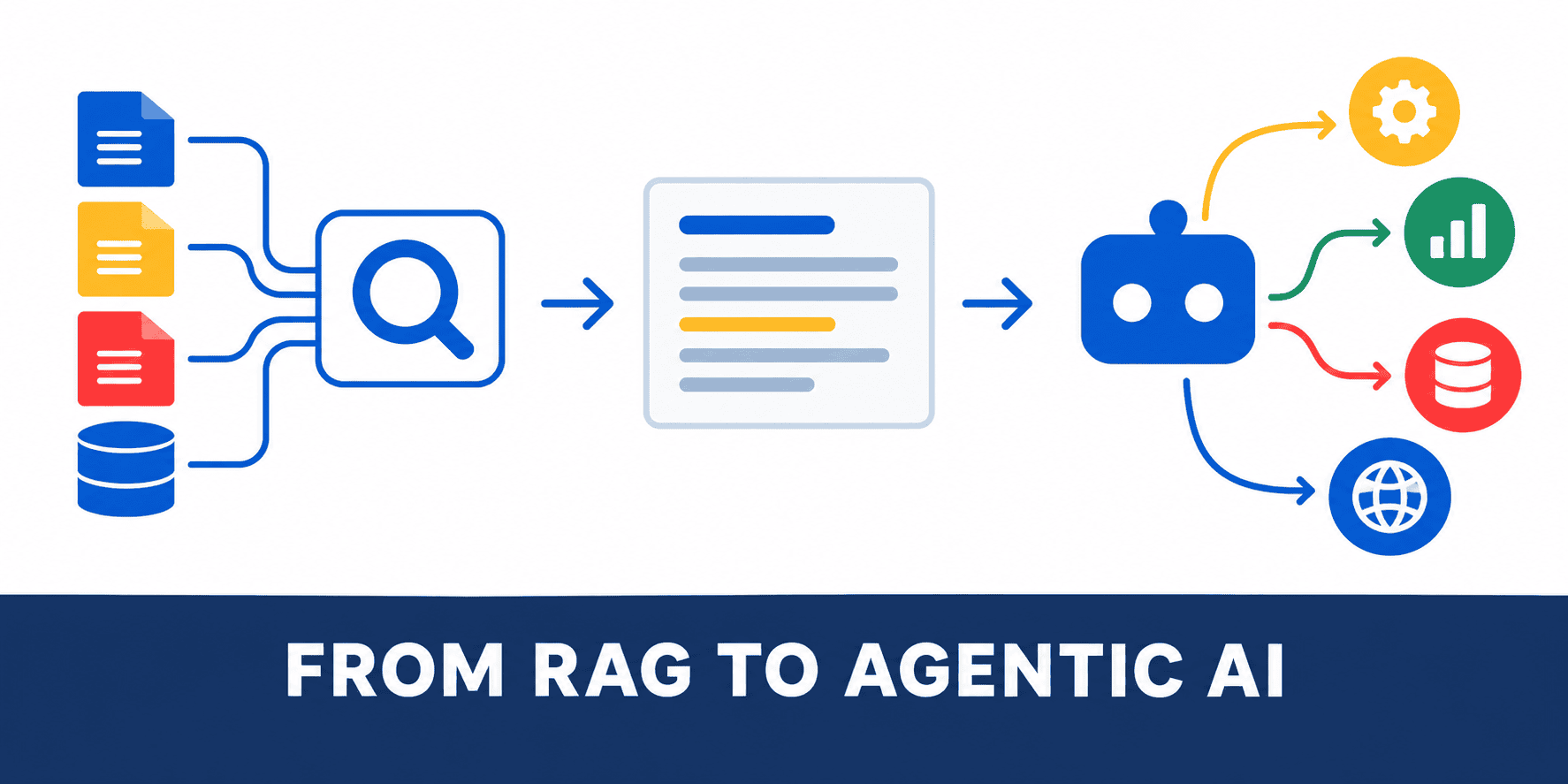
Evolving AI: Lessons from Building Intelligent Enterprise Systems
Three generations of intelligent retrieval systems is a long arc to trace, and the lessons are tangible. Each iteration tackled a constraint the previous one couldn't crack, which is exactly how progress should feel: deliberate, not chaotic. This is a story about persistence in engineering, and it's worth reading. For those curious about the underlying mechanics, our guide to distributed training offers a practical entry point. But start here, where the real-world friction meets the fixes.

When a RAG System Says No, It Should Show Four Proof Points
A confident wrong answer is a bug, but a bare "no answer" with no justification is barely better. This piece breaks down why a RAG system that says "not in this document" must show four distinct kinds of evidence to earn trust. It's a practical push for accountability in AI output. For readers wrestling with how LLMs structure their reasoning, "Exploring Paragraph Structure" offers a useful companion on the mechanics behind the curtain.
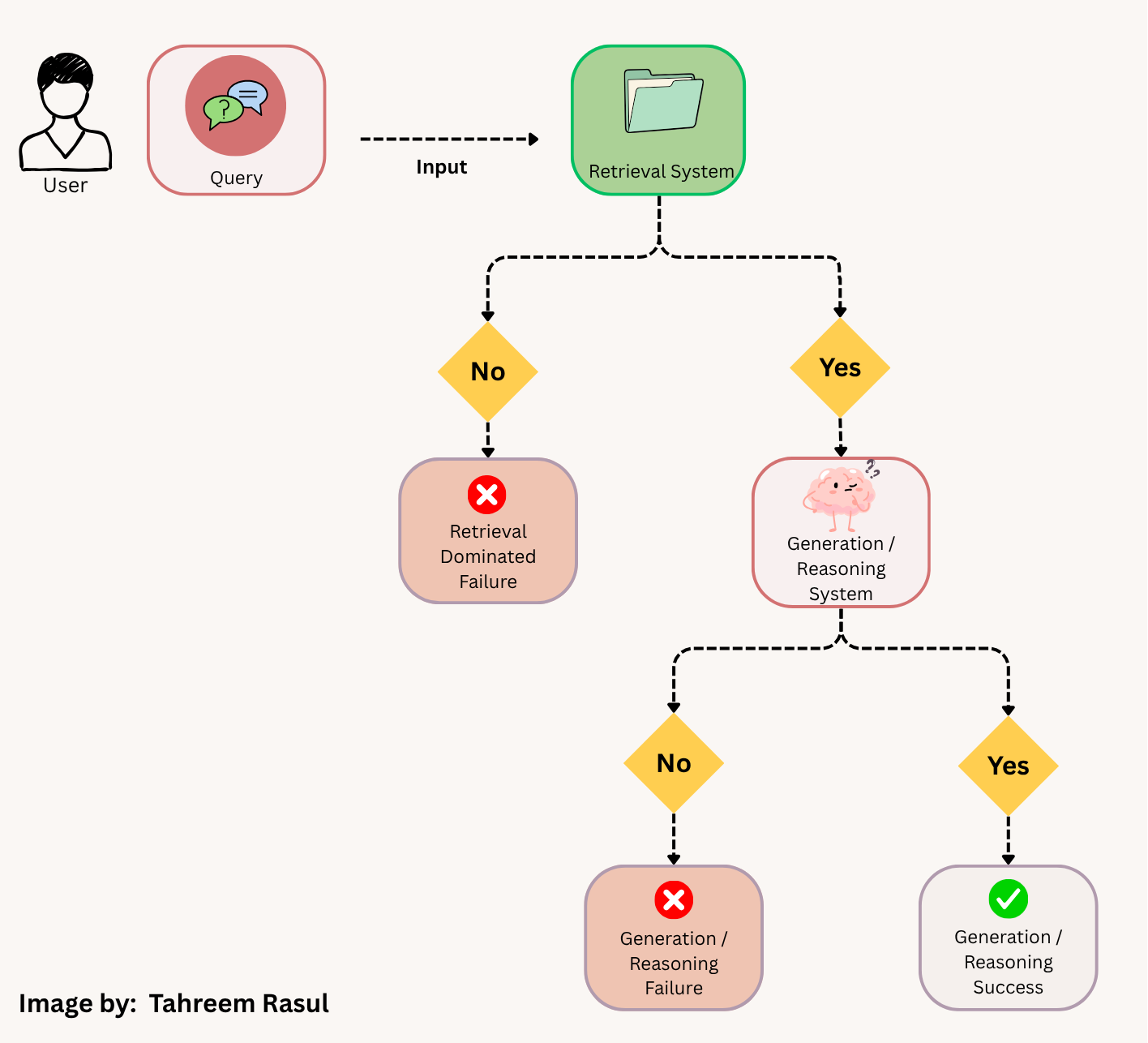
Building Smarter RAG Pipelines That Earn Their Complexity
Most teams add complexity to RAG pipelines before they've earned it. This framework flips that instinct, introducing advanced techniques only when observed failures demand them. Starting with lexical and hybrid search, then moving to reranking and agentic information seeking, the approach keeps systems lean and understandable. It's a disciplined counter to the temptation of overbuilding. For readers tracking how retrieval evolves into action, the related piece on bridging retrieval and action offers a useful follow-up.

Design Your Data: Why a Simple FAQ Can Outperform RAG
Most RAG setups fight messy documents. This piece flips that struggle into a design choice. A well-structured FAQ inverts the pipeline: parsing becomes trivial, retrieval acts as a cache, and few-shot prompting turns into a retrieval problem. It's a clever reframing that rewards intentionality. If you're tired of wrestling with chaotic corpora, this perspective offers a practical path forward. For a deeper look at how LLMs handle structure, our piece on paragraph navigation in token space pairs well with this.
Test your RAG apps against unauthorized document access with an open-source tool
A RAG app that quietly retrieves documents a user shouldn't see is a risk most teams don't catch until it's too late. This open-source checker tackles exactly that gap, supporting both offline test cases and live HTTP API checks with bearer-token or API-key auth. It's a practical, no-frills tool for validating access boundaries before they become a problem. The call for hands-on feedback from engineers testing non-sensitive environments is the right move.

What data scientists miss about rerankers and why it reshapes your RAG architecture
Ask a data scientist what a RAG reranker actually does under the hood, and you'll get a pause before an honest answer: it's not magic, it's a focused relevance filter. That honesty matters more than any architecture diagram, because it forces hard decisions about where your enterprise RAG pipeline spends its compute. We think that clarity is the real unlock. For teams already wrestling with distributed systems, this piece pairs well with our practical guide to distributed algorithms.

Blinded Tests Reveal When Long Context Beats RAG on Quality
A 127,000-token prompt can beat a top-5 RAG pipeline on the same 12 questions, graded blind for correctness, completeness, and grounding. That's the claim this controlled comparison puts to the test, and it's a useful one. Most teams assume retrieval is the only way to manage cost and latency, but Kimi K3's 1M token context window challenges that reflex. The tradeoffs are real, and the data here gives you a clearer lens on when full-context wins.

Designing the dispatcher that makes agentic RAG workflows smarter
The dispatcher in an agentic RAG system isn't just a router; it's the judgment call that decides when to loop back for another retrieval and when to trust what's already in context. This piece from our series on enterprise document intelligence finally puts the patterns together, and it's a refreshingly clear look at why that decision is the real engine of reliability. If you're still wrestling with when your workflow should stop, this is the guide you've been waiting for.

When Every Passage Holds the Answer, RAG Needs a New Shape
Most RAG pipelines retrieve a single top passage and call it a day. But some questions don't work that way. Listing questions demand every relevant passage, not just the highest-scoring one. This pipeline walks through that silent failure point and the pipeline shape that actually handles it. It's a practical look at a real limitation, and the reasoning is clear. For readers who want to go deeper, "Exploring Paragraph Structure: How LLMs Navigate Token Space" offers a useful follow-up on how token coordinates shape retrieval.

When your document says "see Section 7.2," AI can now follow the link.
A "see Section 7.2" answer is a dead end, not a destination. When a retrieval system points elsewhere instead of answering directly, the pipeline breaks trust. This piece tackles that exact failure with a loop-based fix: fetch the linked context, then return the real answer. It's a practical, human-centered solution for a frustrating problem. We appreciate the focus on user outcomes over technical spectacle. For more on how LLMs handle structure, explore *Exploring Paragraph Structure: How LLMs Navigate Token Space*.

Three Layers That Define Every RAG System You Build
Every RAG system stands on three engineering layers, each stacked on a single LLM call: the prompt that makes the call, the context that fills the model's window, and the loop that decides when the next call fires and when it stops. Knowing which layer you are on is half the battle in building and debugging. This breakdown keeps things practical and grounded. For deeper exploration of where AI understanding gets murky, our piece on verifying your AI's understanding offers a timely companion.

When to choose GraphRAG over vector search for deeper insights
Forget the hype about GraphRAG being a universal upgrade. The evidence is clear: it's a specialized tool, not a replacement for standard retrieval. Microsoft's own research shows it crushes vector RAG on global, sensemaking questions, winning up to 83% of comparisons, but on simple fact lookups, the two are effectively tied. The real takeaway isn't about choosing sides. It's about building a router that sends each query to the method it deserves. That's how you get the gains without paying for indexing you don't need.
Enterprise AI Trust Falls Faster Than Context Infrastructure Is Built
Enterprise agents are answering with confidence their context can't yet support. New Pulse Research across 101 enterprises shows 57% have traced a confident-but-wrong answer to missing or inconsistent data, yet retrieval is already the default context source for 38% of organizations. The fix, a governed semantic layer, is under construction: 58% are building or running one, but most haven't shipped it. Provider-native tools lead today, even as enterprises insist they want independence. The context gap isn't a retrieval problem.

Smarter RAG Generation: Choosing the Right Candidates for Every Query
Retrieving top-k candidates is only half the battle; the real question is how you feed them to the generator. This piece tackles that head-on, detailing two regimes for sending retrieved chunks and the sufficiency signal that tells you which to use. It's a practical, per-question dispatch that keeps things cheap and efficient. We appreciate the focus on iteration over brute force.
Your AI agents have the data. Now they need your trust.
Confident and wrong. That's the failure mode now stalking enterprise AI, 57% of organizations have traced a confident but incorrect agent answer back to missing or inconsistent context. The infrastructure feeding these agents is being built faster than it can be trusted. Provider-native retrieval already leads the stack, yet most enterprises are still constructing the governed semantic layer that would close the gap. The direction is clear: the context layer is the next contested tier, and agents are running ahead of it.

Continuous Evaluation Keeps Your RAG Systems Reliable and User-Ready
A production RAG system isn't a set-and-forget deployment. It's a living thing, and like any living thing, it drifts. That's why this practical guide focuses on building an evaluation workflow that catches retrieval failures, hallucinations, and performance drift before they ever reach your users. It's about moving from hoping your system works to knowing it does. For those ready to go deeper into the underlying mechanics, our guide on distributed training offers a solid foundation. But start here, where trust is built continuously.