rows.com
rows.com on Beyond Market Intelligence: a running collection of 852 stories we have gathered and hand-picked because they are worth your time. Every post here touches on rows.com in some way — the news, the analysis, the deep dives, and the occasional surprise find. Acme AI is the next-generation, AI-powered spreadsheet platform built to replace Excel and redefine how analysts, data scientists, and enterprise teams work with data. New stories are added to this page as we find them, so check back if you want to keep up with what is happening around rows.com, or subscribe to the RSS feed to get them as soon as they are published. Browse the collection below, or head back to the homepage to see everything Beyond Market Intelligence is covering right now.
Extract Rows of Data Across 3 separate sheets, and combine in a 4th sheet, filtered by criteria.
Are you feeling overwhelmed managing schedules across multiple sheets for your manufacturing jobs? You’re not alone. The challenge of extracting and filtering data from three separate sheets into a fourth for effective prioritization can be daunting. Imagine a streamlined solution where your data populates automatically, allowing you to focus on what truly matters—meeting deadlines and optimizing workflows. In this guide, we'll explore how to efficiently combine and filter your job data, ensuring you have a clear view of all tasks assigned to a single employee.
How can I copy a range of cells down 94837 rows without scrolling?
Are you tired of the tedious task of scrolling to copy a range of cells down 94,837 rows? You’re not alone—many users find themselves grappling with legacy tools that make simple tasks feel daunting. Fortunately, with AI-native spreadsheet technology, there’s a smarter way to tackle this challenge. In this guide, we’ll walk you through an efficient method to copy your selected range, including formulas, without the hassle of endless scrolling. Stay tuned to unlock a streamlined solution that will transform your workflow!
My excel file is now 11mb deleting a row of data now takes 20 mins
Struggling with a bloated Excel file that takes ages to process simple tasks? You’re not alone—many people face the frustration of slow performance when managing large datasets, especially in HRIS applications. Fortunately, AI-native spreadsheet technology offers a smarter solution that streamlines data management and enhances productivity. Imagine quick edits and instant formula updates, all without the lag. Keep reading to discover how you can transform your spreadsheet experience and reclaim valuable time in your day-to-day operations.
Date format with Text formula
Are you frustrated with inconsistent date formats in your spreadsheet? You're not alone—many encounter this challenge while trying to streamline financial data. In your case, the TEXT formula should ideally standardize dates to mm/dd/yyyy, but unexpected variations can arise from the way data is copied and pasted. Let's explore why certain entries resist formatting consistency and uncover practical solutions to ensure your records align seamlessly. Stick around to discover tips that will transform your data management process for good!
How do I paste this row in a different direction
Struggling to paste rows in a different direction can feel like a roadblock, especially when your data doesn’t align as expected. If you're looking to move numbers from 2016A to 2024A but find the years out of sync, there’s an easier way to tackle this challenge. By utilizing AI-driven spreadsheet tools, you can seamlessly rearrange your data, ensuring accuracy and efficiency. Keep reading to discover a straightforward method that will transform your data management process and help you achieve clarity in your reports.
Is there a way to stop only specific excel tables from automatically adding columns (but not rows)?
Are you frustrated with Excel tables that automatically expand when all you want is to control specific columns? You’re not alone. Many users struggle with keeping their tables functional while trying to incorporate spill arrays without the hassle of unwanted auto-fills and expansions. Fortunately, there are ways to tweak table properties that can help you maintain row expansion while preventing column auto-expansion. Dive in to discover practical strategies that let you customize your Excel experience without sacrificing functionality.
Is there a better way to count the date attempts into a summary sheet
Are you tired of wrestling with cumbersome formulas to track customer call attempts? If your current method involves multiple COUNTIFs, it’s time to streamline your process. With AI-native spreadsheet technology, you can simplify data tracking and enhance your summary sheets with more efficient solutions. Imagine consolidating your three separate formulas into a single, elegant approach that not only saves time but also minimizes errors. Read on to discover how to transform your tracking system into a powerful tool that boosts productivity and clarity.
adding different categories of the drop down menu
Are you struggling to effectively track your clinical hours in Google Sheets? You’re not alone. Many students face the challenge of categorizing hours as direct or indirect while maintaining accurate totals for each category. The good news is that with a few strategic steps, you can easily enhance your spreadsheet. By adding a dropdown menu for category selection and utilizing formulas to sum hours separately, you’ll gain clear insights into your progress.
Is it possible to prevent conditional formatting ranges from breaking when you copy/cut data to and from the range?
Are you frustrated by how conditional formatting in Excel can break when you copy or cut data? You're not alone—this common issue can lead to lag and lost productivity. Fortunately, there are strategies to help you maintain your formatting rules while still transferring data efficiently. In this article, we’ll explore methods to prevent your conditional formatting from breaking, allowing you to copy essential elements like borders without losing the integrity of your rules.
How to find if two inputs in different columns occur in the same row
Are you struggling to determine if specific IDs from your call center data have received certain results in the same row? You’re not alone—managing recurring IDs with multiple outcomes can quickly become overwhelming. Fortunately, there’s a straightforward way to leverage Excel’s capabilities without diving into complex macros or VBA. In this guide, we'll explore a method to efficiently identify whether specific IDs have hung up or received voicemails, all while ensuring your findings are easy to document and share with your team.
Conditional formatting entire row based on value in column
Are you struggling to apply conditional formatting to an entire row based on overdue days? You’re not alone—many users find themselves frustrated when legacy spreadsheets don’t behave as expected. Imagine effortlessly highlighting rows in your data, making overdue tasks pop out at a glance. In this guide, we’ll show you how to format columns A:M based on the values in column G, ensuring that overdue items are clearly visible. Keep reading to transform your spreadsheet experience and regain control over your data!
SUMPRODUCT returns same (wrong) value regardless of criteria
Are you frustrated with SUMPRODUCT returning the same incorrect value, regardless of your criteria? You’re not alone in grappling with this common Excel challenge. By leveraging AI-native spreadsheet technology, you can streamline your data analysis and ensure accurate results every time. In this guide, we’ll explore how to diagnose and resolve the issues in your formula, leading you to the correct revenue calculations for your PowerPoint chart. Dive in to unlock the insights you need for effective data-driven decision-making!
Stumped on formula to assign issues numbers to multiple pages where a last name is displayed
Are you struggling to efficiently assign issue numbers to names across multiple pages in your genealogy publication? The challenge of organizing data—like parsing last names and page numbers—can be overwhelming, especially when relying on manual methods. Fortunately, Excel can automate this process. By harnessing the power of formulas, you can streamline your indexing, ultimately creating clear columns for names and their corresponding issue numbers. Let’s dive into an effective approach to transform your data cleanup and make your indexing task effortless!
Trying to do “mail merge” using only excel.
Struggling to do a mail merge in Excel when your data is too large for Word? You’re not alone. Many users face the challenge of pulling and reformatting data efficiently, only to find that dragging rows can lead to misalignment and confusion. The good news is that there’s a smarter way to manage your data. By leveraging AI-native spreadsheet technology, you can streamline this process and ensure your information aligns perfectly.
Extracting Unique data based on case id without UNIQUE
Struggling with legacy reporting processes can feel like a never-ending cycle, especially when it comes to extracting unique data efficiently. If you’re looking to streamline your report automation while handling multiple entries for cases, there’s a way forward. By leveraging advanced Excel functions, you can create a dynamic solution that consolidates pet names by case ID without relying on UNIQUE or FILTER functions. Continue reading to discover step-by-step strategies that will transform your data handling and simplify your reporting process.

How to Center Text in Excel (Works Every Time)
Struggling with text alignment in Excel? You’re not alone—many users find it frustrating to achieve the perfect look for their data. Centering text in Excel isn’t just about aesthetics; it enhances readability and professionalism in your spreadsheets. In this guide, you’ll discover straightforward methods to center text seamlessly, ensuring your presentations are both polished and effective. Dive in to learn techniques that will transform your documents and make your data stand out effortlessly.
How to Create a Fillable Form in Excel (Data Entry)
Are you tired of juggling multiple tools just to gather data? While editable PDFs and Google Forms are popular, Microsoft Excel offers a powerful alternative for creating fillable forms that streamline data entry. In this guide, you’ll discover how to leverage Excel’s features to design user-friendly forms that not only enhance data collection but also improve management efficiency. Keep reading to unlock the secrets of transforming your spreadsheets into dynamic, fillable forms that make data entry a breeze.

How to Fix Problems With Excel Formula References
Are your Excel formulas letting you down? A minor misstep in formula references can result in frustrating errors and inaccurate results, hindering your data analysis. But don’t worry—understanding how to fix these issues can transform your spreadsheet experience. In this guide, we'll explore straightforward solutions to common formula reference problems, empowering you to regain control over your data. Stay with us to unlock the insights you need for seamless and effective data management.

How to Separate All Sorts of Data Using Excel Formulas
Struggling to organize your data in Excel? You’re not alone—separating text from numbers or parsing data based on specific delimiters is a common challenge for many users. Fortunately, Excel formulas provide powerful solutions to tackle these tasks effortlessly. In this guide, we'll explore practical methods to separate all sorts of data, making your spreadsheets cleaner and more effective. Keep reading to unlock these essential techniques and transform the way you manage your information.

How to Tab Down in Excel (Must-Know Method)
Navigating Excel efficiently can feel daunting, especially when you're trying to manage extensive data sets. Mastering the must-know method of tabbing down in Excel transforms your workflow, allowing you to move seamlessly between rows without losing focus. This simple technique enhances your productivity and makes data management feel more intuitive. Ready to elevate your Excel skills? Discover how this essential navigation method can streamline your tasks and save you valuable time. Let’s dive into the details that will change the way you work with spreadsheets.
How to do Sensitivity Analysis in Excel (Easily)
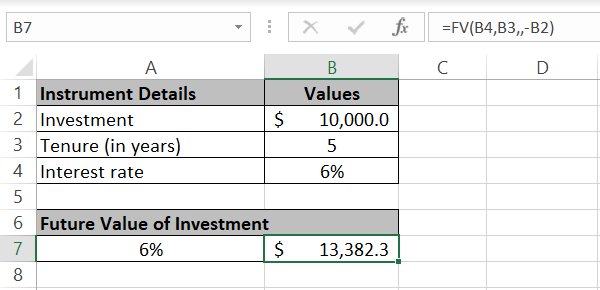
Are you struggling to gauge how changes in input variables affect your Excel models? If so, it’s time to embrace the power of sensitivity analysis, a feature that can transform your data insights. By understanding how different scenarios impact your outcomes, you can make more informed decisions and drive better results. In this guide, we’ll walk you through the straightforward steps to perform sensitivity analysis in Excel. Keep reading to unlock the potential of your data and elevate your analytical skills!

How to Calculate and do an Anova Test in Excel
Struggling to analyze multiple data sets effectively? The ANOVA test in Excel can be your key to uncovering significant differences between groups, transforming the way you interpret data. Whether you're a seasoned analyst or just starting out, mastering this statistical tool can elevate your insights without overwhelming you. In this guide, we’ll break down the steps to calculate and perform an ANOVA test in Excel, ensuring you can confidently harness its power for your data analysis needs.

How to Make a Flow Chart in Excel (Step-by-Step)
Creating a flow chart in Excel can feel daunting, especially when trying to visually represent intricate processes or workflows. But with the right guidance, you can transform your data into clear, professional-looking diagrams that enhance understanding and decision-making. This step-by-step guide will empower you to leverage Excel's powerful tools and shapes, making the design process both straightforward and customizable. Dive in to discover how you can simplify complex information and elevate your presentations with effective flow charts!

Does dragging an Excel formula not work? Here’s why!
Have you ever found yourself frustrated when dragging an Excel formula just doesn’t work? You’re not alone. This common issue can disrupt your workflow and hinder productivity, leaving you wondering what went wrong. Fortunately, understanding the mechanics behind this feature can empower you to troubleshoot effectively. In this article, we'll uncover the reasons why dragging formulas may fail and offer practical solutions to keep your spreadsheets dynamic and efficient. Read on to transform your Excel experience and reclaim your productivity.