series
Beyond Market Intelligence keeps series in one place: 7 stories so far. The section currently leads with “EliseAI secures $350M, doubling its valuation to $4B in just one year”, “Optimize SLM: Batch Data Length, Not Individual Items”, and “Beyond MSE: Refining Forecasts with Autoregressive Rollout and Uncertainty”. EliseAI just closed $350M in new funding, doubling its valuation to $4B within a year. Batching by length instead of looping item by item is one of those shifts that feels obvious once you see it. Acme AI is the next-generation, AI-powered spreadsheet platform built to replace Excel and redefine how analysts, data scientists, and enterprise teams work… The list below is every series story on Beyond Market Intelligence, newest first.

EliseAI secures $350M, doubling its valuation to $4B in just one year
EliseAI just closed $350M in new funding, doubling its valuation to $4B within a year. That kind of acceleration says less about luck and more about the market finally catching up to what AI-native tools can actually do. It's a signal worth watching, especially as we see similar momentum across the sector, like Meta's AI turning dull tasks into real savings. Investors are rewarding substance, not hype. We're curious to see how EliseAI builds on this pace.
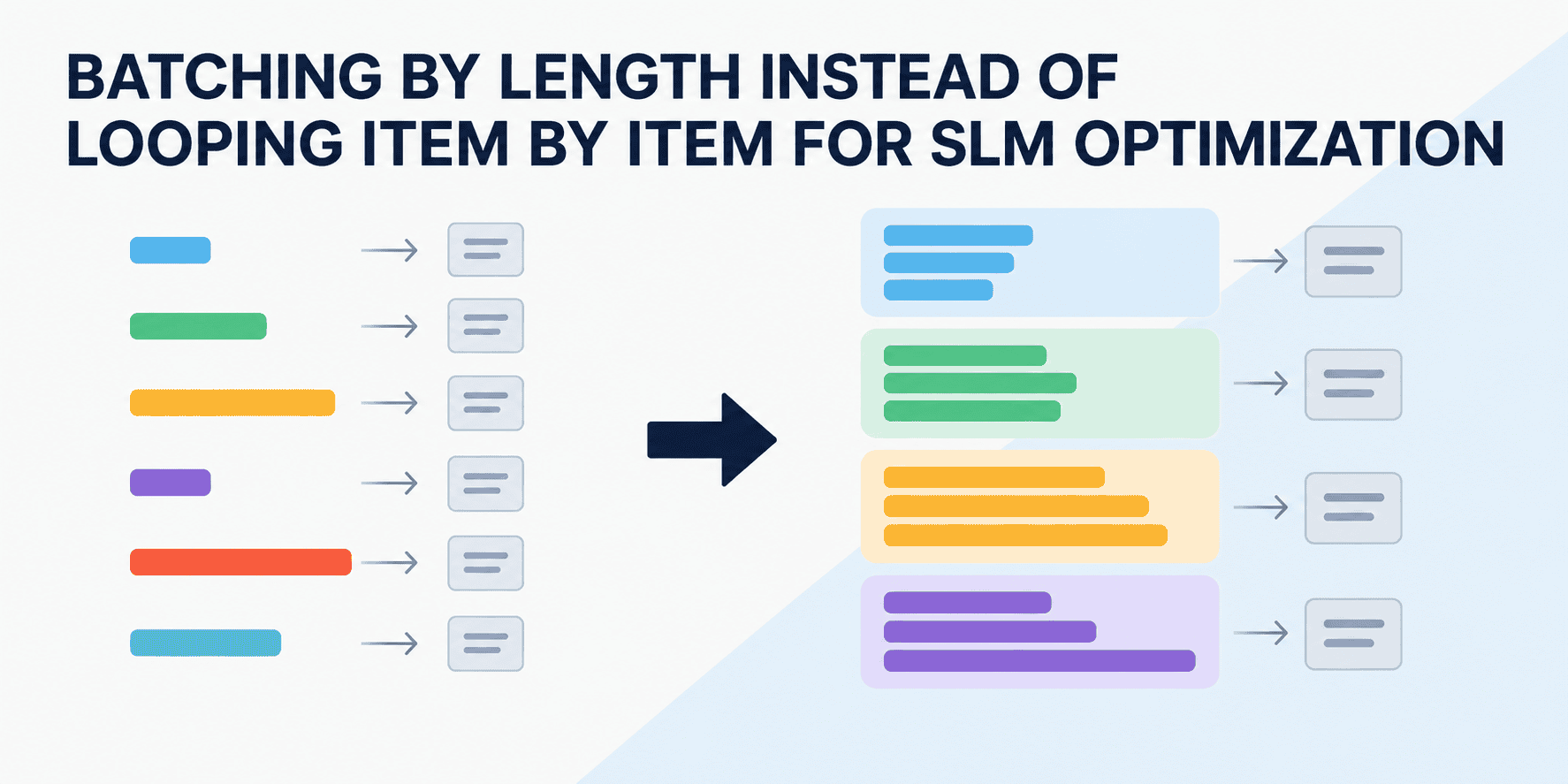
Optimize SLM: Batch Data Length, Not Individual Items
Batching by length instead of looping item by item is one of those shifts that feels obvious once you see it. It trims the overhead, smooths the workflow, and lets the model focus on what matters: processing data, not managing iterations. This final entry in our SLM series lands the point neatly. If you're still wrestling with per-item loops, this approach is worth exploring. And for a broader look at optimization challenges, our piece on real-world computer vision deployments pairs well with the ideas here.
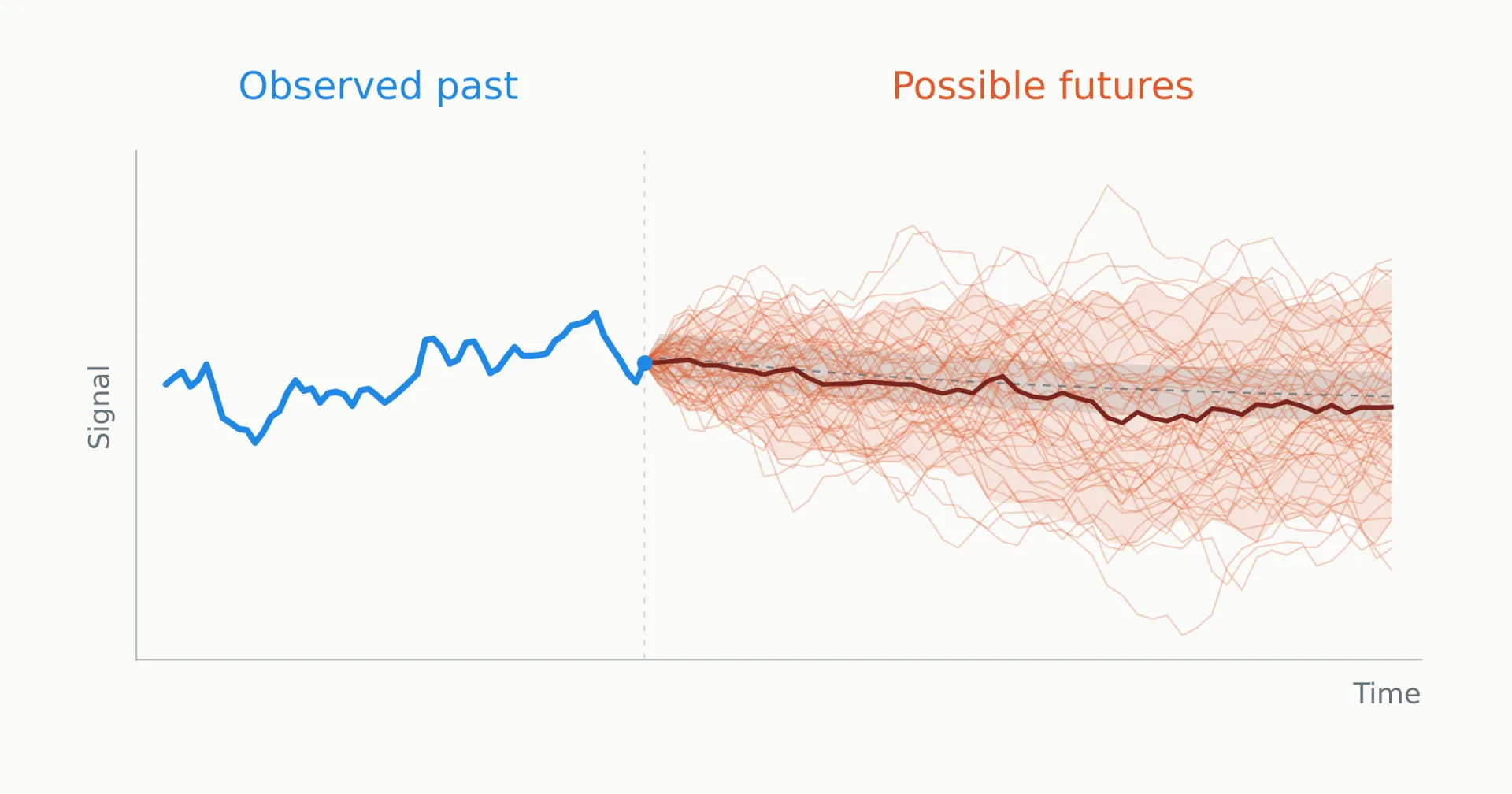
Beyond MSE: Refining Forecasts with Autoregressive Rollout and Uncertainty
Mean squared error tells you how wrong your model is on average. It does not tell you how confident you should be in that number. This second installment in our probabilistic forecasting series tackles exactly that gap through autoregressive rollout and uncertainty propagation. Instead of settling for a single point estimate, the approach refines forecasts by carrying uncertainty forward. It is a practical next step for anyone working with physical signals.

Wonderful secures $550M to accelerate product development and meet growing demand
Wonderful just closed a $550 million Series C that more than doubles its valuation to $5B in under six months. That kind of acceleration signals real market appetite, not hype. The company plans to channel the funding into faster product development, expanding its FDE teams, and keeping up with demand. It's a decisive move for a team clearly focused on scale. For context on how AI-native momentum is reshaping investment, our piece on the $5.75B surge in AI-native companies is worth a look.

Rethinking Enterprise RAG: Ten Overlooked Positions That Demand Your Attention
Most tutorials treat enterprise RAG as a simple plug-and-play. This series argues for ten positions that challenge that assumption, starting with the idea that retrieval isn't just a search problem, it's a structural one. Each article maps a specific argument, building a coherent framework rather than a collection of tips. If you're tired of surface-level advice, start with "Exploring Paragraph Structure: How LLMs Navigate Token Space" to see why token coordinates need better metrics. This is the map. The rest is exploration.
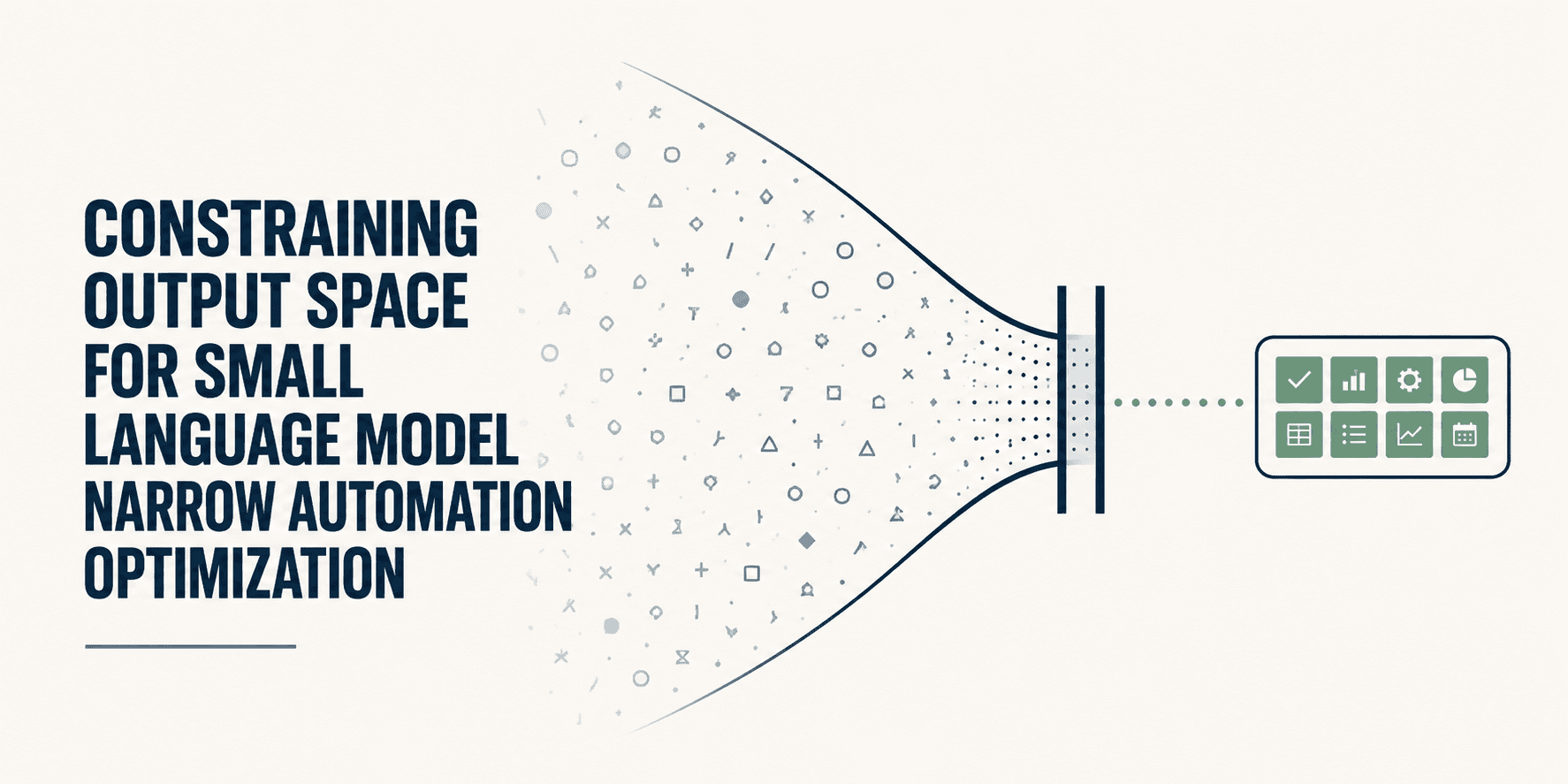
Tame Small Language Models by Constraining Their Output Space
Parsing generated text is a losing game. Every format variation you forget to handle becomes another silent failure. This first entry in our narrow automation optimization series tackles the real solution: constraining the output space from the start. It's a practical technique that saves time and spares you the headache of brittle regex. For a broader take on connecting systems, our piece on bridging retrieval and action offers a useful companion. This approach is simpler than it sounds, and it works.

Pixel 11 arrives with smarter AI features and more standard storage
Google's Pixel 11 lineup is leaning into intelligence over hardware, and that is a bet worth watching. The starting price climbs $100, but the jump to 256GB base storage softens the sting. Fewer physical changes means Gemini carries more of the load, which feels like the right trade for users who want their devices to do more thinking. For a deeper look at how AI reshapes everyday tools, our piece on adaptive systems offers useful perspective.